Last Updated on November 27, 2025 by Bilal Hasdemir
What Chemicals Are in Chemotherapy Drugs? Understanding Cancer Treatment
Chemotherapy, often called chemo, is one of the most effective treatments against cancer. At Liv Hospital, we understand how important it is for patients to know what chemicals are in chemotherapy drugs and how they work.
Chemotherapy drugs use powerful chemical compounds to target and destroy rapidly growing cancer cells. These include agents like alkylating agents, antimetabolites, anthracyclines, and plant alkaloids. Each type works differently ” some stop cancer cells from dividing, while others damage their DNA to prevent growth.
By learning about the chemicals used in chemotherapy, patients can better understand their treatment process and feel more confident throughout their recovery journey.
Key Takeaways
- Chemotherapy is a treatment that uses powerful chemicals to fight cancer.
- It works by killing cancer cells and can help cure cancer or reduce its symptoms.
- Understanding chemotherapy is key for patients to manage their treatment well.
- Liv Hospital offers top-notch patient care and cutting-edge science.
- Chemotherapy plays a big role in cancer treatment, with many options available.
Understanding Chemotherapy: A Powerful Medical Treatment

Chemotherapy is a key treatment for many diseases, mainly cancer. It targets cells that grow fast, like cancer cells. This method has been a mainstay in cancer treatment for years and keeps getting better.
What Exactly is Chemotherapy?
Chemotherapy uses chemicals to kill cancer cells. These chemicals, known as chemotherapy drugs, focus on cells that grow quickly. Cancer cells grow fast, so chemotherapy works well on them. But it can also harm healthy cells that grow fast, like hair and skin cells, causing side effects.
“Chemotherapy is a systemic treatment that can reach cancer cells almost anywhere in the body,” as noted by cancer research institutions. This makes chemotherapy a valuable option for many cancers.
Beyond Cancer: Other Uses for Chemotherapy
Chemotherapy is not just for cancer. It’s also used in lower doses to treat autoimmune diseases like rheumatoid arthritis and lupus. These diseases happen when the immune system attacks the body’s own tissues. Chemotherapy helps control this attack.
It’s also used to get patients ready for bone marrow transplants. This is done by weakening the immune system to prevent it from rejecting the new marrow. This shows how versatile chemotherapy is, beyond just treating cancer.
In conclusion, chemotherapy is a complex and vital treatment in modern medicine. Understanding how it works and its uses helps us see its importance in treating serious health issues.
The Science Behind How Chemotherapy Drugs Work
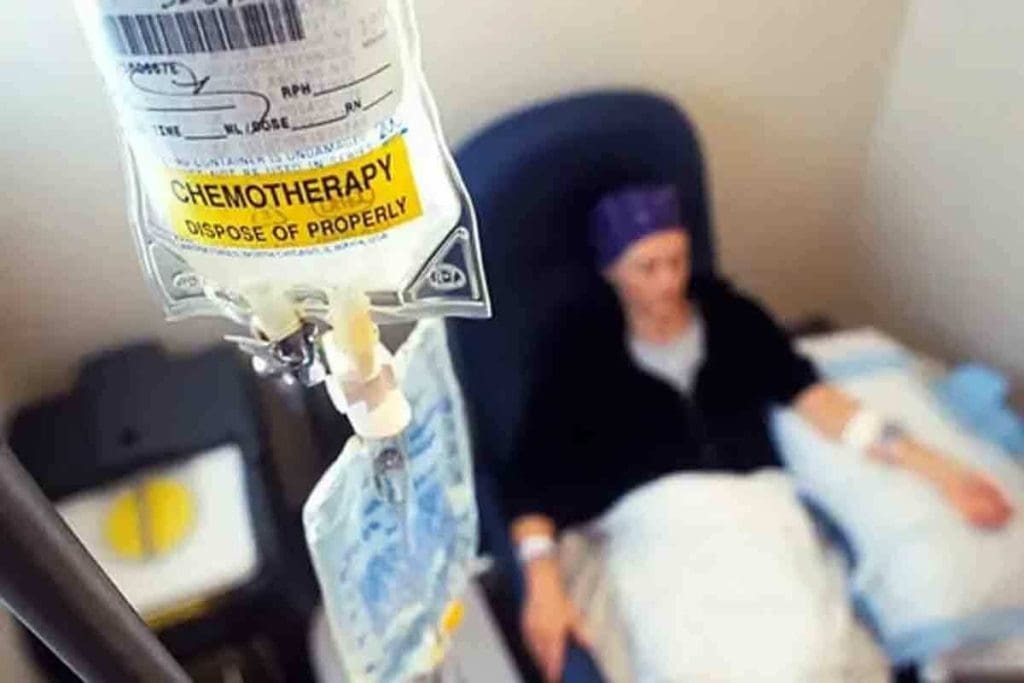
Chemotherapy drugs target and destroy cells that grow fast, like many cancers. They work because cancer cells grow much faster than normal cells. This makes cancer cells more likely to be affected by chemotherapy.
Targeting Rapidly Dividing Cells
Chemotherapy ingredients are made to attack fast-growing cancer cells. Alkylating agents, antimetabolites, topoisomerase inhibitors, antitumor antibiotics, and mitotic inhibitors are the main types. Each one has a different way to fight cancer cells.
These drugs mess with how cells divide. They can damage DNA, stop DNA production, or stop cells from dividing. This helps slow down or stop tumors from growing.
Impact on Healthy Cells and Side Effects
Chemotherapy also hits healthy cells that grow fast, like hair follicles and bone marrow. This is why people often lose their hair, feel tired, and get sick to their stomach. These are common side effects.
Knowing how chemotherapy works helps understand why these side effects happen. It also shows how the treatment affects our bodies.
Chemotherapy isn’t just for cancer. It’s used for other health issues too. But it’s most famous for fighting cancer. Scientists keep working to make it better and reduce side effects.
What Chemicals Are in Chemotherapy Drugs: An Overview
It’s important to know what’s in chemotherapy drugs. They are key in fighting cancer. Over 100 different drugs are used, each targeting cancer cells in its own way.
The Five Main Classes of Chemotherapy Agents
Chemotherapy drugs are grouped into five main categories. These categories are based on how they work and their chemical makeup. Here are the main classes:
- Alkylating Agents: These drugs mess with the DNA of cancer cells. This stops them from growing. Examples include cyclophosphamide and chlorambucil.
- Antimetabolites: This group stops cancer cells from growing by messing with their metabolism. 5-fluorouracil and methotrexate are common examples.
- Anti-tumor Antibiotics: These are made from natural sources. They work by getting in between DNA strands, stopping cancer cells from dividing. Doxorubicin is a well-known example.
- Topoisomerase Inhibitors: These drugs block enzymes needed for DNA replication. Topotecan and etoposide are examples.
- Mitotic Inhibitors: These chemicals come from plants and stop cells from dividing. Vinblastine and paclitaxel are examples.
How These Chemicals Are Administered
How chemotherapy drugs are given depends on the cancer type, drug type, and patient health. Common ways include:
- Oral administration in the form of pills or liquids.
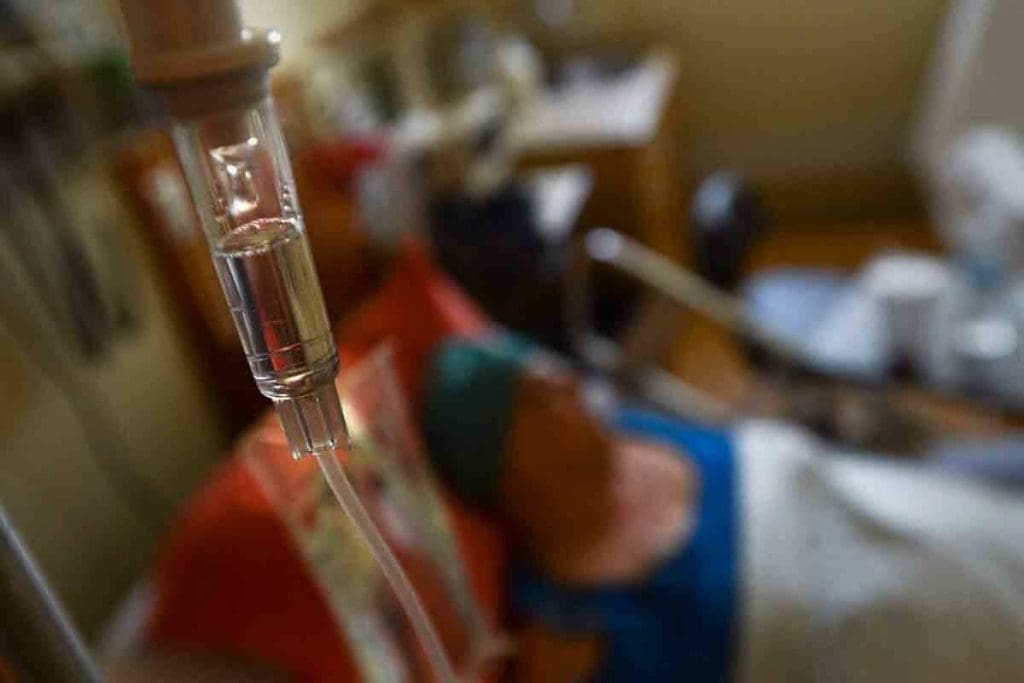
- Intravenous (IV) infusion, where the drug is delivered directly into a vein.
- Intra-arterial administration, where the drug is delivered directly into an artery that feeds the cancer.
- Topical application, though this is less common for chemotherapy.
Each method has its own benefits. The choice depends on the treatment plan.
Alkylating Agents: DNA-Damaging Chemicals
Alkylating agents are a key type of chemotherapy drug. They damage the DNA of cancer cells. These drugs are among the oldest and most used, helping treat many cancers.
How Alkylating Agents Work
These agents add an alkyl group to cancer cell DNA. This damages their DNA and stops them from reproducing. But they also harm healthy cells, causing side effects.
Cancer cells divide faster than healthy cells. So, they’re more affected by these agents.
Common Examples of Alkylating Agents
Some well-known alkylating agents include Cyclophosphamide, Chlorambucil, Melphalan, and Busulfan. These drugs help treat various cancers.
Specific Cancers Treated with Alkylating Agents
These agents are used for many cancers. They treat lymphomas, leukemias, and some solid tumors. Their wide use shows their effectiveness against different cancers.
| Alkylating Agent | Common Uses | Common Side Effects |
| Cyclophosphamide | Lymphoma, leukemia, breast cancer | Nausea, hair loss, increased risk of infection |
| Chlorambucil | Chronic lymphocytic leukemia, lymphoma | Bone marrow suppression, nausea |
| Melphalan | Multiple myeloma, ovarian cancer | Bone marrow suppression, nausea, hair loss |
| Busulfan | Chronic myeloid leukemia | Bone marrow suppression, liver toxicity |
Antimetabolites: Disrupting Cell Metabolism
Chemotherapy uses antimetabolites to stop cancer cells from growing. These drugs are key in fighting many cancers.
Mechanism of Action for Antimetabolites
Antimetabolites act like DNA and RNA building blocks. They mess with the making of these important molecules. This stops cancer cells from copying themselves and leads to their death.
We target fast-growing cells with antimetabolites. This is typical of most cancers. It helps slow down or stop tumors from growing.
Key Antimetabolite Drugs in Cancer Treatment
Some top antimetabolites include:
- 5-Fluorouracil (5-FU): Treats colorectal, breast, and skin cancers.
- Methotrexate: Works well on breast cancer, leukemia, and some autoimmune diseases.
- Gemcitabine: Mainly for pancreatic cancer, also ovarian and breast cancers.
Effectiveness and Applications
Antimetabolites are very effective against many cancers. They’re great at targeting fast-growing cells, making them a big part of chemotherapy.
| Cancer Type | Common Antimetabolites Used | Effectiveness |
| Colorectal Cancer | 5-Fluorouracil (5-FU) | High |
| Breast Cancer | Methotrexate, 5-FU | Moderate to High |
| Pancreatic Cancer | Gemcitabine | Moderate |
Understanding how antimetabolites work helps us see their importance in cancer treatment. These drugs are vital in the battle against cancer.
Topoisomerase Inhibitors: Interfering with DNA Replication
Topoisomerase inhibitors are key drugs in chemotherapy. They stop cancer cells from copying their DNA. This makes them a big part of many cancer treatments.
How Topoisomerase Inhibitors Target Cancer Cells
These drugs block the topoisomerase enzyme, which is key to DNA copying. By doing this, they stop cancer cells from growing and dividing. This targeted approach helps in reducing the growth of cancer cells.
Let’s look at how these drugs help fight different cancers. Their strength comes from targeting fast-growing cells, which are typical in cancer.
Types of Topoisomerase Inhibitors
There are two main types: Topoisomerase I inhibitors and Topoisomerase II inhibitors. Each type attacks a different part of the topoisomerase enzyme.
- Topoisomerase I inhibitors, such as irinotecan and topotecan, stop DNA copying by locking onto the topoisomerase I-DNA complex.
- Topoisomerase II inhibitors, including etoposide and doxorubicin, block the topoisomerase II enzyme. This is needed for DNA copying and cell division.
Cancer Types Responsive to These Inhibitors
Topoisomerase inhibitors treat many cancers. Here’s a list of some:
| Cancer Type | Topoisomerase Inhibitor |
| Ovarian Cancer | Topotecan |
| Colorectal Cancer | Irinotecan |
| Lung Cancer | Topotecan, Etoposide |
| Breast Cancer | Doxorubicin |
Understanding how topoisomerase inhibitors work is key. They are a vital part of cancer treatment. These drugs offer hope to many patients with different cancers.
Antitumor Antibiotics: Powerful Anti-Cancer Compounds
Antitumor antibiotics are a special type of chemotherapy. They work by getting in between DNA strands, stopping the making of RNA and DNA. This helps stop cancer cells from growing, making them key in many treatments.
Distinguishing Antitumor Antibiotics from Regular Antibiotics
It’s important to know the difference between antitumor antibiotics and regular antibiotics. Regular antibiotics fight bacterial infections. But nitroimidazole antibiotics target cancer cells. They come from natural sources like soil fungi and are very effective against cancer.
Doxorubicin and Daunorubicin are famous antitumor antibiotics. They’re used to treat cancers like leukemia and lymphoma. These drugs bind to DNA, stopping an enzyme called topoisomerase II from working properly, which kills the cell.
Side Effect Profile of Antitumor Antibiotics
Antitumor antibiotics are good at fighting cancer, but can harm healthy cells too. This leads to side effects like nausea, tiredness, and hair loss. Some side effects are more serious, like heart damage, which can happen with Doxorubicin.
“The use of antitumor antibiotics in chemotherapy has significantly improved the outcomes for many cancer patients. But, managing their side effects is a big part of cancer care.”
Doctors use different ways to lessen these side effects. They might adjust the dose or use special drugs. For example, dexrazoxane helps protect the heart from Doxorubicin’s damage.
| Antitumor Antibiotic | Common Uses | Notable Side Effects |
| Doxorubicin | Breast cancer, lymphoma, leukemia | Cardiotoxicity, hair loss |
| Daunorubicin | Leukemia | Cardiotoxicity, myelosuppression |
| Mitomycin C | Gastrointestinal cancer, breast cancer | Myelosuppression, pulmonary toxicity |
Mitotic Inhibitors: Stopping Cell Division
Mitotic inhibitors are a type of chemotherapy drug. They stop cancer cells from dividing, which slows down tumor growth. These drugs come from plants or are made in labs.
The Role of Mitotic Inhibitors in Cancer Treatment
We use mitotic inhibitors to fight cancers like breast cancer, lung cancer, and lymphoma. They work well against fast-growing tumors.
Plant-Derived vs. Synthetic Mitotic Inhibitors
Mitotic inhibitors fall into two groups: plant-based and synthetic. Plant-derived inhibitors come from plants, like vinca alkaloids and taxanes. Synthetic ones are made in labs to match or beat natural ones.
Effectiveness Against Specific Cancers
How well mitotic inhibitors work depends on the cancer type. For example, taxanes are great for breast and ovarian cancers. Vinca alkaloids help with lymphomas and leukemias. The right inhibitor is chosen based on the cancer and the patient’s health.
Combination Chemotherapy: Why Multiple Chemicals Are Used Together
Combination chemotherapy uses many drugs at once to fight cancer better. This method is common in cancer treatment. It helps target cancer cells in different ways and lowers the chance of drug resistance.
We chose combination chemotherapy for good reasons. It attacks cancer cells in different ways, making it harder for cancer to resist. It also lets us use smaller doses of each drug, which can lessen side effects. Plus, it can be customized for each patient’s cancer and health.
Benefits of Multi-Drug Approaches
Using many drugs in chemotherapy has many benefits. It targets cancer cells more effectively and lowers resistance risk. It also lets us create a treatment plan that fits each patient’s needs.
- Enhanced efficacy against cancer cells
- Reduced risk of drug resistance
- Potential for reduced side effects through lower doses
- Ability to tailor treatment to individual patient needs
Common Chemotherapy Combinations
There are many common chemotherapy combinations. They depend on the cancer type, stage, and the patient’s health. Here are a few examples:
| Chemotherapy Combination | Cancer Types | Key Drugs |
| AC | Breast Cancer | Adriamycin (doxorubicin), Cyclophosphamide |
| CHOP | Non-Hodgkin Lymphoma | Cyclophosphamide, Hydroxydaunorubicin (doxorubicin), Oncovin (vincristine), Prednisone |
| FOLFOX | Colorectal Cancer | Folinic acid (leucovorin), Fluorouracil (5-FU), Oxaliplatin |
These combinations show how different drugs can treat different cancers. The choice depends on the cancer type, stage, and the patient’s health.
Managing Side Effects of Chemotherapy Chemicals
Managing side effects of chemotherapy is key to improving life quality for patients. Chemotherapy fights cancer but can harm healthy cells too. This leads to various side effects.
Common Side Effects and Their Causes
Side effects of chemotherapy vary but include myelosuppression, mucositis, and alopecia. Myelosuppression lowers blood cells because chemotherapy affects bone marrow. Mucositis is inflammation of the mucous membranes due to digestive tract damage. Alopecia is hair loss from chemotherapy’s effect on hair follicles.
Understanding these side effects is vital for managing them. For example, knowing myelosuppression can cause infections helps prevent them. Healthcare providers can use growth factors to boost white blood cell production.
Medications and Strategies to Reduce Side Effects
Many treatments and strategies can lessen chemotherapy side effects. For myelosuppression, filgrastim can help produce more white blood cells. Good oral hygiene and specific mouthwashes can manage mucositis. Scalp cooling devices can reduce alopecia.
Lifestyle changes also help manage side effects. Nutritional counseling can boost strength and reduce nausea and mucositis. Rest and stress management, like meditation or yoga, improve well-being.
| Side Effect | Cause | Management Strategies |
| Myelosuppression | Decrease in blood cells due to bone marrow suppression | Growth factors (e.g., filgrastim), monitoring blood counts |
| Mucositis | Inflammation of the mucous membranes due to chemotherapy damage | Good oral hygiene, specific mouthwashes, and nutritional adjustments |
| Alopecia | Hair loss due to the effect on the hair follicles | Scalp cooling devices, gentle hair care |
Understanding chemotherapy side effects and using medical treatments and lifestyle changes can help. This way, patients can manage symptoms and improve their quality of life during treatment.
Advances in Chemotherapy: Targeted and Precision Treatments
Medical research has led to more precise chemotherapy. This reduces harm to healthy cells. It has greatly improved treatment for cancer patients, bringing new hope and a better quality.
Modern Approaches to Reduce Collateral Damage
Traditional chemotherapy harms healthy cells, causing severe side effects. Modern methods aim to target cancer cells only. Understanding chemotherapy drugs is key to these targeted therapies.
Using targeted therapy is a major strategy. It involves drugs that only attack cancer cells, protecting healthy ones. This method has shown great promise in fighting different cancers.
The Future of Chemotherapy Drugs
The future of chemotherapy is in precision treatments for each patient. This requires understanding the cancer’s genetics and using advanced tech for personalized plans.
New chemotherapy drugs are being researched. They aim to be more effective with fewer side effects. Some promising areas include:
- Immunotherapy, which uses the immune system to fight cancer
- Nanotechnology, which delivers drugs directly to cancer cells using nanoparticles
- Gene therapy, which tries to fix genetic mutations that cause cancer
| Treatment Approach | Description | Benefits |
| Targeted Therapy | Drugs that target specific cancer cells | Reduces collateral damage to healthy cells |
| Immunotherapy | Harnesses the immune system to fight cancer | Enhances the body’s natural defense against cancer |
| Nanotechnology | Uses nanoparticles to deliver drugs directly to cancer cells | Improves delivery and reduces side effects |
As research advances, we’ll see more effective and personalized chemotherapy. These improvements will lead to better patient outcomes and quality of life for those undergoing treatment.
Conclusion: The Evolving Role of Chemotherapy in Cancer Treatment
Chemotherapy is a key part of cancer treatment. It uses chemicals to target fast-growing cancer cells. Knowing how these chemicals work is important for understanding cancer treatment.
The term “kemo means” shows how vital these chemicals are in treatment. We’ve looked at different types of chemotherapy agents. Each has its own way of working and is used for different cancers.
Research is moving towards more precise treatments. This aims to harm healthy cells less and help patients more. The future of chemotherapy looks bright, with discoveries bringing hope to many. In short, chemotherapy’s role in fighting cancer is complex and keeps getting better, thanks to ongoing research.
FAQ
What is chemotherapy?
Chemotherapy is a treatment that uses chemicals to fight diseases, mainly cancer. It targets and kills fast-growing cells, like cancer cells.
How do chemotherapy drugs work?
Chemotherapy drugs attack cells that grow quickly, like most cancer cells. There are five main types of drugs, each working differently.
Is chemotherapy only used for cancer treatment?
Chemotherapy is mostly for cancer, but it can also treat some autoimmune diseases. Its main use is in cancer treatment.
What are the main classes of chemotherapy agents?
There are five main types of chemotherapy agents. Each targets cancer cells in its own way.
How are chemotherapy chemicals administered?
Chemotherapy can be given as pills, injections, or creams. The method depends on the cancer type, the drug, and the patient’s health.
What are alkylating agents, and how do they work?
Alkylating agents damage cancer cells’ DNA. This stops them from growing. Examples include cyclophosphamide and chlorambucil.
What are the common side effects of chemotherapy?
Side effects include nausea, vomiting, hair loss, fatigue, and an increased risk. These happen because healthy cells can also be affected.
How can the side effects of chemotherapy be managed?
Side effects can be managed with medications and lifestyle changes. For example, anti-nausea meds help with nausea. Eating well and staying hydrated can reduce fatigue.
What is combination chemotherapy, and why is it used?
Combination chemotherapy uses several drugs together. It’s more effective because it attacks cancer cells in different ways, reducing resistance.
What are targeted and precision treatments in chemotherapy?
Targeted treatments aim to harm cancer cells less. They focus on specific cancer growth mechanisms. Examples include drugs for certain genetic mutations.
What is the future of chemotherapy drug development?
Future chemotherapy aims for more targeted treatments with fewer side effects. Research is ongoing to find new targets and drugs that kill cancer cells without harming healthy cells.
Reference
- National Center for Biotechnology Information. (2023). Cancer Chemotherapy “ StatPearls. https://www.ncbi.nlm.nih.gov/books/NBK564367/