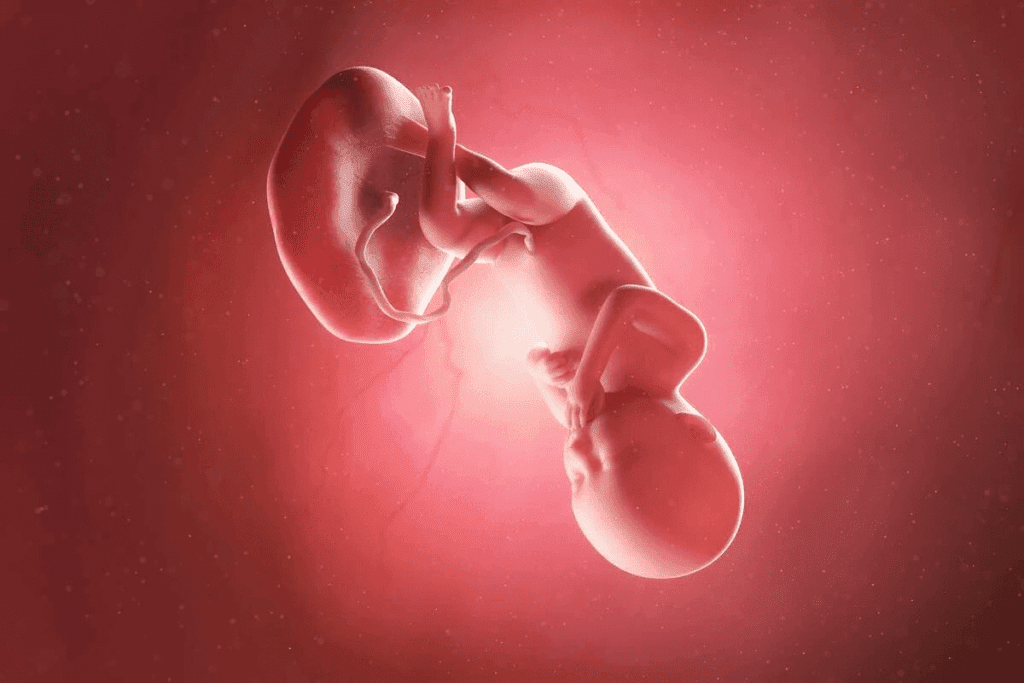
At 7 weeks, the embryo is tiny, about the size of a blueberry or chickpea. It’s only one-quarter to one-half inch long and weighs less than one gram. Your baby is growing fast, with lots of changes happening.An answer to what does a 7 week fetus look like as it develops rapidly this week. Discover the what does a 7 week fetus look like stage.
Now, major organs and body systems start to form. You can see the gestational sac and yolk sac on an ultrasound. The fetal pole, which will become your baby, is also visible. Knowing about your baby’s size and growth at this time helps us care for you better.
Key Takeaways
- The embryo measures approximately one-quarter to one-half inch in length.
- Major organs and body systems begin to form at 7 weeks.
- The gestational sac and yolk sac are visible on ultrasound.
- The fetal pole can be detected, marking the early stages of fetal development.
- Understanding fetal development at 7 weeks provides valuable insights into the pregnancy.
The 7-Week Milestone in Pregnancy Development

The seventh week of pregnancy is a key time for the fetus’s growth. At this point, the embryo starts to become a fetus. It reaches important milestones in its development.
From Embryo to Fetus: The Transition Period
By week 7, the embryo looks more like a fetus. It has a tail-like structure and a clear head. This is a time of fast growth and development, setting the stage for the fetus’s future growth.
Where Week 7 Falls in the First Trimester
Week 7 is in the first trimester, a time of fast fetal development. Knowing the pregnancy timeline helps moms-to-be get ready for the changes they’ll see.
Key Developmental Events at This Stage
At 7 weeks, many important things are happening. The baby’s heart beats at 100-180 BPM, and the brain is growing fast. The arm and leg buds are starting to form, showing the early stages of limb growth.
These milestones show a healthy pregnancy. As the embryo grows, these early signs will develop into more complex parts. They help form a fully developed fetus.
Size and Measurements of a 7 Week Fetus
Learning about a 7-week fetus’s size is exciting for parents-to-be. It shows how far along the baby is in growth. At this time, the embryo is about one-quarter to one-half inch long and weighs less than one gram.
Length and Weight Statistics
A 7-week fetus is usually 0.25 to 0.5 inches (6 to 13 mm) long. It weighs less than 1 gram. These numbers are key to checking the baby’s growth.
Size Comparisons to Everyday Objects
Comparing a 7-week fetus to common items helps parents understand its size. It’s about the size of a blueberry or chickpea. These comparisons make it easier to picture the fetus’s size.
Growth Rate from Previous Weeks
The fetus grows a lot from week to week. By week 7, it has doubled in size from the week before. This fast growth shows the fetus is developing well.
What Does a 7 Week Fetus Look Like?
At 7 weeks, the fetus’s features start to show more clearly. It has grown a lot and is changing fast.
Physical Appearance Overview
The 7-week fetus is about 8-10 mm long and weighs 0.8 grams. It has a clear head and a tail-like part, common at this time.
Head and Facial Development
The face is over the heart, and eyelids are forming. The head is more defined, and facial features are starting to appear, but they’re not fully formed yet.
Body Structure and Proportions
The body is taking shape, with arms and legs becoming more visible. The head is bigger compared to the rest of the body, showing the body’s early stages.
The Tail-Like Structure
The tail-like structure, or fetal pole, is a key feature at this stage. It’s a leftover from earlier development and will go away as the fetus grows.
Knowing what a 7-week fetus looks like helps us understand its growth. As it grows, its features will get more detailed, and its body will become more complex.
Vital Organ Development at 7 Weeks
At 7 weeks, the fetus sees big steps in vital organ growth. This sets the stage for more growth. The major organs start to get ready to work well after birth.
Heart Formation and Heartbeat
The heart starts early and is key to the fetus’s health. By 7 weeks, it divides into four chambers and beats fast. This fast heartbeat shows a healthy pregnancy.
Heartbeat Detection: Ultrasound can pick up the heartbeat. This gives parents a big relief.
Brain and Nervous System Progress
The brain and nervous system grow fast at 7 weeks. The neural tube, which will become the brain and spinal cord, starts to close. This is important for controlling the fetus’s movements and functions.
Digestive System Beginnings
The digestive system starts forming at 7 weeks. The mouth, esophagus, stomach, and intestines begin to develop. Though they’re not working yet, their growth is key for digesting food later.
Organ/System | Developmental Stage at 7 Weeks |
Heart | Divided into four chambers, beating at 100-180 BPM |
Brain and Nervous System | Neural tube closing, foundation for CNS established |
Digestive System | Formation of mouth, esophagus, stomach, and intestines |
Liver and Kidneys | Initial formation, playing vital roles in metabolism and waste removal |
Liver and Kidney Development
The liver and kidneys start growing at 7 weeks. The liver makes blood cells, and the kidneys form. They will play big roles in metabolism and waste removal later.
Learning about vital organ growth at 7 weeks is very important. It shows how the fetus is doing. The heart, brain, digestive system, liver, and kidneys are all growing well. This is good for a healthy pregnancy.
Limb and Structural Development
As the fetus grows, we see big changes in limb and structure. At 7 weeks, limbs start to form in a big way. This is key for the fetus’s growth and future movement.
Arm and Leg Bud Formation
The arm and leg buds are starting to take shape. Arm buds look like paddles now. This is a big step towards fully formed limbs.
Early Finger and Toe Development
Finger and toe development is just beginning. These early stages are important for the final shape of fingers and toes.
Joint Formation in Elbows and Knees
Joints in elbows and knees are starting to form. This will allow for movement later. It’s a big step for the fetus’s future mobility.
Developmental Stage | Arm Buds | Leg Buds |
Initial Formation | Buds start to form | Buds begin to appear |
Shape Development | Take the shape of paddles | Start to elongate |
Advanced Development | Early finger formation | Early toe formation |
Learning about limb and structure development helps us understand the fetus’s growth. As we watch the fetus grow, we see the amazing work of its development.
Visualizing a 7 Week Fetus Through Ultrasound
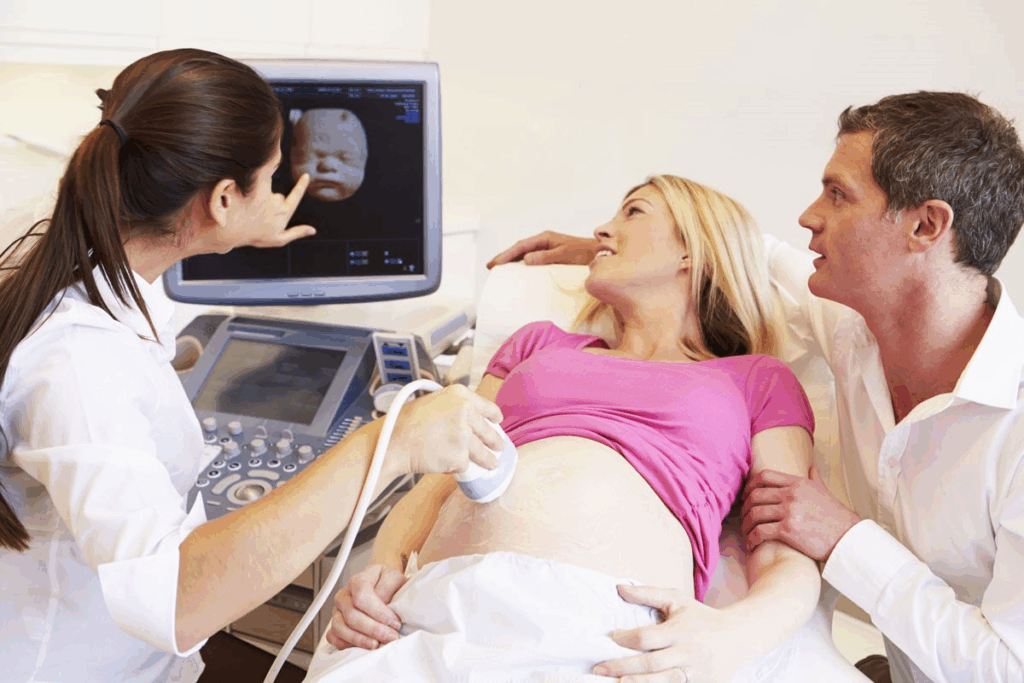
At seven weeks, an ultrasound gives us a peek into the fetus’s growth. It’s a key time to check on the baby’s health and size.
What’s Visible on a 7-Week Ultrasound
By 7 weeks, an ultrasound can show us important details. We can see the gestational sac and yolk sac. These tell us a lot about the baby’s development.
Gestational Sac and Yolk Sac Appearance
The gestational sac is a fluid-filled area around the embryo. The yolk sac gives the fetus nutrients. On an ultrasound, they look like round shapes.
Detecting the Fetal Pole
The fetal pole is the first sign of the embryo. It’s usually seen on an ultrasound at 7 weeks. It shows the baby is growing well.
Transvaginal vs. Abdominal Ultrasound at 7 Weeks
At 7 weeks, you can have a transvaginal or abdominal ultrasound. Transvaginal ultrasounds give a closer look but are more invasive. Abdominal ultrasounds are non-invasive and more comfortable for some.
Ultrasound Type | Advantages | Disadvantages |
Transvaginal | Detailed view, earlier detection | Invasive, may cause discomfort |
Abdominal | Non-invasive, comfortable | May not detect details as early |
Knowing the differences between these ultrasounds helps moms prepare for their scan. It tells them what to expect.
Heartbeat Detection and Significance
Detecting the heartbeat at 7 weeks is a key moment in pregnancy. It gives insights into how well the fetus is doing. The heartbeat is fast, beating between 100 and 180 times per minute. This is much faster than an adult’s heart rate.
Normal Heart Rate Ranges
A 7-week fetus’s heart rate should be between 100-180 BPM. This fast rate shows the fetus is healthy and growing well. Monitoring the heart rate is important for the fetus’s health.
Methods of Heartbeat Detection
There are a few ways to find the fetal heartbeat at 7 weeks. Transvaginal and abdominal ultrasounds are used. Transvaginal ultrasounds are more accurate because they are closer to the embryo. Finding the heartbeat through these methods reassures about the fetus’s health.
What a Heartbeat Indicates About Viability
A heartbeat means the fetus is likely to be healthy. It shows the fetus is growing as it should. Fetal viability is something doctors watch closely in early pregnancy.
Knowing about the heartbeat and its detection helps mothers feel closer to their baby. It also keeps them informed about their pregnancy. Regular check-ups with doctors are key for a healthy pregnancy.
Common Pregnancy Symptoms at 7 Weeks
The seventh week of pregnancy is a time of big changes. Women may feel many physical and emotional changes as their body adjusts to the growing fetus.
Physical Symptoms to Expect
At 7 weeks pregnant, women often feel breast tenderness, fatigue, and frequent urination. Hormonal changes, like more progesterone, cause these symptoms. Progesterone makes you tired, and the growing uterus puts pressure on your bladder.
Morning Sickness and Nausea Patterns
Morning sickness is a common symptom, even though it can happen at any time. Hormonal changes, like hCG and estrogen, are thought to cause it. Morning sickness can be uncomfortable but there are ways to feel better.
Eating small meals, avoiding strong smells, and drinking plenty of water can help. These tips might ease your symptoms.
Discharge Changes and What’s Normal
At 7 weeks, women may notice changes in vaginal discharge. This discharge is usually thin, milky, and odorless. It’s a sign that your body is working right during pregnancy.
If your discharge is itchy, smells bad, or is a different color, see a doctor. This could mean something’s not right.
Emotional Changes During This Period
Emotional changes are common at 7 weeks. Hormonal shifts can make you feel more emotional or sensitive. It’s normal to feel overwhelmed or anxious about the future.
Talking to others who are pregnant, joining support groups, or just sharing with a loved one can help. These connections can ease emotional ups and downs.
Potential Concerns and When to Contact a Doctor
At seven weeks pregnant, it’s important to know about possible concerns and when to see a doctor. You might feel different symptoms, some of which could worry you. We’ll help you understand what’s normal and what’s not.
Understanding Spotting at 7 Weeks
Spotting or light bleeding at seven weeks can be scary, but it happens a lot. Spotting at 7 weeks pregnant might be because of implantation or hormonal changes. But, watch how much you’re bleeding and for how long. If it’s heavy or you have bad pain, call your doctor right away.
Normal vs. Abnormal Symptoms
At 7 weeks, you might feel mild cramps and spotting. But, some symptoms need medical help. If you have severe abdominal pain, heavy bleeding, or fever, get help fast. Knowing the difference can help you feel better and get the right care.
Warning Signs to Watch For
Some signs during pregnancy are serious and shouldn’t be ignored. These include:
- Severe abdominal pain or cramping
- Heavy vaginal bleeding
- Fever above 100.4°F (38°C)
- Severe vomiting or dehydration
If you see any of these, call your healthcare provider.
Absence of Expected Symptoms
Some women worry if they don’t feel morning sickness. But, not feeling these symptoms doesn’t mean there’s a problem. Every pregnancy is different, and some women might not feel certain things. If you’re worried, talk to your healthcare provider.
Prenatal Care Recommendations at 7 Weeks
Prenatal care at 7 weeks is key for your baby’s growth. It helps keep you and your baby healthy throughout your pregnancy.
Important Nutritional Considerations
Eating a balanced diet is vital during this time. Key nutrients include folic acid, iron, calcium, and protein. These support your baby’s development. For example, folic acid helps prevent birth defects, and iron makes red blood cells.
- Folic Acid: Prevents birth defects of the brain and spine.
- Iron: Helps make red blood cells and prevent anemia.
- Calcium: Important for your baby’s bones, teeth, and muscles.
- Protein: Supports growth and development.
Supplements and Vitamins
Some supplements can also help your baby grow. Folic acid supplements are recommended to prevent birth defects. Always talk to your healthcare provider before taking any supplements.
Lifestyle Adjustments for Optimal Development
Healthy choices can greatly impact your pregnancy. Avoid harmful substances like alcohol, tobacco, and chemicals. Also, keep a healthy weight, drink plenty of water, and manage stress for a healthy pregnancy.
Preparing for Your First Prenatal Visit
Your first prenatal visit is a chance to talk about your health and your baby’s. Prepare a list of questions for your healthcare provider. Ask about what to expect, diet, and lifestyle changes.
- Know your prenatal visit schedule.
- Talk about any symptoms or concerns.
- Learn about the tests and screenings.
Conclusion
The 7-week fetus is growing fast. Major organs and body systems are forming. This is the start of a healthy pregnancy.
Learning about your 7 week fetus is very helpful. It helps you get ready for what’s coming. You can also make smart choices about your care.
It’s very important to take care of yourself during this time. Know the common symptoms of pregnancy. If you have any worries, see a doctor right away. This way, you can have a healthy pregnancy and a good outcome.
Stay up to date on how your fetus is growing and what symptoms you might see. Working with your doctor is key. This way, you can answer any questions and have a healthy pregnancy.
FAQ
What does a 7 week fetus look like?
At 7 weeks, the fetus is about the size of a blueberry or chickpea. It’s small, measuring one-quarter to one-half inch long. It has a clear head and a tail-like structure.
What are the major developmental milestones at 7 weeks?
At 7 weeks, the fetus’s major organs start to form. The heart beats fast, around 100-180 BPM. The brain grows quickly, and the arms and legs begin to form.
What is visible on a 7-week ultrasound?
On a 7-week ultrasound, you can see the gestational sac and yolk sac. The fetal pole is also visible. You can even hear the heartbeat, which shows the fetus is alive.
What are the common symptoms at 7 weeks pregnant?
Morning sickness and nausea are common at 7 weeks. You might also feel breast tenderness and need to pee a lot. Mood swings are due to hormonal changes.
What is a normal heart rate for a 7 week fetus?
A 7 week fetus’s heart rate should be between 100-180 BPM. This is a sign of a healthy pregnancy.
When should I contact a doctor during pregnancy?
Call your doctor if you have severe pain, heavy bleeding, or fever. Not feeling the usual symptoms can also be a worry.
What are the prenatal care recommendations at 7 weeks?
Eating well and taking folic acid supplements are key at 7 weeks. Avoiding harmful substances is also important for a healthy pregnancy.
Is spotting normal at 7 weeks pregnant?
Spotting can be normal at 7 weeks. But, knowing the difference between normal and abnormal symptoms is important for your health.
What lifestyle adjustments should I make during pregnancy?
Stay away from harmful substances and eat a balanced diet. Taking care of your health supports your baby’s growth.
How can I prepare for my first prenatal visit?
Get ready for your first prenatal visit by knowing what to expect. Ask questions and focus on eating well and staying healthy.
References
National Health Service (NHS). Fetal Development: Appearance at 7 Weeks Gestation. Retrieved from https://www.nhs.uk/pregnancy/your-pregnancy-week-by-week/week-7/