Last Updated on November 27, 2025 by Bilal Hasdemir

At Liv Hospital, we know how worried you might be about a bulging disc in the lower back. A bulging disc happens when the soft center of the disc pushes against its tough outer layer. This can press on nearby nerves.
We have a detailed guide to help you grasp this common spinal problem. It covers symptoms, how it’s diagnosed, and treatment choices. Our approach is based on solid evidence and focuses on you, the patient. We aim to support you fully in managing your condition.
Key Takeaways
- A bulging disc can be diagnosed using MRI scans or other imaging techniques.
- The condition occurs when the disc’s jelly-like center protrudes against its outer layer.
- Symptoms can vary, but often include nerve compression.
- Treatment options are available to address the condition.
- Liv Hospital provides comprehensive care and support for patients with bulging discs.
Understanding Bulging Discs in the Lower Back
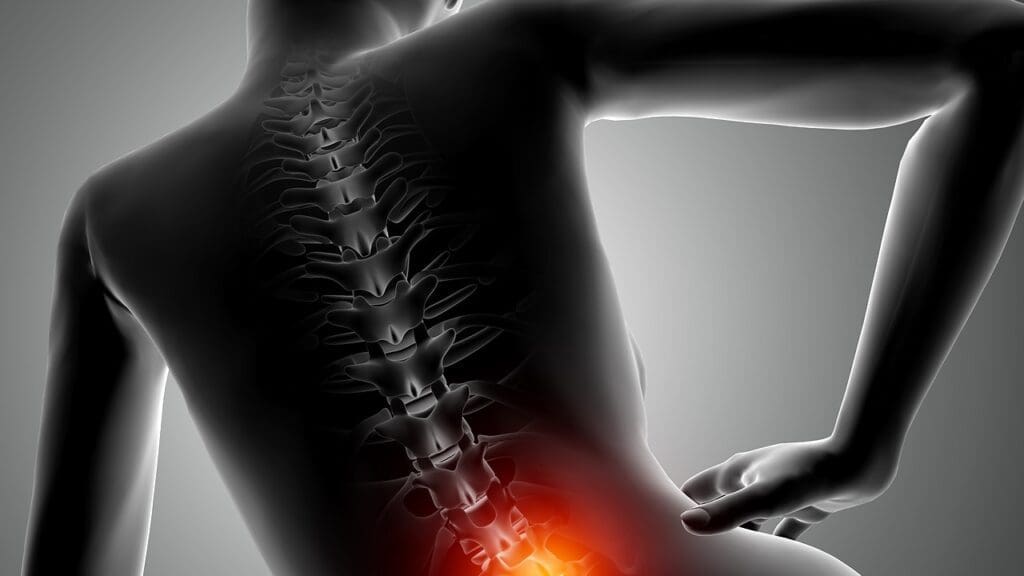
It’s important to know about bulging discs to treat lower back pain well. We’ll look at what they are, how they differ from herniated discs, and how common they are in the lower back.
What Is a Bulging Disc?
A bulging disc happens when the soft center of a spinal disc pushes out through a weak outer layer. But it stays inside the disc’s outer shell. This can press on nerves, causing pain and discomfort. Bulging discs often come from wear and tear on the spine.
How Bulging Discs Differ from Herniated Discs
Bulging and herniated discs both involve the disc bulging out. But, a bulging disc bulges more generally. A herniated disc is when the outer layer breaks, and the soft center leaks out. Knowing this difference helps in choosing the right treatment.
Prevalence in the Lumbar Region
The lumbar region is more likely to have bulging discs because it handles a lot of stress. Research shows most bulging discs are in the lower back. They often affect people who lift, bend, or twist a lot.
Understanding bulging discs helps us diagnose and treat them better. This can bring relief to those suffering from this condition.
Anatomy of the Spine and Disc Structure
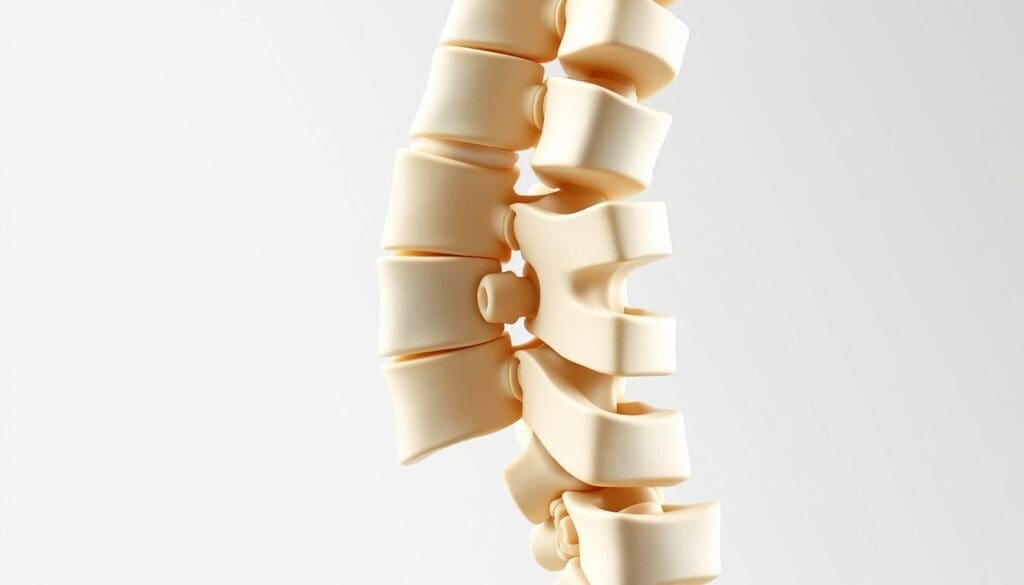
To understand a bulging disc, knowing the spine’s normal anatomy is key. The spine has 24 vertebrae stacked on each other. Soft tissue called spinal discs act as shock absorbers between them.
Normal Disc Anatomy
A normal spinal disc has a tough outer layer, the annulus fibrosus, and a soft center, the nucleus pulposus. This design helps absorb shock and keeps the spine flexible.
What Happens When a Disc Bulges
When a disc bulges, the outer layer weakens. This lets the soft center push out. This can press on nerves, causing pain and discomfort.
Affected Nerve Pathways
A bulging disc can also irritate nearby nerves. This can lead to pain, numbness, or weakness in the lower back and legs. Knowing how discs and nerves interact is vital for treatment.
| Component | Function | Impact of Bulging Disc |
|---|---|---|
| Vertebrae | Provides structural support | Potential instability |
| Spinal Disc | Acts as shock absorber | Compression or irritation of nerves |
| Nerve Pathways | Transmits signals | Pain, numbness, or weakness |
Bulging Disc in Lower Back Images: What Medical Professionals See
Doctors use special images to find out about bulging discs in the lower back. These images help them see how the disc looks and how it affects other parts nearby.
MRI Visualization of Disc Protrusion
MRI scans are great for seeing bulging discs because they show soft tissues well. A bulging disc looks like the soft center pushing out against the tough outer layer. This helps doctors understand how bad the bulge is and if it’s hurting nerves.
CT Scan Appearances
CT scans are better at showing bones around the disc. They might not show the disc as well as MRI, but they can spot bone changes or spurs. Sometimes, doctors use both MRI and CT scans together to get a full view.
Comparing Normal vs. Bulging Disc Images
Looking at images of normal and bulging discs shows the difference. Normal discs stay within their space, but bulging discs go beyond. The amount it bulges can vary, and images help doctors figure this out.
Degree of Protrusion Classification
Doctors classify bulging discs based on how much they stick out. This helps them know how serious the problem is and what treatment to use. They use these levels to talk about the patient’s condition and plan the best care.
Using these images, doctors can understand how a bulging disc affects the lower back. They can then create a treatment plan that fits the patient’s needs.
What Does a Bulging Disc Look Like on Different Imaging Tests?
Doctors use many imaging tests to find out if you have a bulging disc. Each test gives different information. The test you get can change how you’re treated.
Sagittal vs. Axial Views
Tests like MRI scans can be taken in different ways. Sagittal views show the spine from the side. They help see how the vertebrae line up. Axial views give a cross-section view. They help see how the disc affects nerves.
T1 vs. T2 Weighted MRI Images
MRI images can be set to show different things. T1-weighted images are great for seeing the body’s structure. T2-weighted images show changes in tissue, like swelling. This helps doctors see how bad a bulging disc is.
Myelogram Findings
A myelogram puts contrast material in the spinal canal. It helps see the spinal cord and nerve roots. This test shows how a bulging disc affects these areas.
X-ray Limitations for Disc Visualization
X-rays are good for checking bone alignment and finding fractures. But they can’t see soft tissues like discs well. So, X-rays aren’t the main test for bulging discs.
Can You See a Bulging Disc from the Outside?
Many people wonder if you can see a bulging disc from the outside. The truth is, a bulging disc is an internal problem that can’t be seen with the naked eye.
External vs. Internal Manifestations
There’s a big difference between what you can see and what you can’t. Even though you can’t see the disc itself, you might notice symptoms. For example, someone might feel pain that hints at a bulging disc.
Why Spinal Bulges Are Not Visible Externally
Spinal bulges, like bulging discs, are hidden because they’re inside the spinal column. The spine is covered by muscles and bones. This makes bulging discs invisible from the outside.
Postural Changes That May Indicate a Bulging Disc
Even though you can’t see a bulging disc, changes in how someone stands might suggest it. People with a bulging disc might lean to one side or avoid certain movements to ease their pain.
Differentiating Between Muscle Bulge and Disc Bulge
It’s important to tell the difference between a muscle bulge and a disc bulge. This helps doctors find the right treatment. A bulge in the lower back can be from muscle strain or a spinal disc problem.
Protruding Muscle in Back: Causes and Appearance
A protruding muscle in back happens from muscle injury or strain. It’s often seen after too much physical activity. You might see a swelling or lump under the skin.
Bulging Back Muscle vs. Spinal Disc Issues
A bulging back muscle and a disc bulge look similar but have different causes. Muscle bulges come from muscle strain. Disc bulges, on the other hand, affect the spinal discs and can cause nerve pain and discomfort.
| Characteristics | Muscle Bulge | Disc Bulge |
|---|---|---|
| Cause | Muscle strain or injury | Spinal disc issue |
| Symptoms | Pain, swelling | Nerve pain, numbness |
When a Lower Back Bulge Indicates Muscle Injury
A muscle injury can make the lower back bulge. You might feel pain and have trouble moving. It’s key to get checked by a doctor to know how to treat it.
Doctors say it’s vital to know the difference between muscle and disc bulges for the right treatment.
Common Symptoms of a Bulging Disc
A bulging disc can cause a variety of symptoms. These range from localized pain to widespread nerve-related issues. We will explore these symptoms in detail to help you understand what to look out for.
Localized Pain Patterns
Localized pain is a common symptom of a bulging disc. This pain usually occurs in the lower back. It can feel like a dull ache or a sharp, stabbing sensation.
The pain may get worse with certain movements, like bending or lifting. It may also improve with rest.
Nerve-Related Symptoms
When a bulging disc compresses or irritates nearby nerves, it can cause nerve-related symptoms. These symptoms include numbness, tingling, or weakness in the legs.
In some cases, the pain can radiate down to the feet. This can make it difficult to walk or stand for long periods.
Mobility Issues and Limitations
A bulging disc can also lead to mobility issues. The pain and discomfort can limit your ability to move freely. You may find it challenging to perform everyday activities, such as bending, lifting, or even sitting for extended periods.
When Symptoms Indicate Emergency Care
In rare cases, a bulging disc can cause severe symptoms that require immediate medical attention. If you experience sudden, severe pain, or if you have difficulty controlling your bladder or bowels, seek emergency care immediately.
| Symptom | Description |
|---|---|
| Localized Pain | Pain in the lower back that can range from dull to sharp |
| Numbness/Tingling | Numbness or tingling sensations in the legs or feet |
| Weakness | Muscle weakness in the legs, making it hard to walk or stand |
| Mobility Issues | Difficulty performing daily activities due to pain or discomfort |
What Causes a Bulging Disc in the Lower Back?
Many things can lead to a bulging disc in the lower back. These include getting older, injuries, and genetics. Knowing what causes it helps in preventing and managing it.
Age-Related Degeneration: Latest Research
Getting older is a big reason for bulging discs. As we age, our spinal discs lose moisture and get less flexible. This makes them more likely to bulge. Studies show that these changes start early and get worse with age. So, it’s key to take steps to prevent it.
Trauma and Injury Mechanisms
Getting hurt, like from a fall or car crash, can also cause bulging discs. The sudden force can harm the disc, making it bulge.
Lifestyle and Occupational Risk Factors
How we live and work can also raise the risk. Activities like heavy lifting, bending, and sitting for long times can harm the discs. Jobs that involve a lot of manual labor or twisting and bending are riskier.
Genetic Predispositions
Genetics can also play a part. If your family has a history of spinal problems, you might be more likely to have disc issues.
Key Risk Factors:
- Age-related degeneration
- Traumatic injuries
- Lifestyle and occupational hazards
- Genetic predispositions
Understanding these causes helps us take steps to lower our risk. It also helps in managing symptoms better.
Diagnosing a Bulging Disc
To find out if you have a bulging disc, doctors use a few key steps. They do a physical examination, use imaging methods, and check your neurological assessment. This way, they make sure they get it right.
Physical Examination Techniques
A physical check-up is key for diagnosing a bulging disc. Doctors use different methods to see how you’re doing. They look for tenderness, check your movement, and see what makes your pain better or worse.
Imaging Methods and Their Accuracy
Imaging tests are very important for confirming a bulging disc diagnosis. Here are some common ones:
- MRI (Magnetic Resonance Imaging): Shows detailed pictures of soft tissues like discs and nerves.
- CT (Computed Tomography) scans: Gives clear views of the spine and can spot disc bulges.
- Myelogram: An X-ray after injecting contrast into the spinal canal to see nerve compression.
Neurological Assessment
Checking your nerves is vital to see if a bulging disc is causing problems. Doctors look at:
- Muscle strength and reflexes
- Sensory function (feeling and numbness)
- Nerve root irritation signs
When to Seek Medical Attention
If you have ongoing lower back pain, numbness, tingling, or weakness in your legs, see a doctor. Early treatment can really help if you have a bulging disc.
Treatment Options for Bulging Discs
There are many ways to treat a bulging disc. The right choice depends on how bad the condition is, the patient’s health, and what they prefer.
Conservative Approaches
First, doctors often try conservative methods. This includes physical therapy to make muscles stronger and more flexible. They also use pain management drugs and suggest healthy lifestyle changes like losing weight and standing up straight.
Medical Interventions
When these methods don’t work, doctors might use medical treatments. They might give steroid injections to cut down on swelling and pain. Sometimes, nerve blocks are used to target pain in specific areas.
Surgical Options
If nothing else helps, surgery might be needed. Surgical options like microdiskectomy can help by taking pressure off nerves and easing pain.
Liv Hospital’s Innovative Treatment Protocols
Liv Hospital leads in treating bulging discs with new methods. Their team creates personalized treatment plans for each patient. They use the latest research and care to support those getting treatment for bulging discs.
Conclusion: Living with and Managing a Bulging Disc
Managing a bulging disc needs a full plan. This includes getting the right diagnosis, treatment, and making lifestyle changes. We’ve looked at the different parts of bulging discs, like what causes them, their symptoms, and how to treat them.
When you have a bulging disc, you need to watch your posture and exercise regularly. Keeping a healthy weight also helps by reducing spine pressure. Knowing about your condition helps you take steps to feel better and live better.
Handling a bulging disc means using both non-medical and medical ways. Sometimes, surgery is needed. It’s key to work with doctors to create a plan that fits your needs and helps your spine stay healthy.
By taking a whole-body approach to managing a bulging disc, you can lessen pain, stay mobile, and feel better overall. Getting help from experts is vital for the best results for those dealing with this issue.
FAQ
What does a bulging disc in the lower back look like on an MRI scan?
A bulging disc shows up on an MRI as a disc that has gone beyond its normal space. It can press on or irritate nearby nerves. On T1 or T2 weighted images, it might look dark or bright, depending on the MRI type.
Can a bulging disc be seen from the outside?
No, you can’t see a bulging disc from outside. It’s an inside issue with the spinal discs. But, you might notice changes in how you stand or muscle tightness.
What is the difference between a bulging disc and a herniated disc?
A bulging disc means the disc goes beyond its normal space. A herniated disc is worse, where the disc breaks and spills its gel-like stuff. Both can hurt nearby nerves.
How is a bulging disc diagnosed?
To find a bulging disc, doctors use physical checks, MRI or CT scans, and nerve tests. These help see how bad the bulge is and if it’s hurting nerves.
What are the common symptoms of a bulging disc?
Signs of a bulging disc include pain in one spot, numbness or tingling, and trouble moving. If symptoms get worse fast, like sudden numbness or weakness in the legs, you need emergency care.
What causes a bulging disc in the lower back?
Lower back bulging discs can come from getting older, injuries, or bad habits like heavy lifting. Knowing why it happens helps find the right treatment.
How is a bulging disc treated?
Treatment for a bulging disc can be non-surgical, like physical therapy or pain meds. Sometimes, doctors might use steroid shots or surgery like discectomy or spinal fusion. The best choice depends on how bad it is and what the patient needs.
Can a muscle bulge be mistaken for a bulging disc?
Yes, a muscle bulge can look like a bulging disc because both can make the lower back look swollen. But, a muscle bulge is from muscle strain, not a spinal disc problem.
How can I manage a bulging disc?
Handling a bulging disc means making lifestyle changes, like staying healthy and exercising. Following treatment plans and seeing doctors for check-ups is also key. With the right care, you can manage your condition and live better.
References
- Medical News Today (Bulging Disk in Back) : https://www.medicalnewstoday.com/articles/bulging-disk-in-back
- Wikipedia (Disc herniation) : https://en.wikipedia.org/wiki/Disc_herniation