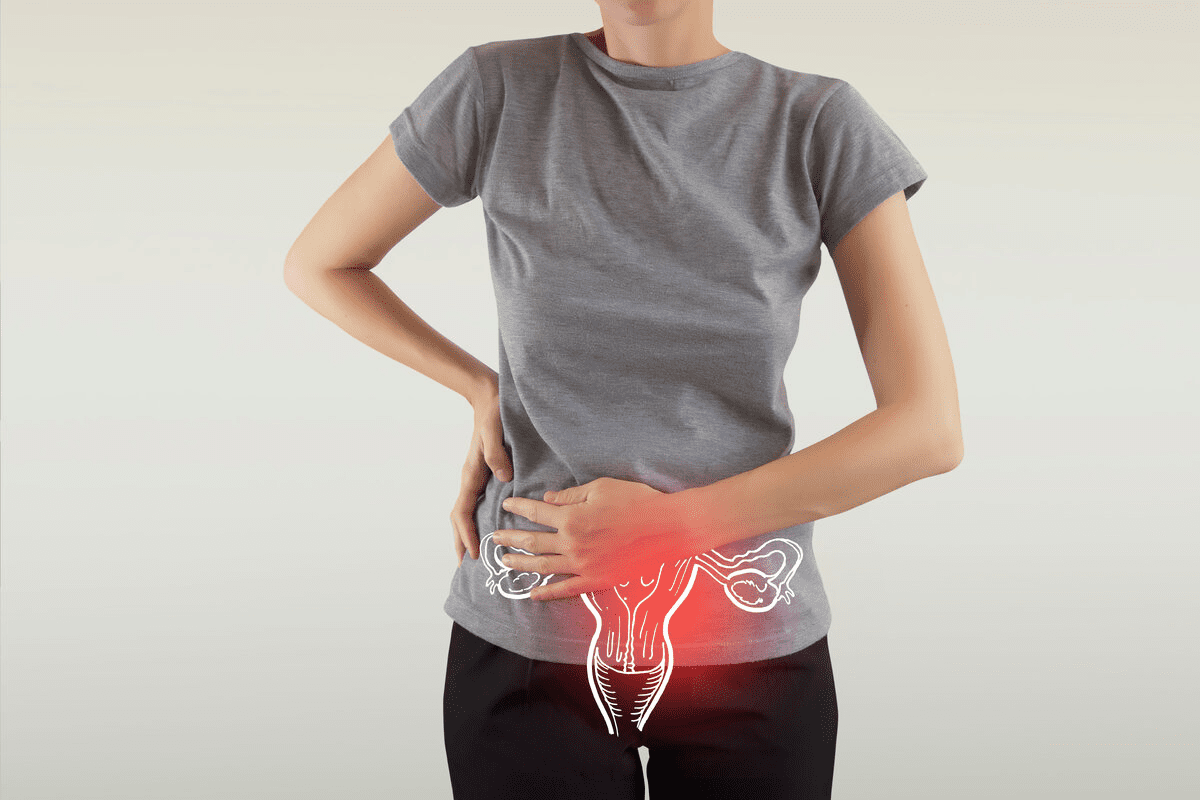
In early pregnancy, the cervix changes a lot. This is because of hormones and more blood flow. These small changes can be signs that you’re pregnant. Understanding cervical changes is key to spotting early pregnancy signs. What does a pregnant cervix feel like? This essential guide reveals the surprising, vital signs to check for in early pregnancy.
The cervix might soften, elevate, and change color as it gets ready for the baby. These changes help the body prepare for the growing fetus. At Liv Hospital, we stress the need to know about these changes early in pregnancy.
Key Takeaways
- Cervical changes can be an early sign of pregnancy.
- Hormonal fluctuations cause the cervix to soften and elevate.
- Increased blood flow may lead to changes in cervical color and texture.
- Understanding these changes can help women recognize early pregnancy signs.
- Professional medical guidance is essential for a healthy pregnancy.
Understanding the Cervix: Location and Function

The cervix is at the uterus’s lower end, connecting the uterus to the vagina. It’s a small, neck-like part that’s key to reproductive health. It affects both fertility and how well a pregnancy goes.
Anatomical Position of the Cervix
The cervix sticks out at the vaginal canal’s start. It controls what goes in and out of the uterus. It’s usually 2-3 centimeters long, but can vary between women.
“The cervix changes a lot during a woman’s cycle and when she’s pregnant,” says a top obstetrics book. These changes are important for reproductive health.
Normal Cervical Function in Reproductive Health
The cervix has several important jobs in reproductive health:
- It makes cervical mucus that changes to help or block sperm.
- It acts as a shield to keep the uterus safe from infections.
- It changes to get ready for pregnancy, getting softer and wider.
Knowing these roles helps us see how the cervix is vital for fertility and pregnancy. We’ll learn more about its importance for a healthy pregnancy.
The Non-Pregnant Cervix: Baseline Characteristics

Understanding the non-pregnant cervix is key to spotting early pregnancy changes. The cervix is a vital part of the female body. It has specific traits when a woman is not expecting.
Typical Texture and Firmness
The non-pregnant cervix feels firm, like the tip of your nose. This firmness comes from its dense tissue. It’s usually smooth and a bit rubbery. Expect it to be closed and firm, its usual state outside of pregnancy.
Firmness Comparison: The non-pregnant cervix is as firm as the nose tip. But, during pregnancy, it softens to feel like lips.
Normal Position and Appearance
In its non-pregnant state, the cervix sits low in the vaginal canal. Its shape varies among women but is often small and cone-shaped. It’s usually a pale pink color, matching the vaginal mucosa.
Characteristic | Non-Pregnant State |
Texture and Firmness | Firm, similar to the tip of the nose |
Position | Low in the vaginal canal |
Appearance | Small, cylindrical or cone-shaped, pale pink |
It’s important to remember that the non-pregnant cervix can vary among individuals. But, big changes might need a doctor’s check-up.
Hormonal Influences on Cervical Changes During Pregnancy
Hormonal changes are a big part of pregnancy. They affect the cervix’s texture and function. Two main hormones, estrogen and progesterone, are key in getting the cervix ready for childbirth.
Role of Estrogen in Cervical Softening
Estrogen levels go up during pregnancy. It helps with many changes in the body. One important job is making the cervix softer, which is needed for a smooth delivery.
Estrogen makes the cervix more blood-rich. This makes it softer and more flexible for labor.
The effects of estrogen on the cervix are:
- Increased cervical vascularity
- Softening of cervical tissue
- Enhanced cervical pliability
How Progesterone Affects Cervical Tissue
Progesterone is also important in pregnancy. It keeps the uterus calm and helps the embryo grow. It also helps create the mucous plug, which protects the uterus from infections.
Progesterone’s effects on the cervix include:
- Supporting the formation of the mucous plug
- Maintaining cervical closure
- Regulating cervical mucus production
As pregnancy goes on, estrogen and progesterone work together. They prepare the cervix for the changes that happen during labor. Knowing how these hormones work helps us understand how a healthy pregnancy is supported.
What Does a Pregnant Cervix Feel Like?
One of the first big changes in pregnancy is in the cervix. It gets softer and more flexible. This is a key part of getting ready for childbirth. Let’s look at how the cervix changes in early pregnancy and why it matters.
The Transition from Firm to Soft Texture
Before pregnancy, the cervix is firm, like the tip of your nose. But as pregnancy goes on, it softens, becoming like your lips. This change is not just about feeling different. It’s a big adjustment that helps the cervix open up for childbirth.
The “Goodell Sign” Explained
The cervix softening is called the Goodell sign. It’s named after the doctor who first noticed it. This sign shows that a woman is pregnant. It happens because of more blood flow and hormones, like progesterone, making the cervix soft.
Comparing to Familiar Textures
It’s easier to understand the cervix change by comparing it to things we know. Before pregnancy, it’s firm, like your nose. But during pregnancy, it gets softer, like your lips. This helps women feel the changes happening in their bodies.
Knowing about these changes helps expectant mothers understand their bodies better. As we keep learning about pregnancy, seeing these changes can give women peace of mind and insight into what’s happening.
Timeline of Cervical Changes in Early Pregnancy
Knowing about cervical changes in early pregnancy is key for expectant moms. These changes show if the pregnancy is going well.
First 4 Weeks After Conception
In the first four weeks, the cervix starts to change. The cervix softens due to hormonal changes. This is to get ready for the growing baby and delivery.
The cervix may also get more blood flow. This can make it look bluish or purplish, known as the “Chadwick sign.” But, you might not see this until 6-8 weeks.
Changes Between Weeks 4-8
Between weeks 4-8, the cervix changes more. The “Goodell sign” shows the cervix is getting softer. This is a sign it’s getting ready for pregnancy.
The cervix also makes more mucus. This forms a plug that protects the baby. It keeps the baby safe from infections.
Later Pregnancy Cervical Development
After the first trimester, the cervix keeps changing. It stays soft and has the mucous plug until later. The cervix starts to thin out and open for labor. But this happens closer to delivery time.
“The cervix is a remarkable structure that undergoes incredible transformations throughout pregnancy, each step carefully preparing the body for the arrival of the baby.”
Understanding these changes helps moms see the amazing work their bodies do during pregnancy. Remember, every pregnancy is different. The timeline of cervical changes can vary from woman to woman.
Visual Changes to the Cervix During Pregnancy
The cervix changes a lot during pregnancy. These changes help doctors keep an eye on the health of both mom and baby.
The “Chadwick Sign”: Bluish or Purplish Hue
The Chadwick sign is one of the first signs of pregnancy. It shows as a bluish or purplish color on the cervix. This color comes from more blood flowing to the area.
This change happens because of hormones, like estrogen. More blood means the cervix is ready for the baby and for labor.
Changes in Size and Shape
The cervix also changes in size and shape. It gets softer and more compressible because of hormones.
- The cervix looks more congested because of more blood flow.
- It feels softer, like lips, not like the tip of the nose.
- Its size and shape can differ, but it stays closed early on.
These changes are important signs of pregnancy. Doctors watch them closely during check-ups. They help moms understand what’s happening in their bodies.
Cervical Position Changes Throughout Pregnancy
During pregnancy, the cervix changes in texture and position. These changes are key for a healthy pregnancy.
Cervical Elevation in Early Pregnancy
In early pregnancy, the cervix moves up in the vagina. This is part of getting ready for pregnancy. The cervix, which is usually lower, starts to rise.
This rise is due to progesterone levels increasing. This hormone relaxes the uterine muscles and makes the cervix move up.
As the cervix moves up, it becomes harder to feel during self-exams. This change might be small and not everyone notices it. But, it shows the body is adapting to pregnancy.
Continued Cervical Position Changes
As pregnancy goes on, the cervix keeps changing its position. It starts high but stays closed and firm to support the growing baby. These changes help the body get ready for delivery.
It’s important to know that these changes can be different for everyone. Hormones and body shape can affect how and when the cervix changes.
Understanding how the cervix changes during pregnancy helps us see how the body prepares for childbirth. These changes are important but just one part of the many things that happen during pregnancy.
Cervical Discharge During Early Pregnancy
Early pregnancy brings changes in cervical discharge, key for reproductive health. This discharge is natural but changes a lot during pregnancy.
Formation of the Mucous Plug
A big change is the mucous plug, a thick, gel-like substance. It blocks the cervical canal. This plug protects the uterus from infections and keeps the environment healthy for the fetus.
The mucous plug forms because of more cervical mucus. Hormonal changes, like higher progesterone levels, cause this. The mucus is thicker and more, sealing the cervix well.
Changes in Consistency and Amount
As pregnancy goes on, discharge changes. Some women see more discharge, which can be clear, white, or off-white. It can be thin and watery or thick and sticky.
Hormonal changes and more blood flow to the cervix cause these changes. It’s important to know these are usually normal. But, any worries should be talked over with a healthcare provider.
Protective Function of Cervical Mucus
The cervical mucus, including the mucous plug, has a protective function. It:
- Blocks bacteria and other pathogens from entering the uterus
- Keeps the uterine environment clean and good for fetal growth
- Helps the cervix stay closed until labor
Knowing about these changes helps women feel more connected to their bodies. It prepares them for the pregnancy journey.
How to Check Your Cervix: A Guide for Self-Examination
Checking your cervix can give you insights into your cervical health. It might even show early signs of pregnancy. This self-check can be a great way to understand your reproductive health.
Proper Hygiene and Technique
First, make sure to keep clean to avoid infections. Wash your hands well before you start. The best time is during your menstrual cycle, but not during your period.
There are two ways to check your cervix: squatting or sitting with your legs apart. You can also use a mirror. Gently put one or two fingers in your vagina to find the cervix. Use a lubricant if you’re not comfortable.
Step-by-Step Guide:
- Choose a comfortable position.
- Wash your hands.
- Gently insert your finger(s) into the vagina.
- Feel for the cervix.
- Note the texture, position, and any other characteristics.
What to Look For and Feel
When checking your cervix, look at its texture, position, and opening. A non-pregnant cervix is firm, like your nose tip. A pregnant cervix is softer, like your lips. The position can change based on your body’s state.
Characteristic | Non-Pregnant | Pregnant |
Texture | Firm (like nose) | Soft (like lips) |
Position | Variable | Often higher |
Opening | Closed | Closed, but may be slightly softer |
When to Avoid Cervical Checks
Self-examination is useful, but there are times to avoid it. If you have vaginal bleeding, cervical issues, or risk of preterm labor, talk to your doctor first.
Understanding your cervix through self-examination is empowering. But, always get professional advice to keep your health in check.
Reliability of Cervical Changes as Pregnancy Indicators
Cervical changes are often seen as a sign of pregnancy. But how reliable are they? Some women notice changes early on, but these changes alone don’t confirm pregnancy.
Comparison to Other Early Pregnancy Signs
There are many early signs of pregnancy, not just cervical changes. These include missed periods, nausea, fatigue, and tender breasts. It’s key to look at all these signs together, not just one. For example, a woman might feel her cervix soften, but without morning sickness or smell sensitivity, she might not think she’s pregnant.
Looking at cervical changes with other signs helps understand if you’re pregnant. Every woman’s body is different, and symptoms can vary a lot. Some might see big changes, while others might not notice anything.
Individual Variations in Cervical Changes
Every pregnancy is unique, and so are cervical changes. Health, past pregnancies, and hormones can affect these changes. This means cervical changes alone can’t be trusted as a pregnancy sign.
Some women see big changes early on, while others don’t notice anything. This shows why looking at all signs is important, not just cervical changes.
When to Take a Pregnancy Test
If you’re noticing cervical changes and other symptoms, it’s time to test. Home pregnancy tests are usually accurate if used right and at the right time. It’s best to test after missing a period or one to two weeks after ovulation.
Cervical changes are interesting in early pregnancy, but they shouldn’t be the only sign. Looking at cervical changes with other symptoms and a test will give a clearer picture of pregnancy.
When to Consult a Healthcare Provider About Cervical Changes
Cervical changes in pregnancy can be normal. But, some signs mean you need to see a doctor. It’s important to know when to talk to a healthcare provider about these changes.
Warning Signs That Require Medical Attention
Some cervical changes are normal in pregnancy. But, there are signs that mean you should see a doctor. These include:
- Severe or persistent pain: Cramping or pain in the lower abdomen or back that doesn’t subside.
- Abnormal bleeding: Heavy bleeding, bleeding that lasts for more than a few days, or bleeding accompanied by pain.
- Unusual discharge: A sudden increase or change in cervical mucus, specially if it’s accompanied by a strong odor or other symptoms like itching or irritation.
- Prolonged or severe contractions: Contractions that are intense, frequent, or persistent.
Distinguishing Normal Changes from Concerning Symptoms
It can be hard to tell if cervical changes are normal or need medical help. If your symptoms are severe, last a long time, or come with other worrying signs, see your doctor.
Consider these factors:
- The intensity of your symptoms: Are they mild and manageable, or severe and debilitating?
- The duration of your symptoms: Are they temporary or persistent?
- The presence of other symptoms: Are your cervical changes accompanied by other signs like fever, chills, or strong odors?
If you’re unsure, it’s better to be safe and talk to your healthcare provider. They can check your symptoms, give advice, and make sure you’re getting the right care for a healthy pregnancy.
Conclusion: Understanding Your Body During Pregnancy
Understanding cervical changes during pregnancy is key. We’ve seen how the cervix changes a lot. These changes help support a healthy pregnancy.
Knowing about these changes helps women understand their body better. It also lets them spot any issues early. This way, they can get help when needed.
We talked about normal pregnancy changes. Like the cervix getting softer and the mucous plug forming. These signs show the body is getting ready for childbirth.
In short, knowing about pregnancy and cervical changes is vital for women’s health. We suggest women stay informed. And if they have concerns, they should talk to their healthcare provider.
FAQ
What does a pregnant cervix feel like in early pregnancy?
In early pregnancy, the cervix gets softer and more vascular. It feels different, like lips, not the firm tip of the nose.
What are the early signs of cervical changes during pregnancy?
Early signs include a softer cervix, known as the Goodell sign. There’s also a bluish discoloration, called the Chadwick sign. These changes happen due to more blood flow and hormones.
How does the cervix change throughout the menstrual cycle?
The cervix changes with hormone levels. It’s lower and firmer during your period. It rises and softens as ovulation nears. Then, it gets firm again after ovulation.
What is the role of estrogen and progesterone in cervical changes during pregnancy?
Estrogen makes the cervix softer. Progesterone supports the embryo’s growth and changes cervical mucus.
How can I check my cervix for pregnancy?
To check your cervix, wash your hands first. Gently put a finger in your vagina until you find the cervix. It’s at the vaginal canal’s end. Notice its texture, position, and any discharge.
Are cervical changes reliable indicators of pregnancy?
Cervical changes hint at pregnancy but aren’t always sure. It’s best to look at them with other early signs and symptoms.
When should I consult a healthcare provider about cervical changes?
See a healthcare provider for unusual or concerning symptoms. This includes heavy bleeding, severe pain, or unsure changes.
What is the mucous plug, and what is its function?
The mucous plug is a thick barrier in the cervix during pregnancy. It protects the uterus from infection. Its release can signal labor is near.
How does the position of the cervix change during pregnancy?
Early in pregnancy, the cervix elevates. As pregnancy goes on, it stays closed and firm. It starts to open and thin out for labor.
What are the visual changes to the cervix during pregnancy?
Visual changes include the Chadwick sign, a bluish or purplish hue. There can also be size and shape changes as pregnancy advances.
References
National Center for Biotechnology Information. Cervical Changes as Early Pregnancy Signs: A Guide. Retrieved from https://www.ncbi.nlm.nih.gov/pmc/articles/PMC6282836/