Last Updated on November 26, 2025 by Bilal Hasdemir
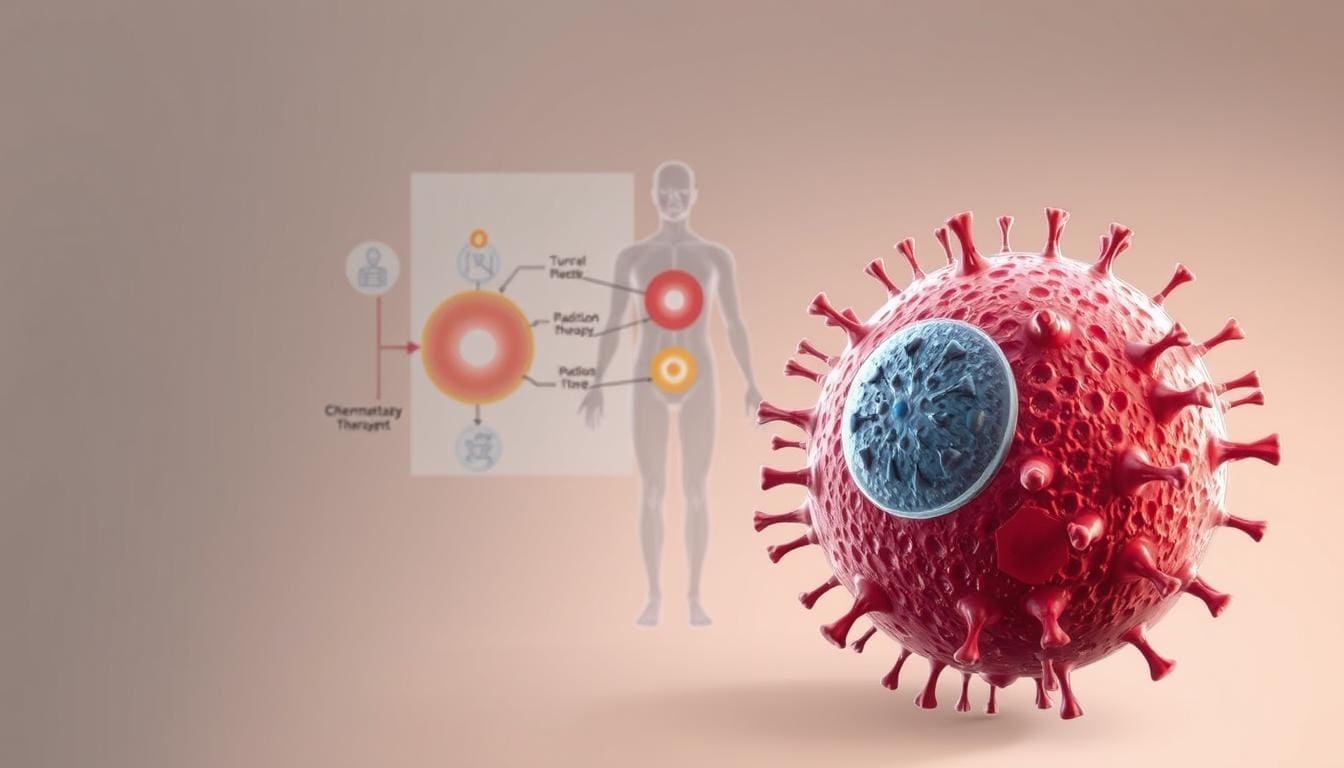
For patients with cancer, knowing all treatment options is key. At Liv Hospital, we focus on safe, modern, and patient-centered care. We aim to explain the role of adjuvant therapy in cancer treatment. It’s vital for better patient outcomes globally.
Adjuvant therapy is extra treatment after the main treatment, like surgery. It aims to get rid of any cancer cells left behind. This way, it lowers the chance of cancer coming back. Studies prove that adjuvant therapy boosts survival rates and cuts down on cancer coming back in many types of cancer.
Key Takeaways
- Adjuvant therapy is a key part of cancer treatment.
- It’s given after the main treatment to kill any cancer cells left.
- The goal is to lower the risk of cancer coming back.
- Adjuvant therapy has been shown to improve survival rates.
- It’s a vital part of complete cancer care.
Understanding the Concept of Adjuvant Therapy
Adjuvant therapy is a treatment given after the main treatment to lower cancer risk. It’s key in fighting many cancers, as the main treatment might not get rid of all cancer cells.
The Adjuvant Setting in Cancer Care
The adjuvant setting is after the main treatment, where adjuvant therapy is used. It targets cancer cells that tests can’t find but could cause a relapse. Adjuvant therapy aims to get rid of these tiny cancer cells, cutting down cancer return risk.
Targeting Microscopic Disease
Research shows adjuvant therapy boosts survival by fighting microscopic disease. It’s based on the idea that even after main treatment, tiny cancer cells might stay. These cells can cause cancer to come back if not treated. Adjuvant therapy attacks these cells, helping prevent cancer from returning and improving survival chances.
Adjuvant treatment’s benefits in cancer care are clear. It not only lowers recurrence risk but also boosts survival rates. This makes it a critical part of cancer treatment plans.
How to Define Adjuvant Treatment in Oncology
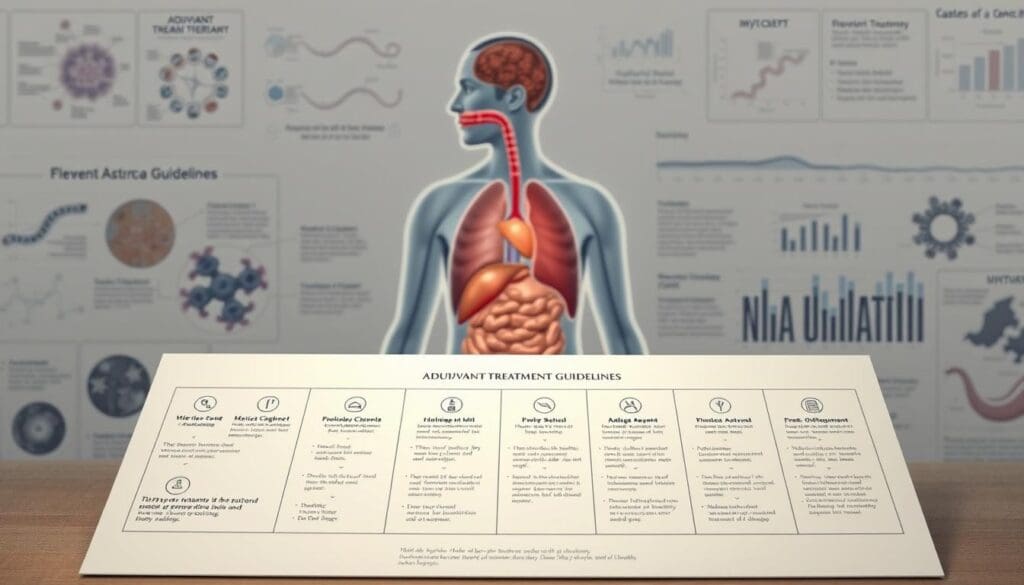
It’s key for patients and doctors to know about adjuvant treatment. It’s a big part of fighting cancer. We say adjuvant treatment is extra therapy after the first treatment to stop cancer from coming back.
Adjuvant treatment is very important in fighting cancer. It aims to get rid of any cancer cells left after the first treatment. This is because even after successful treatment, tiny cancer cells might stay and cause cancer to come back.
The Clinical Definition
The clinical definition of adjuvant treatment is very important. Adjuvant therapy is special because it targets tiny cancer cells that tests can’t find. It’s designed to lower the chance of cancer coming back.
In oncology treatment, adjuvant therapy is given to patients after surgery. It helps make sure all cancer cells are gone, which lowers the chance of cancer coming back.
Distinguishing from Neoadjuvant and Palliative Treatments
It’s important to know the difference between adjuvant, neoadjuvant, and palliative treatments. Neoadjuvant therapy is given before the main treatment to make tumors smaller. Palliative care is about easing symptoms and improving life for those with advanced cancer.
- Adjuvant treatment is given after primary treatment to reduce recurrence risk.
- Neoadjuvant treatment is given before primary treatment to shrink tumors.
- Palliative care focuses on symptom relief and quality of life.
Knowing these differences helps make better adjuvant treatment guidelines for cancer patients.
The Primary Goals of Adjuvant Therapy
Understanding adjuvant therapy’s main goals is key to seeing its value in fighting cancer. It’s a vital part of cancer treatment, aiming to achieve specific goals that greatly improve patient outcomes.
The main goals of adjuvant therapy are to boost the effectiveness of the first treatment, like surgery or chemotherapy.
Preventing Cancer Recurrence
One main goal is to prevent cancer from coming back. Adjuvant therapy kills any cancer cells left after the first treatment. This is very important for cancers with a high chance of coming back.
Eliminating Micrometastases
Another key goal is to get rid of micrometastases. These are tiny cancer cell groups that have spread but are too small to find with usual tests. Adjuvant therapy aims to stop these tiny groups from growing into new tumors.
Improving Survival Rates
By stopping recurrence and getting rid of micrometastases, adjuvant therapy helps increase survival rates. Research shows it can greatly improve survival and time without cancer coming back in many cancers.
The value of adjuvant treatment comes from its ability to tackle cancer’s complex nature. By reaching these main goals, we can give patients the best chance for a good life, both in quality and length.
Common Types of Adjuvant Cancer Treatments
Adjuvant treatments aim to lower the chance of cancer coming back. They target tiny cancer cells left after surgery or other treatments. The right treatment depends on the cancer type, its stage, and the patient’s health.
Adjuvant Chemotherapy
Chemotherapy uses drugs to kill cancer cells. It’s used to get rid of any cancer cells that might have spread. This treatment is often for cancers like breast, colon, and lung cancer.
Radiation Therapy
Radiation therapy kills cancer cells with high-energy rays. It’s used to lower the risk of cancer coming back in the same area. It’s common for cancers like breast, prostate, and rectal cancer.
Hormone Therapy
Hormone therapy is for cancers that grow because of hormones. It stops these hormones from helping cancer cells grow. This helps prevent cancer from coming back in cancers like breast and prostate.
Targeted Therapies
Targeted therapies attack specific cancer cells or their surroundings. They’re used when cancer has certain genetic traits. For example, HER2-targeted therapies are for HER2-positive breast cancer.
We summarize the common types of adjuvant cancer treatments in the following table:
| Treatment Type | Description | Common Cancer Types |
|---|---|---|
| Chemotherapy | Systemic treatment using drugs to kill cancer cells | Breast, Colon, Lung |
| Radiation Therapy | High-energy rays to kill cancer cells | Breast, Prostate, Rectal |
| Hormone Therapy | Blocks hormones that fuel cancer cell growth | Breast, Prostate |
| Targeted Therapies | Targets specific cancer cell characteristics | HER2-positive Breast Cancer |
The Decision-Making Process for Adjuvant Therapy
Choosing adjuvant therapy involves looking at the tumor and the patient’s needs. This careful process is key to finding the right treatment for cancer patients.
Risk Assessment Factors
Assessing risk is a big part of deciding on adjuvant therapy. We look at the tumor’s stage and grade to see if it might come back. Accurate risk assessment helps us know who will benefit most from treatment.
Tools and guidelines help us figure out the risk of recurrence. These include:
- Clinical staging systems
- Histopathological evaluation
- Biomarker analysis
Tumor Characteristics
The characteristics of the tumor are very important. We check the tumor’s size, grade, and receptor status. This helps us understand how it might react to treatment.
| Tumor Characteristic | Relevance to Adjuvant Therapy |
|---|---|
| Tumor Size | Larger tumors may need more aggressive treatment. |
| Tumor Grade | Higher-grade tumors are more likely to come back, so they need treatment. |
| Receptor Status | Receptor-positive tumors might do well with targeted treatments. |
Patient-Specific Considerations
Each patient’s health, preferences, and how treatment might affect them are also important. We work with patients to create a treatment plan that fits their needs.
We also think about the adjuvant treatment side effects and how they might affect the patient’s life. By considering these factors, we make choices that balance the benefits and risks of treatment.
Adjuvant Treatment Guidelines by Cancer Type
Adjuvant treatment plans vary by cancer type, affecting patient results. These plans are based on clinical trials and studies. This ensures patients get the best treatment.
Breast Cancer
For breast cancer, treatment often includes several therapies. Adjuvant chemotherapy is used to kill any remaining cancer cells. The choice of chemotherapy depends on the tumor’s size, grade, and hormone receptor status.
Colorectal Cancer
In colorectal cancer, treatment usually includes adjuvant chemotherapy and sometimes radiation. The treatment choice depends on the cancer’s stage and other factors. For stage III, chemotherapy is standard to lower recurrence risk.
Lung Cancer
Lung cancer treatment guidelines often include adjuvant chemotherapy and sometimes radiation. The choice of treatment depends on the cancer’s stage and type. For non-small cell lung cancer (NSCLC), chemotherapy has been shown to improve survival.
Melanoma
In melanoma, treatment guidelines have changed with new therapies. Adjuvant immunotherapy is now recommended for high-risk patients to lower recurrence risk. Clinical trials have shown its effectiveness in improving outcomes.
| Cancer Type | Common Adjuvant Treatments | Guideline Basis |
|---|---|---|
| Breast Cancer | Chemotherapy, Hormone Therapy | Clinical trials, Tumor characteristics |
| Colorectal Cancer | Chemotherapy, Radiation Therapy | Cancer stage, Tumor characteristics |
| Lung Cancer | Chemotherapy, Radiation Therapy | Cancer stage, Tumor type |
| Melanoma | Immunotherapy | Clinical trials, Risk assessment |
Benefits and Importance of Adjuvant Treatment
Studies show that adjuvant therapy is key in cancer treatment plans. It targets tiny disease left after primary treatment. This helps improve patient results.
Statistical Evidence for Improved Outcomes
Many studies prove adjuvant treatment’s worth. It cuts down cancer coming back and boosts survival chances. For example, it greatly helps those with breast and colorectal cancers.
Key statistics highlighting the benefits of adjuvant treatment include:
- Improved survival rates: Adjuvant therapy targets tiny cancer cells not seen by usual tests. This boosts survival chances.
- Reduced recurrence: It kills off cancer cells left behind. This lowers the chance of cancer coming back, improving patient results.
Quality of Life Considerations
Adjuvant treatment aims to boost survival and cut down on cancer coming back. It also looks at how it affects patients’ quality of life. New treatments are more focused and less harsh, reducing side effects and improving well-being.
We understand that undergoing adjuvant treatment can be challenging. But, these therapies are made to be as easy to handle as possible while being effective.
Long-term Survival Benefits
Adjuvant treatment’s long-term survival benefits are a big reason it’s important in cancer care. It manages tiny disease well, leading to lasting results and better long-term outcomes for patients.
As we learn more about adjuvant therapies, it’s clear they’ll keep being a key part of cancer management. They offer hope and better results for patients all over the world.
Potential Side Effects and Challenges
Adjuvant treatment is key in cancer care but comes with side effects. It’s important to know the challenges patients face.
Common Physical Side Effects
Adjuvant treatment can lead to physical side effects. These include fatigue, nausea, and hair loss. These symptoms can really affect daily life.
“The fatigue from adjuvant treatment is overwhelming,” says a patient who had chemotherapy. “It’s not just tiredness; it’s a deep exhaustion that impacts everything.”
Psychological Impact
The mental effects of adjuvant treatment are significant. It can cause depression and anxiety disorders. Healthcare providers must address these issues in treatment plans.
Managing the mental burden of adjuvant treatment is key. We stress the need for support, like counseling and support groups, to help patients cope.
Strategies for Side Effect Management
Managing side effects is vital for patients’ quality of life. Strategies include medication, dietary changes, and lifestyle modifications. For example, eating smaller meals can help with nausea.
- Staying hydrated
- Engaging in regular physical activity
- Practicing stress-reduction techniques, such as meditation or yoga
By using these strategies, patients can manage their side effects and improve their well-being during and after treatment.
Recent Advances in Adjuvant Therapy
Our understanding of cancer is growing, leading to better adjuvant therapy. New treatments and research have made big strides. This has improved how we fight cancer.
Precision Medicine Approaches
Precision medicine is changing adjuvant therapy. It tailors treatments to each patient and their cancer. This means more effective care.
Advanced genetic and molecular tests help find the right treatments. They look for specific mutations or biomarkers.
Table 1: Examples of Precision Medicine Approaches in Adjuvant Therapy
| Therapy Type | Description | Benefit |
|---|---|---|
| Targeted Therapy | Drugs that target specific genetic mutations | Improved efficacy with fewer side effects |
| Immunotherapy | Treatments that harness the immune system | Potential for long-term cancer control |
Genomic Testing for Treatment Selection
Genomic testing is key in picking the right adjuvant treatment. It looks at the tumor’s genes. This helps find the best therapy.
“The integration of genomic testing into clinical practice has transformed the field of oncology, enabling more personalized and effective treatment strategies.” -An, Oncologist
Genomic testing helps find the best treatments for each patient. This makes treatment better and reduces side effects.
Emerging Therapeutic Options
New treatments are coming, like targeted therapies and immunotherapies. These options are promising. They work in new ways to fight cancer.
As research grows, we’ll see even more new treatments. This will make cancer care better and more effective.
Healthcare providers can offer the best treatments by keeping up with these advances. This improves life and survival for cancer patients.
Patient Experience During Adjuvant Treatment
Adjuvant treatment can be tough for patients, full of unknowns. It’s key to grasp the different parts of treatment and how they affect patients’ lives.
What to Expect During Treatment
Adjuvant treatment, like chemotherapy or radiation, has its own side effects. Patients might feel tired, sick to their stomach, or lose their hair. Knowing these side effects helps patients prepare better.
Managing Side Effects is a big part of treatment. We help patients find ways to lessen these effects. This can include medicine, changing their lifestyle, or trying other therapies.
| Side Effect | Management Strategy |
|---|---|
| Fatigue | Regular exercise, rest periods |
| Nausea | Anti-nausea medication, dietary changes |
| Hair Loss | Counseling, scalp cooling |
Support Resources Available
Patients don’t have to face treatment alone. Many support resources are out there. Support groups, online or in-person, offer a place to share and find support.
“The support group has been a lifeline for me. Hearing others’ stories and knowing I’m not alone makes a huge difference.”
Counseling services are also there to help with the mental side of treatment. We know how important mental health is during this time.
Navigating the Healthcare System
Going through the healthcare system during treatment can be tough. Patients have to keep up with appointments and understand their treatment. We aim to give comprehensive support to help them through this.
Our team works hard to make sure patients have a good experience. We help with care coordination and provide educational resources. We’re here to support patients every step of the way.
Conclusion
Adjuvant therapy is key in cancer treatment. It helps lower the chance of cancer coming back. This therapy is given after the main treatment to help prevent recurrence.
Studies and clinical trials show its benefits. They prove that adjuvant therapy can get rid of tiny cancer cells. This leads to better survival rates for patients.
It’s important for patients to talk to their doctors about treatment. This way, they get care that fits their needs. It helps improve their life quality.
In short, adjuvant therapy is vital in cancer care. Knowing its role helps patients be more involved in their treatment. This can lead to better recovery and outcomes.
FAQ
What is adjuvant therapy in cancer treatment?
Adjuvant therapy is a treatment given after primary therapy. It aims to lower the risk of cancer coming back by getting rid of any remaining cancer cells.
How does adjuvant therapy differ from other types of cancer treatments?
Adjuvant therapy is different from neoadjuvant therapy, which is given before primary treatment. It’s also different from palliative care, which focuses on easing symptoms, not curing the cancer.
What are the primary goals of adjuvant therapy?
The main goals of adjuvant therapy are to stop cancer from coming back. It aims to get rid of tiny cancer cells and improve survival chances.
What types of adjuvant cancer treatments are available?
There are several types of adjuvant cancer treatments. These include chemotherapy, radiation therapy, hormone therapy, and targeted therapies. They help treat different cancers, like breast cancer.
How are decisions made about adjuvant therapy?
Decisions on adjuvant therapy are based on several factors. These include the risk of cancer coming back, the characteristics of the tumor, and what’s best for the patient.
What are the benefits of adjuvant treatment?
Adjuvant treatment has many benefits. It can improve survival rates, reduce the chance of cancer coming back, and offer long-term survival benefits. This is backed by scientific evidence.
What are the possible side effects of adjuvant treatment?
Side effects of adjuvant treatment can include fatigue, nausea, and hair loss. It can also affect the mind, causing anxiety and depression. But, there are ways to manage these side effects.
How have recent advances improved adjuvant therapy?
Recent advances have made adjuvant therapy better. These include precision medicine, genetic testing for treatment choices, and new treatments. These improvements are leading to better outcomes and more options for patients.
What can patients expect during adjuvant treatment?
Patients can expect to follow their treatment plan as advised by their doctor. There are also resources available to help with side effects and navigating the healthcare system.
Why is understanding adjuvant therapy important for patients?
It’s vital for patients to understand adjuvant therapy. This knowledge helps them make informed choices about their treatment. It also ensures they work closely with their healthcare team for the best results.
Are there specific adjuvant treatment guidelines for different types of cancer?
Yes, there are specific guidelines for different cancers, like breast, colorectal, lung, and melanoma. These guidelines are based on scientific evidence.
How does adjuvant therapy impact quality of life?
Adjuvant therapy can affect quality of life. But, there are ways to manage side effects and improve well-being during and after treatment.