Last Updated on November 27, 2025 by Bilal Hasdemir
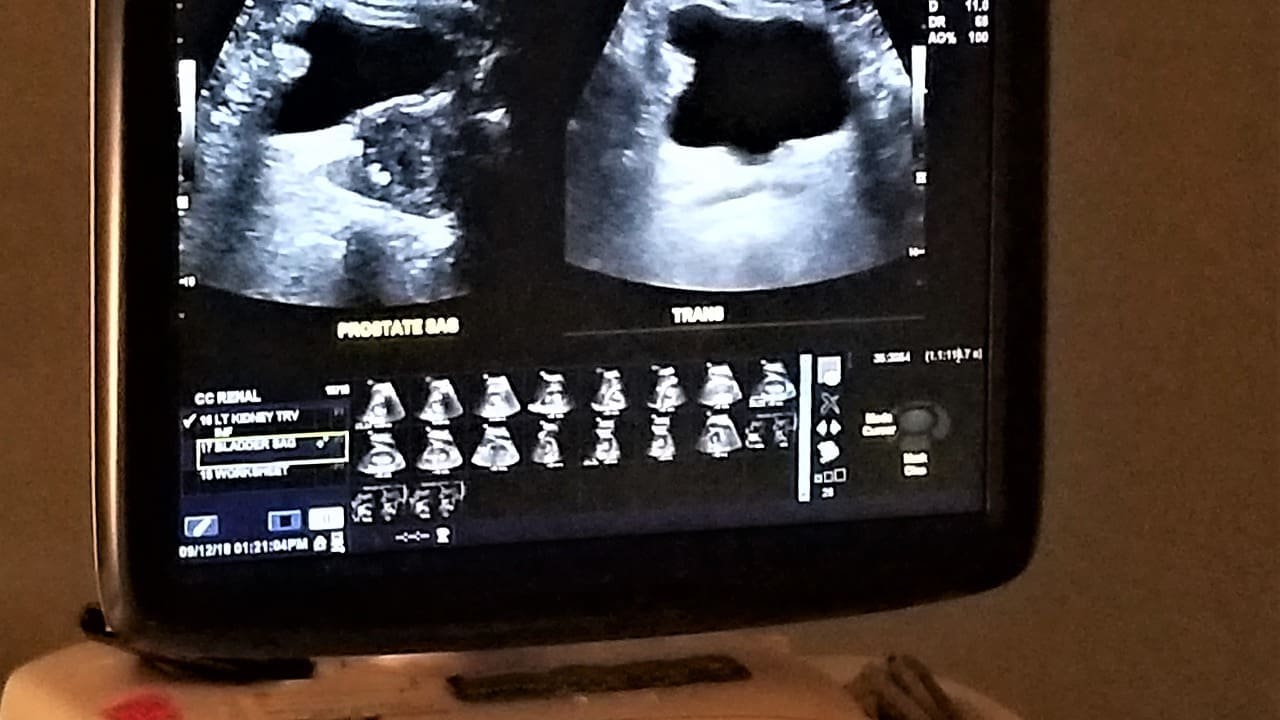
When an ultrasound shows an ectatic abdominal aorta, it means the aorta is slightly enlarged. This is a significant finding. We will look into what this means and the concern of a 2.9 cm diameter.
An aortic ultrasound checks the aorta’s size. A 2.9 cm measurement is ectatic. It’s larger than normal but not big enough to be called an aneurysm.
At Liv Hospital, we offer top-notch care for such conditions. Knowing what the diagnosis means is key to finding the right treatment.
Key Takeaways
- An ectatic abdominal aorta indicates a mild enlargement of the aorta.
- A 2.9 cm diameter is considered ectatic but not aneurysmal.
- Aortic ultrasound is a key diagnostic tool.
- Liv Hospital provides expert care for patients with ectatic aorta.
- Understanding the diagnosis is key to determining treatment.
Understanding Abdominal Aortic Ectasia
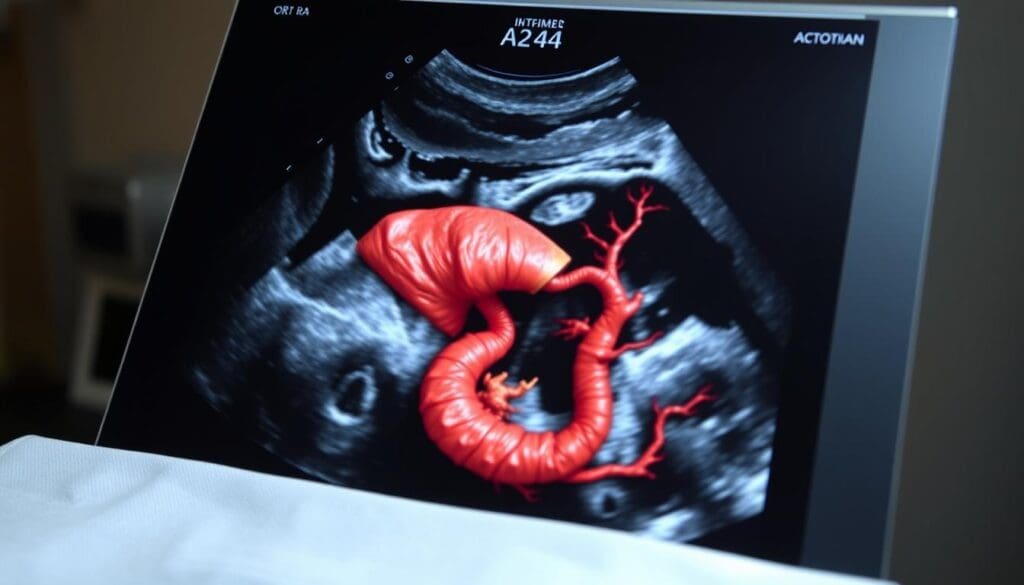
To understand abdominal aortic ectasia, we need to know about the aorta’s normal size and how it changes in this condition. The abdominal aorta is a key blood vessel that carries oxygen to the abdominal organs. If it gets too big, it’s a sign of trouble and needs to be checked out.
Definition and Normal Aortic Dimensions
The size of the abdominal aorta changes with age and sex. But, if it’s more than 2 cm wide, it’s considered too big. Abdominal aortic ectasia is when the aorta is bigger but not as big as an aneurysm. Knowing the normal size of the aorta is key to spotting ectasia; usually, it shouldn’t be more than 1.9 cm wide in adults.
Difference Between Ectasia and Aneurysm
Ectasia and aneurysm both mean the aorta is bigger, but they differ in how much. Ectasia is a smaller enlargement, while an aneurysm is much bigger and can burst. Knowing this difference is important for taking care of patients right.
The Significance of “Mildly Ectatic” Terminology
“Mildly ectatic” describes when the aorta is a bit bigger but not too much. This term is important because it means there’s some risk but not a lot. People with a mildly ectatic aorta should keep an eye on it and follow the doctor’s advice.
Diagnosing Ectatic Aorta US: Ultrasound Evaluation Techniques
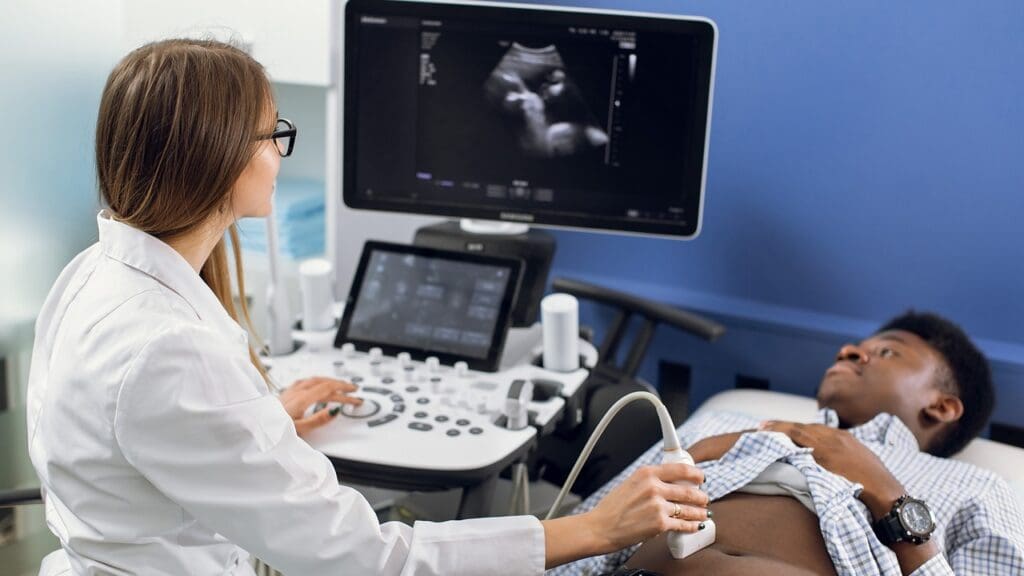
Ultrasound is a key tool for checking the aorta because it’s safe and works well. It helps us see how big the aorta is and if there are any problems like aneurysms. This tool gives us important information about the aorta’s health.
Ultrasound Imaging Protocol for Aortic Assessment
To get a good look at the aorta, we follow a detailed plan. We take many pictures and measurements. First, we look at the aorta from the side, then from the front for more details.
Measurement Techniques and Accuracy
Getting the aorta’s size right is very important. We use a specific way to measure, like measuring from the inside to the inside. This makes sure our measurements are right and can be trusted.
Converting Measurements: Understanding 2.9cm to mm
When we talk about aorta sizes, knowing the units is key. 2.9 cm is the same as 29 mm. Being able to switch between these units is important for keeping track of changes.
Standard Reporting Methods
It’s important to report aorta sizes in a way that everyone can understand. We follow rules for reporting sizes to make sure we’re clear. This includes saying how we measured and what we found.
Measurement Variability Factors
There are things that can make aorta measurements different, like the imaging method and who takes the picture. We try to keep these things the same to get the most accurate measurements. By using the same methods and top-notch equipment, we can make our measurements more reliable.
Clinical Significance of a 2.9 cm Abdominal Aorta
We look at the importance of a 2.9 cm abdominal aorta. This size is close to the aneurysm threshold. It’s considered borderline and needs close watch because of the risk of getting worse. Knowing the meaning of this size is key for doctors and patients.
Borderline Measurements: The 3 cm Threshold
The 3 cm mark is key in checking for abdominal aortic ectasia. Sizes like 2.9 cm are not yet aneurysms but are important. Regular checks are vital to see if it’s getting bigger.
Risk Assessment for Aortas Measuring 2.9 cm
Figuring out the risk of a 2.9 cm abdominal aorta involves looking at several things. This includes the patient’s heart health and family history. Risk stratification helps decide the best follow-up and treatment plan.
Growth Rate Considerations
The rate at which an ectatic aorta grows is very important. It shows how likely it is to turn into an aneurysm. Things like high blood pressure and smoking can affect this rate.
Factors Affecting Progression
Things like high blood pressure, smoking, and genetic factors can really impact how fast an ectatic aorta grows. Controlling these risk factors is key to slowing down growth.
Predictive Indicators
Researchers are working hard to find signs that show if an abdominal aortic ectasia will get worse. Biomarkers and imaging are being studied to spot who’s at higher risk.
Ectasia of Infrarenal Abdominal Aorta: Anatomical Considerations
Understanding the anatomy of the infrarenal abdominal aorta is key for diagnosing and treating ectasia. This part of the aorta is prone to ectasia and aneurysms. Knowing its anatomy helps us manage complications well.
Why the Infrarenal Region Is Vulnerable
The infrarenal region of the abdominal aorta faces unique challenges. Structural changes and high pressure make it more likely to develop ectasia. We must look at these factors when checking for aortic problems.
“The infrarenal aorta is under a lot of stress,” say vascular experts. This stress can cause ectasia if not managed.
Infrarenal Aortic Ectasia vs. Suprarenal Dilation
Distinguishing between infrarenal aortic ectasia and suprarenal dilation is vital. The former is below the renal arteries, and the latter is above. Each has its own management and risk implications.
- Infrarenal aortic ectasia is more common and linked to atherosclerosis.
- Suprarenal dilation is rarer but harder to manage because of its closeness to the renal arteries.
Specific Measurement Protocols for Infrarenal Segments
Getting the right measurements of the infrarenal aorta is essential for diagnosing ectasia. We use specific methods to get accurate readings, including:
- Ultrasound to measure the outer diameter of the infrarenal aorta.
- Measuring at different points to catch any changes.
By sticking to these methods, we can make sure our diagnoses are correct. This helps us create the right treatment plans for patients with infrarenal aortic ectasia.
Risk Factors for Developing Aortic Ectasia Abdominal
Several factors can lead to aortic ectasia in the abdominal area. Knowing these factors is key to managing the condition. We will look at these risk factors to understand how they affect abdominal aortic ectasia.
Age-Related Vascular Changes
Aging is a big risk factor for abdominal aortic ectasia. As we get older, the aorta’s walls change, leading to dilation. The aorta’s elasticity goes down, making it harder to handle blood pressure.
This is a natural part of aging. But, some factors can make it happen faster.
Hypertension and Cardiovascular Disease
Hypertension, or high blood pressure, is a major risk factor. High blood pressure can stretch and dilate the aortic wall over time. Managing high blood pressure through lifestyle changes and medication can help reduce this risk.
Cardiovascular diseases, including atherosclerosis, also play a big role in aortic ectasia.
Genetic Predispositions and Family History
Genetic factors can make people more likely to get aortic ectasia. A family history of aortic aneurysms or vascular conditions can increase risk. Certain genetic disorders, like Marfan syndrome, can also affect the aortic wall, leading to ectasia or aneurysm.
Lifestyle and Modifiable Risk Factors
Lifestyle factors, like smoking, diet, and physical activity, can affect the risk of aortic ectasia. Smoking damages the aortic wall and speeds up atherosclerosis. Eating well and exercising regularly can help manage weight, blood pressure, and cholesterol levels, reducing risk.
| Risk Factor | Description | Impact on Aortic Ectasia |
|---|---|---|
| Age | Aging causes natural changes in the aortic wall. | Increased risk with advancing age. |
| Hypertension | High blood pressure against the aortic wall. | Can cause dilation and ectasia. |
| Genetic Predisposition | Family history and genetic disorders. | Increases risk, specially with certain conditions. |
| Lifestyle Factors | Smoking, diet, and physical activity. | Smoking increases risk; healthy lifestyle reduces risk. |
Understanding these risk factors is key for early detection and management of abdominal aortic ectasia. By identifying and reducing these risks, people can lower their chance of getting this condition.
Pathophysiology of Abdominal Aorta Ectasia
Understanding the causes of abdominal aortic ectasia is key to managing it. This condition changes the aortic wall’s structure and function.
Structural Changes in Vessel Walls
The aortic wall has three layers: intima, media, and adventitia. In ectasia, these layers change a lot. The media, with its elastin and smooth muscle cells, is most affected.
Key changes include:
- Degradation of elastin and collagen
- Loss of smooth muscle cells
- Increased inflammation
Atherosclerosis and Its Relationship to Ectasia
Atherosclerosis plays a big role in ectasia. It causes plaque buildup, leading to inflammation and damage.
“Atherosclerosis is characterized by the accumulation of lipids, inflammatory cells, and fibrous elements in the large arteries.”
Atherosclerosis weakens the aortic wall, contributing to ectasia. We’ll explore this further.
Inflammatory and Degenerative Processes
Inflammation is key in ectasia’s progression. The loss of elastin and collagen is a major sign of this condition.
Elastin and Collagen Degradation
Elastin and collagen give the aortic wall its strength and elasticity. Their loss weakens the aorta, making it more prone to dilation.
| Component | Function | Effect of Degradation |
|---|---|---|
| Elastin | Provides elasticity | Loss of elasticity, increased susceptibility to dilation |
| Collagen | Provides strength | Weakening of the aortic wall |
Smooth Muscle Cell Dysfunction
Smooth muscle cells in the aorta’s media layer are vital. Their dysfunction leads to ectasia.
Smooth muscle cell dysfunction causes a loss of vascular tone. This loss contributes to aorta dilation.
We’ve covered the complex processes behind abdominal aortic ectasia. Knowing these mechanisms is vital for effective management.
Clinical Presentation of Ectasia of Abdominal Aorta
Ectasia of the abdominal aorta can show up in many ways, making it hard to diagnose. We’ll look at how it usually presents, including when it doesn’t show symptoms at all.
Asymptomatic Nature and Incidental Findings
Ectasia of the abdominal aorta is often not noticed because it doesn’t cause symptoms. It’s usually found by accident during tests for other health issues. The clinic says that many aortic issues are found during tests for other problems.
This shows why regular health checks are so important, even more so for those at risk.
Potential Symptoms When Present
Even though it’s often not noticed, symptoms can appear. These might include:
- Abdominal pain or tenderness
- Back pain
- A palpable abdominal mass
These signs can mean many things, not just aortic issues. So, figuring out what’s causing them is key.
Differential Diagnosis Considerations
When trying to figure out what’s causing symptoms, doctors look at many possibilities. This includes other reasons for belly pain or lumps, like stomach problems or other blood vessel issues. A detailed check-up is needed to find the right cause.
“The diagnosis of abdominal aortic ectasia requires a high index of suspicion and appropriate imaging studies.”
When to Seek Medical Attention
If you have severe or getting worse belly or back pain, or signs of shock or bleeding, get help right away. Quick action is important to find out what’s wrong and how to fix it.
| Symptom | Differential Diagnosis |
|---|---|
| Abdominal pain | Gastrointestinal issues, other vascular abnormalities |
| Back pain | Musculoskeletal issues, renal problems |
| Palpable abdominal mass | Tumors, cysts, other vascular abnormalities |
Monitoring Protocols for Ectatic Infrarenal Abdominal Aorta
Keeping an eye on an ectatic infrarenal abdominal aorta is key to avoiding problems. We use a detailed plan for monitoring, based on each person’s situation.
Follow-up Imaging Schedules Based on Size
The size of the ectasia is very important for how often we check it. For sizes under 3 cm, like a 2.9 cm aorta, we often use ultrasound. The exact time between checks can change based on the person’s risk factors and the first measurement.
For example, someone with a 2.9 cm aorta might get an ultrasound in 12 months if there are no other risks. This helps us watch for any growth or changes in the aorta.
Special Considerations for 2.9 cm Measurements
A size of 2.9 cm is borderline, and we pay extra attention to these cases. We look at the patient’s heart health, including blood pressure and family history of aortic aneurysms.
If someone has a 2.9 cm measurement, we might check them more often if they have other risks, like smoking or high blood pressure.
Growth Rate Assessment Methods
It’s important to track how fast the ectatic aorta is growing. We do this by taking measurements over time.
If the aorta grows more than 0.5 cm per year, it’s a big deal. This might mean we need to change how we manage the condition.
Risk Stratification Approaches
Risk stratification means figuring out how likely someone is to have a problem with their aorta. We look at age, health problems, and symptoms.
By figuring out the risk, we can make sure we’re watching and managing the condition in the best way for each person. This way, we can act fast if needed.
Management Strategies for Abdominal Aortic Ectasia
Managing abdominal aortic ectasia needs a full plan. This includes medical treatment, lifestyle changes, and sometimes surgery. We will look at how to handle this condition well.
Medical Management Approaches
Medical care is key to slowing down abdominal aortic ectasia. It involves several important steps:
Blood Pressure Control
Keeping blood pressure in check is vital. It helps lessen the stress on the aortic wall. We suggest regular blood pressure checks and managing high blood pressure with medicine and lifestyle changes.
Lipid Management
It’s important to control cholesterol levels. This helps prevent atherosclerosis, which can make aortic ectasia worse. We often suggest statins and other cholesterol-lowering drugs as part of the treatment.
Lifestyle Modifications for Risk Reduction
Changing your lifestyle is key in managing abdominal aortic ectasia. We tell patients to:
- Quit Smoking: Stopping smoking is very important. Smoking is a big risk factor for aortic ectasia getting worse.
- Exercise Regularly: Regular exercise helps manage blood pressure and improves heart health.
- Maintain a Healthy Diet: Eating lots of fruits, vegetables, and whole grains helps control cholesterol and blood pressure.
Indications for Intervention
Sometimes, surgery or endovascular treatment is needed. We look at the aorta’s size, how fast it’s growing, and symptoms to decide if intervention is needed.
Multidisciplinary Care Approach
Handling abdominal aortic ectasia well needs a team. This team includes vascular surgeons, cardiologists, radiologists, and primary care doctors. We work together to give each patient the best care.
Advanced Imaging for Ectasia of the Infrarenal Abdominal Aorta
Advanced imaging is key for diagnosing and managing ectasia of the infrarenal abdominal aorta. These methods give us detailed views of the aorta’s structure and any issues.
Ultrasound vs. CT Angiography
Ultrasound is often the first choice for checking the abdominal aorta because it’s non-invasive and doesn’t use radiation. But, CT angiography gives clearer images and is better for planning surgeries. CT angiography provides a more detailed view, which is important for complex cases.
| Imaging Modality | Advantages | Limitations |
|---|---|---|
| Ultrasound | Non-invasive, no radiation | Operator-dependent, limited detail |
| CT Angiography | High detail, useful for preoperative planning | Involves radiation, contrast required |
MRI Applications in Aortic Assessment
MRI is another advanced imaging option that doesn’t use radiation. It’s great for long-term follow-ups. MRI can show detailed images of the aorta and is good for those who can’t have CT angiography.
Choosing the Right Imaging Method for Follow-up
Choosing the right imaging method for follow-ups depends on several factors. These include concerns about radiation and the cost of the imaging.
Radiation Concerns
For long-term monitoring, avoiding radiation is a big deal. Ultrasound and MRI are better choices because they don’t use radiation.
Cost-Effectiveness Considerations
The cost of imaging methods can vary a lot. While CT angiography gives detailed images, its cost and the need for contrast agents are important. Choosing wisely means balancing the benefits against the costs.
Knowing the strengths and weaknesses of each imaging method helps us make better decisions for managing infrarenal abdominal aortic ectasia.
Patient Education and Long-term Outlook
Getting a diagnosis of an ectatic aorta can be scary. It makes you want to learn more about it and how to handle it. We know it’s unsettling, but with the right info and support, you can manage your treatment well.
Understanding Your Ectatic Aorta Diagnosis
An ectatic aorta means your aorta, the main artery, is enlarged. This is a big concern, but it’s not always a sign of an aortic aneurysm. Your aorta’s size is checked with an ultrasound. A size of 2.9 cm is borderline. We’ll help you understand what this means for your health.
Lifestyle Changes to Reduce Progression Risk
Changing your lifestyle can lower the risk of your ectatic aorta getting worse. Here are some changes to make:
- Eat a healthy diet with lots of fruits, veggies, and whole grains
- Do regular physical activity like walking or swimming
- Stop smoking and avoid secondhand smoke
- Manage stress with meditation or deep breathing
- Keep an eye on and control your blood pressure
By making these habits part of your daily life, you can improve your heart health a lot.
Psychological Aspects of Living with Aortic Ectasia
Having an ectatic aorta can affect your mind, causing anxiety and stress. It’s important to deal with these feelings by:
- Getting support from loved ones or support groups
- Talking to a mental health expert if you’re feeling anxious or depressed
- Staying informed about your condition and treatment options
We’re here to support you, not just medically but emotionally too, on your journey.
When to Be Concerned About Changes
It’s key to watch for any changes in your condition and know when to see a doctor. Be worried if you have:
- Severe or sudden pain in your abdomen or back
- Difficulty breathing
- Pain or tenderness in the abdomen
Regular check-ups with your doctor are important for keeping an eye on your condition and solving any problems quickly.
| Lifestyle Change | Benefit |
|---|---|
| Eating a balanced diet | Improves overall cardiovascular health |
| Regular physical activity | Helps manage blood pressure and stress |
| Quitting smoking | Reduces risk of aortic progression and cardiovascular disease |
Conclusion
Understanding an ectatic abdominal aorta on ultrasound is key. It helps spot risks and manage them well. This article has covered what it is, how to diagnose it, and why it matters.
Accurate ultrasound checks and monitoring are vital. At Liv Hospital, we use a team approach. This includes medicine, lifestyle changes, and timely action when needed.
Managing abdominal aortic ectasia well needs a deep understanding. Knowing its causes and risks is essential. By being proactive, we can better care for our patients and lower the chance of problems.
FAQ
What does an ectatic abdominal aorta mean on ultrasound?
An ectatic abdominal aorta means the aorta is slightly bigger than normal. It’s not big enough to be called an aneurysm. Doctors often find this during an ultrasound.
What is the difference between ectasia and aneurysm of the abdominal aorta?
Ectasia is when the aorta is a bit bigger, but not too much. An aneurysm is much bigger, over 3 cm. Ectasia can turn into an aneurysm over time.
What is considered a normal diameter for the abdominal aorta?
The normal size of the abdominal aorta is usually under 2 cm. Sizes between 2 and 3 cm might be considered ectatic.
How is the size of the abdominal aorta measured during an ultrasound?
Doctors use ultrasound to measure the aorta’s size. They look at specific points, usually below the kidneys.
What does a 2.9 cm abdominal aorta measurement mean?
A 2.9 cm measurement means the aorta is slightly bigger than normal. It’s not big enough to be called an aneurysm. But it’s big enough to need watching.
How is a 2.9 cm measurement converted to millimeters?
To change 2.9 cm to millimeters, multiply by 10. So, 2.9 cm is 29 mm.
What are the risk factors for developing abdominal aortic ectasia?
Risk factors include getting older, high blood pressure, family history, and smoking. Managing these risks is key to preventing it from getting worse.
How often should someone with a 2.9 cm ectatic abdominal aorta undergo follow-up imaging?
How often you need follow-up imaging depends on your risk factors and the initial size. If you’re close to 3 cm, you might need checks every 6-12 months.
What management strategies are available for abdominal aortic ectasia?
Management includes controlling blood pressure and cholesterol, making lifestyle changes, and regular checks. If it grows too fast, you might need more action.
What lifestyle changes can help reduce the risk of progression of abdominal aortic ectasia?
Quit smoking, eat well, exercise, and keep your blood pressure and cholesterol in check. These steps can help slow it down.
When should someone with an ectatic abdominal aorta seek medical attention?
If you have symptoms like pain or notice changes, see a doctor. Regular check-ups are also important.
What advanced imaging techniques are used for evaluating ectasia of the infrarenal abdominal aorta?
Doctors use ultrasound, CT angiography, and MRI for detailed images. The choice depends on what’s needed, safety, and cost.
References
- NHS (Abdominal Aortic Aneurysm) : https://www.nhs.uk/conditions/abdominal-aortic-aneurysm
- MedlinePlus : https://medlineplus.gov/ency/article000162.htm
- NCBI Bookshelf : https://www.ncbi.nlm.nih.gov/books/NBK470237