Last Updated on November 27, 2025 by Bilal Hasdemir
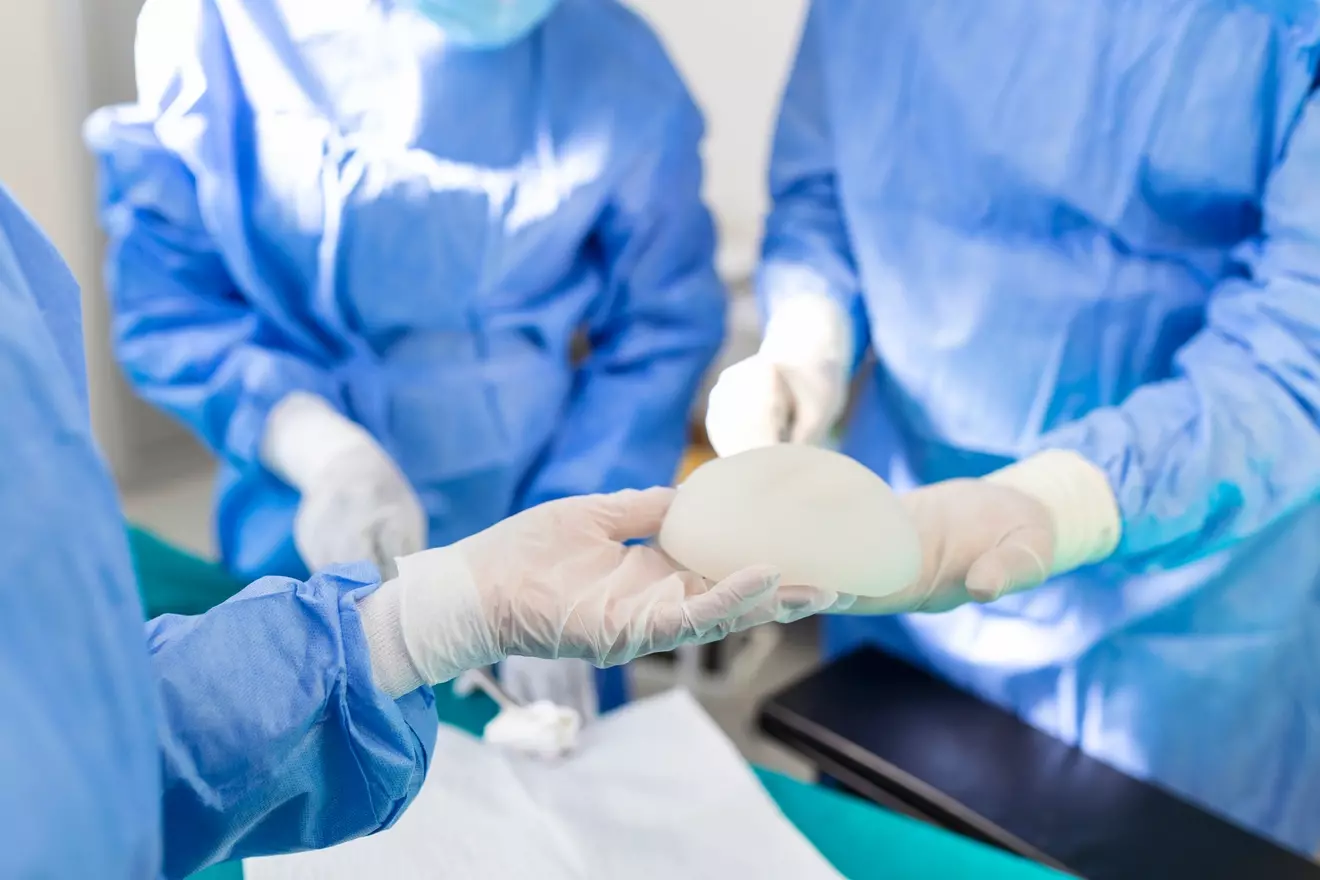
OB/GYNs are doctors who focus on women’s reproductive health. They give care from start to finish of a woman’s life. They can find and treat problems in the reproductive system and do surgeries if needed.
As obstetrician/gynecologists, they are key in women’s health. They handle everything from routine check-ups to complex surgeries.
Finding the right healthcare provider is very important, even more so for women’s health. At Liv Hospital, our OB/GYNs have the latest training and skills. They focus on you, showing our commitment to top-notch care.
Key Takeaways
- OB/GYNs provide complete care for women’s reproductive health, including preventive care and surgical procedures.
- They are trained to diagnose and treat reproductive system disorders.
- OB/GYNs perform both medical and surgical procedures, interacting with patients in office and hospital settings.
- They focus on overall women’s health, involving cancer screenings and medical condition diagnosis.
- OB/GYNs can specialize in various areas within obstetric and gynecological medicine, including surgery.
Understanding the Role of OB/GYNs in Women’s Healthcare
It’s important to know what OB/GYNs do for women’s health. They handle everything from pregnancy care to managing reproductive health. OB/GYNs are doctors who focus on women’s health, covering both obstetrics and gynecology.
Definition and Medical Specialization
An OB/GYN is a doctor who specializes in women’s health. Obstetrics deals with pregnancy, childbirth, and the time after giving birth. Gynecology looks at the health of the female reproductive system, including finding and treating problems.
To be an OB/GYN, one must go to medical school and then do a residency in obstetrics and gynecology. This training helps them give holistic care to women, covering many health needs.
The Dual Nature: Obstetrics and Gynecology Explained
OB/GYNs can handle both obstetrics and gynecology. This means they can:
- Manage pregnancy and handle any problems that come up
- Help with childbirth, including cesarean sections if needed
- Take care of the mother and baby after birth
- Do routine check-ups and screenings, like Pap smears
- Diagnose and treat issues like endometriosis and PCOS
The Educational Path to Becoming an OB/GYN
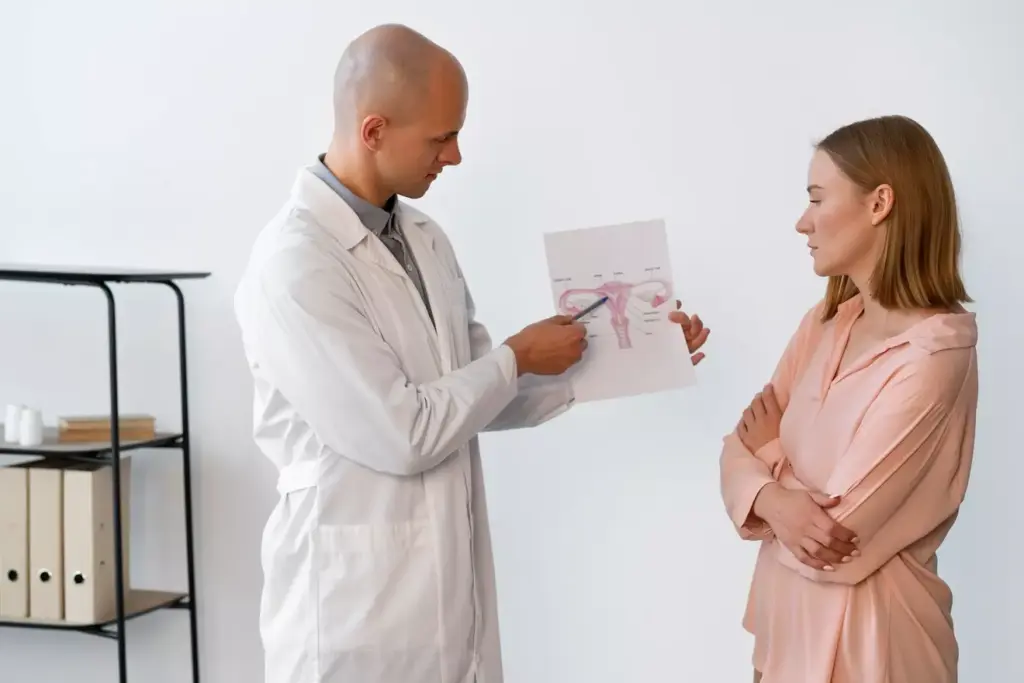
OB/GYNs are highly trained specialists. They have gone through a lot of education and training. This is key to giving top-notch women’s healthcare.
Medical School and Residency Requirements
To become an OB/GYN, one must first get a Doctor of Medicine (M.D.) or Doctor of Osteopathic Medicine (D.O.) degree. This takes four years of medical school. Then, they must do a four-year residency in obstetrics and gynecology.
During this time, they learn a lot. They get to manage pregnancies, do surgeries, and treat gynecological conditions. It’s all hands-on learning.
Key components of OB/GYN residency programs include:
- Clinical training in obstetrics, including prenatal care and labor management
- Surgical training in both obstetric and gynecological procedures
- Experience in managing various reproductive health issues
- Opportunities to develop skills in minimally invasive surgical techniques
Board Certification and Continuing Education
After residency, OB/GYNs must get board certified. They pass exams from the American Board of Obstetrics and Gynecology (ABOG). This shows they are experts in their field.
To keep their certification, OB/GYNs must also do ongoing education. This keeps them updated with the latest in women’s health.
Continuing education for OB/GYNs may include:
- Attending conferences and workshops on women’s health topics
- Participating in online courses and webinars on obstetric and gynecological care
- Staying current with peer-reviewed journals and research publications
By getting a lot of education, training, and ongoing learning, OB/GYNs can give the best care. They are ready to help their patients with compassion and skill.
Comprehensive Preventive Care Services Provided by OB/GYNs
OB/GYNs are key in women’s healthcare. They offer services to keep women healthy and catch problems early. This helps prevent and treat health issues.
Annual Well-Woman Examinations
Annual well-woman exams are essential. OB/GYNs do routine checks, take medical history, and give health advice. They also screen for health conditions to catch problems early.
Key components of annual well-woman examinations include:
- Breast examination
- Pelvic examination
- Pap smear for cervical cancer screening
- Discussion of menstrual health and any irregularities
Cancer Screenings and Prevention
Cancer screenings are vital. OB/GYNs check for cervical, breast, and reproductive cancers. Early detection improves treatment chances.
| Cancer Type | Screening Method | Frequency |
|---|---|---|
| Cervical Cancer | Pap Smear | Every 3 years or as recommended |
| Breast Cancer | Mammogram | Annually after age 40 |
| Ovarian Cancer | Pelvic examination and ultrasound | As recommended based on risk factors |
Reproductive Health Counseling
OB/GYNs also counsel on reproductive health. They help with family planning, contraception, and preconception care. This advice helps women plan for the future.
Effective reproductive health counseling covers a range of topics, including:
- Contraceptive options and their effectiveness
- Preconception health and planning
- Sexual health and STI prevention
OB/GYNs are essential for women’s health. Regular visits can prevent and detect health issues. This improves overall well-being.
Obstetric Care: Managing Pregnancy and Childbirth
OB/GYNs are key in managing pregnancy and childbirth. They provide care to keep both mother and baby healthy. Pregnancy is a big event, and we support women from start to finish.
Prenatal Care and Monitoring
Prenatal care is vital for a healthy pregnancy. We do regular check-ups and watch the pregnancy’s progress. We also address any concerns or complications.
- Initial prenatal visit to establish a baseline of health
- Regular ultrasounds to monitor fetal development
- Blood tests to check for infections and gestational diabetes
- Discussion of birthing options and creating a birth plan
By monitoring closely, we can spot issues early. This helps ensure the best outcomes.
Labor and Delivery Management
When it’s time for labor and delivery, we offer supportive care. Our services include:
- Monitoring the progress of labor
- Administering pain management options as needed
- Assisting with delivery, including cesarean sections if necessary
- Providing immediate care to the newborn
We aim to make the birth experience safe and comforting. We support women every step of the way.
Postpartum Care
Postpartum care is vital. We offer support during this time, including:
- Monitoring for postpartum complications
- Emotional support and guidance on caring for the newborn
- Assistance with breastfeeding
- Follow-up visits to ensure a smooth recovery
We help new mothers face the postpartum period. Our goal is to ensure a healthy recovery.
Here’s a look at the services we offer during pregnancy, childbirth, and postpartum:
| Stage | Services Provided |
|---|---|
| Prenatal Care | Regular check-ups, ultrasounds, blood tests, discussion of birthing options |
| Labor and Delivery | Monitoring labor, pain management, delivery assistance, newborn care |
| Postpartum Care | Monitoring for complications, emotional support, breastfeeding assistance, follow-up visits |
We aim to make pregnancy, childbirth, and postpartum positive and healthy for women.
Gynecological Diagnostics and Treatments
OB/GYNs are key in diagnosing and treating women’s reproductive health issues. They offer a wide range of services. This includes routine check-ups and complex diagnostic and treatment options.
Common Reproductive Health Conditions
We treat many common reproductive health issues. These include endometriosis, polycystic ovary syndrome (PCOS), and uterine fibroids. These can cause pain, irregular periods, and fertility problems.
For example, endometriosis causes pain due to tissue outside the uterus. PCOS is a hormonal disorder that can lead to cysts and irregular periods.
Diagnostic Procedures and Tests
We use different tests to diagnose reproductive health issues. These include pelvic exams, ultrasound imaging, and laparoscopy. Each test gives us important information about the reproductive organs.
A pelvic exam checks the reproductive organs manually. Ultrasound imaging shows the organs visually. Laparoscopy uses a camera to see the organs directly.
| Diagnostic Test | Purpose | Common Findings |
|---|---|---|
| Pelvic Exam | Manual assessment of reproductive organs | Abnormalities in size, shape, or tenderness |
| Ultrasound | Visual imaging of reproductive organs | Cysts, fibroids, or other structural anomalies |
| Laparoscopy | Direct visualization of reproductive organs | Endometriosis, adhesions, or other abnormalities |
Non-Surgical Treatment Options
We often choose non-surgical treatments first. These include hormonal therapies, pain management medications, and lifestyle modifications. Our goal is to ease symptoms and improve life quality.
Hormonal therapies can help with menstrual issues and PCOS symptoms. Pain medications help with pelvic pain from endometriosis or fibroids.
Do OB/GYNs Do Surgery? Exploring Their Surgical Expertise
OB/GYNs are key in women’s healthcare, handling surgeries as part of their job. They are trained surgeons, tackling various health issues with surgery. To grasp what an OB/GYN doctor does, we must look at their surgical skills.
They can do surgeries like hysterectomies, cesarean sections, and laparoscopic procedures. These surgeries are vital for treating women’s reproductive system issues. Knowing what OB/GYNs do helps patients see the full scope of their care, from check-ups to surgeries.
The term “OB/GYN” shows their focus on obstetrics and gynecology. This allows them to care for women at all stages of life, from pregnancy to gynecological health. In surgery, OB/GYNs offer top-notch care, making them essential in women’s healthcare.
FAQ
What does an OB/GYN do?
We offer a wide range of women’s healthcare services. This includes preventive care, diagnosing and treating reproductive health issues. We also perform surgeries.
What is the difference between obstetrics and gynecology?
Obstetrics focuses on pregnancy, childbirth, and care after birth. Gynecology deals with women’s reproductive health. This includes diagnosing and treating health issues.
What kind of education and training do OB/GYNs receive?
We go through a lot of training. This includes medical school, residency, and board certification. We also keep up with new medical advancements through continuing education.
What services are included in a well-woman examination?
A well-woman exam includes a physical check-up, Pap smear, and breast exam. We also talk about reproductive health and any concerns.
Do OB/GYNs provide prenatal care?
Yes, we offer detailed prenatal care. This includes checking on the baby’s growth, managing pregnancy issues, and preparing for childbirth.
Can OB/GYNs diagnose and treat reproductive health conditions?
Yes, we can diagnose and treat many reproductive health issues. This includes menstrual problems, infertility, and sexually transmitted infections.
What types of surgeries do OB/GYNs perform?
We do many surgeries, like hysterectomies and cesarean sections. We also do minimally invasive procedures.
What is the role of an OB/GYN in cancer screenings?
We do cancer screenings, like Pap smears and HPV testing. These help find abnormal cell changes and prevent cervical cancer.
Do OB/GYNs provide reproductive health counseling?
Yes, we offer counseling on reproductive health. This includes family planning, contraception, and fertility options.
What is the importance of postpartum care?
Postpartum care is key for a healthy recovery after childbirth. It helps manage any complications and supports new parents.
What does an OB/GYN mean?
An OB/GYN is a doctor who specializes in women’s reproductive health. They provide complete care for women’s health.
Are OB/GYNs qualified to perform surgery?
Yes, we are qualified to do many surgeries, including complex ones. We have the training and expertise to deliver top-notch surgical care.
References
- Obstetrics and Gynecology | American College of Surgeons. Retrieved from https://www.facs.org/for-medical-professionals/education/programs/so-you-want-to-be-a-surgeon/section-iii-surgical-specialties/obstetrics-and-gynecology/
- OB‑GYN (Obstetrician Gynecologist) Job Description – Indeed Employer Resource Library. Retrieved from https://www.indeed.com/hire/job-description/ob-gyn-obstetrician-gynecologist (indeed.com)