Last Updated on November 26, 2025 by Bilal Hasdemir
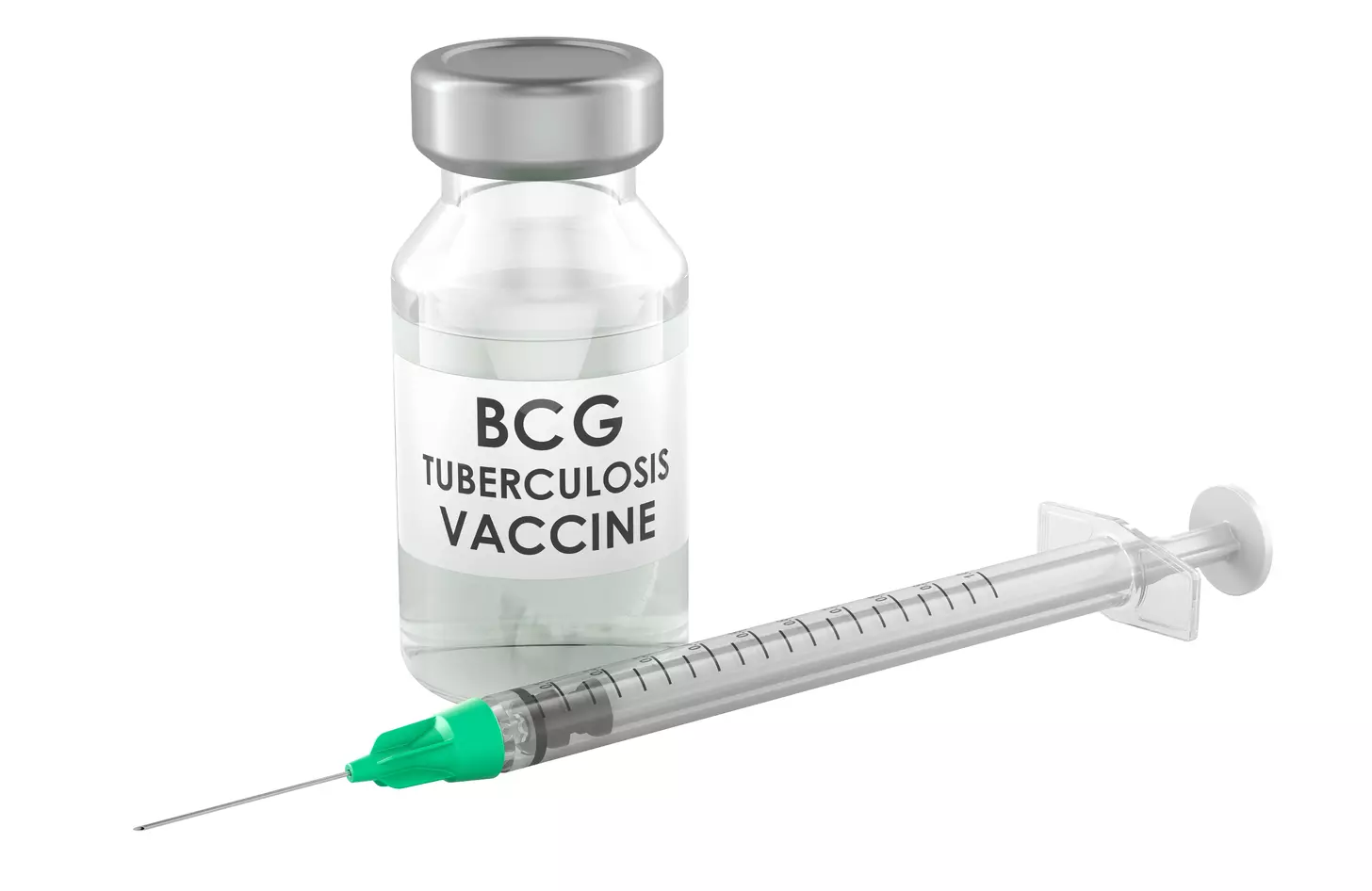
BCG, or Bacillus Calmette-Guérin, is a vaccine used to treat bladder cancer. It was first made to fight tuberculosis. Now, it’s a key part of treating non-muscle-invasive bladder cancer (NMIBC). At Liv Hospital, we use BCG in our treatment plans for bladder cancer. This shows our dedication to top-notch healthcare.
The Bacillus Calmette-Guérin vaccine was named by its creators, Albert Calmette and Camille Guérin. It’s mainly known for fighting tuberculosis. But, it also works well in treating bladder cancer. At Liv Hospital, we make BCG therapy a big part of our care for patients. This ensures our patients get the best treatments from around the world.
Key Takeaways
- BCG stands for Bacillus Calmette-Guérin, a vaccine used in bladder cancer treatment.
- Liv Hospital uses BCG as part of our bladder cancer treatment plans.
- BCG is mainly used to fight tuberculosis.
- It’s also used to treat non-muscle-invasive bladder cancer (NMIBC).
- Liv Hospital is dedicated to providing world-class care with BCG therapy.
What Does BCG Stand For: The Medical Abbreviation Explained
BCG stands for Bacillus Calmette-Guérin. It’s a type of immunotherapy used in bladder cancer treatment. Knowing what BCG means is key to understanding its role in fighting tuberculosis and treating bladder cancer. This makes BCG very important in medicine.
Bacillus Calmette-Guérin: The Full Meaning
Bacillus Calmette-Guérin was named after scientists Albert Calmette and Camille Guérin. They created this vaccine against tuberculosis in the early 1900s. The BCG vaccine is used worldwide to fight tuberculosis, a serious disease. It’s also used to treat some cancers, like bladder cancer.
BCG as Both a Vaccine and a Drug
BCG is special because it’s both a vaccine and a drug. As a vaccine, it helps prevent tuberculosis. As a drug, it’s put directly into the bladder to treat non-muscle-invasive bladder cancer (NMIBC). This treatment boosts the immune system to fight bladder cancer cells.
BCG has been a big step forward in treating bladder cancer. It uses the body’s immune system to fight cancer. This can help prevent bladder cancer from coming back and growing. So, it’s important for doctors and patients to understand BCG and how it works.
BCG is key in treating NMIBC and can greatly improve patient outcomes. While it’s usually well-tolerated, it can cause side effects. Despite this, BCG’s ability to reduce cancer recurrence makes it a valuable treatment for many.
The History and Development of BCG Therapy
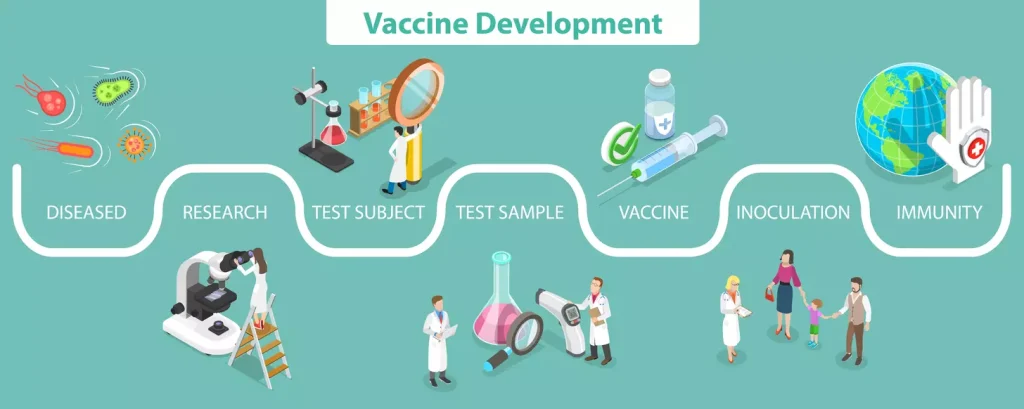
BCG, or Bacillus Calmette-Guérin, has a long journey. It started as a tuberculosis vaccine and now helps treat bladder cancer.
From Tuberculosis Prevention to Cancer Treatment
The BCG vaccine was first used in 1921 to fight tuberculosis. Later, it found a new use in cancer therapy, mainly for bladder cancer. This change happened when scientists saw BCG could boost the immune system, helping fight cancer.
The shift towards cancer treatment was slow but important. The 1970s were key when studies showed BCG could help with superficial bladder cancer. This was a big moment in its history.
Key Milestones in BCG Cancer Therapy Development
BCG therapy for bladder cancer has seen many important moments:
- The first clinical trials in the 1970s showed BCG’s promise in treating bladder cancer.
- BCG became a standard treatment for non-muscle-invasive bladder cancer (NMIBC) after lots of research and trials.
- Today, scientists are working to make BCG therapy even better, including new ways to use it.
The journey of BCG therapy has been filled with research and trials. Below is a table of some major events in its development.
| Year | Milestone | Description |
|---|---|---|
| 1921 | First Medical Use | BCG vaccine first used as a protective measure against tuberculosis. |
| 1970s | Initial Cancer Trials | First clinical trials showed BCG’s success in treating superficial bladder cancer. |
| Late 20th Century | Establishment as Standard Treatment | BCG became a main treatment for non-muscle-invasive bladder cancer (NMIBC). |
Thanks to these advancements, BCG therapy is a key part of treating NMIBC. It offers a powerful way to fight cancer.
Understanding Bladder Cancer and Its Treatment Options
Bladder cancer is a complex condition that needs a deep understanding of its types, stages, and treatments. At Liv Hospital, we believe in educating patients about their diagnosis. This empowers them in their treatment journey.
Types and Stages of Bladder Cancer
Bladder cancer can be classified into several types, with urothelial carcinoma being the most common. Other types include squamous cell carcinoma and adenocarcinoma. The stage of bladder cancer is determined by how far it has spread through the bladder wall and into nearby tissues or distant parts of the body.
The stages of bladder cancer range from non-muscle invasive bladder cancer (NMIBC) to muscle-invasive bladder cancer (MIBC). NMIBC is confined to the inner lining of the bladder and is typically treated with intravesical therapies, including BCG instillation. MIBC, on the other hand, has invaded the muscle layer of the bladder wall and often requires more aggressive treatments, such as surgery or systemic chemotherapy.
Key Types and Stages:
- Non-Muscle Invasive Bladder Cancer (NMIBC)
- Muscle-Invasive Bladder Cancer (MIBC)
- Urothelial Carcinoma
- Squamous Cell Carcinoma
- Adenocarcinoma
Standard Treatment Approaches for Bladder Cancer
Treatment for bladder cancer depends on the type, stage, and grade of the tumor, as well as the patient’s overall health. For NMIBC, BCG instillation bladder cancer treatment is a common approach. BCG is directly instilled into the bladder to stimulate the immune system to fight cancer cells.
For more advanced cases, such as MIBC, treatment options may include radical cystectomy (surgical removal of the bladder), chemotherapy, or a combination of both. Bladder cancer and BCG therapy are closely linked. BCG is a well-established treatment for NMIBC, reducing the risk of recurrence and progression.
At Liv Hospital, we offer complete care for bladder cancer patients, including the latest treatments and supportive services. Our team works closely with patients to determine the most appropriate bladder cancer treatment plan. This may include BCG therapy as part of an overall strategy to manage the disease.
How BCG Works as an Immunotherapy for Bladder Cancer
BCG immunotherapy has changed how we treat bladder cancer. It uses the body’s immune system to fight cancer cells. BCG, or Bacillus Calmette-Guérin, is put directly into the bladder through a catheter.
The Immune Response Mechanism
BCG starts an immune response in many ways. When it’s put into the bladder, it provokes an immune reaction. This reaction brings immune cells into the bladder wall.
These cells then recognize and target cancer cells for destruction. The immune response involves natural killer cells, macrophages, and T lymphocytes. Together, they create an anti-tumor environment in the bladder.
BCG’s Effect on Cancerous Cells in the Bladder
BCG’s effect on bladder cancer cells is due to the immune system’s attack. It makes the body see bladder cancer cells as foreign. This way, the body can mount an effective defense against the cancer.
By putting BCG directly into the bladder, it’s more effective. This method also reduces side effects.
Differences Between BCG and Traditional Chemotherapy
BCG immunotherapy is different from traditional chemotherapy. Chemotherapy kills cells directly, while BCG uses the immune system. This indirect approach leads to a more targeted response.
BCG is given locally in the bladder. This avoids many of the systemic side effects of chemotherapy. It’s a great option for patients with non-muscle invasive bladder cancer.
Patient Eligibility for BCG Bladder Cancer Treatment
Choosing the right patients for BCG treatment is key. We look at many factors to see if BCG is right for bladder cancer.
Ideal Candidates for BCG Therapy
BCG is best for those with non-muscle-invasive bladder cancer (NMIBC). Ideal candidates have had a TURBT and have high-grade disease or carcinoma in situ left.
We check several things. These include the cancer’s stage and grade, if there’s carcinoma in situ, and the patient’s health.
| Patient Characteristics | Ideal for BCG Therapy | Not Ideal for BCG Therapy |
|---|---|---|
| Cancer Stage | Non-muscle-invasive (NMIBC) | Muscle-invasive |
| Cancer Grade | High-grade | Low-grade |
| Immune System Status | Intact immune system | Compromised immune system |
When BCG Is Not Recommended
BCG isn’t for everyone. Contraindications include muscle-invasive bladder cancer, weak immune systems, and certain health issues.
We look for other treatments for those not suited for BCG. This way, we make sure each patient gets the best care for their needs.
By carefully picking patients, we make BCG therapy work better. This helps improve outcomes for bladder cancer patients.
BCG Instillation Procedure for Bladder Cancer
The BCG instillation procedure is a key part of treating bladder cancer. It involves putting the Bacillus Calmette-Guérin vaccine directly into the bladder. This method boosts the body’s immune system to fight cancer cells.
Preparing for BCG Treatment
Before starting BCG treatment, patients go through tests to see if they can have it. These tests include urine tests, bladder exams, and health checks. It’s important to tell your doctor about any medicines you’re taking and any symptoms you have, like urinary tract infections.
Key steps in preparation include:
- Completing any necessary diagnostic tests
- Discussing medical history and current medications with your healthcare provider
- Understanding the possible side effects and benefits of BCG therapy
The Step-by-Step BCG Injection Process
The BCG instillation process has several steps:
- A catheter is inserted into the bladder through the urethra.
- The BCG vaccine is given through the catheter into the bladder.
- The catheter is then removed, and the patient keeps the BCG solution in the bladder for about two hours.
- During this time, patients may change positions to help the BCG reach the bladder walls.
Post-Procedure Care and Precautions
After the BCG instillation, patients should:
- Avoid strenuous activities for the rest of the day
- Drink plenty of fluids to help flush out the bladder
- Watch for side effects like urinary frequency or discomfort and tell their healthcare provider
It’s also good to practice good hygiene to prevent BCG bacteria from spreading. This includes washing hands well after using the bathroom and avoiding sexual contact for a time advised by your doctor.
BCG Treatment Protocols and Schedules
Understanding BCG treatment schedules is key for patients getting immunotherapy. BCG therapy has many stages, each important for the best results.
Induction BCG Therapy: The Initial Treatment Phase
Induction BCG therapy lasts six weeks. During this time, patients get the BCG vaccine weekly in their bladder. This first step is vital for boosting the immune system against cancer.
Key aspects of induction BCG therapy include:
- Weekly BCG instillations for six consecutive weeks
- Close monitoring of patient response and possible side effects
- Adjustments to the treatment plan as needed based on patient tolerance
Maintenance BCG Therapy: Extended Treatment Plans
After the induction phase, many patients move to maintenance BCG therapy. This plan keeps the immune system active and stops cancer from coming back.
Maintenance therapy typically involves:
- BCG instillations at regular intervals (e.g., every 3-6 months)
- Ongoing assessment of treatment efficacy and patient tolerance
- Potential adjustments to the maintenance schedule based on patient response
Dosing Considerations and Adjustments
Dosing is very important in BCG therapy. The usual dose is 50-81 mg per treatment, but it can change based on the product and patient health.
Adjustments to the BCG dose or schedule might be needed for:
- Severe side effects or intolerance
- Inadequate response to initial treatment
- Changes in patient health status
We watch how patients react and adjust treatment plans to get the best results.
Efficacy and Outcomes of BCG in Bladder Cancer
BCG therapy is key in treating non-muscle invasive bladder cancer (NMIBC). It helps lower the chance of cancer coming back and growing. This makes BCG a vital part of bladder cancer treatment.
Success Rates in Preventing Recurrence and Progression
Research shows BCG is good at stopping NMIBC from coming back and growing. The success rate depends on many things. These include who gets treated, the cancer’s type, and how well they follow the treatment plan.
Studies and real-world data show BCG cuts down the risk of cancer coming back and growing. For example, a big study found BCG can lower the risk of cancer coming back by up to 30% compared to other treatments.
Comparison with Other Bladder Cancer Treatments
BCG is more effective than other treatments for bladder cancer. It works by boosting the immune system to fight cancer. We’ll look at how BCG compares to other treatments in terms of how well it works and safety.
BCG is better than chemotherapy for stopping cancer from coming back and growing. It’s also safer, with most side effects being mild or moderate.
Factors Affecting BCG Treatment Success
Many things can affect how well BCG works. These include who gets treated, the cancer’s type, and how well they stick to the treatment plan. We’ll dive into these details, showing why a personalized approach is important.
- Patient selection: The best candidates for BCG are those with high-risk NMIBC.
- Tumor characteristics: The stage, grade, and size of the tumor can affect how well BCG works.
- Treatment adherence: Finishing the whole BCG treatment is key for the best results.
Knowing these factors helps doctors make BCG treatment plans better. This can lead to better results for patients.
Side Effects and Complications of BCG Therapy
It’s important for patients to know about the side effects of BCG therapy. BCG is usually safe but can cause different side effects. These can range from mild to severe.
Common Side Effects After BCG Instillation
Most people feel some side effects after BCG treatment. These include:
- Urinary discomfort or frequency
- Flu-like symptoms such as fever, chills, and fatigue
- Blood in the urine
- Urinary tract infections
These side effects are usually short-lived and go away in a few days. But sometimes, they can last longer or be more serious, needing medical help.
Rare but Serious Complications
There are rare but serious problems that can happen with BCG therapy. These include:
- BCG sepsis, a potentially life-threatening condition
- Prostate inflammation or infection
- Epididymitis, an inflammation of the epididymis
If you have symptoms like high fever, severe pain, or trouble urinating, get medical help right away.
Managing and Minimizing BCG Side Effects
There are ways to manage and reduce BCG side effects:
| Strategy | Description |
|---|---|
| Hydration | Drinking plenty of fluids to help flush out the BCG solution |
| Antispasmodic medications | To alleviate urinary discomfort and frequency |
| Rest | Getting adequate rest to combat fatigue |
By knowing about side effects and taking steps to manage them, patients can improve their treatment experience. This can also enhance their quality of life.
Conclusion: BCG therapy is a key treatment for bladder cancer but comes with challenges. Knowing about side effects and complications helps patients work with their healthcare team. This way, they can reduce risks and get the best results.
Challenges in BCG Therapy: Supply Shortages and Alternatives
BCG therapy faces a big problem: supply chain disruptions. The world’s need for BCG has caused shortages. This affects bladder cancer patients who rely on it.
The Global BCG Supply Challenge
The BCG vaccine has been used for nearly a century, first to fight tuberculosis. Now, it’s also used for bladder cancer, leading to more demand. This has put pressure on the supply chain worldwide.
- Increased global demand for BCG
- Limited manufacturing capacity
- Supply chain vulnerabilities
These issues make it hard to keep BCG available for bladder cancer treatment.
Alternative Treatments When BCG Is Unavailable
When BCG is scarce, other treatments must be looked into. Options include:
- Intravesical chemotherapy
- Device-assisted therapies
- Investigational treatments
These alternatives can help bladder cancer patients who can’t get BCG.
Reduced Dosing Strategies
To deal with BCG shortages, reduced dosing is being explored. We look at:
- One-third dose BCG
- Alternative induction schedules
- Maintenance therapy adjustments
These strategies aim to offer effective treatment despite supply limits.
Flexible treatment plans and alternative therapies help us care for bladder cancer patients. This is true even with BCG supply challenges.
Conclusion: The Evolving Role of BCG in Bladder Cancer Treatment
BCG is a key part of treating non-muscle-invasive bladder cancer (NMIBC). It’s proven to stop the cancer from coming back and getting worse. As we look into new ways to use BCG, its role in treating bladder cancer is growing more important.
At Liv Hospital, we focus on the latest in medical care. Our work with BCG shows our dedication to top-notch treatment. Research is ongoing to make BCG even better. We’re excited about the future of BCG therapy and the chances for better treatments and results.
The world of bladder cancer treatment is always changing. BCG will likely keep being a big part of how we treat it. We’ll keep up with new research and use the latest findings to help our patients. This way, they get the best care possible.
What does BCG stand for in the context of bladder cancer treatment?
BCG stands for Bacillus Calmette-Guérin. It’s a vaccine made to fight tuberculosis. Now, it’s used as an immunotherapy for non-muscle-invasive bladder cancer (NMIBC).
How does BCG work as an immunotherapy for bladder cancer?
BCG boosts the immune system to fight bladder cancer cells. It triggers an immune response against these cells. This helps prevent the cancer from coming back or getting worse.
What is the difference between BCG immunotherapy and traditional chemotherapy?
BCG immunotherapy gets the body to fight cancer cells itself. Traditional chemotherapy directly kills cancer cells. BCG has fewer side effects and is used for non-muscle-invasive bladder cancer.
Who is eligible for BCG therapy for bladder cancer?
People with non-muscle-invasive bladder cancer (NMIBC) are good candidates for BCG therapy. They should have had a TURBT and be at high risk of the cancer coming back or getting worse.
What is the BCG instillation procedure like?
The BCG instillation procedure involves a catheter in the bladder. BCG solution is then put directly into the bladder. The solution is kept in for a while before being voided.
What are the common side effects of BCG therapy?
Side effects of BCG therapy include frequent urination, urgency, and discomfort. You might also feel flu-like. These effects are usually mild and short-lived.
What are the possible serious complications of BCG therapy?
Serious complications like severe infections, BCG sepsis, and systemic BCG infection can happen. If symptoms get worse or don’t go away, seek medical help right away.
How is BCG therapy administered, and what is the typical treatment schedule?
BCG therapy starts with an induction phase. BCG is given once a week for six weeks. Then, there might be a maintenance phase with BCG at regular intervals for one to three years, based on how well you respond and your risk factors.
What happens if there is a BCG supply shortage?
If there’s a BCG shortage, other treatments or reduced dosing might be used. Doctors will decide the best plan for each patient based on their needs.
How effective is BCG therapy in treating bladder cancer?
BCG therapy is very effective in stopping non-muscle-invasive bladder cancer from coming back or getting worse. Success rates depend on the patient and the cancer’s stage.
Can BCG therapy be used in combination with other treatments?
Yes, BCG therapy can be combined with surgery or other immunotherapies. This is part of a treatment plan made just for the patient’s needs.