Last Updated on November 27, 2025 by Ugurkan Demir
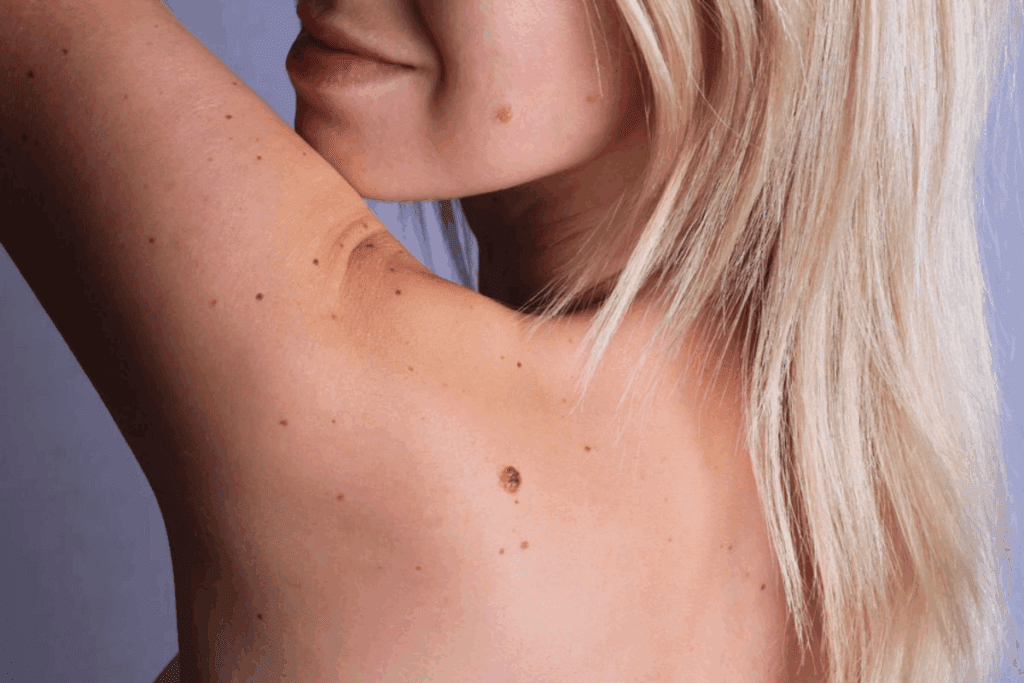
Skin skin cancer is a big health problem worldwide. Every year, about 2 to 3 million people get non-melanoma skin cancer. At Liv Hospital, we know catching it early is key. If found early, the cure rate is almost 100%.
Imagine finding a strange mark on your skin and wondering if it’s serious. Understanding what skin cancer looks like is important. It helps spot the early signs of melanoma, basal cell carcinoma, and squamous cell carcinoma on different parts of the body.
Our visual guide helps you spot the early signs of skin cancer. Look out for changing moles, dome-shaped growths, scaly patches, and sores that won’t heal. Catching it early with your own eyes and medical help can greatly improve your chances of getting better.
Key Takeaways
- Early detection of skin cancer significantly improves treatment outcomes.
- Skin cancer can appear in various forms, including changing moles and non-healing sores.
- A visual guide can help identify possible skin cancer symptoms.
- Approximately 2 to 3 million non-melanoma skin cancer cases are diagnosed worldwide each year.
- The cure rate for skin cancer is 99% when detected in its earliest stages.
Understanding Skin Cancer: Types and Prevalence

It’s important to know about the different types of skin cancer and how common they are. Skin cancer is mainly split into three types: basal cell carcinoma, squamous cell carcinoma, and melanoma. Each type has its own features and different rates of occurrence.
Global and U.S. Statistics
Skin cancer is a common cancer worldwide. In the U.S., it’s expected that about 212,200 new melanoma cases will be diagnosed in 2025. Globally, the numbers are even higher, with millions of new cases every year.
| Type of Skin Cancer | Estimated Annual Cases (U.S.) | Global Prevalence |
| Basal Cell Carcinoma | 4 million+ | High |
| Squamous Cell Carcinoma | 1 million+ | Moderate to High |
| Melanoma | 212,200 (2025 estimate) | Low to Moderate |
These numbers show how big a problem skin cancer is for health worldwide.
Risk Factors for Developing Skin Cancer
There are several things that can increase your chance of getting skin cancer. These include:
- UV Exposure: Too much UV radiation from the sun or tanning beds is a big risk.
- Fair Skin: People with fair skin, light hair, and light eyes are more at risk.
- Family History: If your family has had skin cancer, you’re more likely to get it too.
- Previous Skin Cancer: If you’ve had skin cancer before, you’re more likely to get it again.
The ABCDE Method for Identifying Melanoma
The ABCDE method is a key tool for spotting melanoma, the most serious skin cancer. It helps people find moles or spots that might need a doctor’s check-up.
Asymmetry
Look for asymmetry first. If a mole isn’t even, it could be a sign. Try drawing a line through the mole’s center. If the halves don’t match, it’s likely asymmetrical.
Border Irregularity
A mole with an irregular edge is a red flag. Healthy moles have smooth, even borders.
Watch for these signs:
- Notched edges
- Ragged or uneven borders
- Blurred edges that are hard to define
Color Variation
Melanomas often have different colors or uneven color distribution. Be wary of moles with brown, black, red, white, or blue shades.
Seeing many colors in a mole is a big warning sign of melanoma.
Diameter
Melanomas are usually bigger than normal moles. A size over 6mm (like a pencil eraser) is suspicious.
Keep an eye on your moles’ sizes. Changes can mean melanoma.
Using the ABCDE method helps spot cancerous moles. If you see any odd signs, get a doctor’s check-up.
What Does Cancer Look Like Pictures: Visual Identification Guide
Skin cancer can show up in many ways. It’s important to know what to look for in skin cancer pictures. Spotting skin cancer early is key, and knowing the signs can help a lot.
Early Warning Signs
The first signs of skin cancer include unusual changes in the skin. These can be:
- New moles or growths
- Changes in the size, shape, or color of existing moles
- Sores that do not heal
- Red or pink patches on the skin
Knowing these early warning signs helps catch skin cancer early. This makes it easier to treat.
Progression of Visual Changes
As skin cancer gets worse, changes in the skin become more obvious. It’s important to watch for:
- The diameter of a mole or growth
- The color, which may become more uneven
- The texture, which may become more irregular
Understanding how skin cancer progresses helps. Recognizing these changes can lead to getting medical help sooner. This could save lives.
By learning about skin cancer pictures and the signs of progression, we can act early. This is a big step towards catching and treating skin cancer.
Basal Cell Carcinoma: Visual Identification
Knowing how to spot basal cell carcinoma early is key. It’s the most common skin cancer. Spotting it early can greatly improve treatment results.
Common Appearances and Textures
Basal cell carcinoma shows up in different ways. It might look like a bump that’s skin-colored or pink, or a flat, scaly patch. These spots usually pop up on sun-exposed areas, like the face.
The texture of these growths can vary. Some are smooth, while others are rough or scaly. They might also bleed or crust over, which is a telltale sign.
Growth Patterns and Development
Basal cell carcinoma grows slowly. It gets bigger over time. Catching it early is important to avoid bigger problems and easier treatments.
Even though it’s not usually deadly, it can damage tissue if not treated. So, it’s important to know what to look for and see a doctor if you find anything suspicious.
Squamous Cell Carcinoma: Visual Guide
Squamous cell carcinoma is a common skin cancer. It’s important to know how it looks to catch it early. We’ll look at what makes it stand out and how it shows up on the skin.
Distinguishing Features
Squamous cell carcinoma can look different, but it often has a firm, red nodule or a scaly, crusted flat lesion. These can pop up on sun-damaged skin, like the face, ears, and hands.
Key characteristics include:
- A firm, rough texture
- Red or pink coloration
- Scaly or crusted surface
- Potential for bleeding or ulceration
| Feature | Description |
| Texture | Firm, rough |
| Color | Red, pink |
| Surface | Scaly, crusted |
Typical Presentation on Skin
Squamous cell carcinoma often shows up on sun-exposed skin. This includes the arms, hands, and fingers. It usually looks like a growing lesion that might bleed or crust over.
Spotting squamous cell carcinoma early is key. If you see any odd skin changes, like in sun-exposed spots, see a dermatologist.
Melanoma: The Most Dangerous Form
Melanoma is the deadliest skin cancer. It often starts in moles or shows up as dark spots. Knowing how to spot it early is key to treating it effectively.
Visual Differences from Normal Moles
Melanoma looks different from normal moles. Look for signs like asymmetry, irregular borders, color changes, and size (the ABCDE rule). Melanomas are usually bigger and have uneven edges and colors.
Normal moles are symmetrical, have smooth edges, and one color. Melanomas are not symmetrical, have rough edges, and can have many colors.
Rare Types and Their Appearance
Most melanomas are pigmented, but some are not. Amelanotic melanoma looks like a pink or flesh-colored bump. Other rare types include nodular melanoma, which grows fast, and desmoplastic melanoma, linked to sun damage.
These rare types are hard to spot because they don’t always follow the ABCDE rule. Knowing about these variations is important for catching them early.
| Type of Melanoma | Appearance | Characteristics |
| Amelanotic Melanoma | Pink or flesh-colored bump | Lack of pigment, can be mistaken for other skin lesions |
| Nodular Melanoma | Rapidly growing nodule | Can be pigmented or non-pigmented, grows in thickness quickly |
| Desmoplastic Melanoma | Often appears as a scar or firm bump | Associated with previous sun damage, can be challenging to diagnose |
Melanoma Scalp Photos and Detection Challenges
Melanoma on the scalp is hard to find because it’s hidden by hair. It’s important to check your scalp often, if you’ve been in the sun a lot or have a family history of melanoma.
Scalp melanoma photos can help you recognize signs like new or changing moles. Finding it early is vital because scalp melanoma can grow fast.
Do regular self-checks and see a doctor often to catch problems early.
Skin Cancer by Location: How It Appears on Different Body Parts
It’s important to know how skin cancer shows up on different parts of the body. This knowledge helps in catching it early. We’ll look at how it appears on the face, scalp, arms, hands, back, and torso.
Face and Head
The face and head are often where skin cancer shows up because of sun exposure. Basal cell carcinoma might look like a small, shiny bump or a pink patch. Squamous cell carcinoma can appear as a firm, red nodule or a scaly patch. Melanoma on the face is dangerous because it can spread quickly.
Scalp
The scalp is also at high risk, mainly for those with thinning hair or baldness. Melanoma here can be hard to spot and might look like a new mole or a change in an old one. It’s key to check the scalp regularly for early signs.
Arms and Hands
Skin cancer on the arms and hands often comes from long-term sun exposure. Squamous cell carcinoma and basal cell carcinoma are common here. Watch for unusual growths, changes in skin texture, or new pigmentation.
Back and Torso
The back and torso are also at risk for skin cancer, with melanoma being a big concern. Look out for irregular moles or changes in existing ones. Regular self-checks are important to catch any suspicious changes early.
| Body Location | Common Types of Skin Cancer | Appearance |
| Face and Head | Basal Cell Carcinoma, Squamous Cell Carcinoma, Melanoma | Small shiny bumps, pink patches, firm red nodules, scaly patches |
| Scalp | Melanoma | New or changing moles |
| Arms and Hands | Squamous Cell Carcinoma, Basal Cell Carcinoma | Unusual growths, changes in skin texture, new pigmentation |
| Back and Torso | Melanoma | Irregular moles, changes in existing moles |
Non-Melanoma Skin Cancers: Visual Identification
It’s important to know how to spot non-melanoma skin cancers early. These cancers, like basal cell and squamous cell carcinoma, can look different. So, it’s key to recognize their signs.
Cancer Bumps on Skin Pictures
Non-melanoma skin cancers show up as bumps or lesions. They can be shiny, firm, and pale, or red and scaly. Basal cell carcinoma often looks like a small, shiny bump. It usually shows up on sun-exposed areas like the face or neck.
What Does Sun Cancer Look Like
“Sun cancer” is a term for skin cancers from too much sun. Squamous cell carcinoma looks like a firm, red nodule or a flat sore with a scaly crust. These spots can grow slowly and might bleed or get crusty.
Face Cancer Types and Their Appearance
Face cancers can look different. Basal cell carcinoma might be a small, pearly bump. Squamous cell carcinoma can be a firm, red nodule. It’s important to watch for any new or changing growths on the face.
Regular self-checks and yearly visits to the dermatologist are key. Knowing the signs of non-melanoma skin cancers helps keep your skin healthy.
Early vs. Advanced Skin Cancer: Visual Progression
Skin cancer changes from small lesions to big tumors. It’s important to spot these changes early. This helps in catching and treating it on time.
Skin Cancer Beginning Pictures
At first, skin cancer looks like small, harmless spots. These can be basal cell carcinoma, squamous cell carcinoma, or melanoma. Finding these spots early is key to stopping them from getting worse.
“Early detection is key to surviving skin cancer,” say dermatologists. We’ll show you how to spot these signs with pictures and expert tips.
How Skin Cancer Looks Over Time
As skin cancer grows, it looks different. Lesions can get bigger, change color, or become irregular. Watching these changes is important to track the disease’s progress.
- Changes in size or color
- Irregular borders or shapes
- Symptoms such as bleeding or itching
Advanced skin cancer looks like big, open sores or many spots on the skin. Knowing these signs helps in getting medical help quickly.
Small Skin Cancer on Face: Early Detection
Skin cancer on the face is risky because it’s close to important parts. Spotting small, possibly cancerous spots early is key.
Do regular self-checks and see a dermatologist if you notice anything odd. “Being aware and careful is our best defense against skin cancer,” say experts.
When to See a Dermatologist: Warning Signs
It’s important to know the signs of skin cancer early. This can help with treatment. We’ll show you when to see a dermatologist.
Dark Spot Skin Cancer: Distinguishing Features
Dark spot skin cancer is linked to melanoma. It shows up as new or changing moles. Look for moles that are not symmetrical, have irregular borders, change color, or are bigger than a pencil eraser. If you see these signs, get professional help.
Unusual Skin Changes That Warrant Attention
Other skin changes can also mean skin cancer. Watch for new growths, sores that don’t heal, and changes in skin texture or color. Spotting these early can save lives.
- New or changing moles
- Sores that bleed or don’t heal
- Red or pink patches on the skin
Self-Examination Tips
Checking your skin regularly is key to finding cancer early. Here’s how to do a self-exam:
- Look at your skin in a bright room, using mirrors.
- Check all parts of your body, even hard-to-see spots.
- Find any new or changing skin spots.
- Write down any odd changes and see a dermatologist.
Being proactive and knowing the signs can help fight skin cancer.
Conclusion: Early Detection Saves Lives
Early detection is key in fighting skin cancer. When caught early, the cure rate is 99%. This shows how important awareness and prevention are.
We’ve looked at different skin cancers, how to spot them, and the need for self-examination. Understanding risks and early signs helps us prevent skin cancer. Regular visits to the dermatologist and watching for skin changes can lower the risk of advanced cancer.
It’s vital to spread the word about early skin cancer detection. This way, we can help people take care of their skin. Skin cancer awareness and prevention are essential for everyone’s health.
Let’s all work together to make skin cancer awareness a priority. This will help save lives and improve health worldwide.
FAQ
What are the common signs of skin cancer on the face?
Skin cancer on the face can show up as new or changing growths. Look out for sores that don’t heal or unusual moles. Watch for any growths that are not symmetrical, have irregular borders, or change color.
How does basal cell carcinoma typically appear?
Basal cell carcinoma often looks like a small, shiny bump or a pink patch. It might have a depression or a crust in the center. It can also be a firm, pale, or yellowish area.
What does squamous cell carcinoma look like?
Squamous cell carcinoma looks like a firm, red nodule or a flat sore. It might have a scaly or crusted surface. It can bleed or develop a crust and grow quickly.
How can I identify melanoma on the scalp?
Melanoma on the scalp can be hard to spot. Look for moles or growths that are not symmetrical or have irregular borders. Also, watch for growths with multiple colors. Regular self-checks and awareness of changes are key.
What are the visual characteristics of skin cancer on different body parts?
Skin cancer looks different on different parts of the body. On the face, it might be a new growth or a changing mole. On the scalp, it can be hidden by hair, so regular checks are important. On the arms, hands, back, and torso, watch for any unusual changes or growths.
How does skin cancer progress over time?
Skin cancer can start small and look harmless but grow into a larger, more invasive tumor. Early stages might be subtle, while later stages can be more noticeable, with increased size, color change, or bleeding.
What are the warning signs that indicate I should see a dermatologist?
Warning signs include new or changing skin growths, dark spots, or unusual skin changes. Look out for any growths that are not symmetrical, have irregular borders, or change color. If you notice any of these, see a dermatologist.
How can I perform a self-examination for skin cancer?
To check for skin cancer, look at your skin regularly, using a mirror to see hard-to-see areas. Watch for any new or changing growths. Also, be aware of any unusual sensations or bleeding. If you have concerns, see a dermatologist.
What does sun cancer (squamous cell carcinoma) typically look like?
Sun cancer, or squamous cell carcinoma, often looks like a firm, red nodule or a flat sore. It usually has a scaly or crusted surface and is found on sun-exposed areas.
Are there different types of skin cancer on the face?
Yes, there are several types of skin cancer on the face, including basal cell carcinoma, squamous cell carcinoma, and melanoma. Each type has its own look.
References
National Center for Biotechnology Information. (2025). What Does Skin Cancer Look Like Visual Guide. Retrieved from https://www.ncbi.nlm.nih.gov/pmc/articles/PMC5480135/