Last Updated on November 25, 2025 by Ugurkan Demir

Cardio training, or cardiovascular exercise, makes your heart rate go up. It helps your heart and lungs work better. At Liv Hospital, we know how important it is for your health. what does cardio training do health, burns calories, and improves your mood. Try walking, cycling, running, rowing, dancing, or swimming to see the benefits for yourself.
Cardio training offers many health benefits. It strengthens your heart and lungs. It also helps you live a more balanced life. Let’s look at how cardio training can improve your health.
Key Takeaways
- Cardio training improves cardiovascular health and efficiency.
- Regular cardio exercise can burn calories and aid in weight management.
- It enhances mental well-being and reduces stress levels.
- Cardio training involves various activities such as walking, cycling, and swimming.
- Incorporating cardio into your routine can lead to a more balanced lifestyle.
Understanding Cardio Training: Definition and Basics
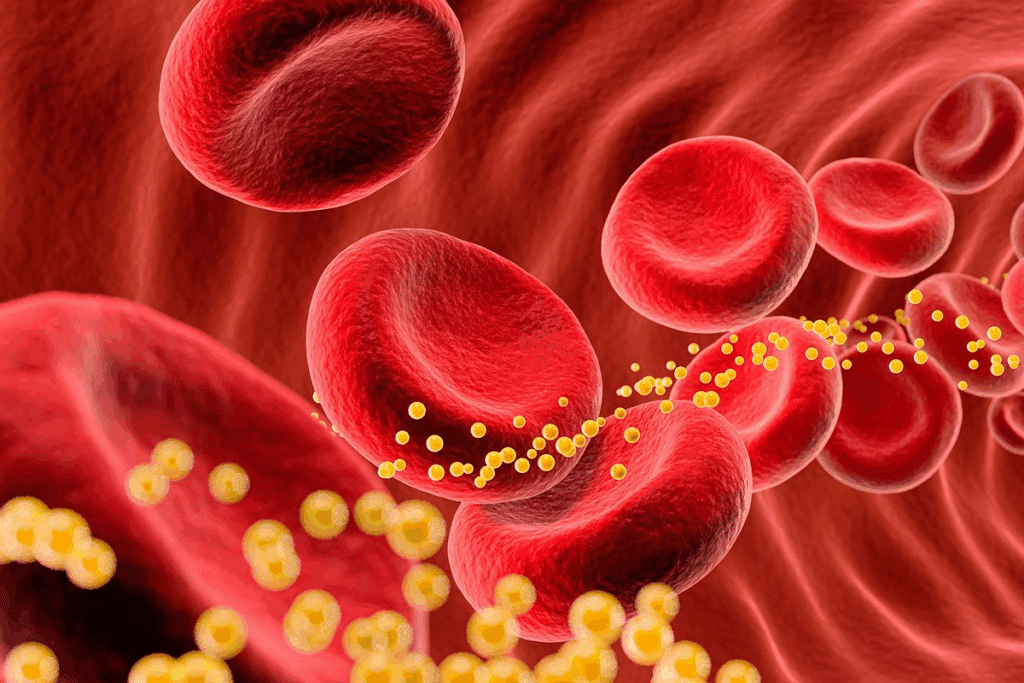
To grasp the benefits of cardio training, we must first define it. Cardiovascular exercise, or cardio, is any activity that boosts your heart rate. It also improves the health of your heart, lungs, and circulation system.
What Exactly is Cardiovascular Exercise?
Cardio workout means any exercise that raises your heart rate and breathing. This enhances cardiovascular fitness. It’s key for better heart health, stamina, and calorie burning. what does cardio training do the risk of heart disease, improve mental health, and boost overall energy levels.
Examples of cardio activities include running, cycling, swimming, and dancing. These activities are effective at burning calories and improving cardiovascular health. The key characteristic of cardio exercise is that it’s sustained over a period, typically 15-60 minutes per session, and is performed at moderate to high intensity.
Common Types of Cardio Activities
There are various forms of cardio exercises, catering to different preferences and fitness levels. Some common types include:
- Running or jogging
- Cycling or spin classes
- Swimming or water aerobics
- Dancing or Zumba
- High-Intensity Interval Training (HIIT)
- Brisk walking or hiking
Each of these activities offers a unique way to improve cardiovascular health. For instance, swimming is a low-impact exercise that’s easy on the joints. HIIT involves short bursts of high-intensity exercise that can be very effective for burning calories.
| Cardio Activity | Intensity Level | Caloric Burn (approx. per hour) |
| Running | High | 600-800 |
| Cycling | Moderate to High | 400-1000 |
| Swimming | Moderate to High | 450-700 |
| Dancing | Moderate | 300-600 |
Understanding these basics is key for developing an effective workout routine. It should meet your fitness goals and preferences.
What Does Cardio Training Do to Your Body?

Cardio exercises change our bodies in many ways. They boost oxygen delivery, strengthen the heart, and lower disease risk. But what happens inside our bodies when we do these exercises?
The Science Behind Cardiovascular Exercise
Cardiovascular exercise increases the heart rate and improves oxygen and nutrient transport to muscles. This makes the cardiovascular system more efficient. Regular cardio training strengthens the heart, allowing it to pump blood better.
This leads to better oxygen delivery to muscles, improving physical performance.
Short-Term vs. Long-Term Effects
The effects of cardio training are both immediate and long-lasting. Short-term, it boosts cardiovascular function, mood, and energy. Long-term, it improves heart health and oxygen delivery.
Regular cardio also helps with weight management and lowers the risk of chronic diseases. So, what does cardio do to our bodies? It improves our cardiovascular health and overall well-being.
Knowing the science behind cardio helps us make better fitness choices. By adding cardio to our routines, we can enjoy these benefits and live a healthier, more active life.
Benefit #1: Strengthening Your Heart and Circulatory System
Cardio training is great for your heart and blood flow. It makes your heart work better and boosts your blood system’s health.
Improving Heart Muscle Efficiency
Cardio makes your heart muscle stronger. This means your heart pumps blood more efficiently. It works less hard, which can lower heart disease risk.
Key improvements in heart muscle efficiency include:
- Increased stroke volume, allowing more blood to be pumped with each beat
- Enhanced cardiac output, improving overall circulation
- Better adaptation to physical demands, reducing fatigue
Enhancing Blood Vessel Function
Cardio also makes blood vessels work better. This includes making arteries and veins more flexible and responsive. It helps control blood pressure better.
The benefits of enhanced blood vessel function are multifaceted:
- Improved vasodilation, allowing for better blood flow
- Enhanced endothelial function, reducing inflammation
- Better overall circulation, supporting muscle and organ health
| Cardio Benefit | Description | Impact on Health |
| Heart Muscle Efficiency | Increased stroke volume and cardiac output | Reduced risk of heart disease |
| Blood Vessel Function | Improved vasodilation and endothelial function | Better blood pressure regulation |
Cardio training boosts both heart muscle and blood vessel function. This strengthens your heart and blood system. It improves your heart health and lowers disease risk.
Benefit #2: Boosting Oxygen Delivery and Lung Capacity
Cardio training is key to better oxygen delivery and lung function. It helps our body move oxygen to muscles, boosting endurance and performance.
Respiratory System Improvements
Cardio exercise makes our respiratory system stronger. Our lungs get better at taking in oxygen and getting rid of carbon dioxide. This happens through:
- Increased lung capacity, allowing for greater oxygen intake
- Enhanced efficiency of the diaphragm and other respiratory muscles
- Better gas exchange between the lungs and bloodstream
Oxygen Utilization at the Cellular Level
Cardio also boosts how well our body uses oxygen at a cellular level. This is due to:
- Increased mitochondrial density in muscle cells
- Improved myoglobin levels to store oxygen for muscle use
- More efficient energy production pathways within cells
To show how cardio affects oxygen delivery and lung capacity, let’s look at some data:
| Cardio Activity | Improvement in Lung Capacity | Enhancement in Oxygen Delivery |
| Running | 20-30% | High |
| Cycling | 15-25% | Moderate to High |
| Swimming | 25-35% | High |
Different cardio activities improve lung capacity and oxygen delivery in different ways. Mixing them up can greatly improve your respiratory health and physical performance.
Benefit #3: Effective Calorie Burning and Weight Management
Cardio training is a great way to burn calories and manage weight. Adding cardio exercises to your routine boosts your calorie-burning ability. This is true both during and after you exercise.
We’ll look at how cardio training helps with calorie burning. We’ll see how it creates a caloric deficit and compare different cardio activities. Knowing this can help you plan your workouts to meet your weight goals.
How Cardio Creates a Caloric Deficit
A caloric deficit happens when you burn more calories than you eat. Cardio exercises raise your heart rate and energy use. This makes your body burn more calories.
Running, cycling, and swimming are top cardio exercises for burning calories. They use stored energy, like fat, to fuel your workouts. This not only burns calories during exercise but also leads to an afterburn effect. Your body keeps burning calories at a higher rate even after you stop exercising.
Comparing Calorie Burn Across Different Cardio Activities
Cardio activities burn calories at different rates. Running is one of the best for calorie burning. Swimming and rowing are also effective, working many muscles at once.
Here’s a comparison of calorie burn for different cardio activities in 30 minutes:
- Running (6 mph): 240-300 calories
- Swimming (moderate pace): 200-250 calories
- Cycling (moderate pace): 240-300 calories
- Rowing (moderate pace): 300-400 calories
By picking the right cardio activities and adding them to your routine, you can manage your weight. This helps you reach your health goals.
Benefit #4: Reducing Blood Pressure and Improving Cholesterol
Cardio training is great for lowering blood pressure and improving cholesterol. It makes your heart and blood vessels healthier. This is good for your heart.
Mechanisms Behind Blood Pressure Reduction
Cardio training strengthens your heart. This lets it pump blood better. Your heart doesn’t have to work as hard, which lowers blood pressure.
It also makes blood vessels more flexible. This helps blood flow better. Good blood flow is key for healthy blood pressure.
Here’s a table showing how cardio affects blood pressure:
| Category | Before Cardio Exercise | After Cardio Exercise |
| Average Systolic Blood Pressure | 140 mmHg | 120 mmHg |
| Average Diastolic Blood Pressure | 90 mmHg | 80 mmHg |
Balancing HDL and LDL Cholesterol Levels
Cardio also helps balance good and bad cholesterol. It raises HDL cholesterol, which is good. It lowers LDL cholesterol, which is bad.
Regular cardio exercise brings these benefits. It improves your health and lowers heart disease risk.
Benefit #5: Enhancing Mood and Mental Health
Cardio training does more than just improve our physical health. It also boosts our mental health and mood. Regular cardio exercise can make us feel happier and healthier.
Endorphin Release and the “Runner’s High”
Cardio training releases endorphins, known as “feel-good” hormones. These hormones are released during exercise and make us feel less pain and more well. This feeling is called the “runner’s high.”
Endorphins play a key role in making us feel better. They activate the brain’s reward system, bringing happiness and calm. Regular exercise leads to more endorphins, improving our mood and lowering stress.
Stress Reduction and Anxiety Management
Cardio training also helps manage stress and anxiety. It lowers stress hormones and improves sleep. Adding cardio to our daily routine can help us handle anxiety better.
Research shows active people have less stress and anxiety than inactive ones. Exercise distracts us from daily stress and changes our body in positive ways.
| Cardio Activity | Mood Enhancement Effect | Stress Reduction Effect |
| Running | High | High |
| Cycling | Moderate to High | Moderate to High |
| Swimming | Moderate | High |
Adding cardio to our lives improves both physical and mental health. Endorphins and lower stress hormones boost our mood and reduce anxiety. This makes cardio a great way to keep our minds healthy.
Benefit #6: Improving Sleep Quality and Energy Levels
Regular cardio training can greatly improve sleep quality and boost energy. Adding cardio to your routine can bring these benefits to life. We’ll look at how cardio affects sleep cycles and the best workout times for better sleep.
How Cardio Regulates Sleep Cycles
Cardio exercise deeply affects our sleep patterns. It helps control our sleep cycles, leading to deeper, more restful sleep. This happens through several ways:
- Reducing stress and anxiety, common sleep barriers
- Regulating body temperature for better sleep
- Boosting sleep-promoting hormones
Understanding these mechanisms helps us see how cardio improves sleep quality.
Timing Your Workouts for Optimal Sleep Benefits
The timing of your cardio workouts affects sleep. While regular exercise is good, the timing can either help or hurt sleep quality.
| Workout Timing | Impact on Sleep |
| Morning | Can help regulate circadian rhythms and improve sleep quality |
| Afternoon | May enhance sleep quality by reducing stress and promoting relaxation |
| Evening | Can interfere with sleep if done too close to bedtime; avoid vigorous exercise within 2 hours of bedtime |
By timing your workouts right, you can maximize cardio’s sleep benefits. It’s key to find a balance that fits your schedule and preferences.
In conclusion, adding cardio to your routine can greatly improve sleep quality and energy. By understanding how cardio affects sleep cycles and timing workouts well, you can enhance these benefits. This leads to a restful night’s sleep.
Benefit #7: Boosting Brain Health and Cognitive Function
Cardio exercise does more than just improve physical health. It also boosts brain health and cognitive abilities. We’ll look at how it affects brain health, focusing on better blood flow and protection against cognitive decline.
Increased Blood Flow to the Brain
Cardio exercise makes your heart healthier, which means more blood flows to your brain. This brings more oxygen and nutrients to brain cells. Studies show it can improve memory, learning speed, and problem-solving skills.
Enhanced cognitive function is a lasting benefit. It helps the brain adapt and change, a key concept called neuroplasticity.
Protection Against Age-Related Cognitive Decline
As we get older, our risk of cognitive decline grows. But regular cardio exercise can lower this risk. It improves heart health, reduces inflammation, and may even help grow new neurons.
A study in a top medical journal found that regular cardio lowers Alzheimer’s risk. The table below shows key findings from various studies on cardio and cognitive health.
| Study | Cardio Exercise Type | Cognitive Benefits |
| Study 1 | Running | Improved memory, reduced risk of cognitive decline |
| Study 2 | Cycling | Enhanced problem-solving skills, better cognitive flexibility |
| Study 3 | Swimming | Reduced risk of dementia, improved cognitive function |
As the table shows, different cardio exercises offer cognitive benefits. Adding cardio to your routine can help keep your brain healthy and sharp as you age.
In conclusion, cardio exercise is great for brain health and cognitive function. By understanding its benefits and adding cardio to our lives, we can protect our cognitive abilities and brain health.
Benefit #8: Strengthening Your Immune System
Moderate cardio exercise is a key factor in strengthening our immune response. Regular cardiovascular activities can significantly enhance our body’s ability to fight off infections and diseases.
Moderate Cardio and Immune Response
Research has shown that moderate cardio exercise can have a positive impact on the immune system. It increases the circulation of white blood cells, which are vital for fighting off pathogens.
Studies have indicated that individuals who engage in regular, moderate-intensity cardio exercise tend to have lower rates of illness. This is compared to those who are sedentary or who overtrain.
Finding the Sweet Spot: Avoiding Overtraining
While moderate cardio is beneficial, it’s equally important to avoid overtraining. Overtraining can lead to immune suppression, making us more susceptible to illnesses.
Finding the right balance is key. The table below illustrates the impact of different levels of cardio exercise on the immune system.
| Exercise Level | Impact on Immune System |
| Sedentary | Weakened immune response |
| Moderate Cardio | Enhanced immune function |
| Overtraining | Suppressed immune response |
By understanding the benefits and risks associated with cardio exercise, we can tailor our workout routines. This maximizes immune system support while minimizing the risk of overtraining.
Benefit #9: Reducing Type 2 Diabetes Risk and Improving Metabolic Health
Cardio exercise is a strong tool for better insulin sensitivity and metabolic health. Adding regular cardio to your life can lower the chance of getting type 2 diabetes.
Regular cardio boosts insulin sensitivity and controls blood sugar, lowering type 2 diabetes risk. It does this by making the body use insulin better.
Improving Insulin Sensitivity
Insulin sensitivity lets the body use insulin well, letting glucose get into cells. Cardio exercise makes it easier for glucose to get into muscles, lowering blood sugar.
Studies show cardio exercise greatly improves insulin sensitivity. For example, a study in the Journal of Clinical Endocrinology and Metabolism found aerobic exercise helped adults with type 2 diabetes.
“Aerobic exercise training improves insulin sensitivity and glucose metabolism in people with type 2 diabetes.”
Managing Blood Glucose Levels
Cardio exercise is key in managing blood glucose. It helps the body use insulin better, keeping blood sugar healthy and preventing diabetes complications.
| Cardio Activity | Impact on Blood Glucose |
| Running | Improves insulin sensitivity, reducing blood glucose levels |
| Cycling | Enhances glucose uptake in muscles, lowering blood glucose |
| Swimming | Increases insulin sensitivity, improving glucose metabolism |
As shown in the table, different cardio activities help control blood glucose, improving metabolic health.
In conclusion, adding cardio to your routine can greatly lower type 2 diabetes risk and improve metabolic health. It boosts insulin sensitivity and manages blood glucose, making it a powerful tool against diabetes.
Benefit #10: Working Multiple Muscle Groups Simultaneously
Cardio activities do more than boost heart health. They also work out many muscle groups at once. This makes cardio a great way to get fit all around.
Muscle Engagement in Different Cardio Activities
Each cardio activity works different muscles in its own way. For example:
- Running mainly works the legs, glutes, and core.
- Cycling focuses on the legs and glutes, with some core work.
- Swimming works the whole body, including arms, legs, and core.
Knowing which muscles each activity targets helps you plan your workouts better. This way, you can reach your fitness goals more effectively.
Combining Cardio with Strength Training for Maximum Benefit
Cardio is great for heart health and burning calories. But adding strength training boosts fitness even more. Strength training builds muscle, which helps your metabolism and body shape.
Here are some tips for mixing cardio and strength training:
- Switch between cardio and strength days to recover well.
- Do strength exercises that work many muscles at once, like squats and bench press.
- Try high-intensity interval training (HIIT) for a mix of cardio and strength.
By combining cardio and strength training, you get a more balanced fitness level. This improves your overall health.
Benefit #11: Extending Lifespan and Improving Quality of Life
Cardio training does more than just help you stay fit. It can make your life longer and more enjoyable. As we get older, it’s key to keep moving well and staying active.
Research on Cardio and Longevity
Many studies have looked into how cardio affects how long we live. They show that regular cardio can help us live longer and lower the chance of dying early. This is because cardio keeps our hearts and blood vessels healthy.
A study in the Journal of the American Heart Association found something interesting. People who exercised regularly had a lower risk of heart disease and death. Cardio helps in many ways, improving our health overall.
Maintaining Mobility and Independence as You Age
Regular cardio is great for staying mobile and independent as we age. It helps keep our muscles strong, flexible, and our hearts healthy. This is important for doing everyday tasks and staying connected with others.
Cardio also helps prevent falls and broken bones, big concerns for older people. By adding cardio to their lives, people can stay independent and enjoy a better quality of life as they get older.
In summary, cardio training is key to living longer and better. By knowing its benefits and making it part of their routine, people can lead healthier, happier lives.
Conclusion: Making Cardio a Sustainable Part of Your Lifestyle
To get the most out of cardio training, we need to make it a regular part of our lives. We should pick activities we like and mix them up to keep things interesting. This helps us avoid getting bored and prevents injuries.
Adding different cardio exercises like running, swimming, and cycling to our routine is important. This way, we can keep up with cardio workouts consistently. A steady cardio practice is essential for lasting lifestyle changes.
We suggest starting with easy goals and then slowly making our workouts harder and longer. This method helps us make cardio a habit. It leads to a healthier and more balanced life.
By making cardio a regular part of our lives, we can boost our health and well-being. It reduces the risk of chronic diseases and improves our quality of life.
FAQ
What is cardio training and how does it contribute to overall health?
Cardio training, or cardiovascular exercise, is any activity that raises your heart rate. It improves the health of your heart, lungs, and circulation system. It helps burn calories and boosts your mood, making you healthier overall.
What are the common types of cardio activities?
Common cardio activities include running, cycling, and swimming. These exercises are great for your heart and can fit any fitness level.
What are the short-term and long-term effects of cardio training on the body?
Short-term, cardio training makes your heart and lungs work better and lifts your mood. Long-term, it strengthens your heart, helps with weight control, and lowers disease risk.
How does cardio training strengthen the heart and circulatory system?
Cardio training makes your heart and blood vessels stronger. This improves your overall heart health.
What are the benefits of cardio training for weight management?
Cardio training is key for managing weight. It helps you burn calories and keep weight off over time.
Can cardio training help reduce blood pressure and improve cholesterol levels?
Yes, cardio training can lower blood pressure and improve cholesterol. This reduces your risk of heart disease.
How does cardio training impact mental health?
Cardio training boosts your mood and reduces stress. It releases endorphins, making you feel happy and well.
What are the benefits of cardio training for brain health?
Cardio training improves brain function and may prevent age-related brain decline. It’s good for your brain.
Can cardio training help improve sleep quality and energy levels?
Yes, cardio training can improve sleep and energy. Timing your workouts right can enhance these benefits.
How does cardio training affect immune function?
Moderate cardio exercise boosts your immune system. But, avoid overtraining to get the most benefits.
What are the benefits of cardio training for reducing the risk of type 2 diabetes?
Cardio training lowers the risk of type 2 diabetes. It improves insulin sensitivity and blood sugar control.
How can cardio training be made a sustainable part of a lifestyle?
Make cardio training sustainable by choosing fun activities. Mix up your routine to keep it interesting and consistent.
References
- Mwalimu, J., & Cooper, A. (2024). Multiple variations in abdominal aorta branching with special reference to the presence of accessory renal arteries from an East African female cadaver. Surgical and Radiologic Anatomy, 46(8), 929-934. https://www.ncbi.nlm.nih.gov/pmc/articles/PMC11441833/