Last Updated on November 14, 2025 by Ugurkan Demir

Folic acid is a man-made version of vitamin B9. It’s key for DNA synthesis, cell division, and making red blood cells. It’s most famous for stopping neural tube defects in pregnant women. Foods are often fortified with it, and it’s in many supplements because of its many benefits.Discover what does folic acid do, its essential body roles, top benefits, and possible health risks.
Folic acid is very important for our health. Knowing how it works, its good points, and possible downsides helps us make smart choices about using it.
Key Takeaways
- Folic acid is vital for DNA synthesis and cell division.
- It stops neural tube defects in pregnancy.
- Folic acid is often added to fortified foods and used in supplements.
- Understanding its benefits and risks is key to good health.
- Folic acid is important for healthy red blood cells.
The Science Behind Folic Acid

Folic acid and folate are two forms of Vitamin B9. They are important for our bodies. But they are not the same thing.
The Difference Between Folic Acid and Folate
Folic acid is made in labs and used in supplements and fortified foods. It’s stable and cheap. Folate, found in foods like leafy greens and citrus fruits, is the natural form of Vitamin B9.
Folate includes all Vitamin B9 forms, like folic acid and 5-MTHF. The main difference is how our bodies use them. Folic acid must be changed into 5-MTHF by the liver. This can be slow, leaving unconverted folic acid in our blood.
How Folic Acid Functions in the Body
After being changed into folate, it helps with DNA synthesis and repair. It’s essential for cell growth and division. It also helps make red blood cells, preventing anemia.
Folate is key to red blood cell formation. It helps make heme, a part of hemoglobin. Without enough folate, we can get megaloblastic anemia, with big, abnormal red blood cells.
“Folate is vital for preventing anemia and keeping our cells working right.”
What Does Folic Acid Do?

Folic acid is a key nutrient that helps in many ways. It’s important for keeping our bodies healthy and working properly.
Essential Role in DNA Synthesis and Cell Division
Folic acid is essential for DNA synthesis and repair. It’s vital for cell division. Without enough, cells can’t divide properly, causing health problems.
It’s most important for cells that grow fast, like those in the bone marrow and gut.
When cells divide, they make new DNA strands. Folic acid helps make tetrahydrofolate, which is needed for DNA building blocks.
Critical Function in Red Blood Cell Formation
Folic acid is critical for making red blood cells. It helps make heme, a part of hemoglobin that carries oxygen. Without enough, you might get anemia, feeling tired and weak.
| Process | Folic Acid’s Role | Consequence of Deficiency |
| DNA Synthesis | Precursor to tetrahydrofolate for purine and pyrimidine synthesis | Impaired cell division |
| Red Blood Cell Formation | Necessary for heme production and hemoglobin synthesis | Anemia, fatigue, weakness |
| Energy Production | Involved in the metabolism of amino acids and fatty acids | Impaired energy production |
Metabolism and Energy Production
Folic acid helps in metabolizing amino acids and fatty acids. It’s important for making energy from food. This energy is needed for our body’s functions.
Metabolizing nutrients is complex. Folic acid helps turn homocysteine into methionine. Methionine is key to many body functions.
10 Key Benefits of Folic Acid
Folic acid is key to health, helping prevent birth defects and supporting mental health. It plays a big role in our bodies, making it very beneficial.
Prevention of Neural Tube Defects
Folic acid is vital in preventing neural tube defects (NTDs) in babies. Neural tube defects happen when the neural tube doesn’t close properly during fetal development. Taking folic acid before and during pregnancy can greatly lower the risk of NTDs.
Reduced Risk of Cardiovascular Disease
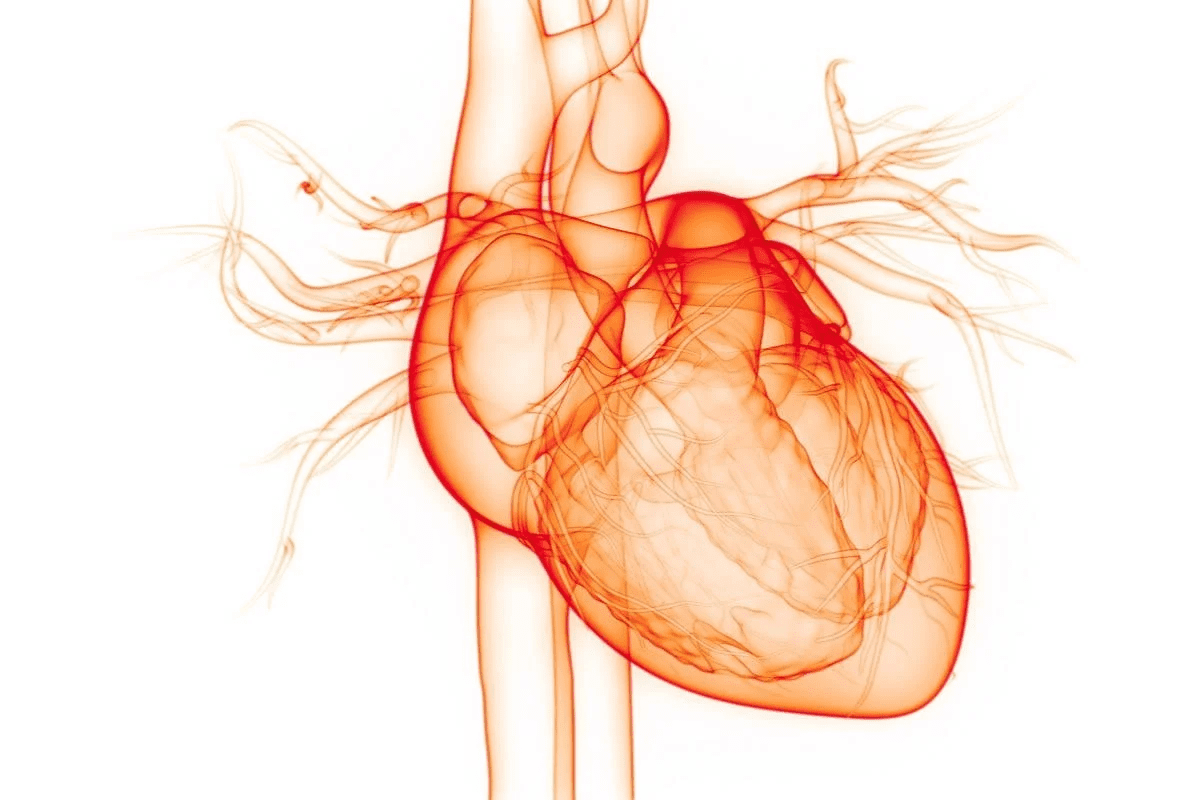
Folic acid also helps lower the risk of cardiovascular disease. It keeps homocysteine levels in the blood low, which is good for the heart. This supports heart health.
Support for Mental Health and Brain Function
Folic acid is also good for mental health and brain function. It helps make neurotransmitters like serotonin and dopamine, which are key to mood. Some research shows it might help with depression and anxiety.
Cancer Risk Reduction
Folic acid might also lower the risk of some cancers. The link between folic acid and cancer is complex, but some studies suggest it could help prevent colorectal and other cancers.
In summary, folic acid has many benefits, from preventing birth defects to supporting mental health and possibly reducing cancer risk. Making sure we get enough of this nutrient is important for our health.
Folic Acid in Pregnancy: Why It’s Essential
Folic acid is very important during pregnancy. It helps prevent serious birth defects. It’s a key nutrient for the fetus’s health and growth.
Preventing Birth Defects
Folic acid is key to avoiding neural tube defects (NTDs). NTDs are serious birth defects. They happen when the neural tube doesn’t close properly.y
Studies have shown that taking folic acid before and early in pregnancy lowers NTD risk. The neural tube forms early, often before women know they’re pregnant. So, having enough folic acid before getting pregnant is vital.
Recommended Intake Before and During Pregnancy
Pregnant women need 400-800 mcg of folic acid daily. Women planning to get pregnant should start supplements a month before. This ensures they have enough during the early stages of pregnancy.
- Women with a history of NTDs or other risk factors may need more.
- Eating foods with folic acid is good, but supplements are often needed to meet daily needs.
Timing of Supplementation
When to take folic acid matters a lot. Women should start one month before conception and keep taking it through the first trimester. This is when NTDs are most preventable.
| Stage | Recommended Folic Acid Intake |
| Pre-conception | 400-800 mcg/day |
| First trimester | 400-800 mcg/day |
| Women with NTD history | Higher doses as advised by the healthcare provider |
In summary, folic acid is vital for preventing birth defects, like NTDs, during pregnancy. Making sure to get enough before and during pregnancy is key to the fetus’s health.
Folic Acid Treatment for Deficiency
Folate deficiency can cause serious health problems, but folic acid treatment can help. Folate, or vitamin B9, is key for DNA, cell division, and red blood cells. Without enough folate, you might feel tired, weak, or have more serious issues.
Recognizing Folate Deficiency Symptoms
Spotting folate deficiency symptoms is the first step to getting better. Common signs include:
- Fatigue and weakness
- Pale skin
- Shortness of breath
- Dizziness
- Numbness or tingling in the hands and feet
These signs can look like other health issues. So, getting a proper diagnosis is key. Doctors often test your blood to check folate levels.
Treatment Protocols and Duration
Treatment for folate deficiency usually involves folic acid supplements. The amount and how long you take them depend on how bad the deficiency is and your health. Treatment plans might include:
- High doses at first to quickly fix the problem
- Lower doses to keep it from coming back
- Eating more foods rich in folate
How long you need treatment varies. But most people start feeling better in a few months.
Risk Factors for Deficiency
Some people are more likely to have folate deficiency. These include:
- Pregnant women need more folate
- People who don’t eat enough folate-rich foods
- Those with conditions like celiac disease or Crohn’s disease, which make it hard to absorb folate
- People taking certain medicines that affect folate
Knowing these risk factors helps catch folate deficiency early and treat it right away.
Why Use Folic Acid: Medical Applications
Folic acid has many uses in medicine. It helps manage homocysteine levels and treats some types of anemia. It’s a key supplement in many medical situations because of its role in the body.
Managing High Homocysteine Levels
High homocysteine levels can lead to heart disease. Taking folic acid can lower these levels, helping the heart. Research shows folic acid helps turn homocysteine into other amino acids.
This process involves changing homocysteine to methionine, which needs folic acid. Folic acid helps keep homocysteine levels healthy, cutting down heart disease risk.
Treatment for Certain Anemias
Folic acid treats some anemias, like those caused by folate deficiency. Folate deficiency anemia happens when the body can’t make enough red blood cells because of folate deficiency. Folic acid supplements help by adding folate back.
In cases of megaloblastic anemia, where red blood cells are too big, folic acid is often given. It’s important to find out why someone has anemia to see if folic acid is right for them.
Support
Folic acid also helps people taking certain medicines. For example, those on some anticonvulsants or drugs that mess with folate might need folic acid. It helps prevent side effects from folate deficiency.
Also, folic acid is suggested for people with certain health issues that make them need more folate. Keeping folate levels up helps them stay healthy and avoid problems from folate deficiency.
Dosage Guidelines: 1mg vs 5mg Folic Acid
Folic acid comes in different strengths, like 1mg and 5mg. Knowing the right dose is important. It helps get the most benefits without risks.
Standard Dosing Recommendations
Adults usually need 400 to 800 mcg of folic acid daily for health. But some people might need more.
1mg Folic Acid: This is often for those with folate deficiency or pregnancy to prevent birth defects.
Special Medical Conditions Requiring Higher Doses
Some health issues need more folic acid. For example, people with genetic disorders or on certain meds might need 5mg fof oof folic daily.
- Megaloblastic anemia due to folate deficiency
- Certain cases of homocysteinemia
- Pregnancy and lactation in women with a history of neural tube defects or other risk factors
Differences in Absorption and Effectiveness
How well folic acid works can change with dosage and personal factors. Higher doses might be needed for some, but absorption matters too.
In summary, picking between 1mg and 5mg of folic acid depends on your health needs. Always talk to a doctor before starting. Adjusting the dose is important for the best health results.
Folic Acid Side Effects
It’s important to know about the side effects of folic acid for safe use. Folic acid is usually safe, but it can cause problems at high doses.
Can Folic Acid Cause Diarrhea?
Folic acid can lead to stomach issues like diarrhea. This risk goes up with higher doses.
A study found that too much folic acid can upset your stomach. Watch how your body reacts and adjust your dose if needed.
1mg Folic Acid Side Effects
At 1mg, folic acid is mostly okay, but some people might get mild side effects. These can include:
- Minor stomach problems
- Skin issues
- Allergic reactions rarely
5mg Folic Acid Side Effects
5mg of folic acid can lead to more side effects. Some people might get worse stomach problems, like diarrhea. Always talk to a doctor before taking high doses.
Important things to remember with 5mg folic acid are:
- Watch for stomach problems
- Be ready for allergic reactions
- Know it might hide a vitamin B12 problem
In summary, folic acid is good for many, but knowing its side effects is key, esp. at high doses. Always talk to a healthcare expert before starting supplements.
Potential Risks of Folic Acid Supplementation
Folic acid is good for health, but it has risks. Taking it as directed is usually safe. Yet, there are risks to know about.
Masking Vitamin B12 Deficiency
Folic acid can hide a vitamin B12 deficiency. High doses of folic acid can fix anemia without fixing the brain damage. This can delay finding and treating vitamin B12 deficiency, leading to permanent brain damage.
Key risks of masking vitamin B12 deficiency include:
- Delayed diagnosis of vitamin B12 deficiency
- Irreversible neurological damage
- Increased risk of neurological complications
Interaction with Medications
Folic acid can mess with some medicines. It can make them not work right or cause more side effects. If you’re on certain medicines, talk to your doctor before taking folic acid.
Medications that may interact with folic acid include:
- Anticonvulsants (e.g., phenytoin, phenobarbital)
- Methotrexate (used in cancer treatment and for autoimmune diseases)
- Sulfasalazine (used in treating rheumatoid arthritis)
Cancer Considerations
The link between folic acid and cancer is complex. Some studies say high doses might help cancer grow. Others say there’s no big risk. More research is needed to know for sure.
Key considerations regarding cancer risk:
- The impact of folic acid on existing cancer cells
- The possible effect of folic acid on cancer development
- The need for more research on cancer risks
In summary, folic acid is good but has risks. It can hide vitamin B12 deficiency, mess with medicines, and might affect cancer risk. Always talk to your doctor before starting folic acid to make sure it’s right for you.
Special Forms and Alternatives
There are special forms and alternatives to folic acid supplements. These options cater to different needs and preferences. They can offer enhanced benefits or meet specific health requirements.
Folic Forte and Higher Potency Options
Folic Forte refers to higher-potency folic acid supplements. These are often needed by people who require more than the usual dose. They are found in standard multivitamins or folic acid supplements.
Key characteristics of Folic Forte include:
- Higher dosage: Contains more than the standard 1mg dose.
- Prescription strength: Recommended by healthcare providers for certain medical conditions.
- Enhanced absorption: Formulated for maximum bioavailability.
A comparison of standard folic acid and Folic Forte is provided in the table below:
| Characteristics | Standard Folic Acid | Folic Forte |
| Dosage | 1mg | 5mg or higher |
| Prescription Requirement | No | Yes |
| Bioavailability | Good | Enhanced |
Folsäure and International Variations
Folsäure is the German term for folic acid. It represents a broader category of international variations. Different countries have different formulations and potencies.
Notable international variations include:
- Different salt forms: Such as calcium folinate or folinic acid.
- Combination products: Often combined with other B vitamins or nutrients.
- Regional branding: Products may be formulated to meet local health regulations and preferences.
Natural Folate vs. Synthetic Folic Acid
The debate is between natural folate and synthetic folic acid. It focuses on their differences in bioavailability, efficacy, and safety.
Key differences include:
- Source: Natural folate is found in foods like leafy greens, while synthetic folic acid is manufactured.
- Bioavailability: Natural folate may be more easily utilized by the body.
- Stability: Synthetic folic acid is more stable and less prone to degradation.
Understanding these differences helps individuals make informed choices about their supplementation.
Is Folic Acid Good For You? Weighing Benefits Against Risks
Thinking about taking folic acid? It’s important to look at the good and the bad. Folic acid helps with DNA, red blood cells and prevents birth defects. But it’s not right for everyone. Knowing who benefits and who should be careful is key.
Who Should Take Folic Acid
Pregnant women should take folic acid to prevent birth defects. It’s also good for those with folate deficiency. This includes people with certain genetic conditions, on certain meds, or eating too little folate.
Others who might need folic acid include those with high homocysteine levels. It helps lower this risk factor for heart disease. Also, people with megaloblastic anemia might need it as part of their treatment.
Who Should Exercise Caution
Some groups should be careful with folic acid. Those with vitamin B12 deficiency should be cautious. Folic acid can hide B12 deficiency symptoms, which could harm the nervous system.
People on certain meds, like anticonvulsants and methotrexate, should talk to their doctor first. Folic acid might interact with these drugs.
Those with a cancer history should also talk to their doctor. Some studies suggest high folic acid doses might help cancer cells grow. But, this is not settled yet.
In short, folic acid is good for many, but not everyone. Always check with a healthcare professional before starting it. They can help decide if it’s right and safe for you.
Conclusion
Folic acid is very important for our bodies. It helps with DNA, cell growth, and making red blood cells. It also helps us have energy. Knowing its good and bad sides is key.
It helps prevent birth defects and heart disease. It also boosts our mood. Pregnant women need it to keep their babies healthy.
But taking too much can be bad. It might hide vitamin B12 problems or mix badly with some medicines. Always talk to a doctor before taking it.
In short, folic acid is great for us when used correctly. Knowing how to use it safely is important. This way, we can enjoy its health benefits.
FAQ
What is folic acid used for?
Folic acid helps prevent birth defects and lowers the risk of heart disease. It also supports mental health and might reduce cancer risk.
What does folic acid do for the body?
Folic acid is key to making DNA, dividing cells, and creating red blood cells. It also helps with metabolism and energy.
Can folic acid cause diarrhea?
Yes, taking too much folic acid, like 5mg, can upset your stomach. This might include diarrhea in some people.
What are the benefits of taking folic acid during pregnancy?
Folic acid during pregnancy prevents birth defects and keeps mom and baby healthy.
What is the recommended intake of folic acid before and during pregnancy?
Women should take 400-800 mcg of folic acid daily before and during pregnancy. Some might need more under da doctor’s care.
What are the symptoms of folate deficiency?
Signs of folate deficiency include feeling tired, weak, and pale. You might also have shortness of breath.
Can folic acid interact with medications?
Yes, folic acid can affect how some medicines work. Always talk to a doctor before taking supplements.
What is the difference between folic acid and folate?
Folic acid is made in labs, while folate is in foods. Both are important for our bodies.
Is 5mg of folic acid safe to take?
5mg folic acid is usually safe but can cause side effects. Always check with a doctor before taking it.
Can folic acid help reduce the risk of cardiovascular disease?
Yes, folic acid can lower heart disease risk. It does this by reducing homocysteine levels and supporting heart health.
Who should take folic acid supplements?
Pregnant women, those with folate deficiency, and people with certain conditions like anemia should consider supplements.
What is folic forte, and how does it differ from regular folic acid?
Folic forte is a stronger version of folic acid. It’s for people with specific health needs or deficiencies.
Is folic acid good for mental health?
Folic acid may help mental health by aiding in neurotransmitter production. It could also lower depression risk.
References
- National Center for Biotechnology Information. (2010, December 31). Folic acid supplementation and pregnancy: More than just neural tube defect prevention. Obstetrics & Gynecology Clinics of North America, 37(1), 93-105. Retrieved from https://pmc.ncbi.nlm.nih.gov/articles/PMC3218540/