Last Updated on November 25, 2025 by
Ever wondered why your doctor might ask for a uroflowmetry test? This simple test is key in checking your urinary health. It looks at how much, how fast, and how your urine flows during peeing. It spots any blockages or muscle problems and helps compare your flow to the normal per hour urine output.
The uroflowmetry test checks if your bladder and urinary system work right. It’s a basic but powerful tool. It tracks how fast and much urine flows, helping find any urinary issues.
Key Takeaways
- The uroflowmetry test is a non-invasive diagnostic tool.
- It measures the flow rate and volume of urine.
- It helps detect blockages and muscle weakness in the urinary tract.
- The test evaluates bladder capacity and voiding pattern.
- It provides important info for accurate diagnosis and treatment.
Understanding Uroflowmetry: A Key Diagnostic Tool
Uroflowmetry is key for diagnosing and managing urinary issues. It’s a non-invasive test that measures urine flow. This gives us vital info on how well the urinary system works.
Definition and Purpose of the Uroflow Test
The uroflow test, or uroflowmetry, checks how well urine flows. “Uroflowmetry is a valuable tool for understanding urine flow,” says a urologist. “It helps spot blockages and muscle weakness.”
We use it to check for symptoms like benign prostatic hyperplasia (BPH) in men or neurogenic bladder dysfunction. The test shows if there are flow problems and how severe they are.
When Doctors Recommend Uroflowmetry Testing
Doctors suggest uroflowmetry for many urinary issues. For example, if someone has a weak stream when urinating or trouble starting to pee, this test can find the cause.
A study on Pristyn Care shows it’s good for overactive bladder and urethral strictures. It’s a simple way to check urinary health and plan treatment.
“Uroflowmetry has become an indispensable tool in urology, giving a quick and painless way to check urinary function.” – Urologist
Understanding uroflowmetry results helps doctors create better treatment plans. This improves patient care and outcomes.
5 Common Conditions Detected Through Uroflowmetry
Uroflowmetry is a key tool for finding urinary problems that affect many people. It checks how fast and much urine flows. This helps doctors see how well the urinary system works. It’s great for spotting issues like a weak stream, taking too long to pee, or trouble starting to pee.

Benign Prostatic Hyperplasia and Slow Urine Flow in Males
Benign Prostatic Hyperplasia (BPH) is common in older men. It makes the prostate gland grow, blocking the urethra. This leads to slow urine flow and other problems. Over 50% of men over 50 face this issue.
Uroflowmetry shows how bad the blockage is. This helps doctors choose the right treatment.
Urethral Strictures and Blockages
Urethral strictures are narrow spots in the urethra. They can cause weak urine flow or straining. Uroflowmetry helps find these problems by measuring urine flow.
It shows if there’s an obstruction. Doctors then decide on treatments like dilation or surgery.
Neurogenic Bladder Dysfunction
Neurogenic bladder happens when bladder nerves are damaged. This can be from diabetes, spinal cord injuries, or other conditions. It leads to issues like incontinence or trouble emptying the bladder.
Uroflowmetry helps see how bad the problem is. It guides doctors in finding ways to improve bladder control.
Weak Bladder Muscles and Poor Urine Stream
Weak bladder muscles cause a poor urine stream. This can happen due to age, childbirth, or medical conditions. Uroflowmetry checks how well the bladder muscles work.
It shows if the bladder is emptying properly. Doctors then suggest treatments like exercises or medication to help.
In summary, uroflowmetry is key to spotting many urinary issues. It helps doctors understand and treat problems like BPH, urethral strictures, and weak bladder muscles. This leads to better urinary health for patients.
The Uroflowmetry Procedure: What to Expect
Understanding the uroflowmetry procedure is key. It’s a non-invasive test that measures urine flow. This helps doctors check your urinary health.
Before the Test: Preparation Guidelines
Before the test, make sure your bladder is full. Don’t urinate for at least 2 hours beforehand. This ensures accurate results.
- Arrive with a comfortably full bladder.
- Avoid urinating for at least 2 hours before the test.
- Inform your doctor about any medications you’re taking.
During the Test: The Uroflow Procedure Step-by-Step
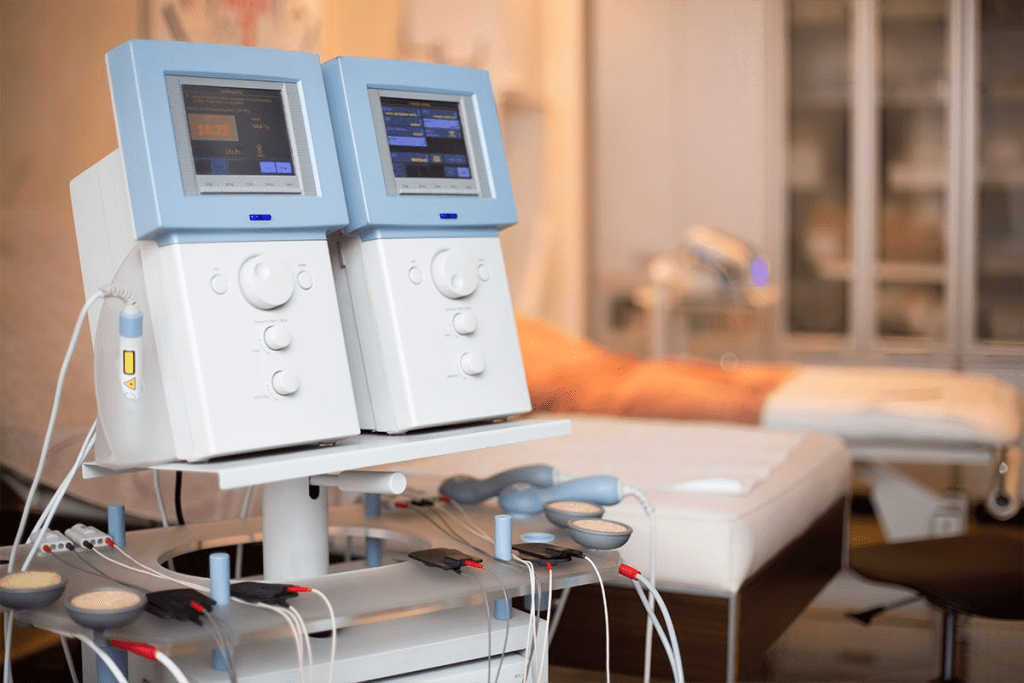
During the test, you’ll urinate into a special device. It measures urine flow and volume. Here’s what happens:
- You’ll be asked to urinate into a uroflowmetry device.
- The device measures the flow rate and volume of your urine.
- The test is usually conducted in a private area to ensure comfort.
After the Test: Results and Follow-up Tests
After the test, your urine flow results are analyzed. Your doctor will talk about the findings with you. They might suggest more tests or treatments.
Knowing your uroflowmetry test results is important. It helps doctors diagnose and treat urinary issues. They’ll consider your overall health when interpreting the results.
Normal Per Hour Urine Output and Flow Rate Measurements
Knowing about normal urine output and flow rates is key to spotting urinary health problems. These numbers help doctors see how well the urinary system is working. This helps them catch issues early.
Standard Flow Rate Values and What Is Normal Urine Output
How much urine someone makes per hour can vary. But there are guidelines for what’s normal. For adults, making at least 0.5 to 1 mL/kg/hour is usually okay. Normal maximum flow rates for adult men (17-50 years old) are 15-20 mL/sec. Women’s rates are a bit lower.
The amount of urine made per hour can change based on how much fluid someone drinks and other factors. But, making less than 0.5 mL/kg/hour might mean there’s a problem with the kidneys or a blockage in the urinary tract.
Age and Gender Differences in Bladder Test Results
It’s important to think about age and gender differences when looking at bladder test results. As people get older, their urine flow rates often go down, more so in men. This can be due to changes in the prostate or bladder with age.
Men usually have higher maximum flow rates than women. Knowing these differences helps doctors make the right diagnosis and treatment plan.
Interpreting Abnormal Urine Stream Patterns
Abnormal urine stream patterns can point to urinary tract problems. A weak or interrupted urine stream might mean there’s a blockage. This could be due to BPH in men or urethral stricture in both men and women.
To understand these patterns, doctors need to know a lot about the patient’s health, medical history, and symptoms. They use this info to decide on more tests and the best treatment.
Conclusion: The Value of Uroflowmetry in Diagnosing Urinary Health Issues
Uroflowmetry is a key tool for checking urinary tract problems. It gives important information about urine flow and bladder health. It’s a must-have for diagnosing and treating many urinary issues.
The uroflowmetry test shows how advanced healthcare technology has become. It helps doctors spot problems like blockages or weak muscles. This leads to better treatment plans for patients.
Uroflowmetry is also key in finding issues like an enlarged prostate and neurogenic bladder. Using it in patient care makes diagnosis more accurate. This leads to better treatment plans and better health outcomes for patients.
FAQ
What is uroflowmetry, and what does it measure?
Uroflowmetry is a test that checks how well you pee. It looks at how fast and how much urine you make. It helps find problems with your pee system, like blockages or muscle issues.
Why is uroflowmetry recommended, and what conditions does it help diagnose?
This test is used to find issues with pee flow. It helps with problems like an enlarged prostate, bladder issues, or tight pee tubes. It gives doctors important information to figure out what’s wrong.
How do I prepare for a uroflowmetry test?
You should come with a full bladder for the test. You might need to stop some medicines before. Always follow what your doctor tells you to do.
What happens during a uroflowmetry test?
You pee into a special device that tracks your urine flow and amount. You do this alone in a private area. The device records your pee, and doctors use this info to check your pee health.
What are normal urine output and flow rate measurements?
Normal pee flow and amount change with age and sex. Doctors look at these to see if your pee is okay. They compare your results to what’s normal.
How long does it take to get the results of a uroflowmetry test?
You get your test results right after you pee. Your doctor will talk about what they mean and what to do next.
What do abnormal urine stream patterns indicate?
Weird pee patterns can mean there’s a problem, like a blockage or weak muscles. Your doctor will explain what your test shows and what it means for your health.
Is uroflowmetry a painful test?
No, it’s not painful. You might feel relieved after peeing, but the test itself doesn’t hurt.
References
- Normal and Abnormal Urine Output and Interpretation. (2024). In StatPearls. National Center for Biotechnology Information (NCBI). https://www.ncbi.nlm.nih.gov/books/NBK606132/