Last Updated on November 27, 2025 by Bilal Hasdemir
Radiation is a form of energy that can harm humans if exposed to high levels. It is emitted as particles or waves.
At LivHospital, we know how important it is to understand the impact of radiation on the human body. The US EPA says that radioactive materials can cause serious and lasting health problems.Uncover what does radiation do to a human. This powerful guide explains 12 key effects and the most shocking dangers associated with overexposure.
We strive to offer top-notch healthcare and support for international patients. In this article, we’ll look at the 12 main effects and dangers of radiation exposure. We aim to shed light on this important topic.
Key Takeaways
- Understanding the risks associated with radiation exposure
- The health impacts of radioactive materials on humans
- The importance of healthcare support for radiation exposure
- Key effects of radiation on the human body
- Dangers of high-level radiation exposure
The Science Behind Radiation and Human Tissue Interaction
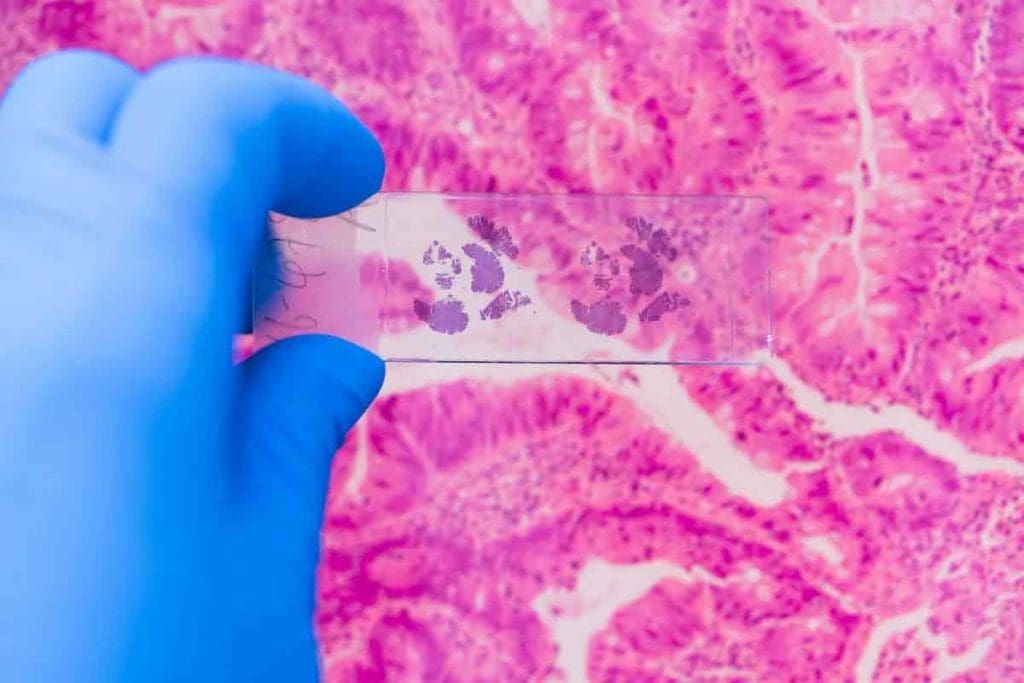
Radiation exposure can harm human health. It’s important to know how it affects our bodies. When radiation hits us, it can damage cells, leading to health issues.
There are two main types of radiation: ionizing and non-ionizing. Ionizing radiation can remove electrons from atoms, creating ions. This includes X-rays and gamma rays. Non-ionizing radiation has less energy but can make atoms vibrate. Examples are radio waves and microwaves.
Types of Ionizing and Non-Ionizing Radiation
Ionizing radiation is dangerous because it can change DNA in cells. This can lead to cancer or genetic problems. The National Cancer Institute says radiation can harm both cancer cells and healthy cells. Knowing how radiation works is key to reducing its harm.
| Type of Radiation | Examples | Effects on Human Tissue |
| Ionizing | X-rays, Gamma Rays, UV Radiation | Can cause DNA damage, cancer, and genetic mutations |
| Non-Ionizing | Radio Waves, Microwaves, Infrared | Can cause heating of tissues, potentially leading to burns or other damage |
How Radiation Penetrates and Affects Different Body Tissues
The impact of radiation on our bodies depends on several things. These include the type and energy of the radiation, and how long we’re exposed. For example, alpha particles are stopped by the skin, but gamma rays can go deep into the body.
It’s important to understand how radiation works with our bodies. This knowledge helps us find better treatments and ways to protect ourselves. By learning about radiation, we can lessen its harmful effects.
DNA Destruction: Why Radiation Is So Dangerous to Humans
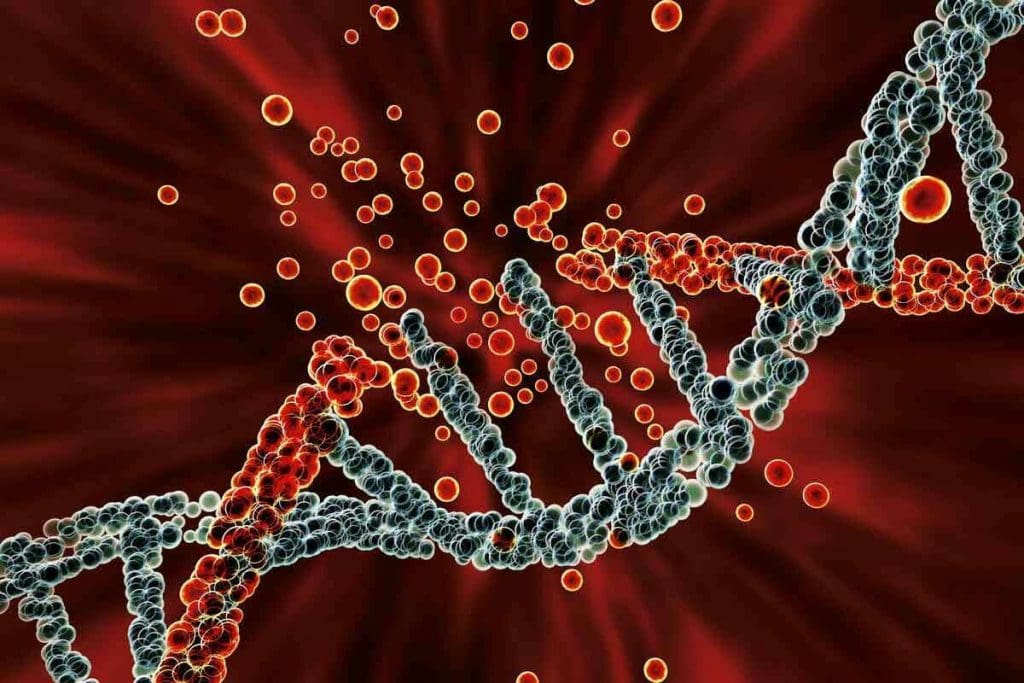
Radiation can harm living cells by damaging their DNA. This damage can lead to serious health problems. We will look at how radiation affects DNA and the effects on cells.
Mechanisms of Radiation-Induced DNA Damage
Ionizing radiation has enough energy to remove electrons from atoms. This creates ions and can damage DNA. It can break DNA strands or change DNA bases through free radicals.
Double-strand breaks are the most dangerous. They can cause genetic mutations or cell death. The cell’s ability to fix DNA damage is key. But, fixing it wrong can lead to cancer.
Cell Death vs. Mutation: The Cellular Lottery
Radiation can cause cells to die or mutate. Cell death happens when damage is too much. This can harm tissues and organs.
Mutations occur when DNA damage is fixed wrong. This can lead to cancer. The chance of these outcomes depends on the radiation type and dose, and how a person reacts.
- Cell Death: Severe damage leads to cell death, potentially causing tissue and organ damage.
- Mutation: Incorrect repair of DNA damage can result in genetic mutations, potentially leading to cancer.
Knowing how radiation works is important. It helps us understand risks and find ways to protect ourselves.
Acute Radiation Syndrome: The Body’s Immediate Response to High Exposure
High radiation exposure can lead to Acute Radiation Syndrome, a serious condition. The body reacts in different ways to high doses of radiation. This depends on the dose and how long the exposure lasts.
Stages of Radiation Sickness
Radiation sickness goes through several stages. These stages include initial symptoms and possible organ failure. The stages are:
- Prodromal Stage: Symptoms like nausea, vomiting, and diarrhea start within hours.
- Latent Stage: Symptoms seem to go away, but then come back.
- Manifest Illness Stage: Severe symptoms like fever, infections, and bleeding appear.
- Recovery or Death: The outcome depends on the dose of radiation.
Lethal Dose Thresholds and Survival Prospects
The severity of Acute Radiation Syndrome depends on the radiation dose. Knowing lethal dose thresholds is key to understanding survival chances.
| Radiation Dose (Gy) | Effects | Survival Prospects |
| 0-1 | Mild symptoms or none | High |
| 1-2 | Moderate symptoms | Good with treatment |
| 2-4 | Severe symptoms | Possible with intensive care |
| 4-6 | Very severe symptoms | Low |
| >6 | Extremely severe, often fatal | Very low |
People getting radiation therapy often feel very tired. This is like feeling exhausted and worn out, as the National Cancer Institute says. Those exposed to high doses of radiation also feel very tired, along with other symptoms.
What Does Radiation Do to a Human Body’s Most Vulnerable Systems?
It’s important to know how radiation affects the body’s most vulnerable parts. The body has many systems, each with its own role. Some systems are more at risk when exposed to radiation.
Why Rapidly Dividing Cells Are Prime Targets
Radiation hits cells that divide quickly harder than those that don’t. This is because these cells are busy with DNA replication and cell division. Cells in the bone marrow, intestinal lining, and skin are examples of rapidly dividing cells that are prime targets for radiation damage.
A radiation oncologist, explains, “The sensitivity of rapidly dividing cells to radiation is a key factor in understanding the acute effects of radiation exposure.” This is because radiation can damage DNA, causing cells to die or mutate.
The Critical Vulnerability of Bone Marrow, Marrow, and Skin
The bone marrow is very sensitive to radiation because it makes blood cells. Radiation can lower blood cell production, causing anemia, infections, and bleeding problems. The skin is also highly susceptible to radiation damage, which can cause burns, ulcers, and long-term changes such as fibrosis and atrophy.
Radiation’s effects on these systems can be severe and last a long time. For example, radiation can cause bone marrow failure, a serious condition that can be deadly if not treated. A study on radiation effects found, “The bone marrow syndrome is a critical condition that arises from radiation exposure, characterized by the failure of the bone marrow to produce blood cells.”
“Radiation damage is the effect of ionizing radiation on physical objects including non-living structural materials.” This shows how harmful radiation can be to living tissues, mainly those with rapidly dividing cells.
Cancer Development: The Delayed Danger of Radiation Exposure
Radiation exposure can cause harm long after it happens, even leading to cancer years later. It damages DNA in our cells, which can lead to mutations and cancer. We’ll look into how this happens and the cancers most linked to radiation.
Mechanisms of Radiation-Induced Cancer
Radiation can ionize atoms and molecules in our bodies, damaging DNA in cells. This damage can cause cells to grow out of control, leading to cancer. The process involves complex biological responses, including the activation of oncogenes and the disruption of tumor suppressor genes.
Key steps in radiation-induced carcinogenesis include:
- DNA damage from radiation exposure
- Failure of DNA repair mechanisms
- Mutations in critical genes
- Uncontrolled cell proliferation
Types of Cancer Associated with Radiation Exposure
Several cancers are linked to radiation, including leukemia, thyroid cancer, and breast cancer. The risk of getting these cancers depends on the dose and how long you were exposed to radiation.
| Cancer Type | Relative Risk | Latency Period |
| Leukemia | High | 2-10 years |
| Thyroid Cancer | Moderate | 5-20 years |
| Breast Cancer | Moderate | 10-30 years |
It’s important to understand how radiation exposure leads to cancer. This knowledge helps us reduce risks and provide better care for those affected. We keep studying radiation’s effects to improve our protection.
Immune System Collapse: How Radiation Compromises Your Defense Mechanisms
Radiation can severely harm the human immune system. This damage weakens our body’s defenses. The immune system is key in fighting off diseases and infections.
Radiation can damage immune cells and tissues. This makes it harder for our body to fight off diseases. As a result, we become more prone to getting sick.
Destruction of White Blood Cells and Immune Tissues
One major effect of radiation is the destruction of white blood cells. These cells are essential for fighting infections. With fewer white blood cells, our immune system weakens.
Radiation can also harm immune tissues. The bone marrow, where immune cells are made, is very sensitive to radiation. Damage here can reduce immune cell production, further weakening our defenses.
Increased Susceptibility to Infections After Radiation Exposure
After radiation, people are more likely to get infections. Their immune system is not strong enough to fight off pathogens.
A study on PMC found that radiation can weaken the immune system. This makes it harder to fight off infections and can lead to serious health issues.
The risks include:
- Increased risk of bacterial, viral, and fungal infections
- Impaired wound healing due to reduced immune function
- Potential for sepsis or other life-threatening conditions
In summary, radiation can severely damage the immune system. It’s important to understand these effects to find ways to protect against radiation.
Reproductive Harm: Fertility Issues and Hereditary Risks
It’s important to know how radiation harms reproduction. This is key to understanding its impact on health. Radiation can harm people who are old enough to have kids. It can also affect future generations.
Radiation Effects on Sperm Production and Ovarian Function
Radiation can harm reproductive cells. This can change how sperm and ovaries work. For men, it might lower sperm count. For women, it could damage ovaries and lead to early menopause.
Effects on Sperm Production: Radiation can damage sperm DNA. This can make it harder to have kids. The damage depends on the radiation dose.
Impact on Ovarian Function: Radiation can destroy ovarian follicles. This can cause early menopause and infertility.
Risks to Embryonic Development and Pregnancy Outcomes
Radiation during pregnancy can harm the developing baby. High doses can lead to miscarriage, birth defects, or even death. The risk depends on when and how much radiation the baby gets.
- Early pregnancy exposure can cause miscarriage or death of the embryo.
- Exposure during organ formation can lead to birth defects.
- Later exposure may increase cancer risk in children.
We need to think about these risks when looking at radiation’s impact on reproduction. Knowing how radiation affects fertility and hereditary health helps us manage these risks.
Cardiovascular and Neurological Damage from Radiation
It’s important to know how radiation affects the heart and brain. This knowledge helps us understand health risks. Radiation can cause lasting damage to these vital systems.
Radiation-Induced Heart Disease and Vascular Damage
Radiation can cause heart disease, including heart attacks and valve problems. This happens because radiation damages the lining of blood vessels. This damage leads to inflammation and scarring.
Key factors contributing to radiation-induced heart disease include:
- Radiation dose: Higher doses increase the risk of cardiovascular disease.
- Exposure area: Radiation to the chest area, such as in thoracic cancer treatments, elevates the risk.
- Individual susceptibility: Pre-existing cardiovascular conditions can exacerbate radiation effects.
| Radiation Dose (Gy) | Risk of Cardiovascular Disease |
| 0-1 | Low |
| 1-5 | Moderate |
| >5 | High |
Experts say radiation to the heart can cause serious problems. This highlights the need for careful planning in treatments.
“The heart is not just a passive recipient of radiation; it’s a complex organ that can suffer from both direct and indirect effects of radiation exposure.”
” Expert in Radiation Oncology
Brain Tissue Injury and Cognitive Impairment
Radiation can harm the brain, leading to memory loss and other cognitive problems. The extent of these effects depends on the dose and how long you’re exposed.
Cognitive impairments associated with radiation exposure include:
- Memory loss
- Attention deficits
- Reduced processing speed
Studies show radiation can damage brain cells and disrupt new cell growth. This can cause long-term brain and cognitive problems. It can greatly affect the quality of life for those exposed to high doses of radiation.
The Silent Threat: Long-Term Effects of Low-Dose Radiation Exposure
Low levels of radiation can quietly harm our health, even if we don’t see it right away. We get exposed to radiation every day from natural sources like cosmic rays and radon. We also get it from man-made sources like medical scans and nuclear plants. It’s important to understand how this exposure can affect our health over time.
Cumulative Damage from Chronic Low-Level Exposure
Being around low levels of radiation can slowly damage our cells and tissues. This is because radiation can change our DNA, which might lead to cancer or other health problems. The damage from low-dose radiation is similar to the background radiation we all get from the environment.
Research shows that long-term exposure to low levels of radiation can raise the risk of getting certain cancers, like leukemia. The more radiation we get, the higher the risk. But scientists are not yet sure exactly how low-dose radiation affects our health.
Delayed Health Problems Years After Initial Exposure
One scary thing about low-dose radiation is that health problems can show up years later. People who were exposed to radiation from nuclear accidents or had radiation therapy might face health issues long after they were first exposed. These can include heart disease, different types of cancer, and other conditions that might not appear until years later.
| Health Effect | Description | Latency Period |
| Cancer | Increased risk of various cancers due to DNA damage | 5-20 years |
| Cardiovascular Disease | Radiation-induced damage to blood vessels and heart tissue | 10-30 years |
| Genetic Mutations | Heritable changes in DNA that can affect future generations | Variable, potentially lifelong |
For more detailed information on the health effects of radiation, we recommend visiting the Centers for Disease Control and Prevention (CDC), which provides detailed resources on radiation health effects.
Genetic Mutations: How Radiation Exposure Can Affect Future Generations
It’s key to know how radiation can change DNA, passed down through generations. This change can happen in reproductive cells, leading to heritable changes. These changes can show up in many ways.
Heritable DNA Damage and Transgenerational Effects
Radiation can mess with DNA in germ cells, causing mutations that are passed on. These mutations can lead to health problems in kids, from small changes to serious genetic disorders. The idea of transgenerational effects means these changes can affect future generations’ health.
Key aspects of heritable DNA damage include:
- Mutations in germ cells that can be passed on to offspring
- Potential for increased genetic disorders in future generations
- Variability in the expression of genetic mutations
Lessons from Hiroshima, Nagasaki, and Chernobyl Survivors
The atomic bombings in Hiroshima and Nagasaki, and the Chernobyl disaster, have taught us a lot. Studies on survivors and their kids have shown us how radiation affects genes over time.
| Event | Radiation Exposure Level | Observed Genetic Effects |
| Hiroshima | High acute dose | Increased incidence of genetic mutations and disorders |
| Nagasaki | High acute dose | Similar to Hiroshima, with increased genetic mutations |
| Chernobyl | Variable, including chronic low-dose exposure | Increased thyroid cancer and other health issues in exposed populations |
These events show why we must understand and reduce radiation’s effects. We need to protect not just those exposed but also their future generations.
Radiation Dose Effects: Understanding Exposure Levels and Health Risks
Understanding radiation dose effects is key. Radiation exposure comes from many sources, like natural background and medical procedures. The dose received greatly affects human health.
Measuring Radiation: Units and Exposure Categories
To grasp radiation dose effects, knowing how to measure radiation is vital. The sievert (Sv) is the SI unit for radiation’s biological effects. Exposure categories help us understand the risks of different doses. For example, a low dose of 1 Sv can cause severe health issues, like radiation sickness.
Radiation exposure is divided into types based on dose:
- Low dose: Less than 0.1 Sv, with minimal health risks.
- Moderate dose: Between 0.1 Sv and 1 Sv, possibly causing health effects.
- High dose: Over 1 Sv, leading to significant health risks, including acute radiation syndrome.
Comparing Natural Background Radiation to Dangerous Levels
Natural background radiation is always around us, from cosmic rays and radon gas. The average annual exposure is about 2.4 millisieverts (mSv), which is safe. But high radiation levels, like those in nuclear accidents, can be deadly.
Here’s a comparison to help understand the difference:
| Radiation Source | Typical Dose (mSv) |
| Natural Background Radiation (annual) | 2.4 |
| Chest X-ray | 0.1 |
| CT Scan | 10 |
| Nuclear Accident Exposure (acute) | >1000 |
For more on ionizing radiation and health effects, check the World Health Organization’s fact sheet. It offers detailed insights into radiation risks.
Knowing about radiation dose effects is vital for safety. Understanding measurement and exposure categories helps us see health risks. This knowledge helps us take steps to reduce exposure.
Conclusion: Balancing Radiation Risks in the Modern World
Understanding radiation’s effects on health is key in today’s world. We’ve looked at how radiation damages DNA and can lead to cancer and other health problems. This knowledge is vital.
Managing radiation risks means knowing how healthcare can help. It’s about protecting our bodies from radiation harm. This includes understanding how different parts of our body react and measuring radiation doses.
In our world, radiation is a constant risk. It comes from medical treatments, industrial uses, and the environment. Healthcare is critical in helping us deal with these risks.
To reduce radiation risks, we need education and awareness. A strong healthcare system is essential. Together, we can make our world safer and more resilient.
FAQ
What is radiation and how does it affect the human body?
Radiation is a form of energy that can harm living tissues. It can lead to health issues like cancer, genetic mutations, and organ damage.
What are the different types of radiation and their effects on humans?
There are two main types of radiation. Ionizing radiation, like X-rays, can damage DNA and increase cancer risk. Non-ionizing radiation, such as radio waves, has less severe effects.
How does radiation exposure cause DNA damage?
Ionizing radiation can break DNA strands. This can lead to genetic mutations or cell death. It can also create free radicals that alter DNA.
What is Acute Radiation Syndrome (ARS) and its symptoms?
ARS is caused by high radiation exposure. Symptoms include nausea, vomiting, diarrhea, fatigue, and organ failure. The severity depends on the dose.
Which body systems are most vulnerable to radiation damage?
Cells that divide quickly, like those in bone marrow and skin, are most vulnerable. This can lead to anemia, infections, and skin lesions.
Can radiation exposure cause cancer?
Yes, radiation exposure increases cancer risk. This includes leukemia and other cancers. The risk depends on the dose, exposure time, and individual factors.
How does radiation affect the immune system?
Radiation can destroy white blood cells and damage immune tissues. This weakens the body’s defense and increases infection risk.
What are the reproductive risks associated with radiation exposure?
Radiation can harm fertility by damaging sperm and ovarian function. It also increases genetic mutation risk and can harm embryonic development.
Can radiation cause cardiovascular and neurological damage?
Yes, radiation exposure can increase heart disease and cognitive impairment risk. It can damage brain tissue.
What are the long-term effects of low-dose radiation exposure?
Low-level radiation can cause cumulative damage. This can lead to health problems like cancer years after exposure.
How can radiation exposure affect future generations?
Radiation can cause heritable DNA damage. This can lead to genetic mutations and health issues in offspring, as seen in survivors of Hiroshima, Nagasaki, and Chernobyl.
How is radiation dose measured, and what are the health risks associated with different exposure levels?
Radiation dose is measured in sieverts (Sv) or millisieverts (mSv). Higher doses can cause severe effects like ARS. Lower doses may increase cancer risk.
What is the difference between natural background radiation and dangerous levels of radiation?
Natural background radiation is around 2-3 mSv per year. Dangerous levels are much higher, often over 100 mSv. These can cause ARS or increase cancer risk.
Why is radiation considered a significant health risk?
Radiation is a significant health risk because it can damage DNA, cause cancer, and lead to other health problems. It highlights the need for protection and risk management.
Reference
WHO. Ionizing Radiation and Health Effects, 2023. https://www.who.int/news-room/fact-sheets/detail/ionizing-radiation-and-health-effects