Last Updated on December 1, 2025 by Bilal Hasdemir
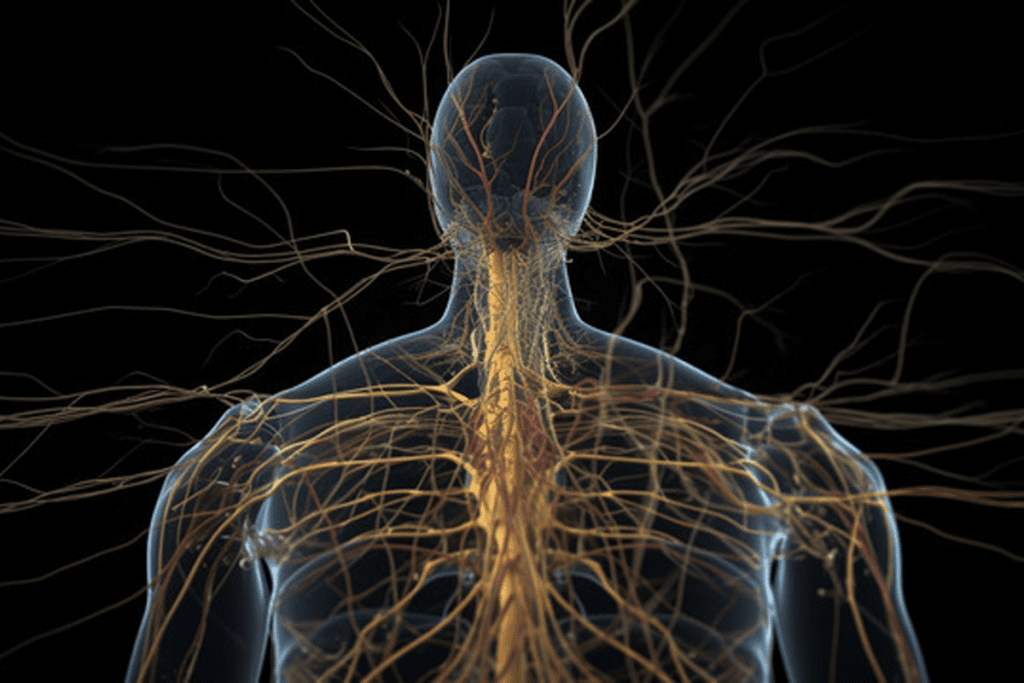
The myelin sheath is key to our nervous system, helping signals move quickly along nerve fibers by acting as an insulating layer. Understanding what does the myelin sheath do reveals that it enables rapid electrical impulses, crucial for efficient communication between nerve cells. Damage to the myelin sheath can cause serious conditions like multiple sclerosis, which affects nearly 2.3 million people worldwide. This makes it vital to learn how to fix the myelin sheath. Scientists are now focusing on myelin repair more than ever, investigating what helps rebuild this important layer. Knowing how to fix the myelin sheath is key to treating diseases that damage it and restoring proper nerve function.
Key Takeaways
- The myelin sheath plays a vital role in our nervous system.
- Damage to it can cause serious conditions like multiple sclerosis.
- Research into myelin repair is ongoing.
- Understanding myelin repair is essential for developing effective treatments.
- Rebuilding the myelin sheath is critical for treating demyelinating diseases.
Understanding the Myelin Sheath
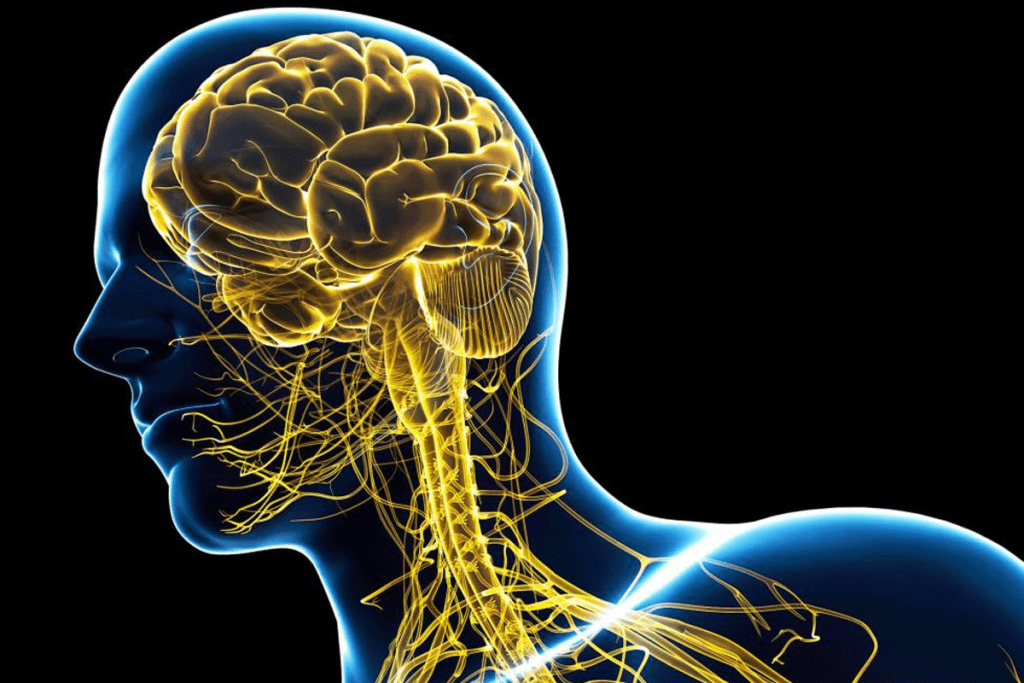
The myelin sheath is key for the nervous system’s health and work. It’s made of lipids and proteins. These cells in the nervous system make it, helping signals move fast.
Composition and Structure of Myelin
Myelin is mostly lipids (about 70-85%) and proteins (about 15-30%). Its high lipid content helps it insulate nerves well. This is vital for quick signal passing.
The main lipids in myelin are:
- Cholesterol
- Glycolipids
- Phospholipids
Myelin’s proteins, like myelin basic protein (MBP) and proteolipid protein (PLP), are key. They help keep the myelin layers tight and are important for its upkeep.
Where Myelin Is Found in the Nervous System
Myelin is in both the central nervous system (CNS) and the peripheral nervous system (PNS). In the CNS, which includes the brain and spinal cord, oligodendrocytes make myelin. One oligodendrocyte can cover many axons, making it efficient.
In the PNS, which includes nerves outside the brain and spinal cord, Schwann cells make myelin. Each Schwann cell covers one axon, forming the myelin sheath. This shows how different myelination is in the CNS and PNS, helping us understand some neurological issues.
The myelin sheath isn’t spread evenly along the axon. It has gaps called nodes of Ranvier. These nodes are key for fast nerve signal passing through saltatory conduction, where the signal jumps from node to node.
What Does the Myelin Sheath Do?
The myelin sheath is key to the nervous system, helping nerve signals move fast. It has many important roles for the nervous system to work right.
Role in Nerve Signal Transmission
The myelin sheath helps nerve impulses move quickly through saltatory conduction. This means the signal jumps from node to node, making it faster. This is vital for the nervous system to react quickly to things.
Myelin’s role in nerve signal transmission is not just about speed; it’s also about saving energy. By letting impulses jump from one node to the next, myelin cuts down the energy needed for signal transmission.
Protection and Support Functions
The myelin sheath does more than just help signals move. It also protects and supports the nerve fibers. It acts like an insulating layer, keeping the nerve fibers safe from harm and making sure the signals stay clear.
This sheath also helps keep the nerve fibers healthy. It helps with the exchange of nutrients and waste, keeping the nervous system in top shape.
In short, the myelin sheath is essential for fast nerve signal transmission and protecting nerve fibers. Its many roles are vital for the nervous system’s efficiency and health.
The Process of Myelination
Myelination is key for fast neural communication. It wraps myelin sheaths around nerve fibers. This is vital for the nervous system to work right.
Normal Development of Myelin
Myelination starts in the womb and goes into early adulthood. Myelination is a complex process that involves interactions between various types of cells. Myelin development is vital for the nervous system to mature.
In the CNS, oligodendrocytes do the myelination. One oligodendrocyte can cover many axons. In the PNS, Schwann cells wrap a single axon with myelin. This ensures signals are sent efficiently.
| Characteristics | Oligodendrocytes (CNS) | Schwann Cells (PNS) |
| Myelination Capacity | Multiple axons per cell | One axon per cell |
| Location | Central Nervous System | Peripheral Nervous System |
Cells Responsible for Myelin Production
Oligodendrocytes and Schwann cells are key in myelin production. They are vital for myelination. Their problems can cause demyelinating diseases.
Myelination involves cells extending around axons and compacting myelin membranes. This is done through proteins that help wrap myelin layers tightly around the axon.
Knowing about myelination cells and processes is key. It helps us understand neural function and demyelinating diseases.
Common Causes of Myelin Damage
Myelin, the protective covering around nerve fibers, can be damaged by many causes. This leads to neurological issues. Knowing these causes helps in finding better treatments and ways to manage them.
Autoimmune Disorders
Autoimmune disorders are a main reason for myelin damage. In conditions like multiple sclerosis (MS), the immune system attacks the myelin sheath. This disrupts nerve signal transmission.
This damage can cause many neurological symptoms. These include numbness, weakness, and vision problems. The exact cause of autoimmune disorders like MS is not fully known. It’s thought to be a mix of genetic predisposition and environmental triggers. Ongoing research aims to find targeted therapies.
Traumatic Injuries
Traumatic injuries to the central nervous system (CNS) can also damage myelin. Spinal cord injuries and traumatic brain injuries are examples. The physical trauma can disrupt the myelin sheath, causing demyelination and neurological deficits.
The severity of myelin damage from traumatic injuries varies. It depends on the injury’s nature and extent. Rehabilitation and supportive care are often needed to manage the neurological issues.
Toxins and Environmental Factors
Exposure to certain toxins and environmental factors can damage myelin. For example, heavy metals like lead and mercury can cause demyelination. Some industrial chemicals and pollutants also harm myelin.
It’s important to reduce exposure to these harmful substances. This can be done by avoiding certain pollutants, wearing protective gear in hazardous environments, and implementing policies to cut down industrial pollution.
In conclusion, myelin damage can come from many causes. These include autoimmune disorders, traumatic injuries, and toxins. Understanding these causes is key to developing effective prevention and treatment strategies.
Diagnosing Myelin Damage
Healthcare professionals use a mix of clinical checks and imaging to spot myelin damage. This detailed method is key to figuring out how much damage there is. It also helps decide the best treatment.
Clinical Symptoms of Demyelination
The signs of demyelination can differ a lot. This depends on where and how much the myelin is damaged. Common signs include:
- Numbness or tingling sensations in the limbs
- Muscle weakness or spasms
- Vision problems, such as blurred vision or double vision
- Difficulty with coordination and balance
- Cognitive difficulties, including problems with memory and concentration
These symptoms happen because the damage to myelin messes up nerve signal sending. This leads to various neurological problems.
Diagnostic Imaging and Testing
Imaging and tests are vital for finding myelin damage. Some important tools are:
- Magnetic Resonance Imaging (MRI): MRI is great at spotting changes in the brain and spinal cord. It’s a key tool for diagnosing conditions like multiple sclerosis.
- Evoked Potentials: Tests like Visual Evoked Potentials (VEP) check the visual pathway. They help find any issues with nerve signal sending.
- Lumbar Puncture (LP): An LP looks at cerebrospinal fluid for signs of inflammation or infection linked to myelin damage.
- Blood Tests: Blood tests can rule out other conditions that might cause similar symptoms. They help find possible causes of myelin damage.
By using clinical checks and these tools, doctors can accurately find myelin damage. They can then create a good treatment plan.
Natural Myelin Repair Mechanisms
Oligodendrocytes are key in fixing myelin sheaths in the central nervous system. They make the myelin sheath that protects nerve fibers. When damage happens, they start the remyelination process to fix nerve function.
The Role of Oligodendrocytes in Remyelination
Oligodendrocytes are the myelinating cells of the central nervous system. They can turn into mature cells that make new myelin sheaths after damage. This process involves activating and growing these cells to cover axons with new myelin.
This repair is essential for the nervous system’s health. But, how well it works can change based on age, damage level, and health conditions.
Limitations of Natural Repair Processes
Even though the body can repair myelin well, there are limits. Sometimes, the repair isn’t complete or is slow, causing lasting nerve problems. Things like chronic inflammation, oxidative stress, and aging can slow down repair.
Knowing these limits helps us find better ways to fix myelin and help people with nerve damage.
Nutritional Factors That Promote Myelin Regeneration
Certain nutrients are key for keeping myelin healthy and helping it grow back. If we don’t get enough of these, our myelin can suffer. This might lead to problems with our nerves.
Essential Fatty Acids and Myelin Health
Omega-3 and omega-6 fatty acids are very important for myelin. They help build and repair myelin. You can find omega-3 in fatty fish like salmon and flaxseeds. Omega-6 is in vegetable oils and nuts.
Vitamins and Minerals for Myelin Support
Vitamins B12, D, and E, and minerals like copper and zinc, are essential for myelin. Vitamin B12 helps make myelin. Vitamin D aids in repairing it. Vitamin E protects myelin from harm. Copper and zinc help keep myelin healthy and growing.
- Vitamin B12: Found in meat, fish, and dairy products.
- Vitamin D: Obtained through sunlight exposure, fortified foods, and supplements.
- Vitamin E: Abundant in nuts, seeds, and vegetable oils.
- Copper: Found in shellfish, nuts, and dark chocolate.
- Zinc: Rich in meat, shellfish, and legumes.
Antioxidants and Anti-inflammatory Foods
Antioxidants shield myelin from damage. Anti-inflammatory foods help by reducing inflammation. Berries, leafy greens, and other fruits and vegetables are full of antioxidants. Foods like fatty fish, turmeric, and ginger are anti-inflammatory.
Eating a balanced diet with these nutrients is good for myelin. It’s important to eat a variety of foods to get all the nutrients we need.
Lifestyle Strategies to Support Myelin Health
Lifestyle choices are key to keeping myelin healthy. By adding certain habits to your daily routine, you can help your nerves work better.
Exercise and Physical Activity Benefits
Exercise is great for your health, including myelin. It boosts blood flow and gives myelin the nutrients it needs to grow. Exercise also helps oligodendrocytes, the cells that make myelin in the brain.
Try different types of exercise like running, lifting weights, and stretching. Aim for 150 minutes of moderate exercise each week.
Stress Management Techniques
Too much stress can harm myelin. It’s important to manage stress well. Meditation, yoga, and deep breathing can help.
Also, doing things you enjoy can lower stress. It’s key to balance work and fun to stay well.
Sleep and Myelin Regeneration
Good sleep is essential for myelin repair. While you sleep, your body fixes damaged cells, including those that make myelin. Try to sleep 7-9 hours each night to support myelin.
Stick to a sleep schedule and make your bedroom sleep-friendly. Avoid caffeine and screens before bed to sleep better.
Medical Treatments for Myelin Repair
Myelin repair is key in treating diseases that damage the myelin sheath. These diseases, like Multiple Sclerosis (MS), disrupt nerve signals. This leads to various neurological symptoms.
Doctors use different treatments to manage symptoms and help repair the myelin. We will look at FDA-approved therapies and new treatments being developed.
Current FDA-Approved Therapies
There are several FDA-approved treatments for demyelinating diseases. These treatments aim to reduce disease activity and slow its progression.
- Disease-Modifying Therapies (DMTs): These are the main treatment for MS and similar diseases. DMTs help reduce relapses and slow disability.
- Immunomodulators: Medications like interferons and glatiramer acetate help control the immune system’s attack on myelin.
- Corticosteroids: Used to reduce inflammation during relapses.
| Therapy Type | Examples | Primary Use |
| Disease-Modifying Therapies | Interferon beta-1a, Glatiramer acetate | Reduce relapse frequency, slow disease progression |
| Immunomodulators | Fingolimod, Natalizumab | Modulate immune response |
| Corticosteroids | Methylprednisolone | Reduce inflammation during relapses |
Emerging Treatment Approaches
New treatments for myelin repair are being researched. These include:
- Stem Cell Therapies: Looking into stem cells’ ability to repair or replace damaged myelin.
- Gene Therapy: Trying to modify genes involved in myelination to aid repair.
- Novel Pharmaceutical Compounds: Creating new drugs that target demyelination and remyelination mechanisms.
These new treatments show promise for better outcomes in demyelinating diseases. Ongoing research and trials are key to proving their safety and effectiveness.
Cutting-Edge Research in Myelin Regeneration
The field of myelin regeneration is seeing big steps forward. Scientists are finding new ways to fix or grow the myelin sheath. This is key for the nervous system to work right.
Stem Cell Therapies
Stem cell therapies are showing great promise. Stem cells can turn into different types of cells, like oligodendrocytes. These cells are important for myelination in the central nervous system.
Researchers are looking into how stem cells can replace damaged oligodendrocytes. This could help repair myelin.
Recent studies show that stem cell transplants can help animals with demyelinating diseases. This gives hope for new treatments.
Gene Therapy Approaches
Gene therapy is another exciting area. It involves adding genes to help with myelination or fix damaged myelin. Gene editing technologies like CRISPR/Cas9 are being used to change genes involved in myelination.
This could lead to new ways to treat demyelinating diseases. Researchers are also working on making oligodendrocytes survive and work better. This could help with conditions like multiple sclerosis.
Novel Pharmaceutical Compounds
Researchers are also working on novel pharmaceutical compounds for myelin regeneration. These are drugs that target specific ways to help myelination and remyelination.
Clinical trials are starting to test these new treatments. This gives hope for people with demyelinating diseases.
The research in myelin regeneration shows we’re making progress. As these therapies get better, they could really help people with these diseases.
Conclusion
It’s key to know about the myelin sheath and its role in our nervous system. This knowledge helps us tackle neurological problems. The myelin sheath helps nerves send signals, and damage can cause health issues.
To help repair and grow myelin, we can use nutrition, lifestyle changes, and medicine. Foods rich in essential fatty acids, vitamins, and antioxidants are good for myelin. Exercise, managing stress, and getting enough sleep also help.
Scientists are working hard to find new ways to fix myelin damage. They’re looking into stem cell and gene therapy. These new methods might lead to better treatments for myelin problems.
Keeping our nervous system healthy needs a big-picture approach. We must focus on repairing and growing myelin. By understanding myelin’s importance and using these strategies, we can keep our nervous system in top shape.
FAQ
What is the myelin sheath and what is its function?
The myelin sheath is a protective layer around nerve fibers. It helps electrical impulses move quickly. This makes sure nerve signals are sent efficiently.
What is myelin made of?
Myelin is made of lipids and proteins. These are produced by cells in the nervous system. Oligodendrocytes and Schwann cells are the ones making it.
Where is myelin found in the nervous system?
Myelin is found in both the central nervous system (CNS) and the peripheral nervous system (PNS). It surrounds nerve fibers to help signals move.
What causes damage to the myelin sheath?
Damage to the myelin sheath can come from autoimmune disorders, physical trauma, and toxins. This can lead to conditions like multiple sclerosis.
How is myelin damage diagnosed?
Doctors use symptoms, imaging like MRI, and tests like evoked potentials to diagnose myelin damage.
Can the body repair myelin damage naturally?
Yes, the body can repair myelin damage naturally. Oligodendrocytes help with this process, but it has its limits.
What nutritional factors support myelin regeneration?
Foods rich in essential fatty acids, vitamins (like B12), minerals (such as copper and zinc), and antioxidants are key. They help keep myelin healthy and support its regeneration.
How do lifestyle choices impact myelin health?
Lifestyle choices like regular exercise, managing stress, and getting enough sleep are vital. They help support myelin health and regeneration.
What are the current medical treatments for myelin repair?
Treatments include FDA-approved therapies for conditions like multiple sclerosis. New approaches like stem cell therapies and gene therapy are also being explored.
What is the role of oligodendrocytes in myelin repair?
Oligodendrocytes are key in the central nervous system for producing myelin. They play a vital role in repairing damaged myelin.
Are there any new research directions for myelin regeneration?
Yes, research is looking into stem cell therapies, gene therapy, and new drugs. These aim to improve myelin regeneration.
References
- Franklin, R. J. M., & ffrench-Constant, C. (2022). Review CNS remyelination and inflammation: From basic ¦ (Review article). ScienceDirect / Neuroscience Review.