At Liv Hospital, we focus on top-notch care. We use the latest medical methods and put our patients first. The T cell, or T lymphocytes or ‘linfocito T,’ is key to our immune system. These white blood cells help fight off infections and diseases.
T cells start in the bone marrow from stem cells. Then, they go to the thymus to grow up. The thymus is important because it teaches T cells to tell self-cells from foreign ones. This is vital for our immune system to work right.
We are dedicated to giving our patients the best care with our advanced methods.
Key Takeaways
- T cells are vital for our immune system.
- They begin in the bone marrow.
- The thymus is where they mature.
- T cells find and kill infected or cancerous cells.
- Liv Hospital offers top, patient-focused care.
The Fundamental Role of T Cells in Immune Defense
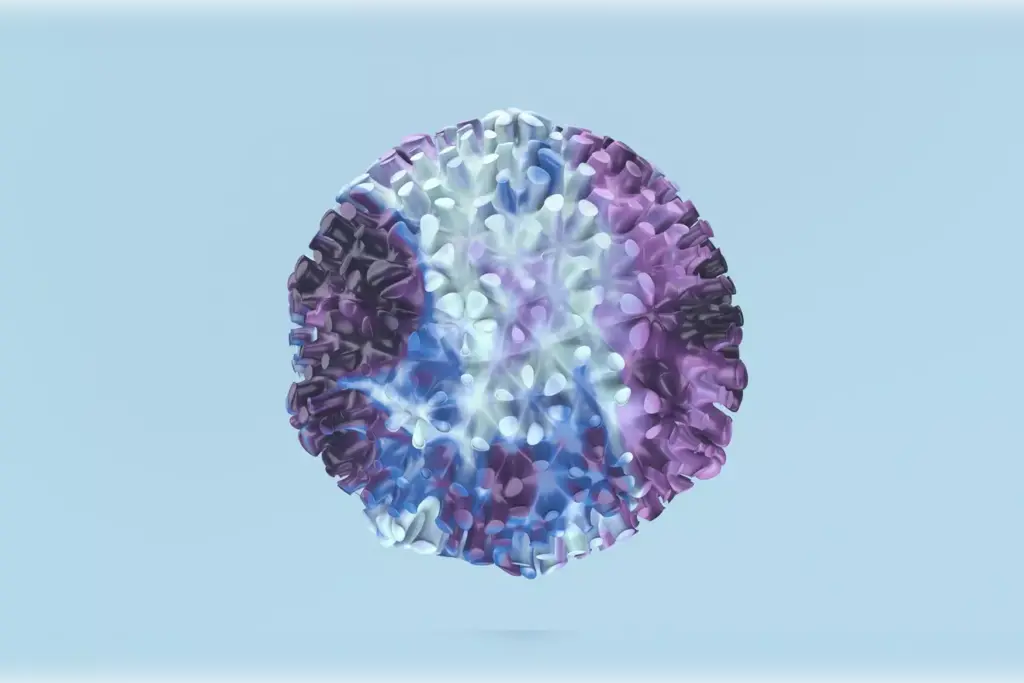
T cells are key to cell-mediated immunity, fighting off many threats. They are a vital part of the adaptive immune system. They help recognize and fight specific antigens. Let’s look at why T cells are so important in our immune defense.
Definition and Significance of T Lymphocytes
T lymphocytes, or T cells, are a type of white blood cell. They are central to our immune response. T cells can tell self from non-self, protecting us from pathogens and foreign substances. Their ability to target specific antigens makes them essential to our immune system.
T Cells as Central Components of Adaptive Immunity
T cells are vital in adaptive immunity, leading a targeted fight against pathogens. They do this by recognizing antigens through their T cell receptor (TCR). Their importance is shown in several key functions:
- Antigen recognition: T cells identify specific antigens through their TCR.
- Cytokine production: T cells produce cytokines that control the immune response.
- Cell-mediated cytotoxicity: Certain T cells, like cytotoxic T cells, kill infected cells or trigger the immune response.
New therapies like cell therapies and genomic medicine highlight T cells’ role in disease treatment. For example, research on lab-grown human embryo models is promising. It could lead to better blood cells for immune function (https://www.cam.ac.uk/research/news/new-lab-grown-human-embryo-model-produces-blood-cells).
Where Are T Cells Formed: The Journey Begins
The creation of T cells starts with hematopoietic stem cells in the bone marrow. These stem cells are the first step to all blood cells, including T cells. T cells are key to our immune system.
Hematopoietic Stem Cells in Bone Marrow
Hematopoietic stem cells live in the bone marrow. This is a spongy tissue inside bones like the hips and thighbones. The bone marrow is where these stem cells grow into different blood cells.
A famous immunologist said, “The bone marrow is the cradle of the immune system, where the journey of immune cells, including T cells, begins.”
First, these stem cells turn into lymphoid progenitor cells. These cells will become T cells, B cells, or natural killer cells. The early T cell development happens in the bone marrow before they move to the thymus.
Early Development Before Thymic Migration
In the bone marrow, lymphoid progenitor cells start to develop. They begin to show specific markers and go through genetic changes. These changes are important for their future as T cells.
The move from the bone marrow to the thymus is a key step in T cell development. Knowing where T cells are made and how they mature helps us understand their role in protecting us.
The Thymus: Where T Cells Mature and Develop
The thymus is key in the immune system. It helps T cells grow and get ready to fight off infections. This organ is vital for the immune system’s health.
What Does the “T” in T Cell Stand For?
The “T” in T cell means thymus. This shows how important the thymus is for T cell growth. It helps T cells learn to tell self from non-self.
T cells get their name from where they mature. The thymus shapes the immune system’s ability to adapt. It picks T cells that are ready to fight but not attack the body itself.
Thymic Architecture and Microenvironment
The thymus is special because of its design. It has different areas for T cell growth. Each area helps T cells at different stages.
Many types of cells live in the thymus. They help T cells learn. This teamwork makes sure T cells can fight but not attack the body.
The Critical Process of T Cell Education
T cell education is a tough process in the thymus. It has positive and negative parts. Positive selection lets T cells recognize self-MHC. Negative selection removes T cells that attack the body.
Key aspects of T cell education include:
- Positive selection: Ensures T cells can recognize self-MHC molecules.
- Negative selection: Eliminates T cells that react against self-antigens.
- Tolerance induction: Prevents autoimmunity by eliminating self-reactive T cells.
This education makes sure T cells are ready and safe. The thymus is essential for a healthy immune system and preventing disease.
T Cell Structure and Molecular Components
T cells are key players in our immune system. They can spot and fight off specific invaders. Knowing what makes up T cells helps us understand how they protect us.
Anatomy of a T Cell: Membrane and Organelles
T cells have a unique shape, with a cell membrane and organelles inside. The membrane is important because it holds the T cell receptor (TCR) and other vital molecules.
The membrane is made of a phospholipid bilayer with proteins. These proteins move freely, helping T cells to detect and react to their surroundings.
The T Cell Receptor (TCR) Complex
The TCR complex is a key part of the T cell membrane. It finds and binds to antigens on the surface of other cells. The TCR has alpha and beta chains that form the antigen-binding site.
CD3 molecules are linked to the TCR. They’re essential for sending signals when an antigen is found. This is how T cells get activated and start fighting off infections.
CD4 and CD8 Co-receptors: Functional Significance
CD4 and CD8 co-receptors are vital for T cells. CD4+ T cells help coordinate the immune response. CD8+ T cells, or cytotoxic T cells, kill infected or cancerous cells.
| Co-receptor | Function | T Cell Type |
|---|---|---|
| CD4 | Assists in the activation of helper T cells | Helper T cells (CD4+) |
| CD8 | Facilitates the activation of cytotoxic T cells | Cytotoxic T cells (CD8+) |
Learning about T cell structure and components is key to understanding their role in our immune system. The TCR complex, CD4 and CD8 co-receptors, and other molecules work together. This teamwork allows T cells to carry out their various roles in defending us.
What Does the T Cell Do in Immune Surveillance?
T cells are key in immune surveillance. They use special receptors to find and fight off antigens. We’ll look at how they do this, including how they recognize antigens, work with antigen-presenting cells, and get ready to fight.
Antigen Recognition Mechanisms
T cells find antigens with their T cell receptor (TCR) complex. The TCR is very diverse and can bind to specific MHC molecules on APCs. This is the start of the immune response.
Our body makes sure the TCR can find many different antigens. This happens through gene rearrangement in the thymus. It creates a wide range of T cells.
Interaction with Antigen-Presenting Cells
APCs are important for showing antigens to T cells. They process and display antigens on MHC molecules. T cells then recognize these.
The meeting between T cells and APCs is complex. It involves many molecules and cytokines. This helps in effective communication.
Signal Transduction and Cellular Activation
When T cells find an antigen, they start a signaling process. This leads to their activation. It involves kinases and adaptor proteins, which help in gene transcription.
Activating T cells is a careful process. It has many checks to avoid too much or wrong activation. If it goes wrong, it can cause harm.
| Signal Transduction Molecule | Function | Role in T Cell Activation |
|---|---|---|
| TCR | Antigen recognition | Initiates signaling cascade |
| CD4/CD8 | Co-receptor function | Enhances TCR signaling |
| ZAP-70 | Kinase activity | Phosphorylates downstream targets |
Major T Cell Subsets and Their Specialized Functions
The immune system uses different T cell subsets to fight off pathogens. These subsets work together to protect us well.
Helper T Cells (CD4+): Orchestrating Immune Responses
Helper T cells, with the CD4 co-receptor, are key in leading the immune response. They help activate B cells and cytotoxic T cells by making specific cytokines. These cytokines guide the immune fight.
Th1 cells make IFN-γ, vital for fighting inside pathogens. Th2 cells produce IL-4, IL-5, and IL-13. These are key for fighting parasites and in allergic reactions.
- Th1 cells fight cell-based immunity against inside pathogens.
- Th2 cells are important for fighting parasites and in allergic reactions.
- Th17 cells are involved in autoimmunity and inflammation by making IL-17.
Cytotoxic T Cells (CD8+): Eliminating Infected and Malignant Cells
Cytotoxic T cells, with the CD8 co-receptor, are key in killing infected and cancer cells. They spot antigens on the surface of these cells.
When they find an antigen, they release toxins like perforin and granzymes. These toxins kill the target cells, helping control viruses and tumors.
Key functions of cytotoxic T cells include:
- Direct killing of virus-infected cells.
- Elimination of tumor cells.
- Production of cytokines that enhance immune responses.
Regulatory T Cells: Maintaining Immune Balance
Regulatory T cells (Tregs) are essential for keeping the immune system in balance. They prevent the immune system from attacking itself.
Tregs do this by making anti-inflammatory cytokines like IL-10 and TGF-β. They also interact with other immune cells to calm them down.
Memory T Cells: Providing Long-term Protection
Memory T cells are vital for long-term protection against pathogens we’ve seen before. They can be central memory T cells (TCM) or effector memory T cells (TEM).
Central memory T cells live in lymphoid organs and can quickly grow and become effector T cells when needed. Effector memory T cells are in the blood and can quickly respond to pathogens, giving us quick protection.
The key characteristics of memory T cells include:
- Long-term persistence in the absence of antigen.
- Rapid response to antigen re-exposure.
- Ability to provide long-lasting immunity.
T Cell Activation and Effector Mechanisms
T cell activation is key in the adaptive immune response. It decides the outcome of the immune reaction. When T cells meet antigens, they go through a complex activation process. This process lets them carry out their functions.
The Three-Signal Model of T Cell Activation
The activation of T cells follows a three-signal model. It includes:
- Signal 1: The recognition of antigenic peptides by T cells through MHC molecules on APCs.
- Signal 2: Co-stimulatory signals from APCs to T cells through specific molecules.
- Signal 3: Cytokine signals that further activate T cells.
This model ensures T cells are activated correctly. It also prevents autoimmunity by requiring multiple checks.
Cytokine Production and Immune Modulation
Activated T cells produce cytokines that are vital for the immune response. Different T cell types make different cytokines. These cytokines shape the immune reaction’s outcome.
Helper T cells (CD4+) make cytokines like IL-2, IFN-γ, and IL-4. These cytokines help activate and differentiate other immune cells. The right balance of these cytokines is essential for a good immune response.
Direct Cytotoxicity: How T Cells Kill Target Cells
Cytotoxic T cells (CD8+) can directly kill infected or tumor cells. They do this through several ways:
- They release cytotoxins like perforin and granzymes.
- They express Fas ligand, which causes target cells to die.
These actions help cytotoxic T cells get rid of harmful cells. This protects the body from infections and tumors.
In summary, T cell activation is a complex process. It involves multiple signals and leads to various functions, like cytokine production and direct cytotoxicity. Understanding these mechanisms is key to seeing the role of T cells in health and disease.
T Cell Dysregulation and Related Disorders
T cell responses must be balanced to avoid health issues. T cells are key to our immune defense. Their dysfunction can cause various problems, from immunodeficiencies to autoimmune diseases and cancer.
Primary Immunodeficiencies Affecting T Cells
Primary immunodeficiencies (PIDs) are genetic issues that weaken the immune system. Some PIDs harm T cell development or function. This makes people more likely to get sick and face other health problems.
For example, Severe Combined Immunodeficiency (SCID) means T cells don’t work right or are missing. This severely weakens the immune system.
Spotting PIDs early is key to managing them well. Treatments like stem cell transplants and gene therapy are used. A leading immunologist says, “Early treatment can greatly improve life quality for those with PIDs.”
“The development of gene therapy has opened new avenues for treating primary immunodeficiencies, promising a cure in some cases.”
| PID Condition | T Cell Impact | Common Treatments |
|---|---|---|
| Severe Combined Immunodeficiency (SCID) | Absent or non-functional T cells | Hematopoietic Stem Cell Transplantation, Gene Therapy |
| DiGeorge Syndrome | Impaired T cell development due to thymic hypoplasia | Thymic tissue transplantation, Immunoglobulin replacement |
Autoimmune Diseases and T Cell Hyperactivity
T cell hyperactivity can cause autoimmune diseases. In these, the immune system attacks the body’s own tissues. Conditions like rheumatoid arthritis and type 1 diabetes are linked to T cell problems.
Managing these diseases often means using treatments that calm down T cell activity. New treatments that target T cell pathways are being developed.
T Cells in Cancer Immunosurveillance
T cells are vital in fighting cancer. They recognize and kill cancer cells. Cytotoxic T cells are key, finding and killing tumor cells.
Cancer immunotherapy boosts the immune system to fight cancer better. It includes treatments like checkpoint inhibitors and CAR-T cell therapy. These enhance T cell activity against cancer.
The role of T cells in cancer shows immunotherapy’s promise in treating cancer. Ongoing research aims to find more ways to use T cells against cancer.
Conclusion: The Indispensable Role of T Cells in Health and Disease
T cells are key to our immune system. They start in the bone marrow and grow in the thymus. Knowing how they form and work helps us see their big role in health and sickness.
At Liv Hospital, we know how vital T cells are for our defense. We aim to give top-notch care for diseases linked to T cell problems. We use the newest medical science to help our patients.
T cell activation, growth, and change are important for a strong immune response. Pictures or drawings of T cells can make these complex steps clearer. This helps patients grasp their health situation and treatment choices better.
To wrap up, T cells are essential for our immune system’s adaptive response. Their correct work is key to staying healthy and avoiding illness. We’re committed to helping patients with T cell issues. We offer detailed care that meets their specific needs.
What is the role of T cells in the immune system?
T cells are key in fighting off infections and diseases. They recognize specific invaders and help the body respond. They also get rid of infected or cancerous cells.
Where do T cells develop?
T cells start from stem cells in the bone marrow. They then mature in the thymus.
What does the “T” in T cell stand for?
The “T” in T cell means thymus. This is where T cells grow and become ready to fight.
What are the major subsets of T cells?
T cells have different types, like helper T cells and cytotoxic T cells. There are also regulatory and memory T cells. Each type has a special job in fighting off infections.
How do T cells recognize antigens?
T cells find and attack invaders using their T cell receptor. This receptor works with cells that show the invaders.
What is the significance of the thymus in T cell development?
The thymus is very important for T cells. It helps them grow, learn, and get ready to fight. This ensures they work well and don’t attack the body.
How do T cells contribute to immune surveillance?
T cells keep an eye out for bad cells and germs. They use their receptors to find these invaders and work with other cells to fight them.
What happens when T cells are dysregulated?
If T cells don’t work right, it can cause problems. This can lead to weak immune systems, diseases where the body attacks itself, and trouble fighting cancer.
How are T cells activated?
T cells get ready to fight through a three-step process. They first recognize the invader, then get help from other cells, and get signals from cytokines.
What is the role of Liv Hospital in treating T cell-related disorders?
Liv Hospital is a top place for treating T cell problems. They use the latest methods and work together with many doctors to help patients.
References
- Sun L, Su Y, Jiao A, Wang X, Zhang B, et al. T cells in health and disease. Signal Transduction and Targeted Therapy. 2023;8:235. Available from: https://www.nature.com/articles/s41392-023-01471-y
- Wikipedia. T cell. Available from: https://en.wikipedia.org/wiki/T_cell
- Janeway CA Jr, Travers P, Walport M, et al. T Cell-Mediated Immunity. In Immunobiology: The Immune System in Health and Disease, 5th ed. (Chapter 8). NCBI Bookshelf (NBK10762). Available from: https://www.ncbi.nlm.nih.gov/books/NBK10762/ (NCBI)
- MD Anderson Cancer Center. T cells, B cells and the immune system. Available from: https://www.mdanderson.org/cancerwise/t-cells–b-cells-and-the-immune-system.h00-159465579.html
- Akadeum Life Sciences. T cell / T-Cell overview & development. Available from: https://www.akadeum.com/t-cell/