Last Updated on December 1, 2025 by Bilal Hasdemir
Did you know some foods can slow down cancer cell growth? Eating foods that fight cancer can help prevent and treat cancer. We look into how diet affects cancer cell growth and how an anti-cancer diet can slow down tumor progression speed.
Many ask, “what foods do cancer cells hate? Cruciferous vegetables, berries, garlic, and green tea are often linked to slowing cancer growth.
Key Takeaways
- Incorporating cancer fighting foods into your diet can help prevent cancer.
- An anti-cancer diet can influence tumor progression speed.
- Understanding the role of nutrition in cancer development is vital for prevention.
- Specific foods can affect the tumor growth rate.
- A proactive approach to cancer prevention involves dietary changes.
The Science Behind Cancer Cell Growth
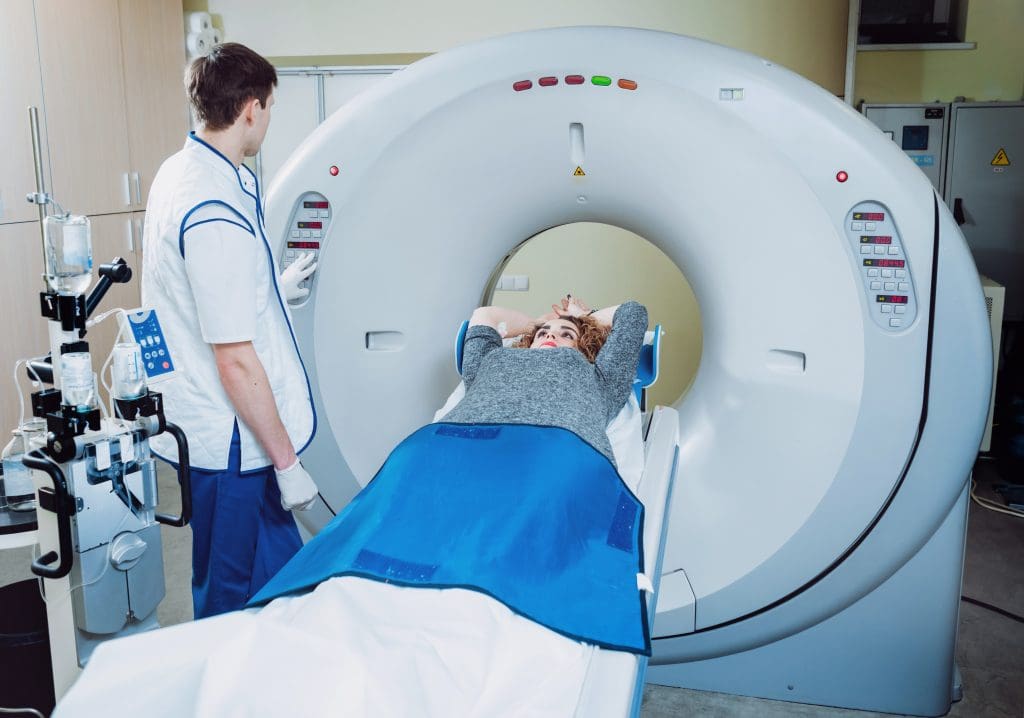
Cancer cells grow fast because of their unique metabolism and genes. We’ll look into these differences to see how they help tumors grow.
How Cancer Cells Differ from Normal Cells
Cancer cells change how they use energy, a process called metabolic reprogramming. This lets them grow quickly. They use glucose, lipids, and amino acids differently than normal cells.
Metabolic Differences in Cancer Cells
Cancer cells use a lot of glucose, even with oxygen around. This is called the Warburg effect. It helps them make energy and grow.
Genetic Mutations and Their Effects
Genetic changes in cancer cells turn on bad genes and turn off good ones. This makes them grow more. These changes also affect how they use energy, helping tumors grow even more.
How Fast Do Tumors Grow? Understanding Growth Rates
umors grow at different speeds depending on the cancer type. This affects how treat them. Knowing how fast tumors grow is key in diagnosing and planning treatment.
Measuring Tumor Doubling Time
Tumor doubling time is a key measure in fighting cancer. It shows how fast a tumor grows. Getting this measurement right is important for choosing the right treatment.
Common Growth Rate Metrics
use several ways to check how fast tumors grow. These include tumor doubling time and specific growth rate. These help see how aggressive the cancer is and if treatment is working. How fast tumors grow can really change how well a patient does.
Variations Between Cancer Types
Each cancer type grows at its own pace. Some cancers, like glioblastoma, grow fast. Others, like some breast cancers, grow slower. Knowing these differences helps create better treatment plans for each patient.
Understanding how fast tumors grow helps make better treatment plans. This approach leads to better care for patients.
The Connection Between Diet and Cancer Development
What we eat greatly affects our health. Studies have found a strong link between diet and cancer risk. Knowing which foods help or harm is key to preventing cancer.
Epidemiological Evidence Linking Food and Cancer Risk
Research has shown that diet can affect cancer risk. It found foods and nutrients that can either help or harm. This knowledge is vital for cancer prevention.
Major Population Studies on Diet and Cancer
Large studies have looked into diet and cancer. For example, the EPIC study followed over 500,000 Europeans. It found links between diet and cancer risk.
Regional Differences in Cancer Rates
Cancer rates differ worldwide, partly due to diet. People eating more fruits, veggies, and whole grains have lower rates. Those eating more processed and red meats have higher rates.
| Region | Dietary Pattern | Cancer Rate |
| Western Countries | High in processed meats and red meat | Higher |
| Mediterranean Region | Rich in fruits, vegetables, and whole grains | Lower |
| Asian Countries | High in soy and green tea | Variable |
Understanding these differences helps us make better diet choices. It guides us in reducing cancer risk.
Top Cancer-Fighting Foods That Slow Tumor Growth
Eating the right foods is key to fighting cancer. We’ve found foods that help prevent cancer. Adding them to your diet can help fight cancer.
Cruciferous Vegetables and Their Anti-Cancer Properties
Cruciferous vegetables are super strong against cancer. They have compounds that fight cancer.
Broccoli, Cauliflower, and Cabbage Benefits
Broccoli, cauliflower, and cabbage are top veggies against cancer. They’re full of vitamins, minerals, and antioxidants. These help fight cancer.
- Rich in vitamins C and K
- High in fiber and antioxidants
- Contain sulforaphane, a compound with anti-cancer properties
Sulforaphane and Other Active Compounds
Sulforaphane is a key compound in these veggies. It helps the body fight cancer. Other compounds include:
- Indoles
- Isothiocyanates
- Flavonoids
These compounds work together to fight cancer. So, cruciferous veggies are very important in a cancer prevention diet.
The Power of Plant Compounds in Fighting Cancer
We’re learning that plant compounds can fight cancer. Polyphenols, found in foods like fruits and veggies, have shown promise. They help in many ways.
Polyphenols and Their Anti-Cancer Mechanisms
Polyphenols are known for their antioxidant powers. They stop cancer cells from growing and can cause them to die. They also affect cancer development by changing important pathways.
Flavonoids in Colorful Fruits and Vegetables
Flavonoids are a type of polyphenol in colorful foods. They fight inflammation and cancer. Quercetin, found in apples and onions, slows down cancer cell growth.
Resveratrol in Grapes and Berries
Resveratrol is in grapes, berries, and peanuts. It might help prevent cancer. It stops new blood vessels from forming, which tumors need to grow.
| Food Source | Polyphenol | Potential Anti-Cancer Effect |
| Apples, Onions | Quercetin | Inhibits cancer cell proliferation |
| Grapes, Berries | Resveratrol | Anti-angiogenic effects |
| Green Tea | Catechin | Antioxidant and anti-inflammatory effects |
Eating more plant-based foods can help prevent cancer. These foods are full of powerful compounds.
Omega-3 Rich Foods and Their Role in Cancer Prevention
Omega-3 fatty acids, found mainly in fatty fish, help reduce inflammation. This can lower the risk of cancer. These fats are key for our health and fight cancer well.
Fatty Fish and Their Anti-Inflammatory Effects
Fatty fish are full of omega-3 fatty acids. Salmon, mackerel, and sardines are top sources of these good fats.
Salmon, Mackerel, and Sardines
These fish are tasty and full of nutrients that fight cancer. You can easily add them to your meals. Try grilled salmon for dinner or sardines in salads.
How Omega-3s Reduce Cancer-Promoting Inflammation
Omega-3s cut down on inflammatory molecules. Chronic inflammation can lead to cancer. Omega-3s help reduce this risk.
Experts say, “Eating foods rich in omega-3s can lower cancer risk.”
“The anti-inflammatory effects of omega-3 fatty acids make them an important component of a cancer-preventive diet.”
The Anti-Cancer Properties of Allium Vegetables
Allium vegetables, like garlic and onions, are packed with sulfur compounds. These compounds have been linked to fighting cancer. For centuries, these veggies have been part of our diets, bringing both flavor and health benefits. Let’s dive into the specific compounds and how they help combat cancer.
Garlic, Onions, and Their Sulfur Compounds
Garlic and onions are key members of the allium family. They are known for their high sulfur content. Allicin, found in garlic, is famous for its health perks.
Allicin and Its Cancer-Fighting Mechanisms
When garlic is crushed, allicin is released. It has been found to kill cancer cells and stop tumors from growing. Research shows allicin can disrupt cancer development pathways.
Research on Allium Vegetables and Cancer Risk
Many studies have looked into how allium vegetables affect cancer risk. Here’s a summary of those findings:
| Cancer Type | Effect of Allium Vegetables | Reference |
| Colorectal Cancer | Reduced risk associated with high consumption | Study 1 |
| Breast Cancer | Potential protective effect | Study 2 |
| Prostate Cancer | Lower risk observed in some studies | Study 3 |
In summary, allium vegetables like garlic and onions have compounds like allicin. These compounds fight cancer. Eating these veggies may lower cancer risk.
Mushrooms: Powerful Immune Boosters Against Cancer
Mushrooms are known for their ability to boost the immune system and fight cancer. Certain types of mushrooms have been used in traditional medicine. They help enhance immune response and fight tumors.
Medicinal Mushrooms with Anti-Tumor Effects
Reishi, Shiitake, and Maitake mushrooms are well-studied for their health benefits. They contain compounds that boost the immune system and stop tumor growth.
Reishi, Shiitake, and Maitake Benefits
Reishi mushrooms boost immune function and reduce inflammation. Shiitake mushrooms have lentinan, a compound that fights tumors. Maitake mushrooms strengthen the immune system and help fight cancer cells.
Beta-Glucans and Immune Function
Beta-glucans in these mushrooms are key to their immune-boosting effects. They activate immune cells like macrophages and natural killer cells. These cells are important in fighting cancer.
Spices and Herbs That Combat Cancer Cell Growth
For centuries, spices and herbs have been used for more than just flavor. They have been valued for their health benefits, including fighting cancer. We look at how adding certain spices and herbs to your diet can help fight cancer.
Turmeric, Ginger, and Other Anti-Inflammatory Spices
Turmeric and ginger are well-studied for their cancer-fighting properties. Turmeric contains curcumin, a powerful anti-inflammatory and anti-cancer compound. Ginger, with its gingerols, also protects against cancer.
Curcumin’s Multiple Anti-Cancer Mechanisms
Curcumin stops cancer cells from growing by blocking key pathways. It stops new blood vessels from forming, which tumors need to grow. Curcumin also makes cancer cells die naturally.
Gingerols and Their Protective Effects
Gingerols, like 6-gingerol, have anti-inflammatory and anti-cancer effects. They help protect against DNA damage and slow cancer cell growth.
The table below lists some spices and herbs studied for fighting cancer:
| Spice/Herb | Active Compound | Anti-Cancer Mechanism |
| Turmeric | Curcumin | Inhibits cancer cell growth, anti-angiogenic |
| Ginger | Gingerols | Anti-inflammatory, protects against DNA damage |
| Cinnamon | Cinnamaldehyde | Induces apoptosis in cancer cells |
Adding these spices and herbs to your meals can be tasty and help prevent cancer. Try making dishes with turmeric, ginger, and other anti-inflammatory spices.
Foods That May Accelerate Tumor Growth
Eating a balanced diet with lots of fruits and veggies is key to fighting cancer. But, it’s also important to know which foods might make tumors grow faster. Some foods can raise your cancer risk, so knowing about them helps us make better choices for our health.
Processed Meats and Their Carcinogenic Properties
Processed meats, like sausages and bacon, can increase cancer risk. This is because of the additives and preservatives they contain.
Nitrates, Nitrites, and Cancer Risk
Nitrates and nitrites are found in many processed meats. They can turn into harmful substances in our bodies. Studies link these substances to a higher risk of colon cancer.
Healthier Alternatives to Processed Meats
There are better choices than processed meats. Try adding more fresh meats and plant-based protein sources to your meals. Grilled chicken, fish, and beans are good options. They’re low in bad stuff and high in good stuff for your body.
| Processed Meat | Healthier Alternative | Nutritional Benefit |
| Bacon | Grilled Chicken Breast | High in Protein, Low in Saturated Fat |
| Sausages | Legumes (Lentils, Chickpeas) | Rich in Fiber, Vitamins, and Minerals |
| Ham | Fresh Fish (Salmon, Tuna) | High in Omega-3 Fatty Acids |
Choosing the right foods can help lower your cancer risk. It’s important to think about what we eat. Aim for a diet full of whole, nutrient-rich foods.
The Role of Fermented Foods in Cancer Prevention
Fermented foods like yogurt, sauerkraut, and kimchi might help prevent cancer. They are full of good bacteria and compounds that boost gut health.
Gut Microbiome Health and Cancer Risk
Our gut microbiome health is key to our cancer risk. A healthy gut microbiome keeps our immune system strong. This is important for fighting cancer cells.
Beneficial Bacteria and Immune Function
Good bacteria in fermented foods boost our immune system. Studies have shown that a healthy gut microbiome helps our body fight cancer better.
Short-Chain Fatty Acids and Colon Health
Short-chain fatty acids, made during fermentation, are good for our colon. They reduce inflammation and help keep our colon healthy. This can reduce the risk of colon cancer.
Some key fermented foods for cancer prevention are:
- Yogurt
- Sauerkraut
- Kimchi
- Kefir
Eating these foods can help lower cancer risk. They support gut health and immune function. Fermented foods are a promising way to prevent cancer.
Beverages That Fight Cancer vs. Those That Promote It
What we drink every day can affect our risk of cancer. Some drinks help fight tumors. It’s key to know which drinks are good and which might not be.
Green Tea and Other Anti-Cancer Drinks
Green tea is famous for fighting cancer. It’s packed with special compounds. Green tea catechins, like EGCG (epigallocatechin gallate), help stop tumors.
EGCG and Other Catechins in Tea
EGCG and other catechins in green tea do several things:
- They slow down cancer cell growth
- They make cancer cells die
- They stop tumors from getting blood vessels
Coffee might also help fight cancer. Drinking it in moderation could lower the risk of some cancers. The exact reasons are not clear, but antioxidants and better insulin sensitivity might help.
Even though these drinks seem to help, it’s important to eat well and talk to for advice.
Creating a Comprehensive Anti-Cancer Diet Plan
We can lower our cancer risk by eating foods that fight cancer cells. A good diet plan is key in preventing cancer. It should include foods packed with anti-cancer nutrients.
Daily Meal Planning for Cancer Prevention
Good meal planning means choosing foods with anti-cancer benefits. Look for cruciferous vegetables, omega-3 rich foods, and certain spices and herbs.
Breakfast Options Rich in Anti-Cancer Foods
Starting with a healthy breakfast is important for cancer prevention. Add berries rich in antioxidants, green tea, and whole grains to your morning meal.
- Oatmeal with berries and nuts
- Green tea smoothie with spinach and banana
- Whole grain toast with avocado and eggs
Lunch, Dinner, and Snack Strategies
For lunch and dinner, add cruciferous vegetables like broccoli and cauliflower. Also, include fatty fish for omega-3 fatty acids. Snack on anti-cancer fruits like apples and grapes.
- Grilled salmon with roasted vegetables for dinner
- Quinoa salad with mixed vegetables and a citrus vinaigrette for lunch
- Apple slices with almond butter as a snack
By adding these foods to our daily meals, we can fight cancer. It’s about making smart choices for our health and well-being.
Beyond Diet: Other Lifestyle Factors That Influence Tumor Growth
Changing your diet is important, but exercise is key too. It can greatly lower your cancer risk. Other lifestyle choices also affect how tumors grow.
Exercise and Its Impact on Cancer Risk
Regular exercise helps fight cancer by changing how our bodies work. It can slow down cancer cell growth by boosting our immune system and reducing inflammation. It also helps our cells work better.
How Physical Activity Affects Cellular Metabolism
Exercise changes how our cells use energy. It makes us burn more calories and helps our bodies use insulin better. This can stop tumors from growing. A study found that exercise makes it harder for cancer cells to grow.
“Exercise is a powerful tool in the prevention of cancer, acting through multiple mechanisms to reduce risk.”
Recommended Exercise Types and Amounts
To prevent cancer, aim for 150 minutes of moderate exercise or 75 minutes of intense exercise weekly. Adding strength training helps too. Finding what works for you and sticking to it is key.
Combining healthy eating with regular exercise can lower your cancer risk a lot. We suggest a complete plan that includes diet and exercise for everyone.
When to Seek Medical Advice: Diet as a Complement to Treatment
We often overlook how diet affects cancer treatment outcomes. It’s key to see how food works with conventional therapies. While diet changes can help conventional cancer treatments, talking to healthcare providers is vital for a good plan.
Integrating Dietary Changes with Conventional Cancer Treatments
Dietary changes can help with cancer treatment, but they need careful planning. They should be mixed well with conventional cancer treatments. This avoids bad interactions between food and therapy.
Potential Interactions Between Foods and Therapies
Some foods can change how cancer treatments work. For example, foods with a lot of vitamin K can mess with blood thinners. Grapefruit can also affect some chemotherapy drugs. It’s important to talk about your diet with your doctor to handle these issues.
Nutritional Support During Treatment
Nutritional support is key in cancer care. It helps patients stay strong and deal with treatment side effects. A balanced diet, full of important nutrients, helps the body recover and stay healthy during tough times.
Getting medical advice on diet and cancer treatment is a smart move. Working with your healthcare team, you can make a plan that fits your treatment goals.
Conclusion: Empowering Yourself Through Anti-Cancer Nutrition
Adopting an anti-cancer diet and lifestyle helps you take charge of your health. This article has shown how diet affects cancer. We’ve talked about foods that fight cancer and those that might increase the risk.
Adding foods like cruciferous vegetables, omega-3 foods, and allium vegetables to your diet is powerful. Also, choosing the right drinks and avoiding processed meats is key to a good anti-cancer diet.
Making smart choices about what you eat and how you live can lower your cancer risk. We urge you to start making these changes. They can help you stay healthy and support your cancer treatment.
With the right nutrition and lifestyle, we can prevent cancer and live healthier lives. This benefits us and our families for the future.
FAQ
What are some examples of anti-cancer foods that I can include in my daily meals?
Include foods like broccoli, cauliflower, garlic, onions, salmon, and spices like turmeric and ginger in your meals. These foods are tasty and support cancer prevention.
How should I integrate dietary changes with conventional cancer treatments?
Working with healthcare professionals is essential. They can guide you on how to safely combine diet changes with treatments. This ensures you get the right nutrition during cancer care.
Can lifestyle factors other than diet influence cancer risk?
Yes, regular exercise is a key factor in reducing cancer risk. Combining a healthy diet with physical activity boosts overall health and cancer prevention.
Are there any specific beverages that can help prevent cancer?
Yes, green tea and moderate coffee consumption have been linked to cancer prevention. These beverages can be part of a healthy diet.
How can I create a complementary anti-cancer diet plan?
Plan your meals with a variety of anti-cancer foods. Include fruits, veggies, whole grains, and lean proteins. Getting advice from a healthcare professional or dietitian can help tailor your plan.
What is the role of omega-3 fatty acids in cancer prevention?
Omega-3 fatty acids, found in fatty fish, have anti-inflammatory effects. These can help prevent cancer. Adding these nutrients to your diet is beneficial.
Can diet alone prevent or cure cancer?
Diet is very important in preventing cancer, but it’s not a complete solution. A balanced diet, exercise, and medical care are all needed for health and cancer prevention.
Are there specific foods that can cause cancer?
Yes, some foods like processed meats can increase cancer risk. Knowing which foods might be harmful is important. Choose healthier options instead.
How fast do tumors grow, and what factors influence their growth rate?
Tumors grow at different rates, depending on the cancer type and individual factors. Knowing how fast tumors grow and how nutrition affects this is important. It helps in planning the best treatment and prevention strategies.
What are the best foods to prevent cancer?
Eating foods that fight cancer is key. Include veggies like broccoli and cauliflower. Also, add fatty fish, garlic, onions, mushrooms, and spices like turmeric and ginger to your meals.