Last Updated on November 27, 2025 by Bilal Hasdemir

A prostate cancer recurrence after radiation therapy can be very worrying for patients. At Liv Hospital, we get how tough this news can be.
When PSA levels go up, it often means the cancer may have come back. The National Institutes of Health says prostate cancer is the most common cancer in men in the US. It’s also the second-leading cause of cancer death.
We’re here to offer full care and support for those facing this tough time. Our team works hard to meet the complex needs of patients with recurrent prostate cancer.
Key Takeaways
- Prostate cancer recurrence after radiation therapy is a significant concern.
- Rising PSA levels can indicate biochemical recurrence.
- Liv Hospital offers complete care and support for patients with recurrent prostate cancer.
- Our team is dedicated to addressing the complex needs of patients.
- Early detection and treatment can improve patient outcomes.
Understanding Prostate Cancer Recurrence

It’s key to grasp the details of prostate cancer recurrence to manage it well. When cancer comes back after treatment, it’s tough for both patients and doctors.
Defining Biochemical Recurrence
Biochemical recurrence happens when PSA levels go up after treatment. This shows cancer might be coming back. Doctors watch for this by checking PSA levels regularly. Research shows why knowing about recurrence is vital.
Prevalence and Statistics
Recurrence is a big worry in prostate cancer. Studies say it usually happens 2.5 to 3 years after treatment. How often it happens depends on the cancer’s stage, grade, and treatment.
Types of Recurrence: Local vs. Distant
Prostate cancer can come back in two ways. It can return in the same area as before or spread to other parts of the body. Local recurrence might need local treatments, while distant recurrence needs treatments that target the whole body.
Knowing if the cancer is local or distant is important for choosing the right treatment. We’ll look at how doctors figure this out next.
Signs and Symptoms of Recurrent Prostate Cancer
Knowing the warning signs of recurrent prostate cancer is key. When cancer comes back after radiation, it can show in different ways. It’s important for patients to know these signs and symptoms.
Rising PSA Levels as a Warning Sign
A rising Prostate-Specific Antigen (PSA) level often means cancer has come back. We watch PSA levels closely after treatment. An increase can mean the cancer is back.
The Gleason score and when PSA starts rising are important. They help figure out if more treatment will work.
Early finding of recurrence is key for managing it well. A steady rise in PSA might lead to more tests. These tests check if the cancer has come back.
Physical Symptoms to Watch For
While a rising PSA is a big sign, physical symptoms can also hint at recurrence. These include:
- Pain in the lower back, hips, or pelvis
- Difficulty urinating or painful urination
- Blood in the urine or semen
- Weakness or numbness in the legs or feet
- Loss of bladder or bowel control
These symptoms can mean different things. But if you notice them, seeing your doctor is important.
When to Contact Your Doctor
If you’re feeling any symptoms or if your PSA is rising, call your doctor. It’s good to be proactive about your health. If you notice anything unusual, get checked out.
Knowing the signs and symptoms of recurrent prostate cancer helps. Regular check-ups with your doctor are also important. This way, you can help manage your health better.
Timeframe for Prostate Cancer Recurrence After Treatment
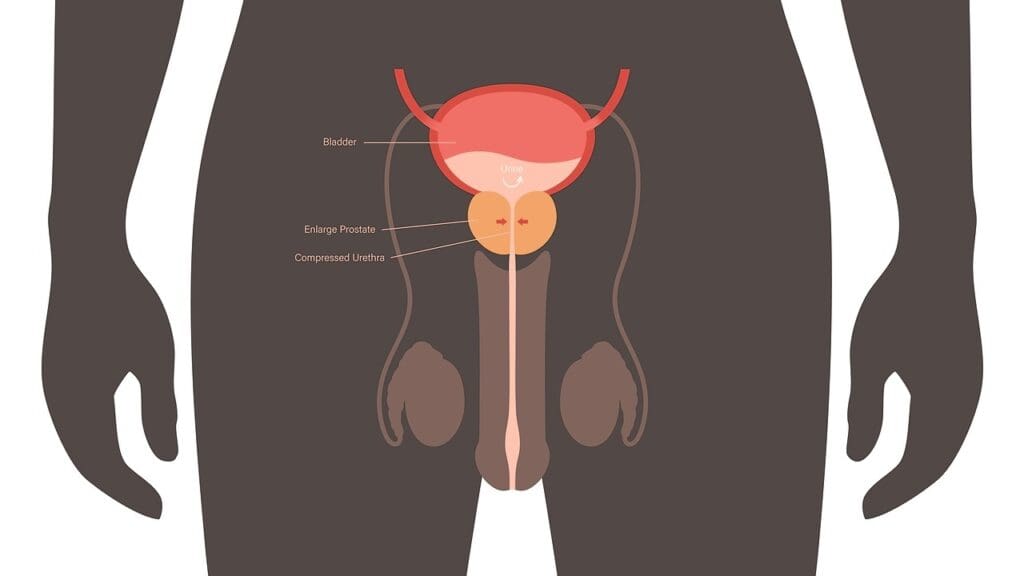
Knowing when prostate cancer might come back after treatment is key for both patients and doctors. The time it takes for cancer to return can differ a lot from person to person. So, it’s important to keep a close eye on patients.
Average Recurrence Timeline
Studies show that prostate cancer usually comes back about 2.5 to 3 years after treatment. This time is very important for watching and caring for patients. Regular PSA tests and doctor visits are key to catching any signs of cancer coming back early.
Early detection of cancer coming back can greatly change treatment choices and results. So, sticking to the recommended follow-up plan is very important for patients.
Factors Affecting Recurrence Timing
Several things can change when prostate cancer comes back. These include:
- The initial stage and grade of the cancer
- The success of the first treatment
- Factors specific to the patient, like age and health
- Genetic and molecular markers of the cancer
Knowing these factors helps doctors create a follow-up plan that fits each patient’s needs. This can help improve outcomes.
Long-term Monitoring Considerations
Even after the first 2.5 to 3 years, keeping an eye on patients is vital. Prostate cancer can come back years later. We suggest a follow-up plan that considers the patient’s risk factors and health.
Long-term survival and quality of life can greatly improve with the right monitoring and quick action if cancer comes back.
Diagnostic Procedures for Confirming Recurrence
Diagnosing prostate cancer recurrence requires several tests and evaluations. It’s important to get an accurate diagnosis to choose the right treatment. We use different procedures to see if prostate cancer has come back after radiation therapy.
PSA Testing and Monitoring Protocols
PSA testing is key in tracking prostate cancer recurrence. We check the blood for prostate-specific antigen (PSA) levels. A rise in PSA after radiation therapy might mean the cancer is back.
How often we test PSA depends on your risk and cancer stage. Usually, we suggest checking PSA every 6 to 12 months after treatment.
Advanced Imaging Techniques
New imaging techniques have made finding recurrent prostate cancer easier. Tools like multiparametric MRI and PET scans help spot where and how much cancer has spread.
Multiparametric MRI gives clear pictures of the prostate and nearby areas. It helps find cancer close by. PET scans, like those using PSMA, can find cancer cells all over the body.
Biopsy Considerations and Procedures
At times, a biopsy is needed to confirm prostate cancer recurrence. We might do a biopsy if imaging results are unclear or if we need tissue for treatment planning.
The biopsy involves taking tissue from the prostate or other areas. Then, we check the tissue for cancer cells. This helps us decide the best treatment.
Risk Factors for Prostate Cancer Recurrence
Many things can affect the chance of prostate cancer coming back after treatment. Knowing these risk factors is key to making good treatment plans and keeping an eye on how the cancer is doing.
Gleason Score Significance
The Gleason score shows how aggressive prostate cancer is. A higher Gleason score means the cancer is more aggressive and might come back after treatment. We use the Gleason score to predict how likely it is to come back and decide on treatment.
Initial PSA Levels and Doubling Time
PSA levels before treatment tell us a lot about the risk of cancer coming back. A higher initial PSA level means a higher risk of recurrence. Also, how fast the PSA doubles after treatment shows how fast the cancer is growing. A quicker doubling time means the cancer is growing faster.
Cancer Stage and Grade Implications
The stage and grade of prostate cancer at diagnosis are also important. Advanced cancer stages and higher grades mean a higher risk of recurrence. We take these into account when planning treatment and follow-up care.
Genetic and Molecular Markers
New research has found genetic and molecular markers linked to a higher risk of prostate cancer coming back. These markers help us understand the cancer’s biology and tailor treatments to each patient.
By understanding and tackling these risk factors, we can make treatments more effective. This way, we can give better care to patients at risk of prostate cancer recurrence.
What Happens If Prostate Cancer Comes Back After Radiation
It’s important to know what happens if prostate cancer comes back after radiation. This is true for patients and their families. When prostate cancer recurs after radiation, it brings new challenges that need careful management.
Distinguishing Local vs. Systemic Recurrence
Recurrent prostate cancer can be local or systemic. Local recurrence means the cancer comes back in the same area, like the prostate or nearby tissues. Systemic recurrence is when the cancer spreads to other parts of the body, like bones or lymph nodes.
Knowing the type of recurrence is key because it affects treatment and outlook. PET scans and MRI help figure out how far the cancer has spread.
| Recurrence Type | Description | Typical Treatment Approach |
|---|---|---|
| Local Recurrence | Cancer returns in the prostate or surrounding area | Salvage therapy, such as surgery or additional radiation |
| Systemic Recurrence | Cancer spreads to other parts of the body | Systemic treatments, including hormone therapy or chemotherapy |
Impact on Prognosis and Survival Rates
The type of recurrence greatly affects a patient’s outlook and survival chances. Patients with local recurrence usually have a better chance than those with systemic recurrence. Studies show that the 5-year survival rate for local recurrence is often higher.
Knowing the prognosis helps in making treatment decisions. The Gleason score, PSA levels, and overall health also influence the outlook.
Psychological and Emotional Challenges
Dealing with recurrent prostate cancer is emotionally tough for patients and families. The news of recurrence can cause anxiety, fear, and uncertainty. It’s vital for patients to get support, including counseling, to handle these feelings.
Support groups and counseling services offer a safe place to share and get support. Healthcare providers should also communicate clearly and compassionately to help patients understand their situation and options.
Treatment Options for Recurrent Prostate Cancer
When prostate cancer comes back, a team of experts is needed to find the best treatment. We know it’s tough to deal with, so we aim to give you all the info on what’s out there.
Salvage Radiation Therapy Approaches
If cancer comes back after radiation, salvage radiation therapy might be an option. This method sends more radiation to the prostate to kill any cancer cells left. Salvage radiation therapy can help control the cancer in some cases.
Whether or not to try salvage radiation depends on a few things. These include how much radiation was used first, how long ago, and your health. New methods like stereotactic body radiation therapy (SBRT) are being looked at for their precision.
Hormone Therapy Protocols
Hormone therapy, or androgen deprivation therapy (ADT), is often used for prostate cancer that comes back. It lowers male hormones that help cancer grow. There are different ways to do hormone therapy, like taking breaks to reduce side effects.
Choosing the right hormone therapy depends on many things. These include symptoms, how fast the cancer is growing, and what treatments you’ve had before. We help pick the best option for you.
Surgical Interventions
In some cases, salvage prostatectomy or other surgeries might be considered. These involve removing the prostate and sometimes nearby tissues. Surgery can be effective, but it’s important to weigh the risks and benefits.
Decisions about surgery are based on several factors. These include your health, how much cancer is back, and what treatments you’ve had. Talking to a urologic oncologist is key to understanding surgery’s role.
Emerging Treatments and Clinical Trials
New treatments and clinical trials are always coming up in prostate cancer care. Immunotherapy, targeted therapy, and other new methods are being studied. They might offer better ways to fight cancer.
Joining clinical trials can give you access to new treatments. We suggest looking into these options and talking to your doctor about if you qualify.
Proton Therapy and Other Advanced Treatment Modalities
Advanced treatments like proton therapy are changing how we fight recurrent prostate cancer. Proton therapy is a new hope for those who have seen cancer come back after first treatments.
Benefits for Recurrent Cases
Proton therapy offers many benefits for those with recurrent prostate cancer. It allows for precise targeting of the tumor, reducing harm to healthy tissues. This is key in cases where previous treatments have already damaged the area.
Research shows proton therapy can lower side effect risks from traditional radiation. For example, a study in the Florida Proton newsletter showed its effectiveness in treating recurrent prostate cancer.
Reduced Side Effects and Improved Outcomes
Proton therapy’s main advantage is its ability to reduce side effects. It protects healthy tissues from radiation, leading to fewer complications and better quality of life. This means lower risks of urinary incontinence, bowel problems, and erectile dysfunction.
It also improves treatment outcomes by delivering a precise and potent dose of radiation. This can lead to better control of the cancer and possibly better survival rates.
Availability and Access to Advanced Treatments
Though proton therapy is a big step forward in treating recurrent prostate cancer, it’s not always easy to get. The high cost of proton therapy centers limits its availability. Patients may have to travel far to get this treatment, which can be hard.
But, more proton therapy centers are opening up around the world. This makes it easier for patients to access this treatment. It’s important for patients to talk to their doctors to find the best treatment and see if proton therapy is an option.
Cost Considerations and Insurance Coverage
The cost of proton therapy is a big factor for patients. It’s more expensive than traditional radiation therapy, but its benefits and lower long-term healthcare costs make it worth it.
Insurance coverage for proton therapy varies. Patients should check with their insurance to see what’s covered. Many insurance plans now cover proton therapy for recurrent prostate cancer.
Role of Specialized Medical Institutions in Recurrence Management
In cases of prostate cancer recurrence, patients greatly benefit from specialized medical institutions. These places have the latest technology and teams ready to handle complex cases. They are staffed by experts in managing recurrent prostate cancer.
Multidisciplinary Approach to Recurrent Prostate Cancer
A multidisciplinary approach is key in managing recurrent prostate cancer. This means a team of specialists like urologists and oncologists work together. They create a treatment plan that fits each patient’s needs.
Studies show that this team effort leads to better outcomes and a better quality of life for patients.
Evidence-Based Treatment Protocols
Evidence-based treatment protocols are the heart of care in these institutions. These protocols are based on the latest research and guidelines. They ensure patients get the most effective treatment for their condition.
Our institutions are dedicated to providing top-notch, evidence-based care. We update our treatment protocols regularly to include new research and advancements.
Accessing Specialized Care Centers
For patients with recurrent prostate cancer, getting to specialized care centers is vital. These centers offer advanced treatments and support services. They help patients through their care journey.
Let’s look at how specialized care compares to standard treatment:
| Treatment Approach | 5-Year Survival Rate | Recurrence Rate |
|---|---|---|
| Standard Treatment | 70% | 40% |
| Specialized Care | 85% | 25% |
The table shows patients in specialized care centers do better. They have higher survival rates and lower recurrence rates than those with standard treatment.
Choosing a specialized medical institution means patients get the best care. It’s tailored to their specific needs.
Conclusion: Living with Recurrent Prostate Cancer
Living with recurrent prostate cancer is tough. It needs a lot of care and support. We’ve looked at the signs, symptoms, tests, and treatments for this condition.
People with recurrent prostate cancer need help managing their disease. They should make informed choices about their care. Studies show that a team approach is best, using new treatments and support.
We’re working hard to understand and treat prostate cancer better. Our goal is to give top-notch care and support to patients. By knowing more about recurrent prostate cancer, we can help patients live better lives.
FAQ
What is prostate cancer recurrence, and how is it diagnosed?
Prostate cancer recurrence happens when cancer comes back after treatment. Doctors use PSA tests, advanced imaging, and biopsies to find it.
What are the different types of prostate cancer recurrence?
There are three types of recurrence: biochemical, local, and distant metastasis. Knowing the type helps doctors choose the right treatment.
What are the signs and symptoms of recurrent prostate cancer?
A rising PSA level is often the first sign. Other symptoms include bone pain, trouble urinating, and more. These need quick medical attention.
How soon can prostate cancer recur after treatment?
Recurrence can happen within 2.5-3 years after treatment. The Gleason score, initial PSA, and cancer stage play a role in when it happens.
What are the treatment options for recurrent prostate cancer?
Treatments include salvage radiation, hormone therapy, surgery, and proton therapy. The right treatment depends on the recurrence’s type and extent.
What is the role of PSA testing in monitoring recurrent prostate cancer?
PSA tests are key for tracking recurrence. Rising levels mean cancer might be back. Regular tests help doctors catch it early and adjust treatment.
How does proton therapy benefit patients with recurrent prostate cancer?
Proton therapy reduces side effects and improves outcomes. It precisely targets cancer cells, protecting healthy tissues.
What are the psychological and emotional challenges of living with recurrent prostate cancer?
Living with recurrent prostate cancer is tough emotionally. Patients face anxiety, fear, and uncertainty. They need full care and support.
How can patients access specialized care for recurrent prostate cancer?
Patients can get specialized care at experienced medical centers. A team approach and proven treatments help with tough decisions.
What are the cost considerations and insurance coverage for advanced treatments like proton therapy?
Costs and insurance vary by treatment and location. Patients should talk to their doctors and insurance about what’s covered.
Reference:
- https://www.health.harvard.edu/blog/after-prostate-cancer-treatment-a-new-standard-of-care-for-rising-psa-202312203001
- https://pubmed.ncbi.nlm.nih.gov/9400465/
- https://pmc.ncbi.nlm.nih.gov/articles/PMC10741753/
- https://www.floridaproton.org/newsletter/2022/april/when-prostate-cancer-returns
- https://urology.ucsf.edu/patient-care/cancer/prostate-cancer/conditions/prostate-cancer-condition/recurrence