Stopping the Depo-Provera birth control shot can cause unexpected side effects. Your body may have trouble balancing its hormones. Women often see irregular bleeding, mood swings, weight changes, and it takes longer to get pregnant again. Guide to managing the return of fertility and side effects for what happens when you get off the depo shot.
Top healthcare places know about these issues. They offer care that focuses on the patient to help with the change. It’s key to know about these side effects and how to deal with them for a smoother transition.
Key Takeaways
- Common side effects when stopping Depo-Provera include irregular bleeding and mood changes.
- Weight fluctuations and delayed fertility restoration are also possible.
- Understanding these changes can help manage them effectively.
- Patient-centered care is key for a smooth transition.
- Medical professionals can guide on managing side effects.
Understanding the Depo Shot and Hormonal Changes
Women thinking about or already using the Depo shot need to know how it works and its effects on hormones. The Depo-Provera injection has a synthetic hormone called medroxyprogesterone acetate. It is released slowly over about 12 to 14 weeks.
What is Depo-Provera and How it Works
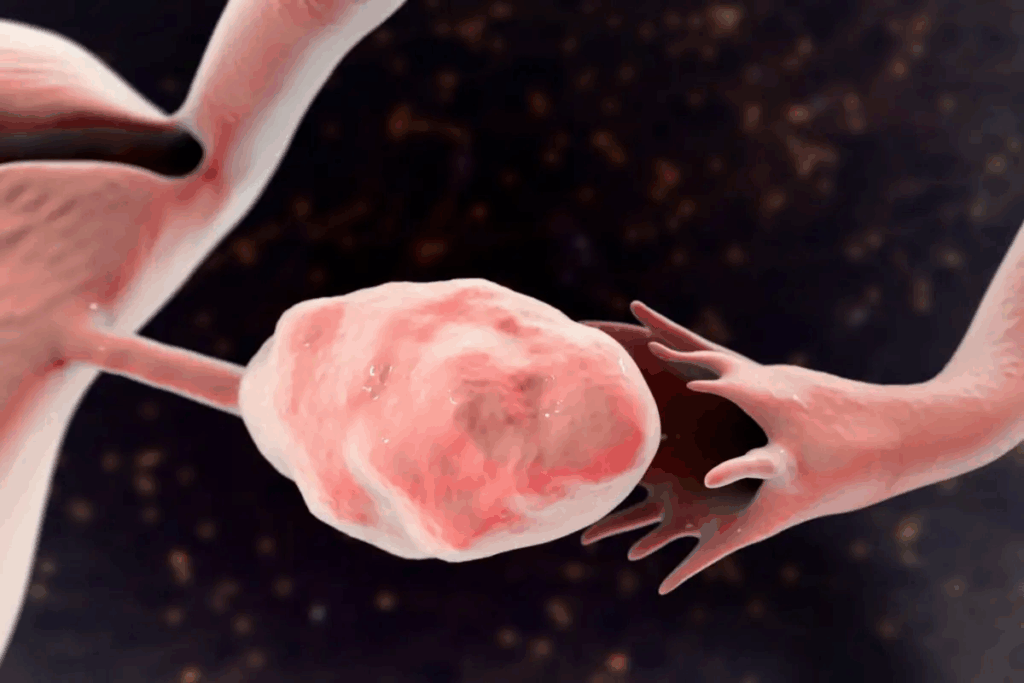
Depo-Provera makes it hard for sperm to reach the egg by thickening cervical mucus. It also thins the uterus lining, making it less likely to support a fertilized egg. The main way it works is by stopping ovulation, so there’s no egg for fertilization.
Hormonal Rebalancing After Discontinuation
When you stop using the Depo shot, your body starts to rebalance its hormones. This takes time as the body gets rid of the synthetic hormones from the shot. This rebalancing can cause different side effects, which we’ll talk about later.
Important things to remember during this time include:
- The return of ovulation and menstrual cycles
- Potential mood and emotional changes
- Physical changes, like weight or skin issues
Knowing how Depo-Provera works and what happens when you stop it helps women prepare for side effects. It also helps them take care of their health.
What Happens When You Get Off the Depo Shot: Common Side Effects

Stopping the Depo shot starts a complex process of hormonal rebalancing. This often brings several side effects. Your body adjusts to the lack of synthetic hormones, leading to physical and emotional changes.
Immediate Hormonal Withdrawal Symptoms
Stopping the Depo shot can cause immediate withdrawal symptoms. This is because your body’s hormone levels drop suddenly. Common symptoms include:
- Mood swings and irritability
- Irregular or heavy bleeding
- Headaches
- Nausea
- Breast tenderness
- Fatigue
These symptoms are part of your body’s adjustment. A study in the Journal of Clinical Endocrinology and Metabolism found many women experience these symptoms in the first few months after stopping the Depo shot.
“The discontinuation of Depo-Provera can lead to a variety of withdrawal symptoms, reflecting the body’s need to rebalance its hormonal levels.”
Journal of Clinical Endocrinology and Metabolism
Long-Term Adjustment Experiences
Long-term experiences can differ a lot among women. Some may have ongoing irregular periods. Others might face weight changes, bone density issues, and emotional adjustments.
Side Effect | Possible Duration | Management Tips |
Irregular Periods | Several months to a year | Track your cycle, consider hormonal therapies |
Weight Changes | Ongoing, dependent on lifestyle | Maintain a balanced diet, regular exercise |
Bone Density Loss | Ongoing, requires monitoring | Ensure adequate calcium and vitamin D intake, consider bone density scans |
Being patient and proactive is key in managing these side effects. A healthcare provider says, “Knowing the possible side effects and having strategies can make the transition easier.”
Timeline: What to Expect in the Months Following Discontinuation
Stopping the Depo shot means your body will go through big changes. These changes can last for several months. Your body will adjust to its natural hormonal balance.
First Three Months After Your Last Shot
The first three months after stopping the Depo shot are key. You might feel mood swings, breast tenderness, and changes in your menstrual cycle. Some women also get headaches, feel dizzy, or notice weight changes.
These symptoms can be different for everyone. Some might feel mild effects, while others might feel them more strongly. How your body reacts depends on how long you used Depo, your health, and your hormones.
Months 4-10: The Extended Adjustment Period
After the first three months, your body keeps adjusting. Months 4 to 10 are when many women see their menstrual cycles get back to normal. But, it’s common for cycles to stay irregular during this time.
The table below shows what you might experience during this time:
Month | Common Symptoms | Notable Changes |
4-6 | Mood fluctuations, possible weight changes | Possible return of menstrual cycle |
7-8 | Continued irregular periods, possible spotting | Gradual hormonal stabilization |
9-10 | Reducing symptoms, improving overall well-being | Menstrual cycle normalization for many |
Remember, everyone’s experience is different. Your health, how long you used Depo, and your hormones all affect how fast you adjust after stopping the Depo shot.
Managing Menstrual Irregularities After Stopping Depo
Stopping the Depo shot can lead to changes in your menstrual cycle. You might see heavy bleeding, spotting, or even no periods at all. It’s important to know how to handle these changes to make the transition easier.
Coping with Heavy Bleeding and Spotting
After stopping the Depo shot, you might experience heavy bleeding or spotting. Here are some tips to help:
- Eat a diet rich in iron to replace lost blood
- Use sanitary products made for heavy flow
- Drink plenty of water to help your body recover
Dealing with Amenorrhea (Absence of Periods)
Amenorrhea, or not getting your period, is another challenge. To deal with it, try these:
- Keep a balanced lifestyle with a healthy diet and exercise
- Use stress-relief techniques like yoga or meditation
- See a healthcare provider if your periods don’t come back
Tracking Your Cycle During Transition
Tracking your menstrual cycle is key during this time. It helps you notice any changes and manage them better. Use:
- Period tracking apps to monitor your cycle
- A menstrual calendar to keep track of your periods
- Write down any symptoms or changes in your cycle
Here’s an example of a menstrual cycle tracking table:
Cycle Day | Flow | Symptoms |
1-5 | Heavy | Cramps, Bloating |
6-10 | Spotting | Mood Swings |
11-28 | None | Breast Tenderness |
Strategies for Handling Mood Swings and Emotional Changes
Stopping the Depo Shot changes your body’s hormones. This can make you feel moody and emotional. But, there are ways to handle these feelings.
Recognizing Hormone-Related Mood Fluctuations
Mood swings after stopping the Depo Shot come from hormonal changes. Recognizing the signs is key to managing them. You might feel irritable, anxious, sad, or depressed.
Natural Approaches to Emotional Stability
There are natural ways to feel better during hormonal changes. These include:
- Dietary Changes: Eating foods full of omega-3s, vitamins, and minerals helps your mind.
- Exercise: Moving your body regularly can lower anxiety and depression.
- Mindfulness and Meditation: Yoga and meditation can help you stay calm and emotionally stable.
Creating a Support System During Transition
Having a strong support system is key during this time. This can include:
Support Type | Description | Benefits |
Family and Friends | Emotional support and understanding | Reduces feelings of loneliness |
Support Groups | Sharing experiences with others going through similar changes | Provides a sense of community |
Professional Help | Counseling or therapy sessions | Offers strategies for coping with emotional changes |
Addressing Weight Fluctuations and Body Changes
Stopping the Depo shot can change your body weight and shape. Many women notice these changes, which can be worrying. Knowing why and how to handle these changes is key.
Understanding Post-Depo Weight Changes
Depo-Provera can lead to weight gain. Stopping the shots causes hormonal shifts, affecting your weight. Changes in hunger, metabolism, and water retention play a role in weight changes.
Every woman’s body reacts differently to hormonal shifts. Some might lose weight, while others might gain. Keeping an eye on your diet and exercise can help you understand your body’s changes.
Nutrition Strategies During Hormonal Transition
Eating well is important after stopping Depo. Eat foods rich in nutrients like fruits, veggies, whole grains, lean proteins, and healthy fats. These foods help balance hormones and improve health.
- Hydration: Drink lots of water to control hunger and boost metabolism.
- Protein Intake: Eat protein-rich foods to keep muscles strong and feel full.
- Complex Carbohydrates: Choose whole grains over refined carbs to keep blood sugar stable.
- Healthy Fats: Add nuts, seeds, and avocados to support hormone production.
Exercise Approaches for Hormonal Balance
Exercise is key for managing weight and balancing hormones. It helps with mood swings and fatigue too.
- Aerobic Exercises: Do activities like walking, cycling, or swimming for heart health.
- Strength Training: Add resistance exercises to build muscle and increase metabolism.
- Flexibility and Relaxation: Try yoga or Pilates for better flexibility and stress relief.
Combining a healthy diet with regular exercise helps manage weight changes and supports your health after stopping Depo.
Relieving Physical Discomfort: Breast Tenderness, Headaches, and Nausea
Stopping the Depo shot can cause physical discomforts. Symptoms like breast tenderness, headaches, and nausea may appear. We’ll look at ways to ease these issues and improve your well-being.
Home Remedies for Breast Pain and Tenderness
Breast tenderness is common after stopping the Depo shot. Here are some home remedies to help:
- Wear a supportive bra to reduce breast movement and discomfort.
- Apply a warm compress to the breasts to relax the muscles and improve blood flow.
- Take over-the-counter pain relievers like ibuprofen to help manage pain and inflammation.
- Reduce caffeine intake, as it can exacerbate breast tenderness.
These simple steps can help reduce breast tenderness and make the transition easier.
Managing Hormone-Related Headaches and Dizziness
Hormonal changes after stopping the Depo shot can cause headaches and dizziness. Here’s how to manage these symptoms:
- Stay hydrated by drinking plenty of water to help prevent dehydration headaches.
- Practice relaxation techniques such as meditation or deep breathing exercises to reduce stress.
- Maintain a consistent sleep schedule to regulate hormonal changes.
- Consider keeping a headache diary to track when headaches occur and identify possible triggers.
By following these tips, you can better handle hormone-related headaches and dizziness.
Combating Nausea and Digestive Issues
Nausea and digestive issues are common after stopping the Depo shot. Here are some strategies to help:
- Eat small, frequent meals to stabilize your digestive system.
- Avoid foods that can trigger nausea, such as spicy or fatty foods.
- Stay hydrated by sipping on ginger tea or other non-caffeinated beverages.
- Incorporate ginger or peppermint into your diet, as they have natural anti-inflammatory properties that can soothe the digestive system.
By using these strategies, you can reduce nausea and digestive discomfort. This makes the transition off the Depo shot easier.
Managing Anxiety and Depression During Hormonal Transition
Stopping the Depo shot can lead to feelings of anxiety and depression. This happens as hormone levels adjust. It’s key to know the difference between normal mood swings and serious issues.
Distinguishing Between Normal Mood Changes and Clinical Concerns
Hormonal changes after stopping Depo-Provera can cause emotional shifts. Some mood swings are okay, but if anxiety or depression lasts, it might be serious. Watch your feelings and get help if they don’t get better.
Key indicators of clinical concerns include:
- Persistent feelings of sadness or hopelessness
- Increased anxiety or panic attacks
- Loss of interest in activities once enjoyed
- Changes in appetite or sleep patterns
Natural Remedies for Hormone-Related Anxiety
There are natural ways to ease anxiety during hormonal changes. These include changing your diet, managing stress, and taking certain supplements.
Natural Remedy | Description | Potential Benefits |
Omega-3 Fatty Acids | Found in fish oil supplements or foods like salmon | Supports brain health, may reduce anxiety |
Mindfulness Meditation | A practice that involves focusing on the present moment | Reduces stress, promotes relaxation |
GABA Supplements | A neurotransmitter that helps regulate calmness | May promote relaxation, reduce anxiety |
Professional Support Options for Persistent Symptoms
If natural remedies don’t work, or if symptoms last, get professional help. This could be therapy, counseling, or medication for anxiety and depression.
Dealing with emotional challenges during hormonal changes can be tough. Using natural remedies and professional help can help manage anxiety and depression.
Restoring Fertility: What to Know About Conception After Depo
Knowing how to get your fertility back after Depo is key for planning a baby. The time it takes for fertility to return can vary a lot among women.
Realistic Timeframes for Fertility Return
Fertility doesn’t come back right away after stopping the Depo shot. It’s important to know that how long it takes can differ a lot from person to person. Some women might get pregnant quickly, while others might wait up to two years.
Studies show that:
Timeframe | Percentage of Women |
Within 6 months | 30% |
Within 1 year | 60% |
Within 2 years | 90% |
Tracking Ovulation During Recovery
Tracking ovulation is key to knowing when you’re most fertile. Methods include basal body temperature, ovulation predictor kits, and fertility apps. These tools help find the best days to try to get pregnant.
Here are some ways to track ovulation:
- Basal body temperature charting
- Ovulation predictor kits (OPKs)
- Fertility awareness methods (FAMs)
- Ultrasound monitoring
Supporting Reproductive Health Naturally
Boosting reproductive health naturally means eating right, making lifestyle changes, and managing stress. Eating a balanced diet full of antioxidants, vitamins, and minerals can help. Foods rich in folic acid, iron, and omega-3s are great for fertility.
Here are some tips for better reproductive health:
- Eat more leafy greens and fruits
- Choose healthy fats and lean proteins
- Stay away from processed foods and sugars
- Drink plenty of water
By understanding what affects fertility return and taking steps to support reproductive health, women can improve their chances of getting pregnant after stopping Depo.
Addressing Bone Health Concerns After Long-Term Depo Use
Using Depo-Provera for a long time can worry about bone health. It’s key to know how it affects bones and how to keep them healthy. We’ll look into how Depo-Provera impacts bone density and offer tips for bone health.
Understanding Bone Density Impact
Research shows Depo-Provera might lower bone density over time. Bone density is vital for bone health, affecting bone strength and fracture risk. Stopping Depo-Provera can help regain some bone density, but it’s important to act early to support bone health.
The effect on bone density differs for everyone. Age, lifestyle, and health status all matter. Women who used Depo-Provera for a long time should talk to their doctor about their bone health risks.
Nutrition and Supplements for Bone Health
Eating a diet full of calcium and vitamin D is key for strong bones. Calcium is essential for bone density, and vitamin D helps the body use calcium. Include foods like dairy, leafy greens, and fortified cereals in your diet.
Supplements can also help with bone health. Calcium and vitamin D supplements are often suggested. But, always talk to a doctor before starting any supplements to find what’s best for you.
Exercise Strategies to Support Bone Density
Exercise is vital for bone density. Weight-bearing exercises like walking, running, and dancing strengthen bones by fighting gravity. Adding resistance training with weights or bands is also good.
Mixing different exercises in your routine is good for bone health. It’s wise to get advice from a doctor or fitness expert to create a plan that fits your needs and health.
Knowing how long-term Depo-Provera use affects bone density is important. Taking steps like eating right, using supplements, and exercising can help keep bones strong. This way, women can improve their bone health and overall well-being.
When to Seek Medical Help for Post-Depo Symptoms
After stopping the Depo shot, some women may feel a range of symptoms. Some are normal, but others need medical help. Knowing when to seek help is key to staying healthy during this time.
Warning Signs That Require Immediate Attention
Certain symptoms can mean serious problems and need quick medical care. These include:
- Severe abdominal pain
- Chest pain or trouble breathing
- Sudden swelling in one leg
- Severe headaches or migraines
- Symptoms of a blood clot
If you have any of these symptoms, seek medical help right away. They could be signs of serious health issues that need quick attention.
Persistent Symptoms That Warrant Medical Consultation
Some symptoms may not be life-threatening but can really affect your life. If you have ongoing or severe:
- Menstrual irregularities
- Mood swings or depression
- Weight changes
- Other symptoms that worry you
It’s important to talk to your healthcare provider. They can help, offer support, and suggest treatments for these symptoms.
Symptom | When to Seek Help |
Severe abdominal pain | Immediately |
Heavy or prolonged bleeding | If it persists or is severe |
Mood swings or depression | If it affects daily life |
Working With Your Doctor During the Transition
Your healthcare provider is a great resource during this time. Share your symptoms, worries, and any changes with them. Keeping a symptom journal can help track your experiences and find patterns.
“Effective communication with your healthcare provider is key to managing post-Depo symptoms successfully.”
— Healthcare Professional
By working with your doctor, you can create a plan for your specific needs. This helps ensure a smoother transition off the Depo shot.
Conclusion: Navigating Your Post-Depo Journey
Going through the post-Depo journey can be tough, but you can handle it. We’ve talked about the physical and emotional changes after stopping Depo-Provera. These include changes in menstrual cycles, mood swings, and weight changes.
Every person’s experience with Depo-Provera is different. Being patient in the first few months is key. By knowing what to expect and taking care of yourself, you can make the transition easier. This means eating well, staying active, and keeping track of your cycle.
Dealing with side effects well means taking care of both your body and mind. Being informed and active helps you move forward confidently. Remember, staying focused on your health and getting help when you need it is important for a smooth transition.
FAQ
What happens when you stop taking the Depo-Provera shot?
Stopping the Depo-Provera shot leads to hormonal changes. You might see irregular periods, mood swings, and weight changes. These effects can vary in severity and duration.
How long does it take for the Depo shot to wear off?
It can take several months for the Depo shot to fully wear off. It might take up to 10 months or more for your cycle and fertility to return to normal.
What are the common side effects of stopping the Depo shot?
Stopping the Depo shot can cause irregular periods, heavy bleeding, and spotting. You might also experience mood swings, anxiety, depression, and weight changes. Other side effects include breast tenderness, headaches, and nausea.
How can I manage menstrual irregularities after stopping Depo?
To manage irregular periods, track your cycle and use a menstrual calendar. Consider hormonal therapies or supplements. A balanced diet and regular exercise can also help.
What can I do to alleviate mood swings and emotional changes?
For mood swings and emotional changes, try meditation, yoga, and deep breathing. Building a support system by talking to friends, family, or a therapist can also help.
How can I manage weight fluctuations after stopping Depo?
To manage weight changes, eat a healthy diet and exercise regularly. Stress-reducing activities like yoga or meditation can also help.
What are the signs that my fertility has returned after stopping Depo?
Signs of returned fertility include regular ovulation and normal menstrual cycles. An increase in cervical mucus is also a sign. Use basal body temperature or ovulation predictor kits to track ovulation.
How can I support my bone health after long-term Depo use?
For bone health, eat foods rich in calcium and take vitamin D supplements. Engage in weight-bearing exercises like walking or weightlifting.
When should I seek medical help for post-Depo symptoms?
Seek medical help for severe or persistent symptoms like heavy bleeding, severe depression, or anxiety. Also, consult your doctor if you’re concerned about fertility or bone health.
How long does it take to conceive after stopping the Depo shot?
Conception time after stopping Depo varies. On average, it can take several months to a year or more for fertility to return.
Can I track my ovulation after stopping Depo?
Yes, you can track ovulation with basal body temperature, ovulation predictor kits, or fertility apps. This helps understand your cycle and increase conception chances.
References
National Center for Biotechnology Information. Evidence-Based Medical Guidance. Retrieved from https://pubmed.ncbi.nlm.nih.gov/9714170/.