Last Updated on October 21, 2025 by mcelik
Did you know that nearly 25% of the global population suffers from iron deficiency? This condition can cause a lot of pain and fatigue. If you’ve ever wondered what hurts when your iron is low, the answer includes muscles, joints, and even your head all affected by reduced oxygen flow in the body.
When your body doesn’t have enough iron, you might get anemia. Anemia means your blood doesn’t carry enough oxygen. This can make you feel very tired and in pain.
It’s important to know how low iron levels can hurt. We’ll look at the different kinds of pain it can cause. We’ll also talk about how to deal with it.
Key Takeaways
- Iron deficiency is a common condition that affects a significant portion of the global population.
- Low iron levels can lead to anemia, causing fatigue, weakness, and various types of pain.
- Understanding the connection between iron deficiency and pain is essential for effective management.
- There are various types of pain associated with iron deficiency.
- Managing iron deficiency-related pain requires a holistic approach.
Understanding Iron Deficiency and Its Impact on the Body
Iron is key for our health. It helps make hemoglobin, a protein in red blood cells. This protein carries oxygen to our body’s parts.
The Role of Iron in Your Body
Iron is vital for making hemoglobin. This protein is essential for oxygen transport to our body’s tissues and organs. Without enough iron, we feel tired, weak, and experience other symptoms.
A hematologist, notes, “Iron deficiency can significantly impact a person’s quality of life, making everyday tasks a challenge.”
Iron also supports our body’s functions like metabolism and hormone production. It keeps our skin, hair, and nails healthy. It’s a key part of many enzymes and proteins needed for our body’s proper functioning.
How Iron Deficiency Develops
Iron deficiency can come from many sources. It can be due to a diet lacking iron, malabsorption, blood loss, or increased iron needs. Eating foods low in iron can lead to deficiency over time.
Certain medical conditions, like celiac disease or Crohn’s disease, can make it hard for our body to absorb iron from food.
A study in the Journal of Nutrition found, “Iron deficiency anemia is common in women of childbearing age, mainly those with heavy menstrual periods.”
“Iron deficiency is often associated with significant morbidity, including impaired cognitive function, decreased productivity, and adverse pregnancy outcomes.”
Blood loss, from menstruation, internal bleeding, or frequent blood donation, can also cause iron deficiency. Pregnant women need more iron because of their increased blood volume and the needs of the developing fetus.
Common Causes of Iron Deficiency
Iron deficiency comes from many factors. Knowing these causes helps in preventing and treating it.
| Food Group | Iron Content |
| Red meat | High |
| Poultry | Moderate |
| Fish | Moderate |
| Legumes | High |
| Leafy Greens | High |
Dietary Factors and Malabsorption
A diet without enough nutrients, like iron, can cause deficiency. People who don’t eat meat are at higher risk. Meat is a big source of iron.
Blood Loss and Medical Conditions
Chronic blood loss is a major cause of iron deficiency. It can happen due to ulcers, cancer, or heavy periods. Conditions like celiac disease can also make it hard to absorb iron.
Increased Iron Requirements
Some people need more iron because of their health. Pregnant women need more iron for the baby and themselves. Others with certain health issues also need more iron.
Low Iron Pain: The Connection Between Iron Deficiency and Physical Discomfort
When iron levels are low, the body can’t carry oxygen well. This leads to physical discomfort. Iron is key for making hemoglobin, which carries oxygen. Without enough iron, tissues and organs don’t get the oxygen they need, causing pain.
Why Iron Deficiency Causes Pain
Iron deficiency leads to pain because of less oxygen to tissues. This can cause lactic acid buildup in muscles, leading to pain. Also, the body can’t heal and repair tissues well, making pain worse.
We’ll look at how iron deficiency causes pain. This includes how it affects oxygen transport and energy production. The link between iron levels and pain is complex, involving many body processes.
Common Pain Patterns in Anemia
People with iron deficiency anemia often feel headaches, muscle pain, and fatigue. Headaches come from less oxygen to the brain. Muscle pain is from lactic acid and other waste products.
| Pain Type | Description | Possible Causes |
| Headaches | Frequent or severe headaches | Lack of oxygen to the brain |
| Muscle Pain | Aching or tenderness in muscles | Lactic acid buildup, impaired energy production |
| Generalized Fatigue | Feeling tired or weak | Reduced oxygen delivery, impaired energy production |
Knowing these pain patterns helps spot iron deficiency anemia symptoms. It’s important to see a for a proper diagnosis and treatment.
Fatigue and Weakness: The Most Common Symptoms
Fatigue and weakness are common signs of iron deficiency. They affect daily life and overall health. When iron levels are low, the body can’t make enough hemoglobin. This means tissues and organs don’t get enough oxygen.
Why Iron Deficiency Causes Extreme Tiredness
Iron is key for carrying oxygen to cells in the body. Without enough iron, cells can’t make energy. This leads to feeling very tired and exhausted.
Key factors contributing to fatigue in iron deficiency include:
- Reduced hemoglobin production
- Inadequate oxygen delivery to tissues
- Impaired energy production at the cellular level
Muscle Weakness and Reduced Stamina
Muscle weakness is another symptom of iron deficiency. When muscles don’t get enough oxygen, they can’t work right. This causes weakness and less stamina. It makes daily activities harder and lowers quality of life.
| Symptom | Description | Impact on Daily Life |
| Fatigue | Persistent feeling of tiredness | Reduced productivity, difficulty concentrating |
| Muscle Weakness | Decreased muscle strength | Difficulty performing daily tasks, reduced physical activity |
| Low Energy | Lack of energy and vitality | Impact on social life, reduced participation in activities |
It’s important to understand how iron deficiency causes fatigue and weakness. By treating the cause, people can feel much better. They can regain their energy and improve their health.
Headaches and Dizziness: Brain-Related Symptoms
Iron deficiency can cause headaches and dizziness.
Characteristics and Patterns
Headaches from iron deficiency can feel dull or sharp.
| Symptom | Description |
| Headache Type | Dull, aching, or sharp pain |
| Frequency | Intermittent or constant |
Muscle and Joint Pain Associated with Low Iron Levels
Low iron levels can cause muscle pain and joint stiffness. Iron helps carry oxygen to cells. Without enough, muscles get tired easily, leading to pain.
Types of Muscle Pain Experienced
People with low iron often feel different muscle pains. Some common ones are:
- Muscle cramps and spasms, mainly in the legs
- A dull ache or tenderness in the muscles
- Fatigue and weakness, making daily tasks hard
Iron is key for muscle function. Without enough, muscles don’t get the oxygen they need, causing pain.
Joint Discomfort and Inflammation
Iron deficiency can also cause joint pain and inflammation. Without iron, the body makes fewer anti-inflammatory cytokines. This leads to more inflammation in joints.
- Stiffness and pain in the joints, mainly in hands and feet
- Swelling and redness around the affected joints
- Less mobility and flexibility
It’s important to treat iron deficiency early to avoid long-term damage to joints and muscles.
If you have ongoing muscle and joint pain, see a healthcare professional. They can check if iron deficiency is the cause and suggest treatment.
Chest Pain, Heart Palpitations, and Breathing Difficulties
Iron deficiency can lead to cardiovascular symptoms.
Cardiovascular Symptoms
Iron is key for making hemoglobin. This affects how oxygen is delivered.
| Symptom | Description |
| Chest Pain | Discomfort or pain in the chest area |
| Heart Palpitations | Irregular heartbeats or pounding sensations |
Cold Extremities and Circulation Problems
Cold hands and feet might not just be from the cold. They could signal a deeper issue, like iron deficiency. Iron is key for healthy blood flow, and not enough can cause problems.
Why Iron Deficiency Causes Cold Hands and Feet
Iron helps make hemoglobin, a protein in red blood cells. It carries oxygen to the body’s parts. Low iron means less oxygen for tissues, causing cold hands and feet.
Key Factors Contributing to Cold Extremities:
- Reduced red blood cell production
- Insufficient hemoglobin
- Poor oxygen delivery to tissues
Poor Circulation and Its Effects
Poor circulation is a big problem with iron deficiency. It means tissues don’t get enough oxygen and nutrients. This can cause many issues, like:
| Symptom | Description | Effect of Poor Circulation |
| Cold Hands and Feet | Sensation of coldness in extremities | Reduced oxygen delivery |
| Fatigue | Feeling tired or weak | Insufficient nutrient supply |
| Numbness or Tingling | Sensation of pins and needles | Nerve damage due to poor oxygenation |
Fixing iron deficiency is key to better circulation and less cold hands and feet. Knowing how iron affects blood flow helps people manage their health better.
Other Physical Manifestations of Iron Deficiency
Iron deficiency can show up in many ways, not just the usual signs. We’ll look at other physical signs, like changes in skin and nails.
Pale Skin and Brittle Nails
One sign of iron deficiency is pale skin. This happens because there’s less hemoglobin. Hemoglobin carries oxygen in red blood cells. Low hemoglobin makes skin look pale.
Iron deficiency also makes nails brittle. They might break easily or have ridges.
Restless Leg Syndrome and Unusual Cravings
Restless Leg Syndrome (RLS) is linked to iron deficiency. It makes you feel like moving your legs, often because they feel uncomfortable. Low iron can make RLS worse.
Some people with iron deficiency also crave non-food items. This is called pica. They might want to eat dirt, clay, or ice.
| Symptom | Description |
| Pale Skin | Reduced hemoglobin levels cause the skin to appear washed out. |
| Brittle Nails | Nails become fragile and prone to breaking due to lack of iron. |
| Restless Leg Syndrome | Characterized by uncontrollable leg movements and uncomfortable sensations. |
| Pica | Cravings for non-food items such as dirt or ice. |
Iron Deficiency in Women: Special Considerations
Iron deficiency in women is a big public health issue. It’s linked to menstrual and pregnancy iron loss. Women face a higher risk due to physiological factors that increase iron needs and losses.
Menstruation and Iron Loss
Menstruation plays a big role in iron deficiency in women. The monthly blood loss can deplete iron stores over time. Women with heavy menstrual bleeding are at a higher risk because they lose more iron each cycle.
It’s estimated that women with heavy periods lose up to 80 mL of blood per cycle. This significantly raises their risk of iron deficiency.
It’s important to understand how menstruation affects iron levels. Healthcare providers often suggest regular blood tests for women with heavy periods to check iron levels.
Pregnancy and Postpartum Iron Needs
Pregnancy increases women’s iron needs significantly. The demand for iron doubles due to increased blood volume and the fetus’s needs. Iron deficiency during pregnancy can lead to serious issues like preterm labor and low birth weight. So, keeping iron levels up is key for both mother and baby.
After giving birth, women also face iron deficiency challenges, mainly if they lost a lot of blood during delivery. It’s important to get enough iron during the postpartum period for recovery and health.
Signs of Low Iron Specific to Women
Women with iron deficiency may show symptoms beyond just feeling tired and weak. Some specific signs include restless leg syndrome, hair loss, and brittle nails. Spotting these signs early can help women get medical help and avoid worse health problems.
Women, and those with a history of heavy menstrual bleeding, multiple pregnancies, or iron deficiency, should know these signs. They should talk to their healthcare provider about their risk factors.
It’s important to get iron deficiency diagnosed right. If you’re always tired or weak, you should talk to a .
Blood Tests for Diagnosis
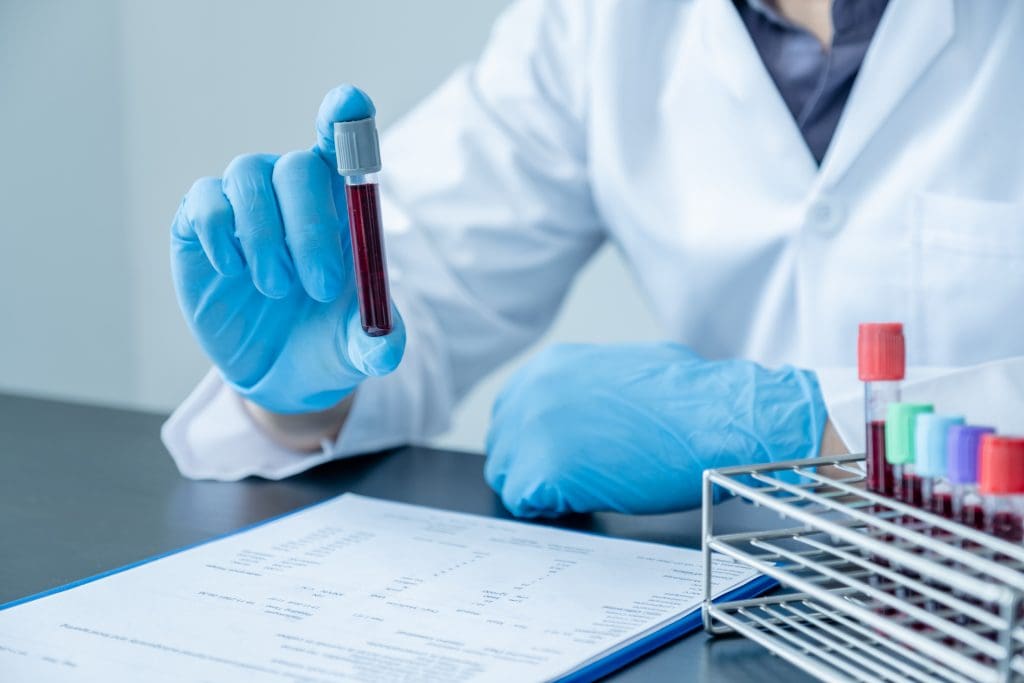
Blood tests are key to finding out if you have iron deficiency. They might include:
- Complete Blood Count (CBC) to check red blood cells, hemoglobin, and hematocrit.
- Ferritin level tests to see how much iron you have.
A CBC looks at different parts of your blood. It helps figure out how bad the iron deficiency is.
Recognizing Severe Symptoms
Some symptoms need quick medical help. These include:
- Severe fatigue that makes it hard to do everyday things.
- Dizziness or feeling like you’re going to pass out.
- Chest pain or discomfort.
| Symptom | Description |
| Severe Fatigue | Extreme tiredness that interferes with daily activities. |
| Dizziness | Feeling lightheaded or disoriented. |
| Chest Pain | Pain or discomfort in the chest area. |
Treatment Options for Iron Deficiency
Iron deficiency is a common issue that can be managed well with the right treatment. The main aim is to fill up iron stores, ease symptoms, and stop long-term problems.
| Supplement Type | Dosage | Side Effects |
| Ferrous Sulfate | 325 mg, 3 times a day | Nausea, stomach cramps, constipation |
| Ferrous Gluconate | 300 mg, 3 times a day | Diarrhea, stomach upset, nausea |
| Iron Citrate | 100 mg, 3 times a day | Abdominal pain, diarrhea, vomiting |
Iron Supplements: Restoring Iron Levels
Iron supplements are a common and effective treatment for iron deficiency.
Medical Interventions for Severe Cases
Severe cases may need medical help, like blood transfusions or erythropoiesis-stimulating agents.
Monitoring Progress
Regular checks are key to make sure treatment is working well.
Conclusion: Managing and Preventing Iron Deficiency
Managing iron deficiency needs a full plan. This includes changing what we eat, how we live, and sometimes, getting medical help. We’ve looked at the signs and problems of low iron, like tiredness and weakness, and even heart issues.
To stop iron deficiency, we should eat foods rich in iron. These are red meat, poultry, fish, beans, lentils, and cereals with iron added. Vitamin C helps our body take in more iron, so eating foods like citrus fruits, bell peppers, and tomatoes with iron-rich foods is good. But, we should avoid drinking tea and coffee with meals because they can block iron absorption.
People at risk, like pregnant women or those with heavy periods, should get their iron levels checked often. Knowing the reasons and signs of iron deficiency helps us stay healthy and keep our iron levels right.
FAQ
How long does it take to recover from iron deficiency?
Recovery time varies based on the deficiency’s severity and treatment’s effectiveness. It can take several months to a year or more to replenish iron stores and alleviate symptoms.
What are the complications of untreated iron deficiency?
Untreated iron deficiency can cause poor pregnancy outcomes and impaired cognitive function. It increases the risk of infections. In severe cases, it can lead to heart problems and hair loss.
Can iron deficiency be prevented?
Yes, a balanced diet rich in iron can prevent deficiency. Include vitamin C-rich foods to help absorb iron. Avoid tea and coffee with meals. Iron supplements may be needed for those with heavy periods or certain conditions.
What are the treatment options for iron deficiency?
Treatment includes iron supplements and dietary changes. Eating iron-rich foods like red meat and beans helps. Fortified cereals are also good.
How is iron deficiency diagnosed?
Diagnosis involves a blood test to check iron levels. A complete blood count (CBC) and iron level test are used. A healthcare professional will also do a physical exam and ask about symptoms and medical history.
What are the signs of low iron in women?
Women with heavy periods are at higher risk. Other signs include restless leg syndrome and brittle nails.
Can iron supplements help alleviate symptoms of iron deficiency?
Yes, iron supplements can help. They increase iron levels, reducing fatigue and weakness. Always talk to a healthcare professional before starting supplements.
How does iron deficiency cause pain?
Iron deficiency leads to pain because tissues and organs don’t get enough oxygen. This can cause muscle and joint pain. It might also lead to chest pain and palpitations.
What are the common symptoms of iron deficiency?
Iron deficiency symptoms include fatigue and weakness. You might also notice pale skin, shortness of breath, and dizziness. Headaches and brittle nails are common too.