Last Updated on November 27, 2025 by Bilal Hasdemir
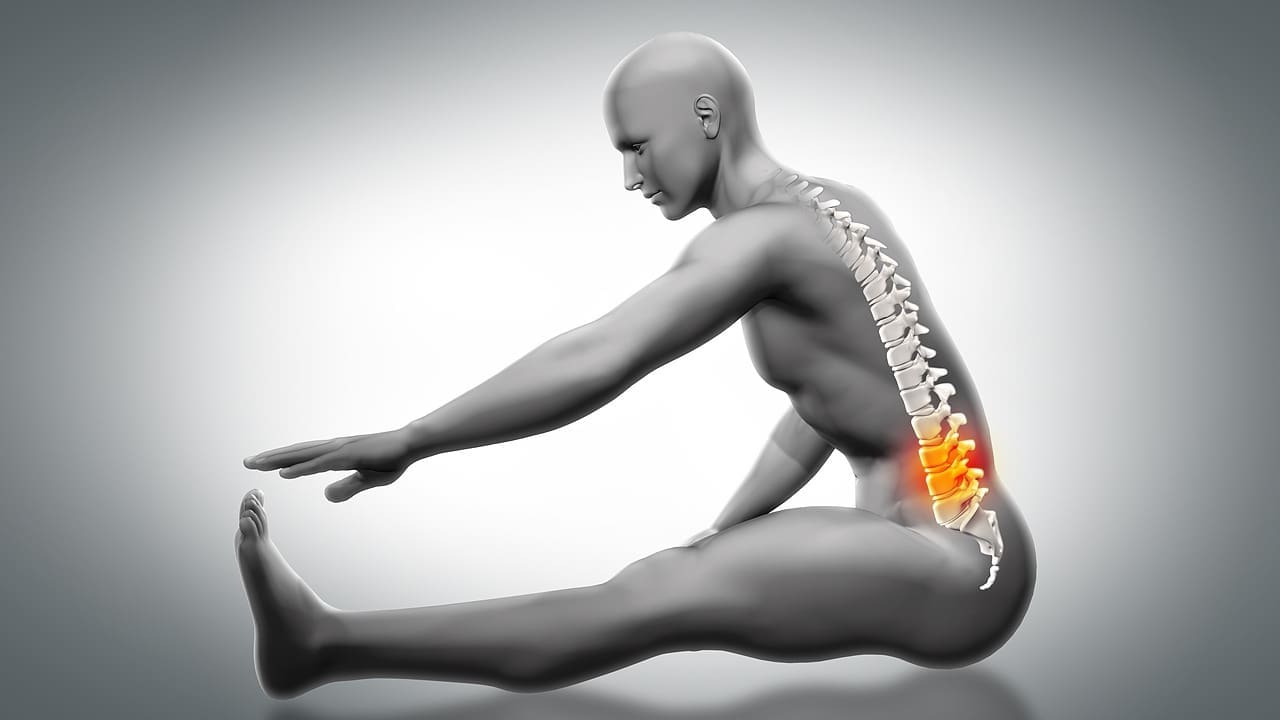
At Liv Hospital, we know spinal issues can be tricky and worrying. A central disk protrusion happens when the soft part of the disk bulges out. This can press on the spinal cord, causing problems.
We aim to give top-notch healthcare, supporting patients from around the world. Knowing about disc protrusions is key to managing them well. Our team is here to guide you through your spinal health journey.
Key Takeaways
- Central disk protrusion occurs when the nucleus pulposus pushes backward through the annulus fibrosus.
- This condition can potentially compress the spinal cord and lead to various symptoms.
- Understanding the causes, symptoms, and treatment options is key for effective management.
- Liv Hospital offers full care and support for international patients with spinal issues.
- Our advanced care plans tackle symptoms, causes, and treatment options for better spine health.
Understanding Spinal Disk Problems
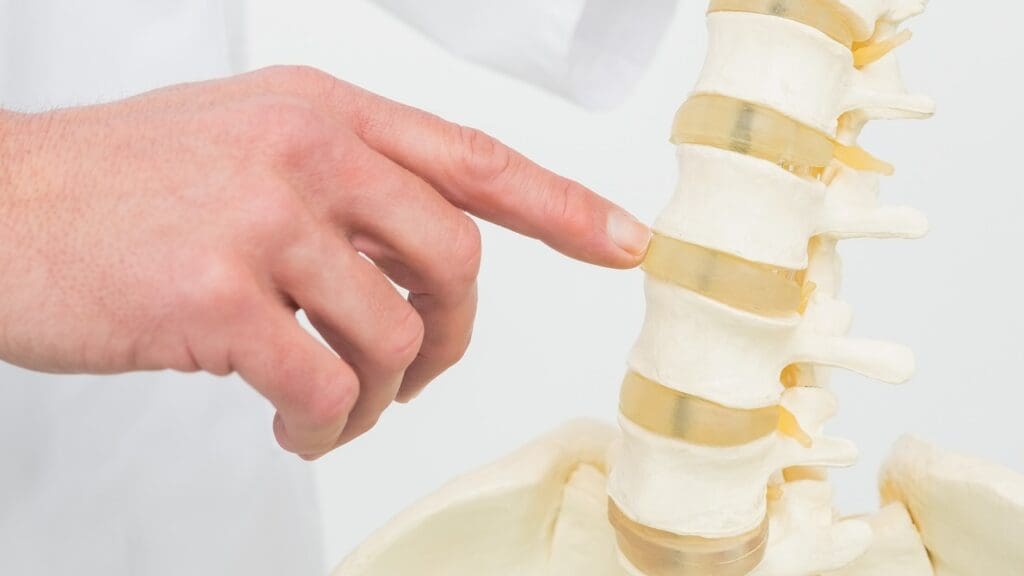
To tackle spinal disk problems, we must first understand the spine’s anatomy and function. The spine, or vertebral column, is made up of vertebrae, disks, and ligaments. These parts work together to support, flex, and protect the body.
Basic Spine Anatomy and Function
The spine has 33 vertebrae stacked on top of each other. Intervertebral disks act as shock absorbers between them. These disks are key in allowing spinal movement and absorbing daily shocks.
The spine’s structure is like a flexible, yet robust, column. It supports the body’s weight and allows for various motions.
Knowing the spine’s anatomy helps us understand disk problems. The disks have a tough outer layer and a soft, gel-like center. Healthy disks keep the spine flexible and absorb shocks well.
Common Spinal Disk Issues
Spinal disk problems include disk protrusions, bulges, and herniations. A disk protrusion happens when the disk material bulges out. This can compress nearby nerves, causing pain or discomfort.
Disk protrusions can come from age, physical trauma, or repetitive strain on the spine. Knowing these common issues is key to diagnosing and treating back pain.
What Is Central Disk Protrusion?
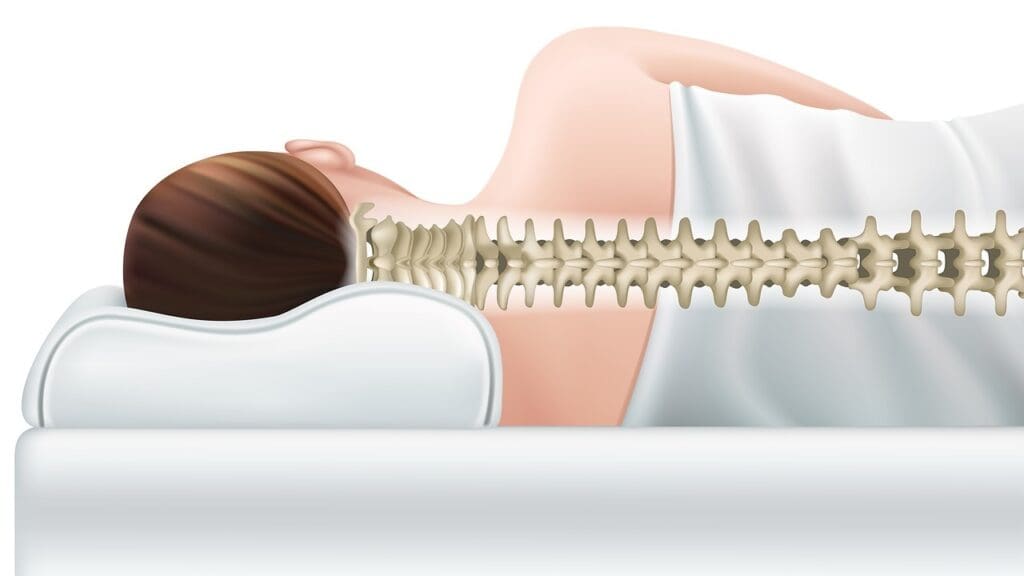
We will explore central disk protrusion and its effects on spinal health. This condition affects the intervertebral disks. These disks are key for the spine’s flexibility and absorbing shocks.
Definition and Mechanism
Central disk protrusion happens when the outer layer of the intervertebral disk bulges. This puts pressure on the nerves around it. It’s like a jelly-filled donut where the jelly (nucleus pulposus) bulges out if the donut (annulus fibrosus) is damaged.
Several factors can cause central disk protrusion. These include wear and tear, injury, or degenerative conditions. As we age, our disks lose height and elasticity, making them more prone to bulging.
Difference Between Protrusion, Bulge, and Extrusion
It’s important to know the differences between disk protrusion, bulge, and extrusion. These terms are often mixed up, but they describe different conditions.
| Condition | Description |
|---|---|
| Disk Protrusion | A condition where the nucleus pulposus bulges out through a tear in the annulus fibrosus, but remains contained within the disk. |
| Disk Bulge | A broader bulging of the disk without a focal protrusion, often due to degenerative changes. |
| Disk Extrusion | A more severe condition where the nucleus pulposus breaks through the annulus fibrosus and can migrate away from the disk. |
Central disk protrusion is a contained herniation. This means the disk material stays within the annulus fibrosus. Knowing this is key for choosing the right treatment.
In summary, central disk protrusion is a specific spinal issue that needs proper diagnosis and treatment. Understanding its definition, mechanism, and differences from other disk conditions helps us manage and treat it effectively.
Types of Disk Protrusions
We see many types of disk protrusions, each with its own features and health concerns. The location, size, and direction of the protrusion are key. They help decide the best treatment.
Central vs. Paracentral Protrusions
Central disk protrusions push into the spinal canal. This can harm the spinal cord or cauda equina, causing serious symptoms. Central disk protrusions are very worrying because of this risk.
Paracentral protrusions happen a bit off-center. They can irritate nerves, leading to pain or numbness. The symptoms depend on which nerve is affected.
Posterior and Dorsal Disk Protrusions
Posterior disk protrusions face the back of the spine. They can press on nerves or the spinal cord. This often leads to pain and nerve problems. Posterior protrusions vary by location and impact.
Dorsal disk protrusions happen in the thoracic spine. Though less common, they can cause pain and nerve issues. Their location makes them significant.
Small and Mild Disk Protrusions
Small or mild disk protrusions might not cause big problems. But, they can be a concern if they bother nearby nerves or if the spine is already affected.
“Mild” means the protrusion isn’t pressing hard on nerves or is small. Yet, it’s important to keep an eye on them. This helps see if they’re getting worse or affecting the patient’s health.
Regions of the Spine Affected by Protrusions
Disk protrusions can happen in different parts of the spine. Each area has its own problems and symptoms. Knowing how each part is affected helps doctors diagnose and treat better.
Lumbar Disk Protrusions
Lumbar disk protrusions are common and can hurt a lot. They often affect the lower back. This can cause sciatica, which is pain that goes down the leg.
People with lumbar disk protrusions might feel pain in their lower back. They might also have numbness or tingling in their legs. The pain can be different for everyone.
Cervical Disk Protrusions
Cervical disk protrusions happen in the neck. They can cause neck pain and symptoms in the arms. This includes numbness, tingling, or weakness.
These protrusions are less common than lumbar ones but can be just as bad. They need careful treatment to avoid nerve damage.
Thoracic Disk Protrusions
Thoracic disk protrusions are rare. They happen in the mid-back. Symptoms can include mid-back pain, numbness or tingling in the chest or abdomen, and in severe cases, spinal cord compression.
Because they are rare, diagnosing thoracic disk protrusions can be hard. Doctors often use advanced imaging to find them and decide how to treat them.
| Spinal Region | Common Symptoms | Relative Frequency |
|---|---|---|
| Lumbar | Lower back pain, sciatica, leg numbness | High |
| Cervical | Neck pain, arm numbness, weakness | Moderate |
| Thoracic | Mid-back pain, chest or abdominal numbness | Low |
Common Causes and Risk Factors
Disk protrusions can come from many sources, like wear and tear or sudden injuries. Knowing what causes them helps in preventing and treating them.
Age-Related Degeneration
As we get older, our spinal disks change. They lose water and become less strong. This makes them more likely to bulge or get damaged. Age-related changes are a big risk because they hurt the disk’s shock-absorbing ability.
Physical Trauma and Injury
Physical injuries can also cause disk protrusions. A big fall or a car crash can push a disk out. Even small injuries, like lifting wrong, can lead to problems over time. How quickly trauma affects the spine depends on the injury.
Lifestyle and Occupational Factors
Our daily activities and jobs can also lead to disk problems. Jobs that involve heavy lifting or bending increase the risk. Sitting too much or bad posture can also cause issues. Staying active and keeping good posture can help lower these risks.
Many factors can lead to disk protrusions. By knowing what causes them, we can take steps to avoid them.
Symptoms of Central Disk Protrusion
Knowing the symptoms of central disk protrusion is key for quick and effective treatment. This condition can cause many symptoms, affecting life quality and overall health.
Pain Patterns and Physical Symptoms
The pain from central disk protrusion can be different. It might feel like a dull ache or a sharp pain. For example, a lower back protrusion can cause pain in the legs. A neck protrusion might lead to arm pain.
Pain patterns can tell us a lot about the protrusion’s location and how serious it is.
Other physical symptoms include muscle weakness, changes in reflexes, and feeling sensations differently. These happen because nerves are compressed or irritated by the disk.
Neurological Symptoms
Neurological symptoms are a big worry with central disk protrusion. These can be numbness, tingling, or a pins-and-needles feeling in the hands and feet. The severity of these symptoms depends on the nerves affected.
In severe cases, these symptoms can make everyday activities very hard.
When Protrusions Are Asymptomatic
Some people with central disk protrusion don’t show symptoms. It’s not fully understood why this happens. But size, location of the protrusion, and how sensitive someone is to pain might play a part.
Warning Signs Requiring Immediate Care
While many cases can be treated without surgery, some need urgent care. Look out for sudden severe pain, worsening neurological symptoms, or problems with bladder or bowel control. If you notice these signs, get medical help right away. Quick action can prevent serious damage and improve results.
Diagnosis and Medical Assessment
If symptoms point to a central disk protrusion, a detailed medical check is key. It helps confirm the diagnosis and rule out other pain causes.
Physical Examination Techniques
A healthcare provider starts with a physical check. They look at the patient’s range of motion and check for pain or stiffness. They also test reflexes.
During this check, the provider might do special moves to make the patient’s symptoms worse. This helps find the problem area and how bad it is.
Imaging Studies: MRI and Other Options
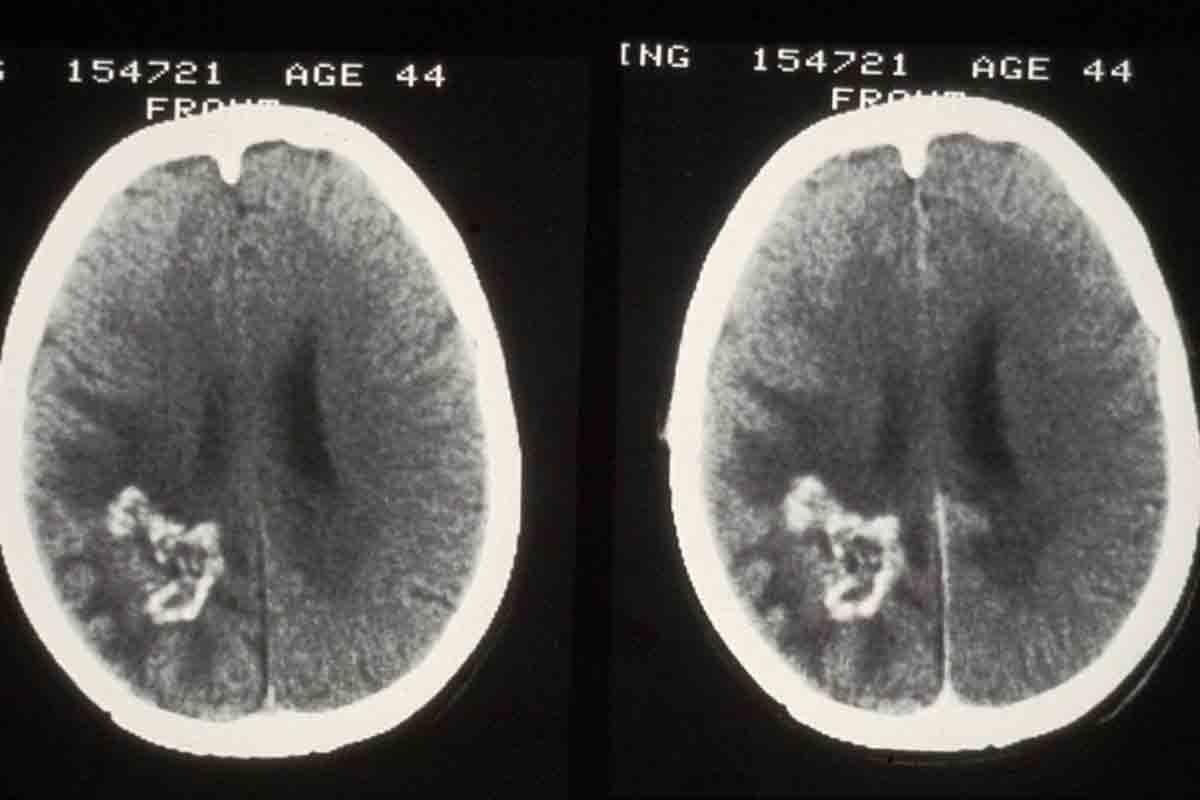
Imaging tests are vital for finding central disk protrusion. Magnetic Resonance Imaging (MRI) is top choice. It shows the spine, disks, nerves, and tissues clearly.
Computed Tomography (CT) scans and X-rays are also used. But MRI is better for soft tissue details.
Interpreting Diagnostic Results
Reading imaging results needs skill. A radiologist or healthcare provider looks for disk issues. They check for bulging or herniated disks and nerve effects.
| Diagnostic Criteria | Description | Clinical Significance |
|---|---|---|
| Disk Protrusion | A focal or broad-based disk displacement beyond the normal margin | May cause nerve compression or irritation |
| Disk Herniation | A more severe displacement of disk material through a tear in the annulus | Often associated with significant pain and neurological symptoms |
| Nerve Root Compression | Compression or irritation of a nerve root by the protruding disk | Can cause radiculopathy, pain, or weakness in the affected limb |
Knowing the results is key for treatment. By combining physical and imaging findings, doctors can accurately diagnose. They then suggest the best treatment.
Treatment Options and Management
Central disk protrusion treatment combines conservative methods and interventional procedures. We tailor our approach to each patient’s needs. This depends on the severity of symptoms and the protrusion’s extent.
Conservative Treatment Approaches
For many, conservative treatment is the first step against central disk protrusion. This includes rest, changing activities, and exercises to strengthen back muscles. We also suggest lifestyle changes like maintaining a healthy weight and improving posture to reduce spine strain.
Medications for Pain and Inflammation
We may prescribe NSAIDs, muscle relaxants, or oral steroids to manage pain and inflammation. These medications help alleviate symptoms. This allows patients to participate in physical therapy and other treatments more effectively.
Physical Therapy and Rehabilitation
Physical therapy is key in treating central disk protrusion. A tailored exercise program improves spinal mobility and strengthens muscles. We work with physical therapists to create programs that meet each patient’s needs. This promotes recovery and reduces future episode risks.
Interventional Procedures
For those not responding to conservative treatments or with severe symptoms, interventional procedures are considered. These include epidural steroid injections to reduce inflammation and relieve pain. In some cases, surgery is needed to address the protrusion directly. We discuss the risks and benefits with our patients to choose the best option.
| Treatment Approach | Description | Benefits |
|---|---|---|
| Conservative Management | Rest, exercise, lifestyle changes | Non-invasive, promotes natural healing |
| Medications | NSAIDs, muscle relaxants, oral steroids | Reduces pain and inflammation |
| Physical Therapy | Customized exercise programs | Improves mobility and strength |
| Interventional Procedures | Epidural injections, surgery | Effective for severe or persistent symptoms |
By exploring all treatment options, we create a personalized plan for each patient with central disk protrusion.
Conclusion
Understanding central disk protrusion is key to managing it well. We’ve looked into what it is, why it happens, its symptoms, and how to treat it. This condition happens when the soft part of the spinal disk pushes out through a tear in the outer layer. This can press on nearby nerves.
Getting a proper diagnosis is the first step to finding the right treatment. We talked about how MRI scans and physical checks help doctors figure out what’s going on. Treatment can range from simple steps like physical therapy and managing pain to more serious procedures for serious cases.
Knowing about protrusion disc and its impact on the spine is important. It helps people get medical help quickly. We stress the need to talk to a doctor for a treatment plan that fits you best.
Getting the right medical care can make symptoms go away and stop things from getting worse. It can also make life better. We aim to offer top-notch healthcare to international patients. We help them through every part of their treatment.
FAQ
What is a central disk protrusion?
A central disk protrusion happens when the soft center of the disk bulges out. This can press on the spinal cord.
What are the symptoms of a central disk protrusion?
You might feel pain, muscle weakness, or numbness. Some people don’t show any symptoms at all.
How is a disk protrusion diagnosed?
Doctors use physical checks and MRI scans to see the spine. This helps them find the problem.
What are the treatment options for a disk protrusion?
First, doctors might suggest rest and changing your exercise routine. They might also give you pain medicine. Physical therapy and injections are other options.
What is the difference between a disk protrusion and a disk bulge?
A disk protrusion is when the soft center bulges out more. A disk bulge is when the whole disk gets bigger but doesn’t bulge out as much.
Can a small central disk protrusion cause significant symptoms?
Yes, even a small bulge can cause big problems if it presses on nerves or the spinal cord.
Are disk protrusions common in the lumbar region?
Yes, the lower back is a common spot for disk problems because it bears a lot of weight.
How does age affect the risk of developing a disk protrusion?
As you get older, your disks can dry out and lose strength. This makes it easier for them to bulge.
Can lifestyle and occupational factors contribute to the development of disk protrusions?
Yes, jobs or activities that involve heavy lifting or sitting for long times can lead to disk problems.
What are the warning signs that require immediate medical attention for a disk protrusion?
Look out for sudden, severe pain, loss of bladder control, or any worsening of your symptoms.
Is a posterior disk protrusion the same as a central disk protrusion?
No, a posterior disk protrusion is when the disk bulges towards the back. It can include central protrusions but is not the same thing.
Can physical therapy help manage symptoms of a disk protrusion?
Yes, physical therapy can help you move better, get stronger, and feel less pain from disk problems.