Last Updated on October 21, 2025 by mcelik
A healthy lifestyle for kids is key for their growth and happiness. It includes habits that help their body, mind, and heart stay strong.
Starting healthy habits early is important. It helps kids stay healthy for life. This means eating right, moving often, sleeping enough, and taking care of their mind.
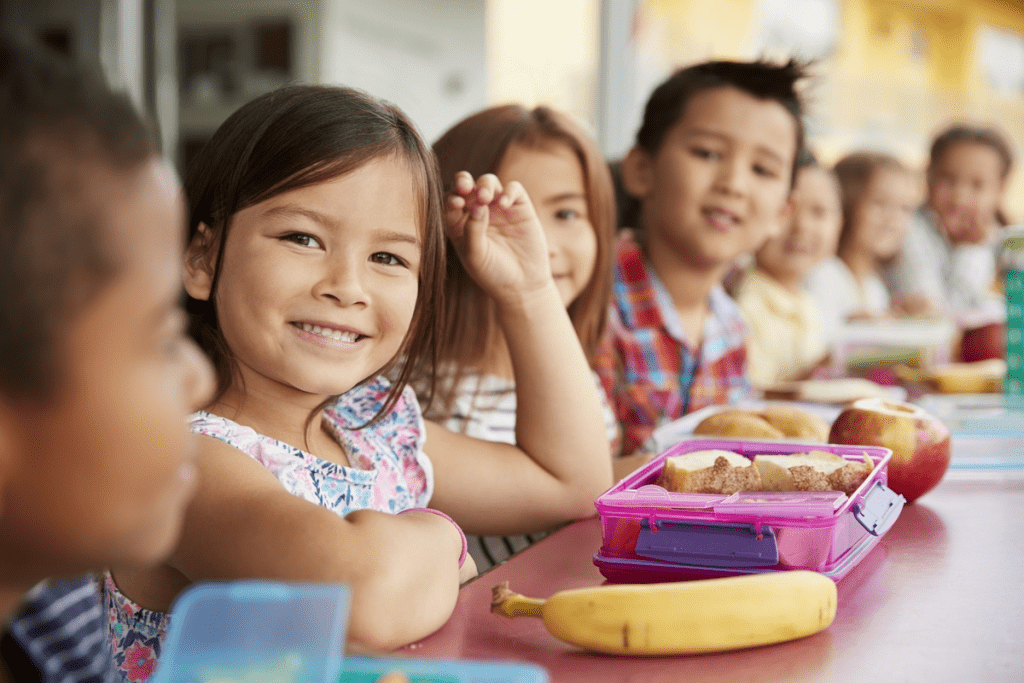
By making simple changes every day, kids can build a strong healthy lifestyle. As adults, we help guide them towards these good habits.
Key Takeaways
- Balanced nutrition is essential for a child’s growth and development.
- Regular physical activity supports overall health and well-being.
- Adequate sleep is vital for physical and mental health.
- Mental well-being support is key for emotional health.
- Simple daily changes can lead to lifelong healthy habits.
The Current State of Children’s Health in America
Children’s health in America is facing big challenges, as shown by recent CDC statistics. These numbers show a worrying trend in kids’ wellbeing. This is due to things like what they eat and how active they are.
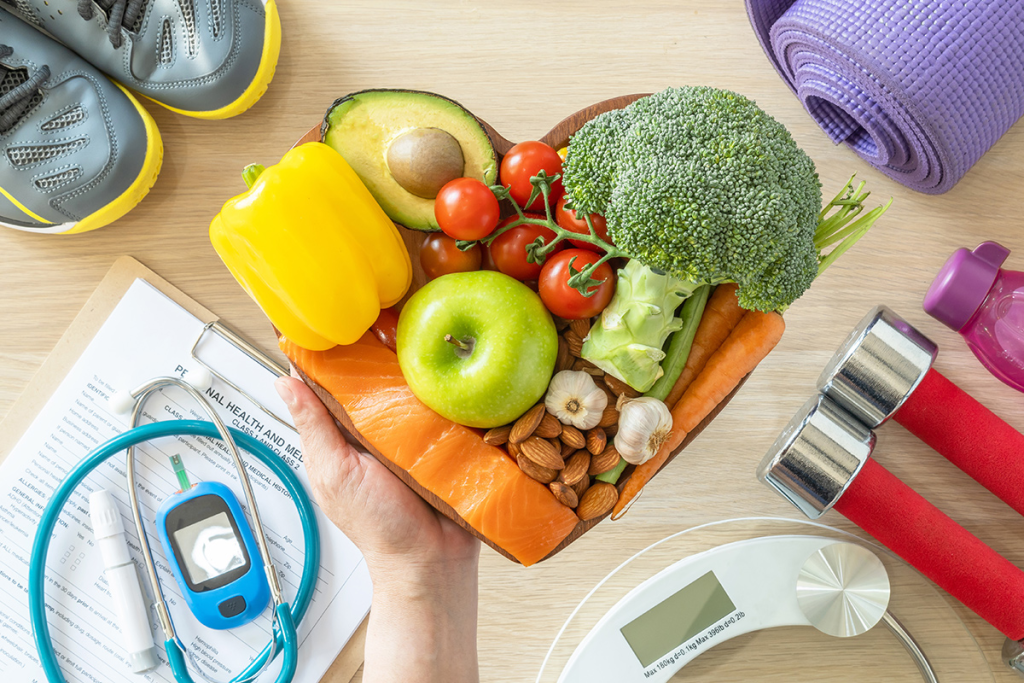
The CDC says only 49% of kids aged 1“5 eat veggies every day. Also, 31% live in homes that can’t afford healthy food. These facts show how hard it is for many families to stay healthy.
Key Statistics from CDC Reports
The CDC reports give us a detailed look at kids’ health. They highlight some important points:
- Many kids don’t get enough veggies, leading to nutritional issues.
- Food insecurity is a big problem, making it hard for families to eat well.
- Kids aren’t getting enough exercise, which is bad for their health.
These numbers help us understand the big challenges kids face in America. By looking at these figures, we can start to find ways to help.
Rising Challenges in Child Wellness
The problems in child wellness are complex, from bad diets to not enough exercise. We need a big effort from families, communities, and doctors to fix these issues.
Some of the biggest challenges include:
- More kids are getting obese and facing health problems because of bad eating and not moving enough.
- Food insecurity is hurting kids’ nutrition, as many can’t get to healthy meals.
- There’s growing worry about mental health, with social media and school stress being big factors.
By knowing these challenges, we can work towards a healthier place for kids to grow. For tips on healthy living, superhealthy.com is a great resource.
5 Essential Components of a Healthy Lifestyle for Children
Helping kids live healthy lives means they need balanced food, exercise, and sleep. As their caregivers, we help shape their habits. This ensures they grow up to be healthy adults.
Nutrition Fundamentals
For kids to grow right, they need a balanced diet. We should give them a mix of fruits, veggies, whole grains, lean proteins, and healthy fats. The Mayo Clinic says a good diet keeps them from getting too heavy and helps avoid health problems.
- Encourage them to eat fruits and veggies
- Make sure they have whole grains in their meals
- Limit sugary drinks and foods with too much salt
Physical Activity Requirements
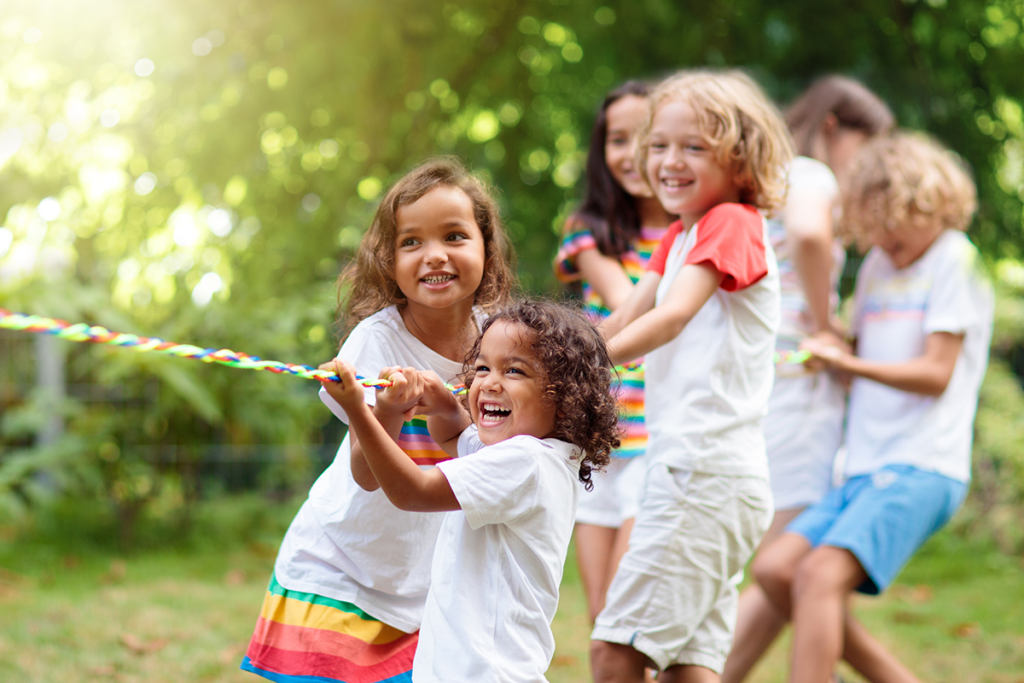
Kids need regular exercise for their health. It helps them stay at a healthy weight, keeps their heart strong, and boosts their mood. They should aim for 60 minutes of active play every day.
Benefits of Regular Physical Activity:
- Improves heart health
- Boosts mental health
- Helps manage weight
Adequate Sleep Patterns
Good sleep is key for kids’ growth and mind. Making sure they sleep enough helps them feel better, focus better, and stay healthy.
“Sleep is essential for children’s health, and establishing a bedtime routine can help ensure they get enough rest.”
– American Academy of Pediatrics
Mental Wellbeing Support
It’s just as important to support kids’ mental health as their physical health. We should talk openly about their feelings, teach them how to handle stress, and create a caring space for them.
- Practice mindfulness together
- Encourage them to share their feelings
- Give them a safe and loving place to be
By focusing on these 5 key areas, we can help kids develop healthy habits. These habits will help them stay healthy for the rest of their lives.
Nutrition Strategies for Growing Bodies
As kids grow, their diet needs change. It’s important to give them a balanced mix of nutrients. This supports their growth, energy, and learning.
Kids need a variety of foods like fruits, veggies, whole grains, lean proteins, and healthy fats. It’s key to limit foods high in saturated fat, added sugar, and salt. This helps them develop healthy eating habits.
Age-Appropriate Eating Guidelines
Each age group has different nutritional needs. Infants and toddlers get most of their nutrition from breast milk or formula. As they grow, they need a more varied diet.
For preschoolers, it’s important to offer a variety of foods. This encourages them to try new things. School-age kids need a balanced diet to support their energy and growth.
- Infants (0-12 months): Breast milk or formula, gradually introducing solid foods.
- Toddlers (1-3 years): Nutrient-dense foods, including fruits, vegetables, and whole grains.
- Preschoolers (4-5 years): A variety of foods, including lean proteins and healthy fats.
- School-age children (6 and above): Balanced meals and snacks, limiting unhealthy options.
Addressing Food Accessibility Challenges
Many families struggle to find healthy food due to cost or location. We can help by finding local food assistance programs and community gardens.
Teaching kids how to cook and involve them in meal planning can also help. It makes them feel more connected to healthy eating.
Teaching Healthy Eating Habits
Showing kids how to eat healthy is very effective. We should make mealtime positive and engaging. Encourage them to try new foods.
Teaching kids about different food groups and cooking together can also help. By making healthy food appealing, we can instill a love for nutritious eating in them.
Physical Activity and Movement for Lifelong Health
Regular physical activity is key for kids’ health and growth. It sets the stage for a healthy life. We need to know how it helps kids and how to get them moving.
Daily Exercise Recommendations by Age
Children and teens should get 60 minutes of physical activity every day. This can be running, swimming, dancing, or playing sports. It’s important to pick activities that fit their age and are fun for them.
- For preschoolers (3-5 years), play-based activities are ideal.
- For children aged 6-12, a mix of structured sports and unstructured play is recommended.
- Teenagers should engage in a variety of physical activities that they enjoy, including aerobic exercises, muscle-strengthening activities, and bone-strengthening activities.
Innovative Approaches to Keep Kids Active
It can be tough to keep kids active, with screens being so tempting. But there are creative ways to do it:
- Encourage outdoor activities such as hiking, cycling, or simply playing in a park.
- Incorporate physical activity into daily routines, such as walking to school or doing household chores.
- Engage in physical activities with your children, making it a fun, family experience.
By using these methods, we can help kids see the fun in being active.
Limiting Sedentary Behavior
It’s just as vital to cut down on sitting and lying around. Sedentary behavior means sitting or lying down with little energy use. Here’s how to fight it:
“Children should limit their screen time to 1-2 hours per day, and engage in more active pursuits during their free time.”
Parents and caregivers are key. They can set a good example and make a space for active play.
Supporting Mental and Emotional Wellness in Children
Modern childhood is complex, and mental and emotional wellness is key. A child’s mental health is as important as their physical health. It affects their ability to succeed in life.
Age-Appropriate Mindfulness Practices
Mindfulness helps children manage stress and be present. Young kids can do simple things like deep breathing or guided imagery. Older kids can try meditation or yoga to learn self-control.
Here are some mindfulness activities for kids:
- Guided meditation sessions for kids
- Yoga that combines movement with mindfulness
- Deep breathing exercises to calm the mind and body
Building Emotional Intelligence
Emotional intelligence is vital for kids to understand and manage their feelings. It helps them empathize and build strong relationships. We can help by letting them express their feelings and teaching them to recognize others’ emotions.
Here are ways to build emotional intelligence:
- Labeling and validating kids’ emotions
- Encouraging empathy by discussing others’ feelings
- Teaching kids to solve problems and manage emotions
Creating Supportive Home Environments
A supportive home environment is essential for kids’ mental and emotional health. We can create this by encouraging open communication, setting clear boundaries, and showing love and support.
“The way we talk to our children becomes the way they talk to themselves.”
” Peggy O’Mara
By creating a positive home environment, we help kids develop resilience and self-worth. These are key for their overall health.
Recognizing Signs of Mental Health Concerns
Parents and caregivers should watch for signs of mental health issues in kids. These include mood, behavior, or appetite changes. Early detection leads to better outcomes.
Look out for these signs:
- Persistent sadness or irritability
- Withdrawal from social activities or friends
- Changes in sleep patterns or appetite
Being aware of these signs and seeking help when needed is important. It helps kids maintain good mental health and develop healthy habits.
For more on healthy living, visit superhealthy.com.
Conclusion: Implementing Sustainable Healthy Lifestyle Habits
Parents and caregivers can make a big difference by changing small things in their daily routine. We’ve looked at key parts of a healthy lifestyle for kids, like eating right, staying active, getting enough sleep, and taking care of their mental health.
Start with easy steps, like adding more fruits and veggies to your child’s meals. Or get them moving for at least 60 minutes a day. These healthy lifestyle habits and best tips for kids’ healthy habits will help your child live a healthy life style for years to come.
Good healthy living style tips include making your home a supportive place. Try to limit screen time and teach your kids about healthy eating. Together, we can help kids build strong habits. This way, they can make smart choices and stay healthy as they grow.
FAQ
What are the most important healthy habits for kids to develop?
Healthy habits for kids include balanced nutrition, regular exercise, enough sleep, and mental well-being. These habits help them stay healthy for life.
How can I encourage my child to eat a balanced diet?
Encourage healthy eating by following age-appropriate guidelines. Address any food challenges they face. Involve them in meal planning and cooking.
What are the daily exercise recommendations for children?
Kids need at least 60 minutes of physical activity each day. This should include aerobic, muscle-strengthening, and bone-strengthening activities.
How can I help my child develop emotional intelligence?
Teach your child to understand and manage their emotions. Encourage empathy and social skills through role-playing and group discussions.
What are some simple changes I can make to promote a healthy lifestyle for my child?
Start with small changes. Replace screen time with physical activity. Encourage healthy snacks and a consistent sleep schedule.
How can I support my child’s mental well-being?
Create a supportive home environment. Practice mindfulness with your child. Recognize signs of mental health issues like anxiety or depression.
What are some innovative approaches to keeping kids active?
Try outdoor activities, sports, dance classes, or games that get them moving. This keeps them engaged and active.
How can I limit sedentary behavior in my child?
Set limits on screen time. Encourage physical activity. Spend time together doing active things like walking or biking.
References
- Centers for Disease Control and Prevention. (2023). Child and adolescent health facts. Retrieved from https://www.cdc.gov/nchs/fastats/child-health.htm