Last Updated on November 27, 2025 by Bilal Hasdemir
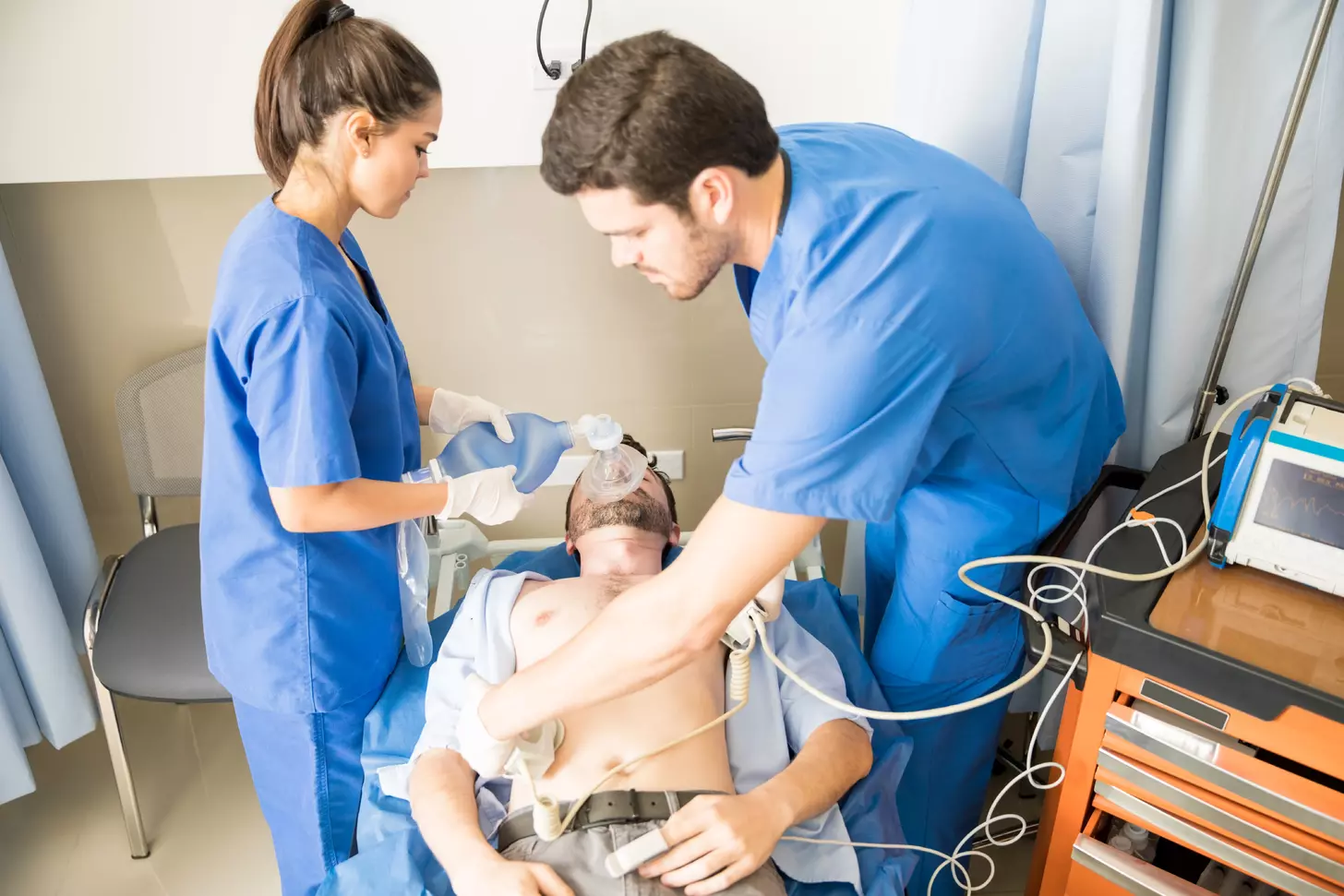
Acute cardiopulmonary disease is a sudden and severe condition. It affects the heart and lungs. This can lead to serious cardiopulmonary abnormality and a high risk of disability or death.
The heart and lungs work together closely. A problem in one can affect the other. For example, lung issues can strain the heart, and heart problems can affect the lungs. Knowing what is cardiopulmonary disease is key for doctors to treat it quickly and well.
At Liv Hospital, we take these complex conditions seriously. Our patient-focused care is top-notch. We aim to protect the heart and lungs in critical cases.
Key Takeaways
- Acute cardiopulmonary disease involves sudden and severe conditions affecting the heart and lungs.
- The heart and lungs are interconnected, and a problem in one can affect the other.
- Understanding cardiopulmonary disease is key for timely and effective treatment.
- Liv Hospital provides patient-centered and internationally recognized care for managing cardiopulmonary conditions.
- Our approach is designed to protect both the heart and lungs in critical situations.
What Is Acute Cardiopulmonary Disease?

Acute cardiopulmonary disease is a serious issue that affects both the heart and lungs. It impacts millions of people worldwide. We will look into what this condition is and why it matters, focusing on the heart and lung connection.
Definition and Medical Significance
Acute cardiopulmonary disease is any condition that harms both the heart and lungs. It includes serious problems like heart attacks and blood clots in the lungs. These issues need quick medical care.
Cardiopulmonary disease covers many conditions, both sudden and long-term. The heart and lungs work together closely. When one is not working right, it can affect the other.
The Critical Heart-Lung Relationship
The heart and lungs are key parts of the cardiopulmonary system. They work together to keep blood oxygenated and flowing. The heart sends blood to the lungs for oxygen, and the lungs send oxygen-rich blood back to the heart.
This teamwork is vital. Problems in one organ can harm the other. For example, heart failure can cause lung problems, and lung diseases can put extra strain on the heart.
| Organ | Function | Impact of Dysfunction |
|---|---|---|
| Heart | Pumps blood to lungs and body | Heart failure can cause pulmonary congestion |
| Lungs | Oxygenates blood | Lung diseases can strain the heart |
It’s important to understand how the heart and lungs work together. This knowledge helps doctors diagnose and treat heart and lung diseases. They must look at both organs when checking a patient’s health.
The Pathophysiology of Cardiopulmonary Abnormality
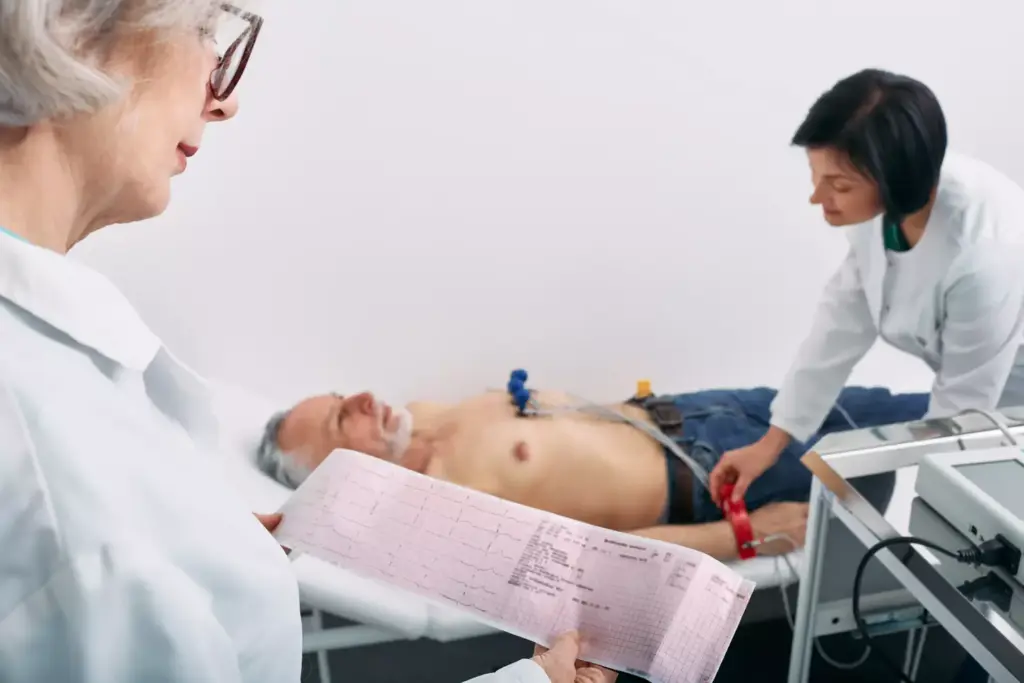
The heart and lungs work together to keep our blood oxygenated and our organs supplied. When they don’t work well together, serious problems can occur. This can lead to cardiopulmonary abnormality.
Normal Cardiopulmonary Function
The heart pumps blood to the lungs, where it picks up oxygen. Then, it sends this oxygen-rich blood to the rest of the body. The lungs help by exchanging gases, letting oxygen into the blood and removing carbon dioxide.
Efficient gas exchange is key to keeping blood oxygen levels right. The heart pumps blood through the lungs for oxygenation. At the same time, the lungs expand and contract to swap gases with the air we breathe.
Mechanisms of Acute Dysfunction
Acute cardiopulmonary dysfunction happens when the heart and lungs suddenly stop working right. This can be caused by heart problems like a heart attack or lung issues like sudden breathing failure.
If the heart can’t pump blood well, it’s harder for the lungs to move oxygen into the blood. This can cause shortness of breath. On the other hand, lung problems can make the heart work too hard, leading to heart strain or failure.
| Condition | Effect on Heart | Effect on Lungs |
|---|---|---|
| Acute Myocardial Infarction | Reduced pumping efficiency | Increased pressure, possible pulmonary edema |
| Acute Respiratory Failure | Increased workload, possible strain | Impaired gas exchange, hypoxemia |
Common problems include heart attacks, sudden cardiac arrest, and acute respiratory failure. These affect the heart and lungs. Knowing how they work helps us find better treatments.
Common Types of Acute Cardiopulmonary Conditions
It’s important to know about different acute cardiopulmonary conditions. They can be serious and need quick medical help. Knowing their symptoms and warning signs is key.
Acute Myocardial Infarction (Heart Attack)
A heart attack happens when blood flow to the heart is blocked. This damages the heart muscle. Symptoms include chest pain, shortness of breath, and pain in the arms, back, neck, jaw, or stomach.
It’s vital to recognize heart attack signs quickly. Waiting too long can cause serious heart damage or even death.
Sudden Cardiac Arrest
Sudden cardiac arrest is when the heart stops beating effectively. It can lead to loss of consciousness and death if not treated fast. Symptoms include sudden loss of responsiveness, no breathing, and no pulse.
Quick medical action is essential for survival and to reduce damage.
Acute Respiratory Failure
Acute respiratory failure means the lungs can’t get enough oxygen or remove carbon dioxide. It’s a serious condition that needs immediate medical help. Symptoms include severe shortness of breath, confusion, and a bluish skin color.
Knowing the causes and symptoms of acute respiratory failure helps in giving the right care. This can improve patient outcomes.
| Condition | Common Symptoms | Immediate Care |
|---|---|---|
| Acute Myocardial Infarction | Chest pain, shortness of breath | Call emergency services, administer aspirin if advised |
| Sudden Cardiac Arrest | Loss of consciousness, no pulse | CPR, use of defibrillator if available |
| Acute Respiratory Failure | Severe shortness of breath, confusion | Oxygen therapy, mechanical ventilation if necessary |
Knowing about acute cardiopulmonary conditions and their symptoms is critical. It helps in improving patient outcomes. By recognizing signs and acting fast, we can greatly help those affected by these serious health issues.
Recognizing Cardiopulmonary Symptoms and Warning Signs
Knowing the signs of cardiopulmonary diseases early can save lives. These diseases affect the heart and lungs. Spotting symptoms early can lead to quick medical help.
Cardiac Warning Signs
Heart-related symptoms include chest pain or discomfort, known as angina. This pain can spread to the arms, back, neck, jaw, or stomach. Other signs are:
- Shortness of breath or trouble breathing
- Palpitations or irregular heartbeats
- Sudden dizziness or feeling lightheaded
- Nausea or vomiting
These signs can mean a heart attack or acute myocardial infarction. If you have these symptoms, get medical help right away.
Respiratory Distress Indicators
Respiratory symptoms are also serious. They include:
- Wheezing or a whistling sound while breathing
- Coughing up blood or rust-colored mucus
- Severe shortness of breath or rapid breathing
- Bluish tint to the skin, lips, or fingernails (cyanosis)
These signs can mean acute respiratory failure or serious lung problems.
Combined Symptom Patterns
Cardiopulmonary symptoms often come together, making diagnosis harder. For example, a person might have chest pain and shortness of breath at the same time. Spotting these patterns is key for doctors to treat these diseases well.
Heart disease is the top cause of death worldwide. Heart-lung conditions add to the problem. Knowing the signs and getting help fast can greatly improve outcomes.
Early action is vital in managing cardiopulmonary diseases. By knowing the signs, people can get medical help quickly. This can save lives.
Epidemiology and Global Impact of Cardiovascular Pulmonary Disease
Understanding cardiovascular pulmonary disease is key to better public health. At Liv Hospital, we focus on top-notch care for patients from around the world. We also aim to grasp the global effects of this condition.
This disease affects both the heart and lungs, making it complex. It’s a big health problem worldwide. Heart disease alone causes over 800,000 deaths in the U.S. each year.
Statistical Overview and Trends
The numbers on cardiovascular pulmonary disease are alarming. Heart disease, stroke, and COPD are among the top killers globally. Here’s what the data shows:
- Heart disease leads to over 17.9 million deaths yearly.
- Stroke causes about 6.2 million deaths annually.
- COPD is the third biggest killer, with over 3.2 million deaths yearly.
These figures highlight the urgent need for more research and health efforts. We must work to lower the number of cases and deaths from this disease.
High-Risk Populations
Some groups face a higher risk of getting cardiovascular pulmonary disease. These include:
- People with a family history of heart disease or stroke.
- Smokers and those around secondhand smoke.
- Those with conditions like high blood pressure, diabetes, and high cholesterol.
- Older adults, as the risk grows with age.
Knowing who’s at risk helps us focus our efforts better. At Liv Hospital, we’re dedicated to helping these groups. We aim to reduce the risks of cardiovascular pulmonary disease.
Risk Factors for Developing Acute Cardiopulmonary Disease
Acute cardiopulmonary disease comes from genetics, lifestyle, and past health issues. Knowing these risks helps in prevention and care.
Genetic and Hereditary Factors
Genetics greatly influence the risk of acute cardiopulmonary disease. Those with heart or lung disease in their family are more at risk. It’s wise for them to talk to their doctor about their risk.
Lifestyle Contributors
Lifestyle choices also play a big part in the risk of acute cardiopulmonary disease. These include:
- Poor Diet: Eating too much saturated fat, sodium, and cholesterol raises the risk.
- Lack of Exercise: Not moving enough harms the heart and lungs.
- Smoking: Smoking is a big risk for heart and lung diseases.
- Being Overweight: Extra weight puts strain on the heart and lungs, raising disease risk.
Pre-existing Medical Conditions
Conditions like high blood pressure, high cholesterol, and diabetes increase the risk of acute cardiopulmonary disease. Managing these with medicine, lifestyle changes, and regular check-ups can lower the risk.
| Risk Factor | Description | Management Strategy |
|---|---|---|
| High Blood Pressure | Increased pressure on the heart and arteries | Medication, diet, exercise |
| High Cholesterol | Excess cholesterol in the blood | Diet, exercise, statins |
| Diabetes | High blood sugar levels | Medication, diet, monitoring |
By understanding and managing these risk factors, we can lower the chance of acute cardiopulmonary disease. This improves our overall health.
Diagnostic Approaches for Cardio Pulmo Disorders
Early diagnosis is key to managing cardiopulmonary disease. We use physical exams, medical history, and advanced tests to find and treat cardio pulmo disorders.
Initial Assessment and Triage
The first step is to check how serious the condition is. We do a detailed physical exam and look at the patient’s medical history. This helps us spot risk factors for heart and lung problems.
Key components of the initial assessment include:
- Physical examination to identify signs of cardiopulmonary distress
- Medical history to uncover pre-existing conditions or risk factors
- Initial laboratory tests to assess basic cardiovascular and pulmonary function
Imaging and Laboratory Tests
We use imaging and lab tests to diagnose cardio pulmo disorders. These tests tell us about the heart’s health and lung function.
Common imaging and laboratory tests include:
| Test | Purpose |
|---|---|
| Chest X-ray | Assesses heart size and pulmonary congestion |
| Electrocardiogram (ECG) | Evaluates heart rhythm and detects ischemia or infarction |
| Echocardiogram | Examines heart structure and function, including valve function |
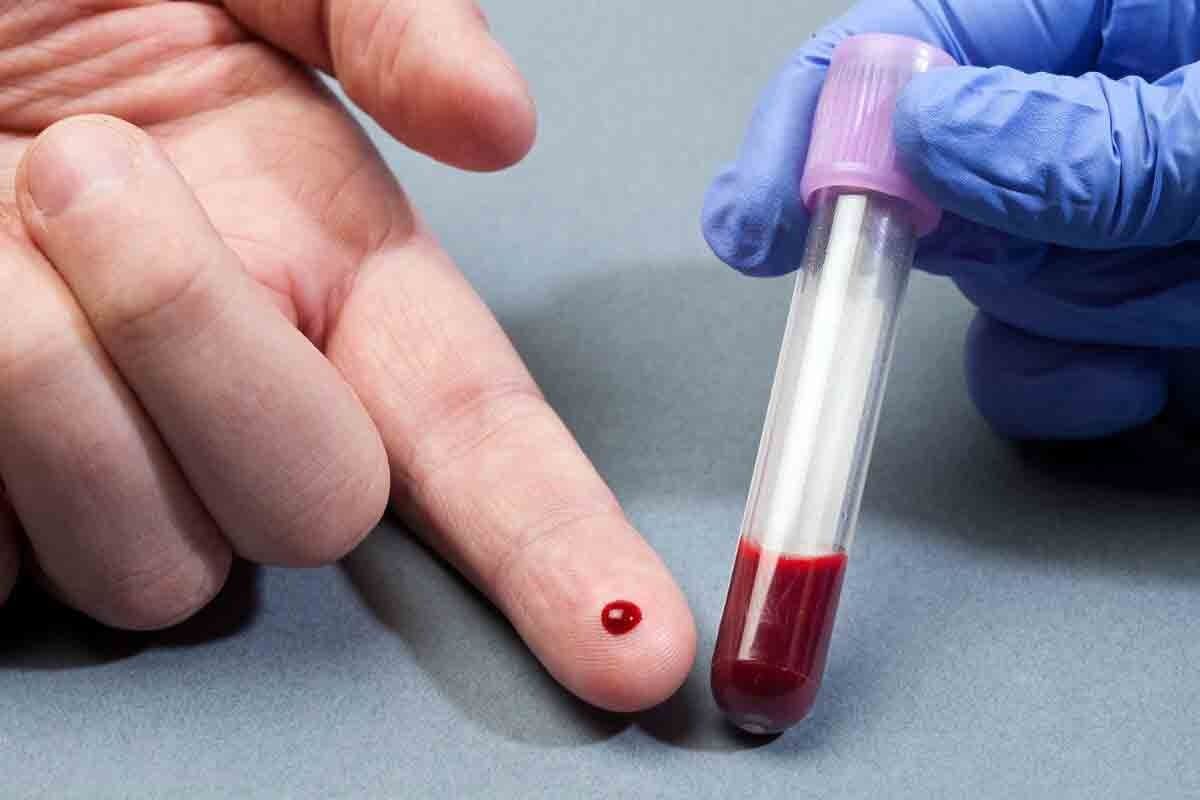
| Blood Tests | Measures biomarkers indicative of cardiac injury or stress |
Advanced Diagnostic Procedures
For tough cases, we use advanced tests to understand the condition better.
Advanced diagnostic procedures include:
- Cardiac catheterization to assess coronary artery disease
- Stress test to evaluate heart function under stress
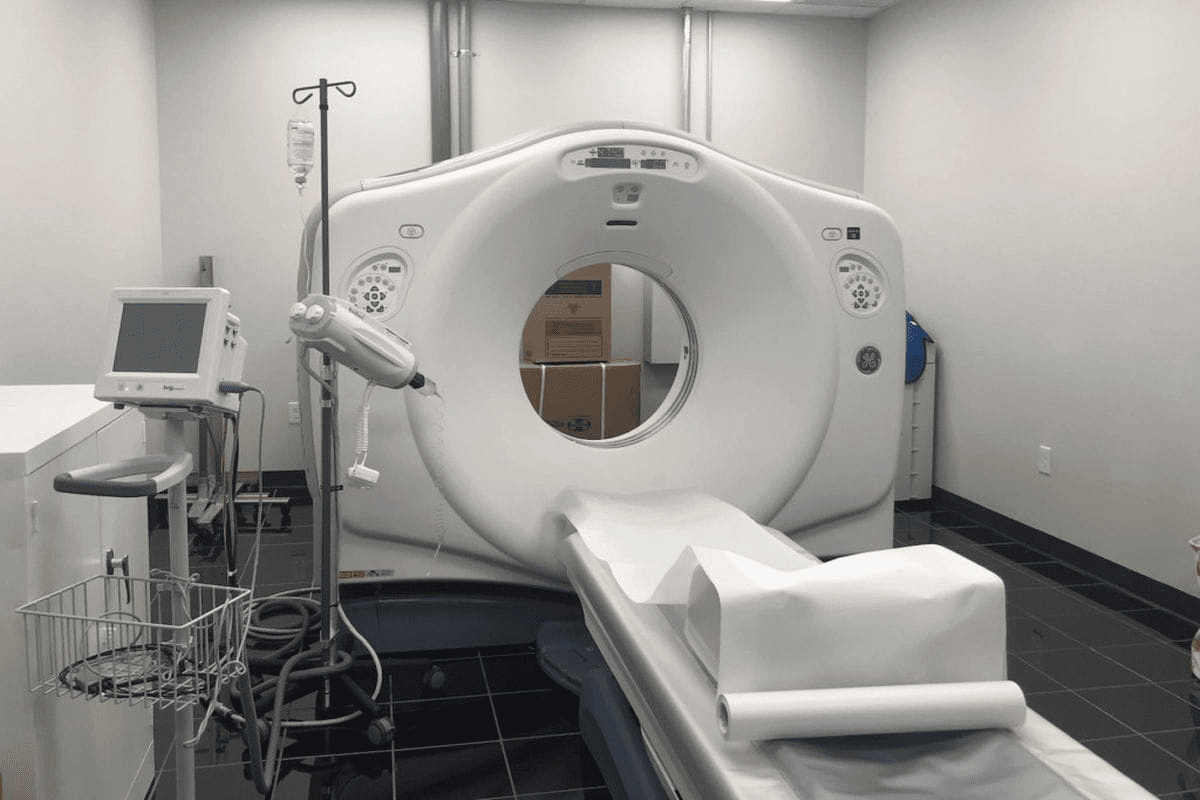
- Cardiac CT scan or MRI for detailed imaging of heart structure
- Holter monitoring for prolonged heart rhythm monitoring
By using these methods, we can accurately diagnose and manage cardio pulmo disorders. This helps improve patient outcomes.
Emergency Management of Acute Cardiopulmonary States
When dealing with acute cardiopulmonary disease, quick action is key to saving lives. Effective emergency management includes first response, hospital emergency care, and critical care. These steps are vital for a good outcome.
First Response Protocols
The first response to cardiopulmonary emergencies is critical. First responders need to quickly recognize symptoms and act. They should give basic life support like CPR and use AEDs when needed.
It’s important to teach the public about responding to cardiopulmonary emergencies. By training more people, we can improve survival rates.
| Protocol | Description | Importance |
|---|---|---|
| CPR Training | Teaches lifesaving CPR techniques | High |
| AED Use | Trains on the use of automated external defibrillators | High |
| Symptom Recognition | Educates on recognizing cardiopulmonary distress symptoms | High |
Hospital Emergency Interventions
When patients arrive at the hospital, they need quick assessment and treatment. Emergency department staff start by evaluating the condition’s severity. They then begin treatments like medication or oxygen therapy.
We use tools like echocardiography and cardiac biomarkers to guide treatment. Our goal is to keep the patient stable and prevent further problems.
Critical Care Management
Patients needing intensive care get support from our critical care teams. They manage mechanical ventilation, monitor blood pressure, and use special medications. The aim is to help the patient’s heart and lungs until they recover.
We also work to prevent complications like pneumonia and blood clots. A team effort in critical care helps improve patient outcomes and reduces long-term risks.
Modern Treatment Strategies and Technological Advances
New medical technologies and treatment methods are changing how we manage cardiopulmonary disease. These advancements are not just helping people live longer. They also make life better for those dealing with this condition.
Pharmaceutical Innovations
New medicines are a big part of treating cardiopulmonary disease. Some recent breakthroughs include:
- Novel anticoagulants that lower stroke risk in patients with atrial fibrillation.
- Advanced beta-blockers that target heart failure more effectively.
- Inhaled drugs that boost lung health and cut down on COPD attacks.
These new medicines are key in controlling symptoms, slowing disease growth, and boosting patient results.
Minimally Invasive Procedures
Less invasive procedures are changing how we treat cardiopulmonary disease. Methods like TAVR and PCI give patients safer options than traditional surgery.
| Procedure | Benefits | Indications |
|---|---|---|
| TAVR | Less invasive, quicker recovery | Aortic valve stenosis |
| PCI | Minimally invasive, fast recovery | Coronary artery disease |
Rehabilitation and Recovery Programs
Rehab programs are essential for patients with cardiopulmonary disease. They usually include:
- Exercise to boost heart health and stamina.
- Classes on managing the disease and making lifestyle changes.
- Nutrition advice for heart-friendly eating.
These programs help patients get healthier and live better lives.
As we keep improving treatments for cardiopulmonary disease, a mix of new medicines, less invasive surgeries, and rehab programs is key. This approach can greatly improve care and give hope to those with this condition.
Conclusion: Living With and Preventing Cardiopulmonary Disease
It’s key to know what cardiopulmonary disease is to tackle its global health impact. This disease affects the heart and lungs, making it vital to prevent and manage it.
Living a healthy lifestyle is key to avoiding cardio pulmonary issues. Quit smoking, eat well, exercise, and keep stress low. These actions can greatly lower your risk of getting cardiopulmonary disease.
At Liv Hospital, we focus on top-notch care for international patients. Our team is ready to help you on your path to recovery and better health.
Together, we can fight cardiopulmonary disease and improve lives. This effort will make a big difference in the health and well-being of many.
FAQ
What is acute cardiopulmonary disease?
Acute cardiopulmonary disease is a sudden and severe condition. It affects the heart and lungs. It often comes from a problem in one or both of these vital organs.
How are the heart and lungs interconnected?
The heart and lungs work together closely. The heart pumps blood to the lungs for oxygen. The lungs then provide oxygen to the blood, which is then spread throughout the body.
What are the common symptoms of cardiopulmonary disease?
Symptoms include chest pain, shortness of breath, dizziness, and fatigue. They can vary based on whether the condition affects the heart, lungs, or both.
What are the risk factors for developing acute cardiopulmonary disease?
Risk factors include genetic predispositions and lifestyle choices like smoking and lack of exercise. Pre-existing medical conditions like hypertension and diabetes also increase the risk.
How is cardiopulmonary disease diagnosed?
Diagnosis involves various tests and examinations. These include initial assessments, imaging, and laboratory tests. Advanced diagnostic procedures help determine the condition’s nature and extent.
What are the treatment options for cardiopulmonary disease?
Treatment options include pharmaceutical innovations and minimally invasive procedures. Rehabilitation and recovery programs are also available. They are tailored to the patient’s specific condition and needs.
How can cardiopulmonary disease be prevented?
Prevention involves managing risk factors through lifestyle changes. It also includes monitoring and controlling pre-existing conditions. Preventive medications or interventions may also be used.
What is the significance of understanding cardiopulmonary disease in clinical settings?
Understanding cardiopulmonary disease is key for healthcare providers. It helps them diagnose and manage conditions effectively. This improves patient outcomes and reduces the global burden of these diseases.
What is the impact of acute cardiopulmonary disease on global health?
Acute cardiopulmonary disease has a significant impact on global health. It contributes to morbidity, mortality, and healthcare costs. It affects diverse populations worldwide.
What are the emergency management strategies for acute cardiopulmonary states?
Emergency management includes first response protocols and hospital interventions. It also involves critical care management. The goal is timely and effective care to save lives and improve outcomes.
What is the role of rehabilitation in managing cardiopulmonary disease?
Rehabilitation is vital in helping patients recover from cardiopulmonary disease. It improves functional capacity and enhances quality of life. Structured programs are used to achieve these goals.
References
- Centers for Disease Control and Prevention (CDC). (n.d.). About heart attack. Retrieved October 21, 2025, from https://www.cdc.gov/heart-disease/about/heart-attack.html