Last Updated on November 26, 2025 by Bilal Hasdemir
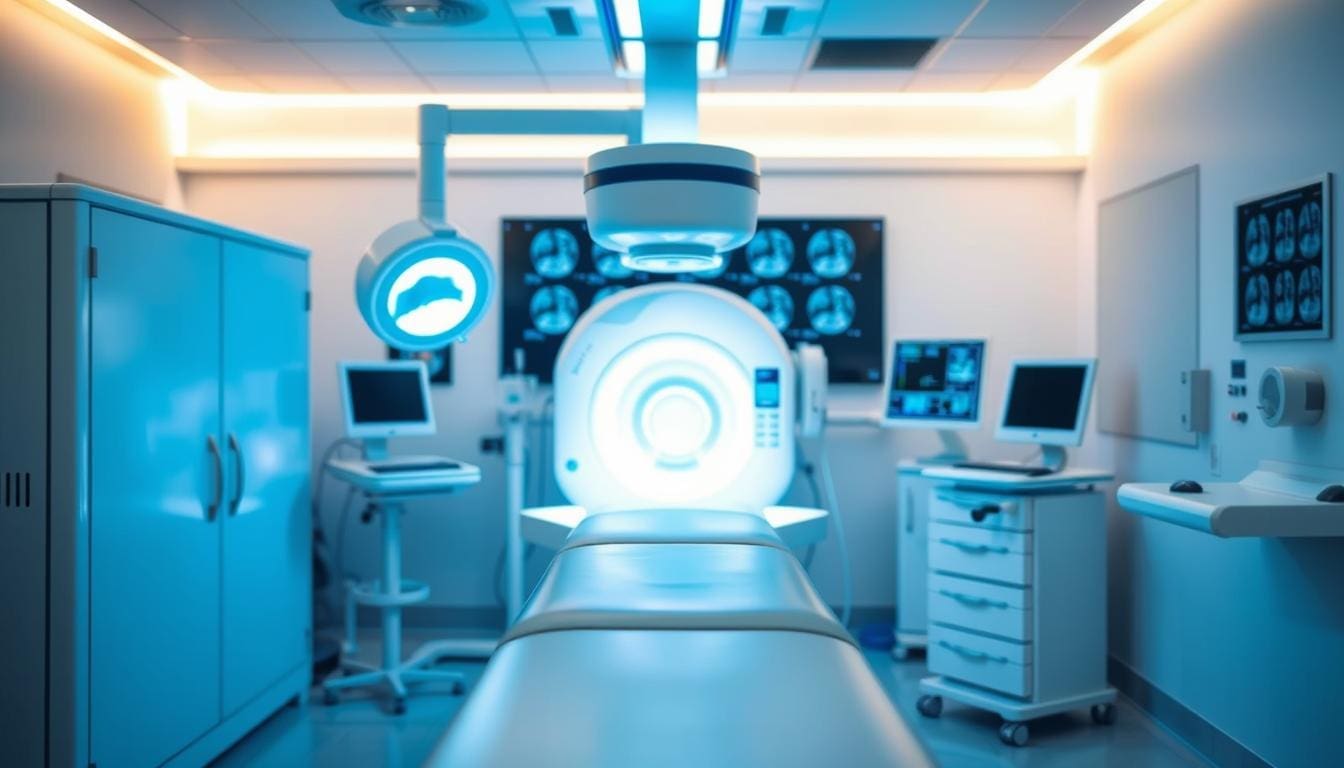
At Liv Hospital, we use adjuvant radiotherapy as a key part of cancer care. It’s given after the first treatment, like surgery, to kill any tiny cancer cells left behind. These cells could cause the cancer to come back.
Radiation therapy targets these leftover cells. This makes it less likely for cancer to come back. A study on adjuvant chemotherapy in endometrial cancer found that adding these treatments can really help patients live longer.
We are fully committed to giving top-notch healthcare. We make sure our international patients get the best care every step of the way.
Key Takeaways
- Adjuvant radiotherapy is used after primary cancer treatment to eliminate residual cancer cells.
- Radiation therapy reduces the risk of cancer recurrence.
- Liv Hospital is dedicated to providing complete cancer care.
- Adjuvant therapies have shown promising results in improving patient outcomes.
- Our hospital provides world-class healthcare with complete support for international patients.
The Role of Adjuvant Radiotherapy in Modern Cancer Treatment
Adjuvant radiotherapy has greatly improved cancer treatment results. It’s key for doctors and patients to understand its role in cancer care.
Definition and Medical Context
Adjuvant radiotherapy uses radiation after surgery to kill any cancer cells left behind. It’s a big help in stopping cancer from coming back. Adjuvant therapy is a vital part of cancer treatment, giving patients a better chance of survival and less chance of cancer coming back.
Doctors tailor adjuvant radiotherapy to each patient. They consider the cancer type, stage, and the patient’s health. Postoperative radiotherapy is common, where radiation is used after surgery to target tiny cancer cells that can’t be seen or removed.
Evolution of Radiation as an Adjuvant Therapy
Radiation therapy as an adjuvant has a long history, starting in the early 20th century. New technology and understanding of radiation have made it safer and more effective. Today, oncology treatment often includes adjuvant radiotherapy, mainly for cancers at high risk of coming back.
Studies show adjuvant radiation works well for high-risk cancers, improving patient results. This research backs the ongoing use and improvement of adjuvant radiotherapy, ensuring patients get the best care.
As oncology advances, adjuvant radiotherapy’s role will grow. It will use new technologies and strategies to better help patients.
How Adjuvant Radiotherapy Works Against Cancer Cells
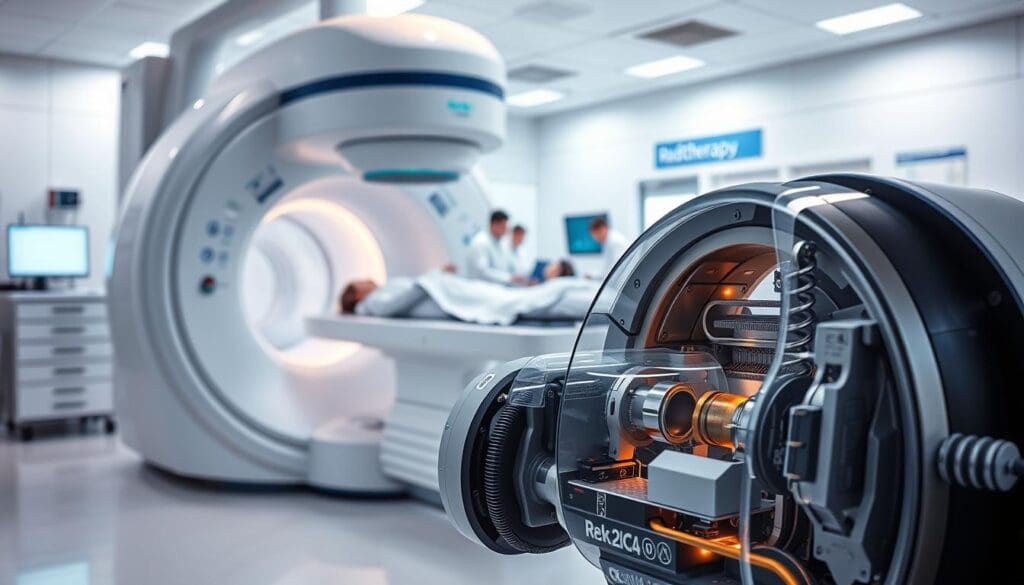
Adjuvant radiotherapy is key in cancer treatment. It helps get rid of tiny cancer cells left after surgery. This makes it a vital part of cancer care.
Targeting Microscopic Disease After Surgery
Even after a tumor is removed, tiny cancer cells might stay. Adjuvant radiotherapy aims to find and kill these cells. It helps prevent cancer from coming back.
Modern radiation therapy is very precise. It sends strong doses of radiation to the right spots. This helps kill cancer cells without harming healthy tissues.
Radiation Biology and Cancer Cell Destruction
Adjuvant radiotherapy works because of radiation biology. Radiation damages cancer cells’ DNA, stopping them from growing. This is how radiation oncology fights cancer.
Knowing how radiation affects cells is important. It helps doctors create the best treatment plans. This way, patients have a better chance of beating cancer.
Common Cancer Types Treated with Adjuvant Radiation
Adjuvant radiotherapy is key in fighting many cancers. It kills tiny cancer cells left after surgery. This treatment is used for several cancers, fitting each patient’s needs.
Breast Cancer Applications
After surgery, adjuvant radiotherapy treats breast cancer. It targets cancer cells in the breast, chest, and underarm. This method boosts survival chances. Adjuvant radiation for breast cancer is customized to lower recurrence risk and protect healthy tissues.
New methods like accelerated partial breast irradiation (APBI) and hypofractionated whole-breast irradiation are popular. They make treatment shorter, easing patient comfort and side effects.
Colorectal Cancer Protocols
Adjuvant radiotherapy is used with chemotherapy for stage II or III colorectal cancer. It aims to cut down local recurrence risk by treating the tumor area and lymph nodes. Treatment often includes radiation, chemotherapy, and surgery before or after surgery.
Colorectal cancer treatment aims to control cancer while protecting nearby organs. Intensity-modulated radiation therapy (IMRT) helps target the tumor precisely, reducing harm to other areas.
Lung Cancer Treatment Approaches
Adjuvant radiotherapy helps control lung cancer, improving survival for stage III patients or those with positive margins. Combining adjuvant radiation with systemic therapy is vital in treating lung cancer. It tackles both local and widespread disease.
Planning is key in lung cancer adjuvant radiotherapy to balance benefits and risks. Modern techniques like stereotactic body radiation therapy (SBRT) deliver precise doses. This minimizes side effects.
The Adjuvant Radiotherapy Process from Planning to Completion
The journey through adjuvant radiotherapy starts with careful planning. It’s a challenging path, but knowing the steps helps patients. They can then better understand their treatment.
Pre-Treatment Assessment and Simulation
First, a detailed pre-treatment assessment is done. This looks at the patient’s health, cancer extent, and past treatments. Next, simulation uses CT scans to map the treatment area accurately.
Key steps in pre-treatment assessment include:
- Reviewing medical history and previous cancer treatments
- Conducting physical examinations and necessary diagnostic tests
- Discussing treatment goals and possible side effects with the patient
Treatment Delivery Technologies
Adjuvant radiotherapy uses advanced tech to target cancer precisely. Techniques like 3D conformal radiation therapy and IMRT are used. This ensures the cancer gets the right dose while protecting healthy tissues.
Some of the technologies used include:
- Linear accelerators to generate radiation beams
- Advanced imaging systems for real-time monitoring
- Specialized software for treatment planning and dose calculation
Treatment Schedule and Patient Experience
The treatment schedule is made for each patient. It’s based on their needs and cancer type. Treatments are given in fractions over weeks. We help patients understand their schedule and what to expect.
Aspects of the patient experience include:
- Initial consultation and treatment planning
- Daily treatment sessions, usually Monday through Friday
- Ongoing support and monitoring throughout the treatment course
Understanding adjuvant radiotherapy helps patients feel more in control. Our team offers compassionate care and support every step of the way.
Clinical Benefits of Adjuvant Radiotherapy
Adjuvant radiotherapy targets leftover cancer cells, protecting against tumor return. It greatly improves patient outcomes in many cancer types.
Improving Local Control and Preventing Recurrence
Adjuvant radiotherapy effectively controls tiny cancer cells left after surgery. It greatly lowers the chance of cancer coming back.
Local control rates get much better with adjuvant radiotherapy. This is key in cancers where coming back can cause a lot of harm.
Impact on Disease-Free and Overall Survival
Adjuvant radiotherapy boosts disease-free survival in many cancers. It stops recurrence, leading to better overall survival.
Research shows adjuvant radiotherapy cuts down recurrence risk. This improves survival chances over the long term.
| Cancer Type | Improvement in Disease-Free Survival | Improvement in Overall Survival |
|---|---|---|
| Breast Cancer | 20-30% | 10-20% |
| Colorectal Cancer | 15-25% | 5-15% |
| Lung Cancer | 10-20% | 5-10% |
Quality of Life Considerations
Adjuvant radiotherapy is a strong cancer treatment, but its effect on quality of life matters too. New radiotherapy methods aim to lessen side effects and keep patients comfortable.
Quality of life studies show adjuvant radiotherapy’s benefits often outweigh its temporary side effects.
Every cancer patient’s journey is different, and adjuvant radiotherapy is customized for each. It improves local control, survival, and quality of life, making it a key part of cancer care.
Comprehensive Adjuvant Cancer Treatment Approaches
Cancer treatment is always getting better, and new ways to help patients are being found. We know that every person’s fight with cancer is different. So, we tailor our treatments to meet each person’s needs.
Adjuvant Chemotherapy Protocols
Adjuvant chemotherapy is a key part of treating many cancers. It helps get rid of any cancer cells left after the first treatment. Chemotherapy protocols are chosen based on the cancer type, its stage, and the patient’s health.
In breast cancer, for example, chemotherapy is often used for patients with high-risk features. This includes big tumors or cancer in the lymph nodes.
Immunotherapy as Adjuvant Treatment
Immunotherapy is a big step forward in cancer treatment. It uses the body’s immune system to fight cancer. As an adjuvant therapy, immunotherapy is great at targeting tiny cancer cells left after surgery.
We’re seeing great results in cancers like melanoma and some lung cancers.
Hormone Therapy Applications
Hormone therapy is very important for cancers that grow because of hormones, like some breast and prostate cancers. It lowers hormone levels or blocks their effect on cancer cells. This helps lower the chance of cancer coming back.
Hormone therapy can be used alone or with other treatments, depending on the case.
Multidisciplinary Treatment Planning
The best way to treat cancer is through multidisciplinary treatment planning. This means doctors from different fields work together to plan care. This team approach makes sure all parts of care are covered, from start to finish.
By combining insights from surgeons, oncologists, and others, we can make treatments fit each patient’s needs.
We’re fully committed to using the best adjuvant cancer treatments. We want to give our patients the best care possible. By keeping up with new treatments and working with patients and families, we aim to get the best results in fighting cancer.
Managing Side Effects and Optimizing Recovery During Adjuvant Radiation
Managing side effects is key for patients getting adjuvant radiation therapy. This ensures the best results. Adjuvant radiation is a strong cancer treatment but can cause side effects that affect comfort and recovery.
Common Acute Side Effects and Management
Patients may face fatigue, skin irritation, and stomach problems during adjuvant radiation. It’s important to talk openly with healthcare teams about these issues.
For skin issues, keeping the treated area clean and moisturized is vital. Avoid tight clothes and protect the skin from the sun.
Long-Term Considerations and Follow-up Care
Adjuvant radiation targets cancer cells but can have long-term effects. Follow-up care is key to catch and manage these effects early.
Effects like fibrosis, lymphedema, and rare secondary cancers can occur. Regular check-ups with healthcare teams help catch and manage these issues.
| Long-term Side Effect | Management Strategy |
|---|---|
| Fibrosis | Physical therapy, pain management |
| Lymphedema | Compression garments, manual drainage |
| Secondary Cancers | Regular screening, surveillance |
Supportive Therapies During Treatment
Supportive therapies are essential for comfort and strength during adjuvant radiation. A team approach that includes nutrition, psychology, and physical therapy is recommended.
Nutritional counseling helps patients stay strong and manage side effects. We create personalized diets to support patients during treatment.
By adding supportive therapies to treatment plans, we improve patients’ quality of life. This is true both during and after adjuvant radiation therapy.
Innovations and Research Advances in Adjuvant Radiotherapy Techniques
The field of radiation oncology is seeing big innovations in adjuvant radiotherapy. These changes are making treatments better and easier for patients.
New ideas in precision medicine are leading to more custom treatments. Doctors can now tailor plans based on the unique traits of each tumor.
Precision Medicine Approaches
Precision medicine in adjuvant radiotherapy uses advanced imaging and genetics. It aims to hit the tumor hard while sparing healthy tissue.
Technologies like IMRT and IGRT help target tumors accurately. These tools are key in radiation oncology, making treatments more effective.
| Technique | Description | Benefits |
|---|---|---|
| IMRT | Intensity-Modulated Radiation Therapy | Precise targeting, reduced side effects |
| IGRT | Image-Guided Radiation Therapy | Enhanced accuracy, improved outcomes |
Hypofractionation and Accelerated Treatments
Hypofractionation means giving more radiation in less time. It’s being tested in clinical trials to see if it works well.
Speeding up treatments can make them easier for patients. Scientists are working to find the best hypofractionation plans for different cancers.
Emerging Technologies and Clinical Trials
New tech like proton therapy and SBRT is showing promise. They’re being tested in clinical trials and could lead to better results.
Trials are also looking at combining immunotherapy with radiotherapy. This mix might boost the immune system’s fight against cancer.
As radiation oncology keeps growing, new tech and strategies will be key. Keeping up with the latest innovations is vital for top-notch care for cancer patients.
Conclusion: The Evolving Landscape of Adjuvant Radiation in Cancer Care
Adjuvant radiotherapy is key in modern cancer treatment. At Liv Hospital, we focus on the latest adjuvant cancer protocols. This includes radiation after surgery to better patient outcomes.
The FDA recently approved cemiplimab-rwlc (Libtayo) for CSCC treatment. The C-POST trial showed cemiplimab beats placebo in keeping cancer away.
We offer top-notch healthcare with our team and advanced tech. We mix adjuvant radiotherapy with other treatments for the best results. Learn more about our treatments at Liv Hospital.
We’re committed to caring for our patients every step of the way. As cancer care grows, we’re here to support you.
FAQ
What is adjuvant radiotherapy, and how does it support cancer treatment?
Adjuvant radiotherapy is a treatment given after surgery. It aims to kill any cancer cells left behind. This helps lower the chance of cancer coming back. We use special radiation methods to target these cells effectively.
How does adjuvant radiotherapy work against cancer cells?
It targets and kills cancer cells that might be left after surgery. By understanding how radiation works, we can make treatment more precise. This helps destroy cancer cells while protecting healthy tissues.
What types of cancer are commonly treated with adjuvant radiotherapy?
It’s often used for breast, colorectal, and lung cancers. The treatment plan varies based on the cancer type and stage.
What is the process of adjuvant radiotherapy from planning to completion?
First, we plan and simulate the treatment. Then, we use advanced technologies to deliver it. We create a personalized plan to ensure effective treatment and reduce side effects.
What are the clinical benefits of adjuvant radiotherapy?
It improves local control, prevents recurrence, and boosts survival rates. We also consider the patient’s quality of life. This ensures treatment is tailored to individual needs.
How is adjuvant radiotherapy combined with other cancer treatments?
We use a team approach, combining it with chemotherapy, immunotherapy, and hormone therapy. This ensures patients get the best treatment for their cancer type and stage.
What are the common side effects of adjuvant radiotherapy, and how are they managed?
Side effects include fatigue, skin reactions, and gastrointestinal issues. We manage these with supportive therapies and provide self-care guidance.
What are the latest innovations in adjuvant radiotherapy techniques?
Recent advancements include precision medicine, hypofractionation, and new technologies. We offer the latest and most effective treatments.
How does adjuvant radiotherapy impact long-term cancer care and follow-up?
It’s key in long-term cancer care by lowering recurrence risk. We stress the importance of follow-up care. This helps monitor health and address any concerns or side effects.
References
Wikipedia: Adjuvant Therapy
PubMed Central (NCBI): Neoadjuvant and Adjuvant Chemoradiotherapy in Gastric Cancer