Last Updated on November 27, 2025 by Bilal Hasdemir
At Liv Hospital, we know how vital it is to spot adrenal gland malignancy early. This condition can quickly upset your body’s hormonal balance and health.
Adrenal cancer is a rare but aggressive cancer that starts in the adrenal glands. We aim to offer top-notch care using the latest medical knowledge and team efforts.
We want to teach you about adrenal gland cancer and show we’re experts in treating it. We’ll give you all the details on symptoms, how to get diagnosed, and treatment choices.
Key Takeaways
- Understanding adrenal gland malignancy is key for early detection and treatment.
- Liv Hospital offers advanced care for patients with adrenal carcinoma.
- We follow international standards and put patients first in our care.
- Adrenal cancer is rare but serious, needing expert care.
- Our team is committed to giving full support to international patients.
Understanding the Adrenal Glands
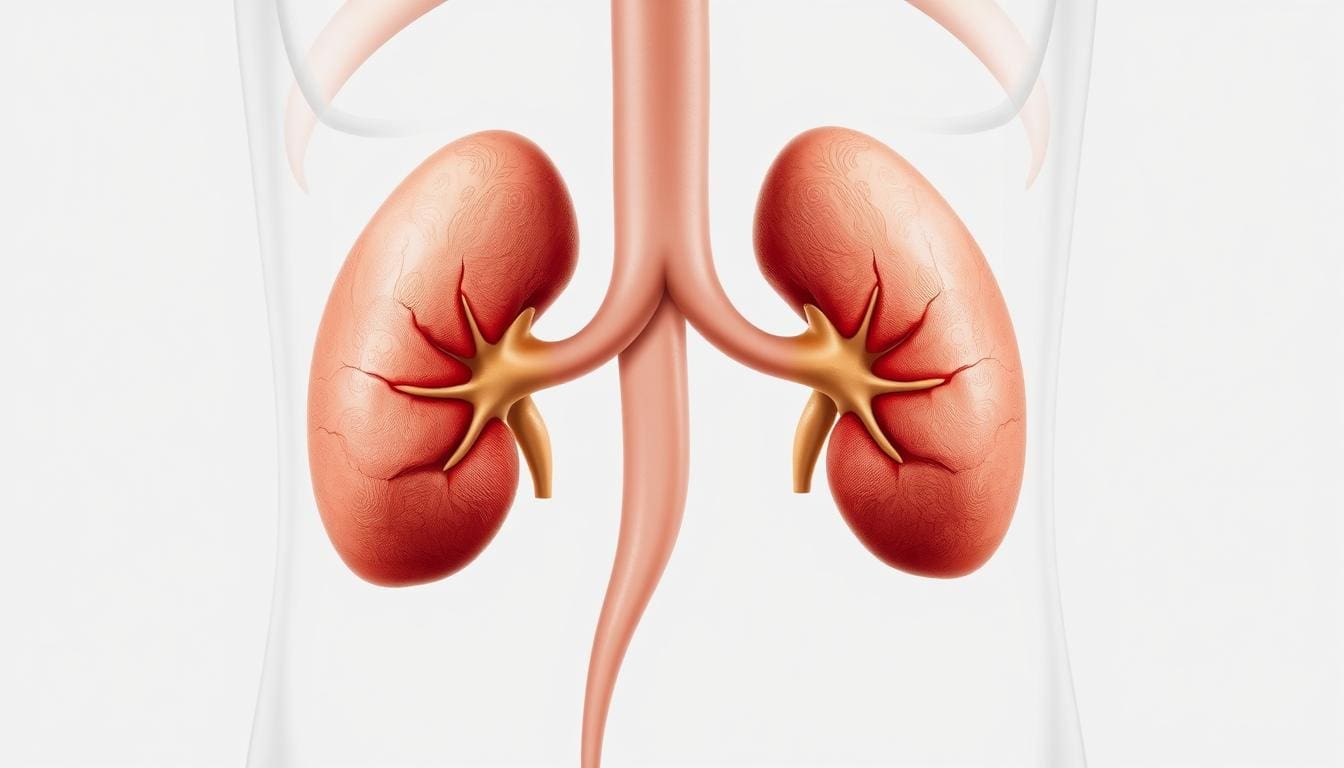
It’s important to know how the adrenal glands work. They help our body deal with stress and keep everything balanced. These glands are two small, triangular shapes on top of each kidney.
Anatomy and Location
The adrenal glands sit in the retroperitoneal space, atop each kidney. They are wrapped in fat and are part of the endocrine system. Each gland has an outer cortex and an inner medulla, each with its own role in hormone making.
Physiological Functions
The adrenal glands make hormones that control many body functions. This includes how we metabolize, fight off infections, and handle stress. The adrenal cortex makes corticosteroids like cortisol and aldosterone. The adrenal medulla produces catecholamines, like adrenaline.
Hormone Production
The hormones from the adrenal glands affect the body in many ways. Cortisol helps us deal with stress and keeps blood sugar levels right. Aldosterone helps control blood pressure by managing sodium and potassium levels. The body’s needs are met through the work of the hypothalamic-pituitary-adrenal axis.
In short, the adrenal glands are vital for keeping the body balanced and handling stress. Knowing how they work helps us understand the effects of tumors on these glands.
Adrenal Gland Malignancy: Definition and Overview
Adrenal gland malignancy means cancer in the adrenal glands. This can affect your health. The adrenal glands sit on top of each kidney. They make hormones that control many body functions.
What Constitutes Malignancy
Malignancy in the adrenal glands means abnormal cells grow without control. These cells can spread to other areas of the body. This is different from benign tumors, which are not cancerous and don’t spread.
Key characteristics of adrenal gland malignancy include:
- Uncontrolled cell growth
- Invasion into surrounding tissues
- Potential to metastasize to other organs
Difference Between Benign and Malignant Tumors
It’s important to know the difference between benign and malignant adrenal tumors. Benign tumors are small and don’t invade. They might not cause symptoms. Malignant tumors grow fast, invade nearby areas, and can cause symptoms due to hormone imbalance or organ problems.
| Tumor Characteristics | Benign Tumors | Malignant Tumors |
|---|---|---|
| Growth Pattern | Slow-growing, non-invasive | Rapid growth, invasive |
| Symptoms | Often asymptomatic | May cause hormone-related symptoms or organ dysfunction |
| Metastasis | No metastasis | Potential to metastasize |
Impact on Adrenal Function
Adrenal gland malignancy can affect how the adrenal glands work. It can lead to too much or too little of important hormones. The imbalance depends on the tumor’s size, location, and if it makes hormones.
Diagnosing and treating adrenal gland malignancy needs a detailed plan. This plan considers the tumor’s type, the patient’s health, and how it affects the adrenal glands.
Types of Adrenal Gland Tumors
It’s important to know about the different types of adrenal gland tumors. This knowledge helps doctors diagnose and treat them correctly. The adrenal glands can get various tumors, each with its own traits and effects on health.
Adrenocortical Carcinoma
Adrenocortical carcinoma is a rare and aggressive tumor from the adrenal cortex. It can make too much cortisol, aldosterone, or androgens. This leads to endocrine disorders. Early detection is critical because it’s very dangerous and hard to treat if caught late.
“The management of adrenocortical carcinoma requires a multidisciplinary approach, including surgery, chemotherapy, and possibly radiation therapy,” as emphasized by recent clinical guidelines.
Pheochromocytoma
Pheochromocytoma is a tumor from the adrenal medulla that makes too many catecholamines. Symptoms include high blood pressure, fast heart rate, and sweating. Accurate diagnosis is key to avoid dangerous blood pressure spikes during surgery.
Pheochromocytomas can be benign or malignant, but the malignant type is rare. Genetic testing is suggested because it’s linked to hereditary syndromes.
Neuroblastoma
Neuroblastoma is a cancer that mainly affects children, coming from neural crest cells. It can be in the adrenal medulla or the sympathetic nervous system. The disease’s impact can vary greatly, from disappearing on its own to growing aggressively.
Treatment strategies vary, from watching it closely to using strong chemotherapy and surgery, based on how serious it is.
Metastatic Tumors to the Adrenal Gland
Metastatic tumors in the adrenal gland are more common than primary adrenal cancers. They often come from lung, breast, or kidney cancers. Adrenal metastases usually mean the disease is advanced and the outlook is poor.
“The presence of adrenal metastasis often signifies a dismal prognosis, necessitating a thorough assessment for proper palliative care.”
Managing these tumors involves treating the main cancer and dealing with adrenal insufficiency if it happens.
Epidemiology and Risk Factors
Studying the epidemiology of adrenal gland cancers helps us understand how common they are and who is at risk. Adrenal gland cancer is rare, with adrenocortical carcinoma affecting about 1–2 people per million each year. Knowing this helps us find and treat these cancers early.
Incidence and Prevalence Rates
Adrenal gland cancers are rare, and their occurrence varies by type. Adrenocortical carcinoma is very aggressive and rare. Research shows that more people get adrenal tumors as they get older, often in their 50s to 70s.
“Finding out about adrenal gland cancers is hard because they are so rare,” a recent review on adrenal cancers points out. “But, some types like neuroblastoma mostly affect young kids.”
Age and Gender Distribution
The types of adrenal gland cancers affect different people. For example, adrenocortical carcinoma is more common in women. Pheochromocytoma also seems to affect women more in some studies. Neuroblastoma, on the other hand, mainly hits young children.
Genetic Predisposition
Genetics play a big role in some adrenal gland cancers. For instance, Li-Fraumeni syndrome increases the risk of adrenocortical carcinoma. Other genetic conditions, like multiple endocrine neoplasia type 2 (MEN2), raise the risk of pheochromocytoma.
- Li-Fraumeni syndrome
- Multiple endocrine neoplasia type 2 (MEN2)
- Familial adenomatous polyposis (FAP)
Environmental Risk Factors
While we don’t know all the causes of adrenal gland cancers, some environmental factors might play a role. For example, being exposed to certain chemicals or radiation might increase the risk of getting adrenal tumors.
As we learn more about adrenal gland cancers, it’s clear we need a broad approach to understand and treat them. By finding out who is at higher risk and what causes these cancers, we can improve how we diagnose and treat them.
Pathophysiology of Adrenal Tumors
Understanding how adrenal tumors develop is key to finding good treatments. These tumors grow due to changes in cells and genes. This includes genetic mutations and changes in how cells talk to each other.
Cellular and Molecular Mechanisms
Adrenal tumors start and grow because of many changes in cells and genes. Genetic mutations are a big part of this. For example, changes in the TP53 gene are linked to a type of adrenal cancer.
Changes in signaling pathways also help tumors grow. These pathways control how cells grow, change, and live. When these pathways get messed up, cells can grow out of control and form tumors.
Tumor Growth Patterns
Adrenal tumors can grow in different ways. Some are benign, while others are malignant. The way a tumor grows depends on the genes involved and the type of adrenal cell.
For example, some tumors grow very fast and can spread to other parts of the body. Knowing how a tumor grows helps doctors choose the best treatment.
Metastatic Potentia
How likely a tumor is to spread varies by type. Malignant tumors, like some adrenal cancers, can spread to places like the liver, lungs, and bones.
When a tumor spreads, it changes how doctors treat it. Knowing if a tumor can spread is very important for planning treatment.
Clinical Presentation and Symptoms
Adrenal gland malignancies show a wide range of symptoms. These symptoms come from both hormonal and non-hormonal causes. The gland’s role in hormone production and its body location play a big part.
Hormone-Related Manifestations
Hormone-related symptoms happen when tumors in the adrenal gland make too much hormone. For example, adrenocortical carcinoma can cause too much cortisol. This leads to Cushing’s syndrome.
Symptoms of Cushing’s syndrome include:
- Weight gain, mainly in the face and trunk
- High blood pressure
- Diabetes
- Mood changes, like depression or anxiety
Some tumors also make androgens. This can cause virilization in females. Symptoms include too much hair growth, a deeper voice, and irregular periods.
Non-Hormonal Symptoms
Non-hormonal symptoms come from the tumor itself and its effect on nearby areas. Common symptoms include:
- Abdominal pain or discomfort
- A palpable mass in the abdomen
- Weight loss
- Fatigue
The tumor can also press on or invade nearby organs. This can cause nausea, vomiting, or changes in bowel habits.
It’s key for doctors to understand the many symptoms of adrenal gland malignancy. This helps them make the right diagnosis and treatment plan. We stress the need to notice both hormone-related and non-hormonal symptoms for full patient care.
Diagnostic Approaches
To diagnose adrenal gland cancer, doctors use a detailed method. This includes checking the patient’s health, running tests, and using special imaging. We will explain how these methods help find adrenal gland tumors.
Initial Clinical Assessment
Doctors start by looking at the patient’s medical history and doing a physical check-up. They search for signs of hormonal imbalances or tumors.
They focus on symptoms like high blood pressure, weight changes, or changes in body hair. They also check if the patient has a family history of endocrine disorders or genetic syndromes.
Laboratory Tests
Lab tests are key in diagnosing adrenal gland cancer. These tests measure hormone levels and look for any odd results.
- Cortisol and other steroid hormone measurements
- Catecholamine assays for pheochromocytoma diagnosis
- Electrolyte and metabolic panels to assess hormonal effects
Imaging Studies
Imaging studies help doctors see the tumors in the adrenal glands. They use different methods to get detailed pictures.
- Computed Tomography (CT) scans for detailed anatomical information
- Magnetic Resonance Imaging (MRI) for soft tissue characterization
- Positron Emission Tomography (PET) scans for metabolic activity assessment
Biopsy Considerations and Techniques
Biopsy is a vital tool for diagnosing adrenal gland cancer. Doctors consider several factors when deciding on a biopsy method.
They look at the tumor’s type, the patient’s health, and how it might affect treatment. This helps them choose the best biopsy approach.
| Biopsy Technique | Advantages | Limitations |
|---|---|---|
| Fine-needle aspiration biopsy | Minimally invasive, quick recovery | Limited tissue sample, possible false negatives |
| Core needle biopsy | Provides more tissue for analysis | Higher risk of bleeding or complications |
| Surgical biopsy | Allows for tumor removal and detailed examination | More invasive, needs surgical skill |
Staging and Prognostic Factors
It’s key to know the staging systems for adrenal gland cancer to predict outcomes and plan treatments. Staging shows how far the cancer has spread. This helps doctors choose the best treatment.
TNM Classification System
The TNM system is a common way to stage tumors. It looks at the tumor size (T), nearby lymph nodes (N), and if the cancer has spread (M). For adrenal gland cancers, it helps measure how serious the disease is.
The TNM system works like this:
- T1-T4: Tumor size and extent
- N0-N1: Lymph node involvement
- M0-M1: Presence or absence of distant metastasis
ENSAT Staging System
The ENSAT system is also important for adrenal gland cancer staging. It’s used to predict how the cancer will progress. It looks at tumor size, lymph nodes, and if the cancer has spread.
ENSAT staging is divided into:
- Stage I: Tumor confined to the adrenal gland
- Stage II: Tumor extends beyond the adrenal gland but is localized
- Stage III: Presence of lymph node involvement or tumor thrombus
- Stage IV: Distant metastasis
Prognostic Indicators
There are several signs that can predict how well a patient will do with adrenal gland cancer. These include:
- Tumor size and stage at diagnosis
- Histological grade of the tumor
- Presence of genetic mutations
- Patient’s overall health and performance status
Survival Rates
Survival rates for adrenal gland cancer depend on the stage and other factors. Early-stage cancer usually has better chances, while advanced cancer has worse outcomes.
We use these systems and indicators to give patients clear information about their cancer. This helps us tailor treatments to each patient’s needs. Understanding the disease extent and possible outcomes helps us provide better care.
Surgical Management
Adrenalectomy, or the removal of the adrenal gland, is a key treatment for adrenal gland cancer. This surgery is vital for removing the tumor. It can lead to a cure, mainly when the cancer is in its early stages.
Adrenalectomy Approaches
There are different ways to do an adrenalectomy, each suited for specific cases. The choice depends on the tumor’s size, type, and the patient’s health.
- Laparoscopic Adrenalectomy: This method uses small incisions and a camera for a less invasive surgery. It’s best for smaller tumors and leads to faster recovery.
- Open Adrenalectomy: This traditional surgery uses a bigger incision for direct access. It’s used for larger or more complex tumors.
- Robotic Adrenalectomy: A laparoscopic surgery with robotic technology for better precision and control.
Surgical Considerations for Advanced Disease
When adrenal gland cancer has spread, surgery becomes more challenging. We look at how far the cancer has spread, if it’s in nearby tissues, and the patient’s health when planning surgery.
Debulking surgery might be done to shrink the tumor, even if removing it all isn’t possible. This can help ease symptoms and make other treatments more effective.
Perioperative Management
Good care before, during, and after surgery is key for adrenalectomy success. This includes a detailed check-up before surgery, careful management during surgery, and thorough care after.
| Preoperative Considerations | Intraoperative Management | Postoperative Care |
|---|---|---|
| Evaluation of comorbidities | Monitoring of vital signs | Pain management |
| Optimization of hormonal balance | Use of appropriate anesthesia | Monitoring for complications |
| Imaging and staging review | Precise surgical technique | Hormone replacement therapy as needed |
By focusing on these areas, we can improve patient results and lower the chance of problems.
Non-Surgical Treatment Modalities
Non-surgical treatments like chemotherapy and radiation therapy are key in fighting adrenal gland cancer. We use them to help surgery or as a main treatment when surgery isn’t possible.
Chemotherapy Protocols
Chemotherapy uses drugs to kill cancer cells. For adrenal gland cancer, the treatment plan depends on the tumor type and stage. Mitotane is often used for adrenocortical carcinoma. We mix mitotane with other drugs like etoposide, doxorubicin, and cisplatin to boost its power.
“Chemotherapy has shown great results for advanced adrenal gland cancer,” say experts.
Radiation Therapy Applications
Radiation therapy uses high-energy rays to kill cancer cells. It’s used for symptom relief, controlling tumor growth, and treating spread disease. We use it in many cases.
- External beam radiation therapy (EBRT) is the most common form of radiation therapy used.
- Stereotactic body radiation therapy (SBRT) is employed for precise targeting of tumors.
Targeted Molecular Therapies
Targeted molecular therapies are a new way to treat adrenal gland cancer. They target specific molecules that help tumors grow. For example, vascular endothelial growth factor (VEGF) inhibitors are promising for some adrenal tumors.
As research grows, we find new targets and better treatments.
Immunotherapy Approaches
Immunotherapy uses the immune system to fight cancer. It’s a growing field in treating adrenal gland cancer. We look into different immunotherapies, like checkpoint inhibitors and cancer vaccines, to boost the body’s fight against cancer.
“Immunotherapy could change how we treat adrenal gland cancer,” studies suggest.
Multidisciplinary Treatment Approach
Managing adrenal gland cancer needs a team effort from many healthcare experts. A team approach means patients get care that fits their needs.
Endocrinology Management
Endocrinologists are key in handling hormone issues from adrenal gland cancer. They figure out and fix hormone imbalances caused by tumors. Endocrinology management means watching hormone levels, handling symptoms, and adjusting treatment plans.
Surgical Oncology Input
Surgical oncologists are vital for treating adrenal gland cancer. They decide if surgery is possible and do the operations to remove tumors. Surgical oncology input helps choose the best surgery and ensures good care before and after surgery.
Medical Oncology Considerations
Medical oncologists give treatments like chemotherapy and targeted therapy. They work with others to plan a full treatment. Medical oncology considerations include deciding if systemic treatment is needed, picking treatments, and watching for how well treatments work and side effects.
Radiation Oncology Role
Radiation oncologists help by giving radiation therapy. This is for tumors that can’t be fully removed or to ease symptoms. Radiation oncology means figuring out the right dose and how to deliver it to control tumors and protect nearby tissues.
| Specialty | Role in Treatment | Key Responsibilities |
|---|---|---|
| Endocrinology | Managing hormone-related aspects | Monitoring hormone levels, managing hormonal imbalances |
| Surgical Oncology | Surgical resection of tumors | Assessing surgical feasibility, performing operations |
| Medical Oncology | Administering systemic therapies | Evaluating need for systemic treatment, selecting therapies |
| Radiation Oncology | Providing radiation therapy | Determining radiation dose and delivery technique |
By working together, a team approach gives patients with adrenal gland cancer the best care. This teamwork is key to better treatment results and a better life for patients.
Conclusion
Adrenal gland malignancy is a complex condition. At Liv Hospital, we offer a complete care plan. We use the latest medical research and team up with experts from different fields.
Our team is dedicated to giving top-notch care that focuses on the patient. This makes Liv Hospital a go-to place for people from around the world. They come here for advanced treatments for adrenal gland malignancy.
We mix the newest medical findings with a caring approach. This way, we make sure our patients get the best results. Liv Hospital is all about giving care that meets each patient’s specific needs.
FAQ
What is adrenal gland malignancy?
Adrenal gland malignancy is cancer in the adrenal glands. These glands sit on top of the kidneys. They are key in making hormones.
What are the symptoms of adrenal gland malignancy?
Symptoms can differ based on the tumor and its hormones. They might include pain in the belly, losing weight, feeling tired, high blood pressure, and hormonal imbalances.
How is adrenal gland malignancy diagnosed?
Doctors use imaging like CT or MRI scans and lab tests to check hormone levels. They also do biopsies to find cancer cells.
What are the different types of adrenal gland tumors?
There are several types, like adrenocortical carcinoma and pheochromocytoma. Each has its own traits and effects on health.
What is the role of surgery in treating adrenal gland malignancy?
Surgery, like adrenalectomy, is a main treatment for some tumors. It aims to remove the tumor and the gland.
Are there non-surgical treatment options for adrenal gland malignancy?
Yes, treatments like chemotherapy and radiation are used. They might be used alone or with surgery, based on the tumor and its stage.
How does the staging of adrenal gland malignancy affect treatment and prognosis?
Staging systems like TNM and ENSAT show how far the disease has spread. They help decide treatment and predict outcomes.
Can adrenal gland malignancy be prevented?
Some risks, like genetics, can’t be changed. But knowing environmental risks and getting regular check-ups can help catch it early.
What is the importance of a multidisciplinary treatment approach for adrenal gland malignancy?
A team of doctors works together for better care. They include endocrinologists and oncologists. This team approach improves treatment results.
How does Liv Hospital approach the treatment of adrenal gland malignancy?
Liv Hospital uses a team effort and the latest treatments. They focus on quality care for patients with adrenal gland cancer.
References
Cancer.ca — Types of Tumours in Adrenal Gland Cancer