Last Updated on November 27, 2025 by Bilal Hasdemir

At Liv Hospital, we know how critical it is to spot aortic stenosis heart valve disease. This is when the aortic valve gets too narrow. It blocks blood flow from the left ventricle to the aorta.
This condition gets worse over time. It can make the heart work harder, leading to symptoms like chest pain and shortness of breath. Fatigue and fainting can also happen. Research shows that over 20 percent of older adults suffer from this serious heart valve disorder.
Knowing about the aortic valve stenosis prognosis is key. It helps us understand how it can harm heart function slowly. Thanks to better diagnosis and treatment, we can offer hope and better lives for those affected.
Key Takeaways
- Aortic stenosis is a progressive condition characterized by the narrowing of the aortic valve.
- It affects a significant portion of the elderly population, with over 20% being affected.
- Symptoms include chest pain, shortness of breath, fatigue, and fainting.
- Advanced diagnosis and treatment can improve quality of life.
- Liv Hospital is committed to providing world-class care for international patients.
Defining Aortic Stenosis Heart Valve Disease
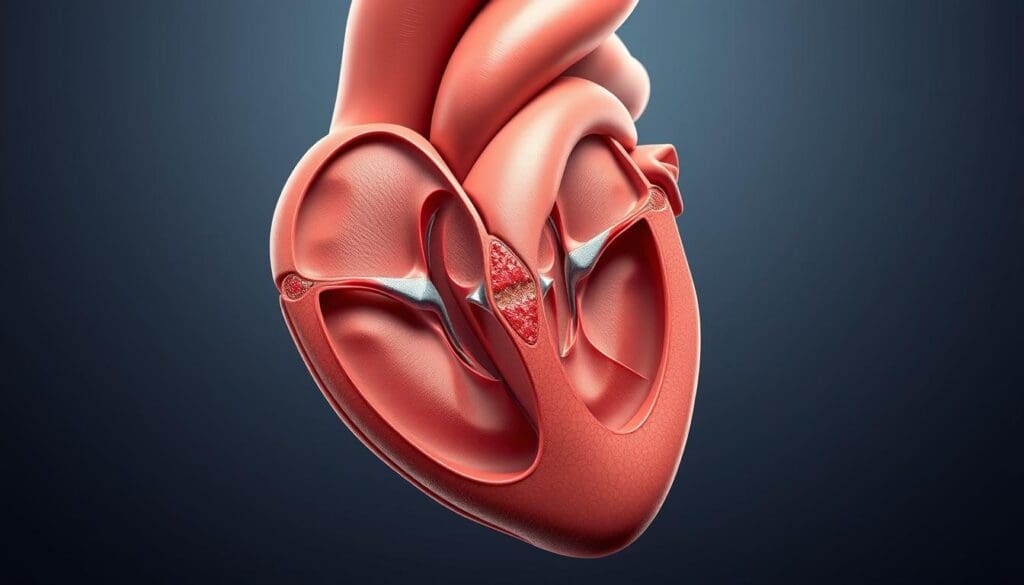
Aortic stenosis is a serious heart condition. It happens when the aortic valve narrows. This can cause big changes in blood flow and lead to serious heart problems.
The Pathophysiology of Valve Narrowing
Aortic stenosis is caused by the narrowing of the aortic valve. This can happen due to congenital defects, rheumatic fever, or age-related calcification. The narrowing blocks blood flow, increasing heart pressure.
Narrowing of the aortic valve can cause chest pain and shortness of breath. These are common symptoms of aortic stenosis. Research shows that the valve’s narrowing is often due to calcification and fibrosis.
The Critical Role of the Aortic Valve in Cardiac Function
The aortic valve is key to heart function. It controls blood flow from the heart to the body. Proper functioning ensures efficient blood pumping.
When the valve narrows, it can cause heart failure. In severe cases, valve replacement surgery may be needed. Diagnosis often involves cardiac catheterization for aortic stenosis to check the valve’s condition.
The following table summarizes the key factors involved in aortic stenosis:
| Cause | Description | Impact |
|---|---|---|
| Congenital Valve Defects | Abnormalities in the valve structure present at birth | Increased risk of developing aortic stenosis |
| Rheumatic Fever | Inflammatory disease that can damage heart valves | Potential for valve narrowing and stenosis |
| Age-related Calcification | Calcium deposits on the valve leaflets due to aging | Progressive narrowing of the valve |
Knowing the aortic valve’s anatomy is key to understanding aortic stenosis.
Epidemiology and Prevalence
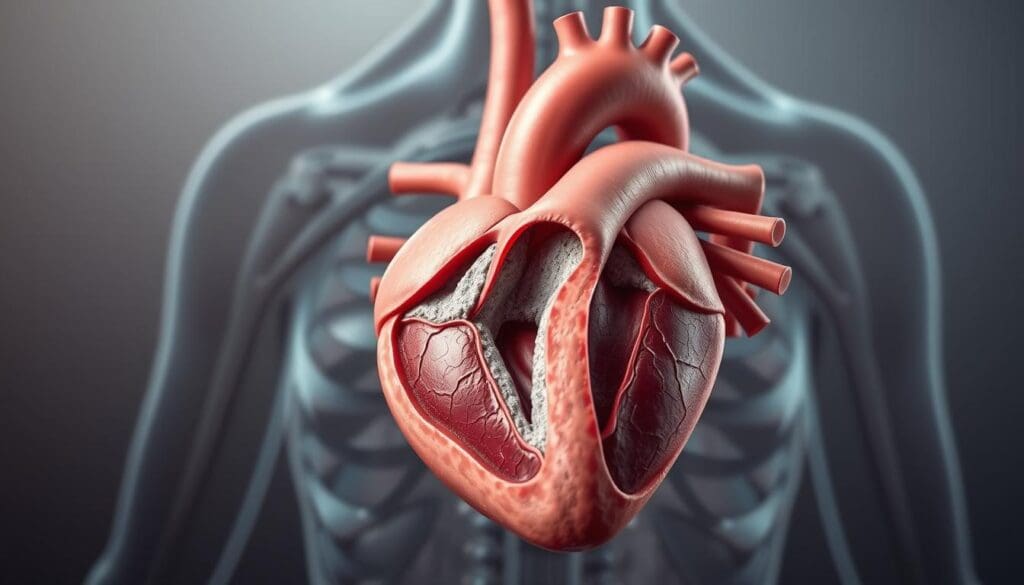
Aortic stenosis is a condition where the aortic valve narrows. It affects many people worldwide. We look at how common it is in different age groups and where it’s found globally.
Prevalence Rates Across Age Groups
The more you age, the more likely you are to get aortic stenosis. Research shows it’s very common in people over 65. As the world’s population gets older, knowing about aortic stenosis is key for effective management and treatment.
Global Distribution and Demographics
Aortic stenosis is not spread evenly around the world. Some groups are more likely to get it. Things like genetics, lifestyle, and heart health play a big part.
For example, people with a history of rheumatic fever or bicuspid aortic valves are at higher risk. Knowing who’s most at risk helps doctors find better treatment options for aortic stenosis.
To manage aortic stenosis well, doctors need to consider many things. They look at the patient’s health, how severe the condition is, and any other health issues. By understanding aortic stenosis better, doctors can do a better job of catching it early and treating it.
Risk Factors Contributing to Aortic Stenosis
Knowing the risk factors for aortic stenosis is key to catching it early and treating it well. Aortic stenosis is when the aortic valve gets too narrow. We’ll look at these risk factors to understand this heart valve disorder better.
Congenital Valve Defects Including Bicuspid Valves
Congenital defects, like bicuspid aortic valves, are big risks for aortic stenosis. A bicuspid aortic valve has only two cusps, not the usual three. This can cause problems with the valve over time. People with bicuspid valves are more likely to get aortic stenosis, often when they’re younger.
Rheumatic Fever and Its Long-term Impact
Rheumatic fever is another risk for aortic stenosis. It’s caused by untreated or repeated strep infections and can damage heart valves. This damage can lead to stenosis, which might need valve replacement surgery.
Age-Related Calcification Processes
Calcification with age is a big risk for aortic stenosis, mainly in older people. As we get older, calcium builds up on the valve, narrowing it. This is a main cause of aortic stenosis in the elderly, making regular heart checks important.
The risks for aortic stenosis include congenital defects, rheumatic fever, and age-related changes. Knowing these risks helps diagnose and manage aortic stenosis heart valve disease early. This way, doctors can watch closely and treat those at higher risk better.
- Congenital valve defects, such as bicuspid valves, increase the risk of developing aortic stenosis.
- Rheumatic fever can cause long-term damage to the heart valves, leading to stenosis.
- Age-related calcification is a significant risk factor, specially in older adults.
Classification and Staging Systems
It’s key to know how aortic stenosis is classified and staged to pick the right treatment. Aortic stenosis is graded from mild to severe. This helps doctors see how bad it is and what to do next.
Severity Levels: From Mild to Severe Stenosis
Aortic stenosis is split into three levels: mild, moderate, and severe. Severe aortic stenosis means the valve opening is very narrow. This can cause big problems if not treated.
- Mild aortic stenosis: People might not feel sick, and doctors just watch them closely.
- Moderate aortic stenosis: Symptoms like chest pain or trouble breathing start, and doctors need to check more often.
- Severe aortic stenosis: Symptoms are bad, and doctors might suggest surgery to replace the valve.
Progressive Staging of Aortic Valve Disease
Aortic valve disease gets worse over time. Knowing this helps doctors plan when to act. Research shows that knowing how bad the stenosis is helps decide the best treatment, like symptoms of aortic stenosis and treatment options for aortic stenosis.
Managing aortic stenosis well means understanding its level and how it’s getting worse. Doctors can then give care that fits each patient’s needs, improving their health.
- Regular checks for mild cases.
- More watching and maybe doing something for moderate cases.
- Quick surgery or other treatments for severe cases.
We stress the need for a plan that fits each patient’s unique situation and symptoms.
Recognizing Symptoms and Clinical Manifestations
It’s key to spot the signs of aortic stenosis early. This helps in managing and treating the condition. Knowing the symptoms is vital for early diagnosis.
Early Warning Signs and Subtle Symptoms
In the early stages, symptoms of aortic stenosis might be hard to notice. But as it gets worse, early warning signs like fatigue and shortness of breath during exercise show up. It’s important to catch these signs early to stop things from getting worse.
Advanced Symptoms: Chest Pain, Shortness of Breath, and Fainting
As aortic stenosis gets worse, symptoms get more serious. Symptoms like chest pain (angina), shortness of breath even when sitting, and fainting spells (syncope) are signs of severe valve narrowing. These need quick medical help.
| Symptom | Description | Implication |
|---|---|---|
| Chest Pain (Angina) | Discomfort or pain in the chest due to reduced blood flow | Indicates severe valve narrowing |
| Shortness of Breath | Difficulty breathing, specially during exertion or at rest | Suggests significant valve obstruction |
| Fainting Spells (Syncope) | Episodes of fainting due to reduced blood flow to the brain | Signals critical valve stenosis |
Complications Including Heart Failure Development
If aortic stenosis is not treated, it can lead to serious problems like heart failure. Heart failure means the heart can’t pump enough blood, causing fatigue, swelling, and shortness of breath. Knowing these risks helps us act fast to prevent damage.
Understanding the symptoms and signs of aortic stenosis helps us diagnose and treat it better. Early action is key to avoiding long-term harm and improving life quality for those with this condition.
Comprehensive Diagnostic Approaches
Diagnosing aortic stenosis needs a mix of clinical checks, advanced imaging, and lab tests. We use these tools to see how severe the stenosis is. Then, we pick the best treatment for each patient.
Physical Examination and Clinical Assessment
A detailed physical check is key in spotting aortic stenosis. We listen for a harsh sound in the heart and check for symptoms like chest pain. We also look at the patient’s medical history for risk factors.
We check the patient’s heart health and look for signs of heart failure. This helps us understand how bad the disease is. It guides us to do more tests.
Advanced Imaging Techniques
Advanced imaging is vital for diagnosing aortic stenosis. Echocardiography is a main tool to see the valve’s shape and how it works. It shows if there’s calcium buildup and how well the valve moves.
Echocardiography is very good at spotting aortic stenosis and figuring out how bad it is. We also use cardiac catheterization and computed tomography (CT) scans for more info and to confirm the diagnosis.
Laboratory Tests and Biomarkers
Labs and biomarkers are important in diagnosing. They help check the patient’s health and find any hidden issues. We do blood tests to look at kidney and liver health.
We use B-type natriuretic peptide (BNP) to check for heart failure. High BNP levels mean the heart is working hard, often due to severe stenosis.
By combining physical checks, imaging, and lab tests, we can accurately diagnose aortic stenosis. Then, we create a treatment plan that fits each patient’s needs.
Treatment Options and Management Strategies
There are many ways to treat aortic stenosis, from medicine to surgery. The right choice depends on how severe it is, the patient’s health, and other factors.
Medical Management and Monitoring Approaches
For mild to moderate cases, doctors often start with medicine. They use tests like echocardiograms to watch the disease. They also help manage risk factors like high blood pressure and high cholesterol.
Key components of medical management include:
- Regular follow-up appointments with a cardiologist
- Monitoring for symptoms and changes in condition
- Management of related health conditions
- Lifestyle advice to slow disease progression
Surgical Valve Replacement Options
For severe cases, surgery is usually the best option. There are two main surgeries: open-heart and minimally invasive. Studies show surgery greatly improves life and survival for severe cases.
Minimally invasive heart surgery has benefits like smaller cuts and less pain. But, it depends on the patient and the surgeon’s skills.
Post-Treatment Care and Rehabilitation
After surgery, patients need time to heal. They often join a cardiac rehab program. This includes exercise, heart-healthy tips, and stress management.
Post-treatment care focuses on:
- Monitoring for possible complications
- Adjusting medications as needed
- Guidance on lifestyle changes
- Support during recovery
With a detailed treatment plan, we can greatly improve life for aortic stenosis patients.
Living with Aortic Stenosis: Prognosis and Quality of Life
Living with aortic stenosis means knowing a lot about the condition and how it affects daily life. We’ll look at the outlook for patients and ways to manage the condition. This can help improve their quality of life.
Long-term Outlook Based on Treatment Approach
The outlook for aortic stenosis patients changes based on treatment and condition severity. Research shows that proper treatment can greatly improve life quality. For example, valve replacement surgery can increase survival rates and lessen symptoms in severe cases.
It’s important for patients to work with their doctors to find the best treatment. The choice between medical treatment, surgery, or other options depends on symptoms, health, and personal preferences.
Key factors influencing prognosis include:
- Severity of aortic stenosis
- Presence of symptoms such as chest pain, shortness of breath, or fainting
- Overall health and presence of comorbid conditions
- Effectiveness of the chosen treatment approach
Lifestyle Modifications and Daily Management
Managing aortic stenosis goes beyond medical treatment. It also involves lifestyle changes to improve quality of life. We suggest a heart-healthy diet, regular exercise, and stress management.
Daily management includes:
- Monitoring symptoms and reporting any changes to healthcare providers
- Adhering to prescribed medications and treatment plans
- Engaging in regular follow-up appointments to monitor the condition’s progression
- Making necessary lifestyle adjustments to manage symptoms and improve overall health
By following these tips, patients with aortic stenosis can manage their condition well and improve their life quality.
In conclusion, managing aortic stenosis requires a holistic approach. This includes medical treatment, lifestyle changes, and ongoing management. Understanding the prognosis and using effective management strategies can help patients live active and fulfilling lives despite their condition.
Conclusion
We’ve looked into aortic stenosis heart valve disease, a serious issue for many, mainly the elderly. Finding and treating it early is key to better health.
Studies show that with the right treatment, like valve replacement surgery, people with aortic stenosis can feel much better. To manage this condition well, we need a full plan. This includes medicine, changing lifestyle habits, and sometimes surgery.
Knowing about aortic stenosis helps us help patients more. We aim to give top-notch care to international patients. This way, they can manage their condition effectively.
FAQ
What is aortic stenosis heart valve disease?
Aortic stenosis is a serious heart condition. It happens when the aortic valve gets narrower. This blocks blood flow from the heart to the rest of the body.
What are the risk factors for developing aortic stenosis?
Several factors can increase your risk of getting aortic stenosis. These include congenital valve defects, rheumatic fever, and age-related calcification.
What are the symptoms of aortic stenosis?
Early signs of aortic stenosis include chest pain and shortness of breath. If it gets worse, you might faint. Untreated, it can lead to heart failure.
How is aortic stenosis diagnosed?
Doctors use a detailed approach to diagnose aortic stenosis. This includes physical exams, advanced imaging, and lab tests to see how severe it is.
What are the treatment options for aortic stenosis?
Treatment depends on how severe the stenosis is and your overall health. For mild to moderate cases, doctors might just monitor you. But for severe cases, surgery is needed.
What is the long-term outlook for patients with aortic stenosis?
The outlook varies based on treatment and how severe the stenosis is. Lifestyle changes and daily care are key to managing it.
Can aortic stenosis be managed without surgery?
Yes, for mild to moderate stenosis, doctors might just monitor you. But severe cases usually need surgery.
What is the role of cardiac catheterization in diagnosing aortic stenosis?
Cardiac catheterization helps doctors see how severe the stenosis is. It helps decide the best treatment.
How does age affect the prevalence of aortic stenosis?
Aortic stenosis gets more common with age. It affects a lot of older people.
What lifestyle modifications can help manage aortic stenosis?
Making healthy lifestyle choices can help manage aortic stenosis. This includes eating well and exercising regularly.
References
Wikipedia: Aortic Stenosis
NCBI Bookshelf (National Library of Medicine): Aortic Stenosis (Specific NCBI ID)
American Heart Association (AHA): Problem: Aortic Valve Stenosis