Last Updated on October 28, 2025 by Saadet Demir
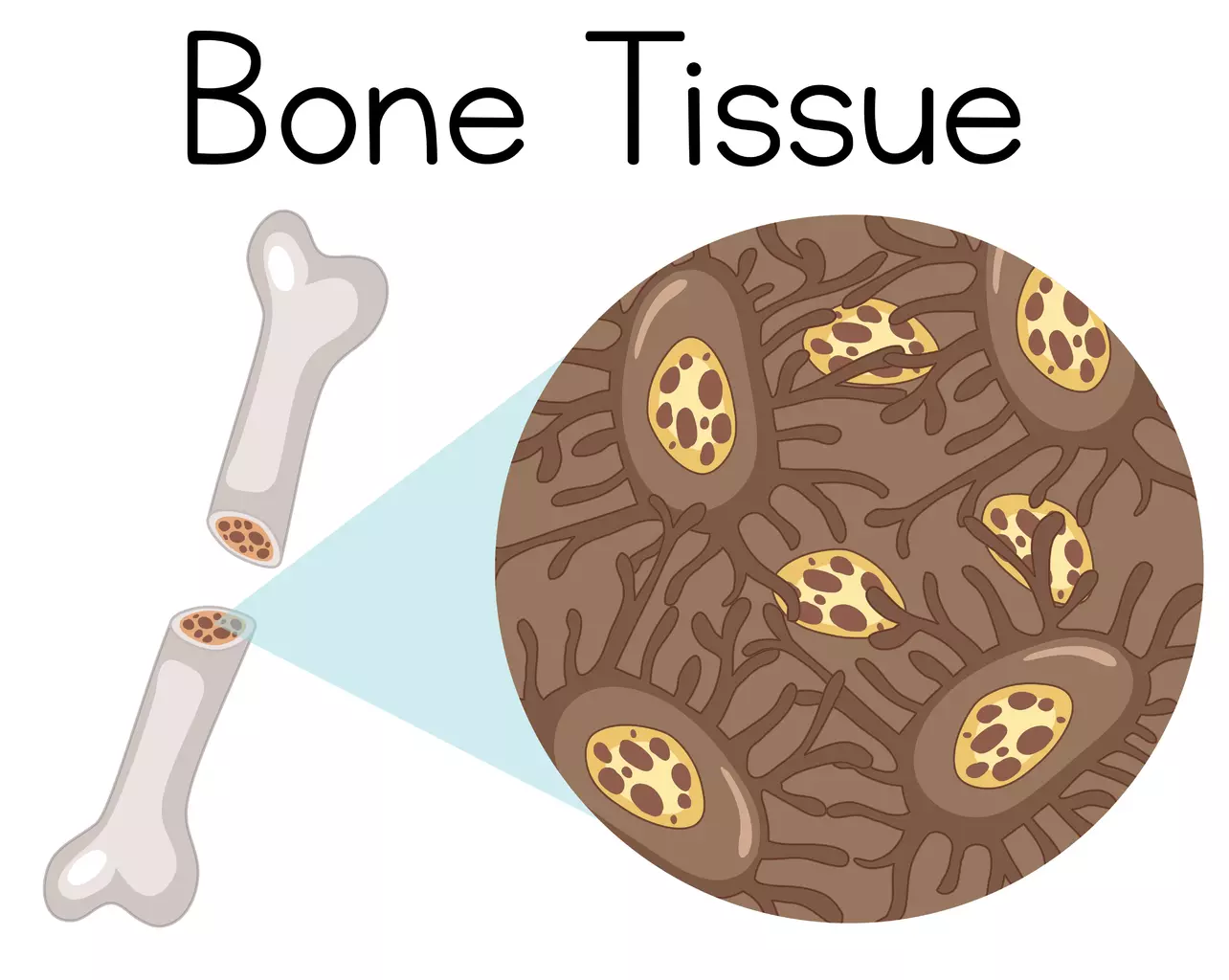
At Liv Hospital, we know how vital bone marrow is for our health. It’s a soft, spongy tissue inside many bones in our body. It’s key in making blood cells, which keeps us healthy.
We believe it’s important to know what bone marrow does to understand its role in our health. A bone marrow diagram shows where it is in bones. It highlights red and yellow marrow, each with its own job.
Key Takeaways
- Bone marrow is key for making blood cells.
- It’s a soft, spongy tissue in many bones.
- Knowing how bone marrow works is key for health.
- Red and yellow marrow have different roles in the body.
- Liv Hospital offers top care and explains bone marrow’s role.
The Fundamental Nature of Bone Marrow

Bone marrow is a soft, spongy tissue inside our bones. It’s vital for many bodily functions. Let’s dive into what bone marrow is and why it matters in our bodies.
Definition and Basic Composition
Bone marrow is the soft, spongy tissue inside our bones. It’s a complex organ full of blood vessels and different cell types. These include stem cells, which are key for making blood cells.
The bone marrow has a network of blood vessels, nerves, and a matrix. This matrix supports the growth of blood cells.
In the human body, bone marrow has two main types: red and yellow. Red marrow makes blood cells, a process called hematopoiesis. Yellow marrow is mostly fat and acts as an energy reserve.
The Soft, Spongy Tissue Within Bones
The soft, spongy nature of bone marrow helps it efficiently produce blood cells and store fat. Its unique structure, with a latticework of trabeculae, supports it while keeping it light. This structure also helps with nutrient and waste exchange.
Understanding bone marrow is key to seeing its role in our health. By knowing its makeup and how it works, we can appreciate its importance in our bodies.
Types of Bone Marrow: Red vs. Yellow
Bone marrow comes in two main types: red and yellow. Each type has its own role in keeping our bodies healthy.
Red Marrow: The Blood Cell Factory
Red marrow makes blood cells, a process called hematopoiesis. Here, hematopoietic stem cells turn into different blood cells. This includes red blood cells, white blood cells, and platelets.
Red marrow is full of blood vessels and reticular tissue. This tissue helps blood cells grow. It’s key for delivering oxygen, fighting infections, and stopping bleeding.
Yellow Marrow: Fat Storage and Emergency Functions
Yellow marrow is mostly fat cells. It doesn’t make blood cells normally. But, it can turn into red marrow if the body needs more blood cells.
This is important in emergencies or when red marrow fails. Yellow marrow acts as a backup for blood cell production.
| Characteristics | Red Marrow | Yellow Marrow |
|---|---|---|
| Primary Function | Blood Cell Production | Fat Storage |
| Cell Composition | Hematopoietic Stem Cells, Blood Vessels, Reticular Tissue | Adipose Tissue |
| Role in Emergency | Continuous Production | Convertible to Red Marrow in Emergency |
In short, both red and yellow marrow are vital for our health. Red marrow makes blood cells, and yellow marrow stores fat. Yellow marrow can turn into red marrow when needed.
Anatomical Location: Where Is Bone Marrow Found?
Bone marrow’s location in the human skeleton is quite interesting. It’s not spread out randomly. Instead, it’s placed in specific bones to work best.
Primary Locations in the Adult Human Body
In adults, bone marrow is mainly in the medullary cavities of certain bones. These cavities are the bone’s innermost, hollow parts. The bones with marrow include:
- The hip bones (pelvis)
- The sternum (breastbone)
- The vertebrae (spine bones)
- The femur (thigh bone)
- The ribs
These spots are chosen because they fit the marrow’s needs. It helps with blood cell making and fat storage.
Changes in Bone Marrow Distribution Throughout Life
As we age, bone marrow’s place changes. In babies and young kids, red marrow is in most bones. It makes blood cells.
But, as we get older, some of this red marrow turns into yellow marrow. Yellow marrow stores fat. This change is part of growing up.
By adulthood, the mix of red and yellow marrow settles down. Red marrow is mostly in the pelvis, spine, and sternum.
Comprehensive Bone Marrow Diagram and Structure
It’s important to know how bone marrow works for our health. Bone marrow is more than just tissue; it’s a key organ in our body.
Looking at a bone marrow diagram helps us see its structure. These diagrams show where bone marrow is in bones. They highlight red and yellow marrow, each with its own job.
Bone Marrow Labeled: Identifying Key Components
A bone marrow labeled diagram shows its parts. You’ll see vascular sinuses, hematopoietic cells, and fat cells. Vascular sinuses help blood cells move around. Hematopoietic cells make new blood cells.
| Component | Function |
|---|---|
| Vascular Sinuses | Circulation of blood cells |
| Hematopoietic Cells | Production of blood cells |
| Fat Cells | Storage of fat |
Microscopic Architecture of Marrow Tissue
The microscopic architecture of bone marrow is detailed and organized. It has a network of reticular cells and fibers. This framework helps hematopoietic cells grow and mature.
“The bone marrow is a dynamic organ that is essential for the production of blood cells and the maintenance of the immune system.”
Knowing about bone marrow’s microscopic structure is key. It shows how it helps make blood cells and supports our immune system.
The Hematopoietic Function: Blood Cell Production
The bone marrow is at the center of our body’s blood cell production. It turns stem cells into different blood cell types. This process is key to our health, providing blood cells for oxygen transport, immune defense, and clotting.
Stem Cells and Their Differentiation Pathways
Bone marrow has stem cells, which can become different cell types. These cells go through hematopoiesis, turning into myeloid and lymphoid lineages. The myeloid lineage makes red blood cells, platelets, and some white blood cells. The lymphoid lineage creates lymphocytes, vital for fighting off infections.
Many growth factors and cytokines control these stem cell paths. For example, erythropoietin helps make red blood cells, and thrombopoietin aids in platelet formation. Knowing these details helps us understand how bone marrow keeps us healthy.
The Process of Blood Cell Formation
Blood cell formation, or hematopoiesis, happens in the bone marrow. It starts with stem cell growth, then they become progenitor cells. These cells are set to become specific blood cell types.
Red blood cells lose their nucleus and get hemoglobin, key for oxygen transport. White blood cells, like neutrophils and lymphocytes, fight infections. Platelets form from megakaryocytes, large cells in the marrow.
Mature blood cells enter the bloodstream to do their jobs. This ongoing process keeps our blood cell count right. It ensures our tissues and organs get the oxygen and nutrients they need.
In short, bone marrow’s role in blood cell production is vital. It turns stem cells into red, white blood cells, and platelets. These cells help our body function, showing the close link between bone marrow and our circulatory system.
Bone Marrow in the Bloodstream: The Vital Connection
Bone marrow works closely with the circulatory system, affecting our health. The bond between bone marrow and the bloodstream is key. It helps keep blood cells healthy and supports our body’s functions.
How Marrow Cells Enter Circulation
Marrow cells move into the bloodstream through a detailed process. Stem cells and other cells leave the marrow and become different blood cells. This is vital for our immune system and blood cell renewal.
Special adhesion molecules and chemokines help guide these cells. They move through the bone marrow’s walls into the blood. Once in the blood, they carry out their roles in the body.
The Blood-Bone Marrow Barrier
The blood-bone marrow barrier is important for cell and substance exchange. It’s made of special cells and structures. These control what moves between the marrow and blood.
- The barrier lets mature blood cells into the blood but keeps immature ones out.
- It also manages the flow of nutrients, waste, and signals between the marrow and blood.
- Problems with this barrier can lead to blood disorders.
Knowing how the blood-bone marrow barrier works is key. It helps in finding treatments for bone marrow and blood cell issues.
The Immune Function of Bone Marrow
Bone marrow is key to our immune system. It makes white blood cells, which fight infections and diseases.
These cells are vital for our health. Bone marrow turns stem cells into different white blood cells. This includes neutrophils, lymphocytes, and monocytes.
Production of White Blood Cells
Making white blood cells starts with hematopoietic stem cells in the bone marrow. These stem cells can become any blood cell, including white blood cells.
“The bone marrow is a vital organ that produces blood cells, including white blood cells that are essential for our immune system.”
Bone Marrow’s Role in Adaptive Immunity
Bone marrow is important for our adaptive immunity. It makes lymphocytes, a key white blood cell. Lymphocytes, like B cells and T cells, help fight specific infections.
| Type of White Blood Cell | Function |
|---|---|
| Neutrophils | Primarily involved in the initial response to infections |
| Lymphocytes (B cells and T cells) | Crucial for specific immune responses, including antibody production and cell-mediated immunity |
| Monocytes | Mature into macrophages, which engulf and digest cellular debris and pathogens |
As shown in the table, different white blood cells have unique roles. The bone marrow’s job is to make these cells for a strong immune response.
What Is the Purpose of Bone Marrow Beyond Blood Production?
Bone marrow does more than just make blood. It also helps with metabolism and keeps our bones healthy. This shows how important bone marrow is for our health.
Metabolic Functions of Bone Marrow
Bone marrow is key in our body’s metabolic processes. It helps control how we use energy and nutrients. The metabolic functions of bone marrow are vital for keeping our body balanced.
“The bone marrow is not just a site for blood cell production; it’s also a key player in the body’s metabolic regulation,” as highlighted by recent studies in the field of metabolic research. This shows how important bone marrow is for our health and preventing diseases.
Bone Health and Maintenance
Bone marrow also plays a big role in keeping our bones strong. It helps with bone remodeling and density. The interaction between bone marrow cells and bone tissue is a complex process involving many cell types and signals.
Our bone marrow health is closely tied to our bones. Problems with bone marrow can affect bone density and overall bone health. So, keeping our bone marrow healthy is key to avoiding bone diseases like osteoporosis.
- Bone marrow influences bone remodeling.
- It plays a role in maintaining bone density.
- The health of bone marrow is linked to overall skeletal health.
Understanding bone marrow’s many roles helps us see its importance in our health. This knowledge can guide us in keeping our bone marrow, bones, and metabolism healthy.
Bone Marrow Disorders and Diseases
Disorders in the bone marrow can greatly affect our health. This vital organ makes blood cells like red and white blood cells, and platelets. When it doesn’t work right, it can cause many health problems.
New imaging methods help us see the bone marrow better. This has helped us understand and treat bone marrow disorders more effectively.
Malignant Conditions Affecting Bone Marrow
Cancers like leukemia can harm blood cell production. Leukemia starts in the bone marrow and makes bad white blood cells. These bad cells take over, causing problems.
Multiple myeloma and lymphoma also affect the bone marrow. Multiple myeloma makes too many plasma cells. Lymphoma can spread to the bone marrow later on.
Non-Malignant Bone Marrow Disorders
Non-cancerous bone marrow disorders can also harm health. Aplastic anemia happens when the bone marrow can’t make enough blood cells. This can be caused by toxins, infections, or autoimmune diseases.
Myelodysplastic syndromes make it hard for the bone marrow to make healthy blood cells. These syndromes can lead to leukemia.
It’s important to know about the causes, symptoms, and treatments for bone marrow disorders. With new diagnostic tools and therapies, we can better manage these complex conditions.
Diagnostic Imaging of Bone Marrow in the Body
Today, we can see bone marrow in great detail thanks to new imaging tech. This has made it easier to spot and treat bone marrow problems.
Modern Techniques for Visualizing Bone Marrow
Many new ways to see bone marrow have been created. Each has its own strengths and uses. Here are a few:
- Magnetic Resonance Imaging (MRI): MRI is great for checking bone marrow and finding issues like infiltration.
- Computed Tomography (CT): CT scans show bone details and help spot changes in marrow density.
- Positron Emission Tomography (PET): PET scans show how active bone marrow is, helping find cancer.
- Bone Marrow Biopsy: Not an imaging method, but a key test for looking at bone marrow cells directly.
Clinical Applications of Bone Marrow Imaging
Bone marrow imaging helps in many ways, from finding blood disorders to checking how treatments work. Here are some main uses:
| Clinical Application | Imaging Technique | Benefit |
|---|---|---|
| Diagnosis of Hematological Disorders | MRI, PET | Accurate detection of marrow infiltration or replacement |
| Monitoring Treatment Response | PET, CT | Assessment of changes in metabolic activity and bone density |
| Detection of Bone Metastases | MRI, PET | Early identification of metastatic disease in bone marrow |
These imaging methods greatly improve patient care. They give vital info for diagnosis, treatment plans, and follow-ups.
Therapeutic Applications: Bone Marrow Transplantation
Bone marrow transplantation offers new hope to patients worldwide. It is a key treatment for life-threatening diseases like cancer and blood disorders. Liv Hospital is committed to providing top-notch healthcare with innovative treatments like bone marrow transplantation.
Types of Bone Marrow Transplants
Bone marrow transplants are divided into types based on the donor and procedure. The main types are:
- Autologous Transplant: This uses the patient’s own bone marrow. It is harvested, stored, and then reinfused after chemotherapy.
- Allogeneic Transplant: This involves bone marrow from another person, often a sibling or unrelated donor. The marrow is matched to the patient to reduce graft-versus-host disease risk.
- Syngeneic Transplant: This rare type uses a twin donor, providing a perfect genetic match.
The Transplantation Process and Recovery
The process starts with conditioning, where the patient gets chemotherapy and/or radiation to clear the diseased marrow. Then, the patient receives the bone marrow transplant through an intravenous infusion. This process is similar to a blood transfusion.
After the transplant, recovery varies based on the transplant type and the patient’s health. Patients need close monitoring for complications like graft-versus-host disease in allogeneic transplants. Supportive care, including infection prevention and managing side effects, is key during recovery.
| Transplant Type | Donor Source | Risk of GvHD |
|---|---|---|
| Autologous | Patient’s own marrow | Low |
| Allogeneic | Matched donor | Moderate to High |
| Syngeneic | Identical twin | Low |
Research is always improving bone marrow transplantation. Studies are looking into new ways to prepare for the transplant and care after it. For example, a study in Stem Cell Research shows progress in understanding stem cells in transplantation.
Conclusion: The Essential Role of Bone Marrow in Human Health
Bone marrow is key to our health. It makes blood cells, boosts our immune system, and keeps our bones strong. Knowing how it works is important for our well-being.
We’ve looked at what bone marrow is and does. We’ve seen its types, where it’s found, and its detailed structure. We’ve also talked about how it makes blood and supports our immune system.
Beyond making blood, bone marrow helps with metabolism and bone health. Problems with bone marrow show how vital it is for our health.
Tests and treatments like bone marrow transplants show its importance. By understanding bone marrow, we can see how it keeps us healthy.
What is bone marrow?
Bone marrow is a soft, spongy tissue inside bones. It’s key for making blood cells and keeping us healthy.
What are the two types of bone marrow?
There are two types. Red marrow makes blood cells. Yellow marrow stores fat and helps in emergencies.
Where is bone marrow located in the adult human body?
In adults, it’s mainly in the pelvis, vertebrae, ribs, sternum, and long bone ends like the femur and humerus.
What is the purpose of bone marrow in the body?
It’s vital for making blood cells, storing fat, and boosting the immune system. It does more too.
How does bone marrow produce blood cells?
It makes blood cells from stem cells. These cells turn into red blood cells, white blood cells, and platelets.
What is the role of bone marrow in the immune system?
It’s key for the immune system. It makes white blood cells to fight infections and diseases.
What is bone marrow transplantation?
It’s a procedure where healthy bone marrow cells are given to a patient. This replaces damaged or sick bone marrow.
What are the different types of bone marrow transplants?
There are a few types. Autologous uses the patient’s own marrow. Allogeneic uses a donor’s marrow. Syngeneic uses an identical twin’s marrow.
What is the significance of bone marrow in maintaining bone health?
It helps with bone health. It controls bone cells like osteoclasts and osteoblasts in bone remodeling.
What are some common disorders and diseases that affect bone marrow?
Disorders include leukemia, lymphoma, aplastic anemia, and myelodysplastic syndromes. These affect bone marrow.
How is bone marrow diagnosed and imaged?
It’s diagnosed with a bone marrow biopsy or aspiration. MRI, CT scans, and PET scans are used for imaging.
What is the blood-bone marrow barrier?
It’s a selective barrier. It controls what cells and molecules move between bone marrow and the bloodstream.
How does bone marrow contribute to overall well-being?
It’s vital for health. It makes blood cells, supports the immune system, and regulates bodily functions.
What is bone marrow?
Bone marrow is a soft, spongy tissue inside bones. It’s key for making blood cells and keeping us healthy.
What are the two types of bone marrow?
There are two types. Red marrow makes blood cells. Yellow marrow stores fat and helps in emergencies.
Where is bone marrow located in the adult human body?
In adults, it’s mainly in the pelvis, vertebrae, ribs, sternum, and long bone ends like the femur and humerus.
What is the purpose of bone marrow in the body?
It’s vital for making blood cells, storing fat, and boosting the immune system. It does more too.
How does bone marrow produce blood cells?
It makes blood cells from stem cells. These cells turn into red blood cells, white blood cells, and platelets.
What is the role of bone marrow in the immune system?
It’s key for the immune system. It makes white blood cells to fight infections and diseases.
What is bone marrow transplantation?
It’s a procedure where healthy bone marrow cells are given to a patient. This replaces damaged or sick bone marrow.
What are the different types of bone marrow transplants?
There are a few types. Autologous uses the patient’s own marrow. Allogeneic uses a donor’s marrow. Syngeneic uses an identical twin’s marrow.
What is the significance of bone marrow in maintaining bone health?
It helps with bone health. It controls bone cells like osteoclasts and osteoblasts in bone remodeling.
What are some common disorders and diseases that affect bone marrow?
Disorders include leukemia, lymphoma, aplastic anemia, and myelodysplastic syndromes. These affect bone marrow.
How is bone marrow diagnosed and imaged?
It’s diagnosed with a bone marrow biopsy or aspiration. MRI, CT scans, and PET scans are used for imaging.
What is the blood-bone marrow barrier?
It’s a selective barrier. It controls what cells and molecules move between bone marrow and the bloodstream.
How does bone marrow contribute to overall well-being?
It’s vital for health. It makes blood cells, supports the immune system, and regulates bodily functions.
References
Medical News Today. What to know about bone marrow. https://www.medicalnewstoday.com/articles/285666
Canadian Cancer Society. Blood and Bone Marrow. https://cancer.ca/en/cancer-information/what-is-cancer/blood-and-bone-marrow
National Cancer Institute (NCI). Bone Marrow (Definition). https://www.cancer.gov/publications/dictionaries/cancer-terms/def/bone-marrow