Last Updated on November 25, 2025 by Ugurkan Demir
Coronary artery bypass graft (CABG) surgery is a life-changing procedure for those with coronary artery disease. At Liv Hospital, we know how important this surgery is. It helps restore blood flow to the heart.
CABG surgery creates a detour around blocked or narrowed coronary arteries. It uses a healthy blood vessel from another part of the body. This redirects blood flow, making sure the heart gets the oxygen and nutrients it needs.
Understanding what CABG entails helps patients see its complexity and importance. For those wondering what is CABG, it’s a surgical procedure that improves blood flow to the heart. Our team is dedicated to delivering top-notch healthcare and offering full support for international patients.
Key Takeaways
- CABG is a surgical procedure that restores blood flow to the heart.
- It involves creating a detour around blocked or narrowed coronary arteries.
- A healthy blood vessel is used to redirect blood flow.
- CABG is a life-changing surgery for individuals with coronary artery disease.
- Liv Hospital provides complete support for international patients undergoing CABG.
What Is CABG? Definition and Basic Concepts

The term CABG stands for coronary artery bypass grafting. It’s a key surgery in heart care for years. CABG helps blood flow to the heart by avoiding blocked arteries.
To get CABG, knowing heart anatomy and coronary disease is key. The heart gets blood from coronary arteries. If these get blocked, the heart can suffer, leading to pain or heart attacks.
The Meaning of CABG Abbreviation in Medicine
In medicine, CABG is short for coronary artery bypass grafting. It breaks down into “coronary” for heart arteries, “artery bypass” for detours, and “grafting” for using a graft to make these detours.
Bypass Graft Meaning: Creating New Pathways for Blood
A bypass graft uses a healthy vessel to bypass blocked arteries. This vessel, often from the chest, leg, or arm, ensures the heart gets oxygen.
The surgery includes steps like graft harvesting and heart preparation. The graft is then attached to bypass the blockage. This aims to improve blood flow to the heart, easing pain and reducing heart attack risk.
CABG Surgery Meaning in Simple Terms
In simple terms, CABG surgery meaning is about improving heart health. It’s a detailed procedure aimed at ensuring the heart gets the blood it needs.
Understanding CABG helps patients grasp the heart surgery’s complexity and benefits. It has saved many lives, giving them a second chance at health.
The History and Evolution of Coronary Artery Bypass Grafting

The story of CABG is one of constant growth. It started with simple ideas and has grown into today’s advanced techniques. This growth is thanks to better surgery methods, new technology, and a better understanding of heart disease.
Early Development of Bypass Surgery Techniques
The idea of bypassing blocked heart arteries began in the mid-20th century. The first CABG was done in the 1960s. It was a big step forward in heart surgery.
At first, many doubted CABG. But as it improved and results got better, it became a trusted treatment for heart disease.
Early surgeries used different methods, including cardiopulmonary bypass machines. These machines let surgeons work on a heart that’s not beating. This made the surgery more precise.
Modern Advancements in CABG Procedures
Today, CABG has evolved with new, less invasive methods and better materials. Now, there’s off-pump CABG, minimally invasive direct coronary artery bypass (MIDCAB), and robotic-assisted CABG. These options are designed to meet different patient needs.
These new methods have made recovery faster and outcomes better. Below is a table showing some key improvements in CABG and their benefits.
| Technique | Description | Benefits |
| Off-Pump CABG | Performed on a beating heart without the use of a heart-lung machine | Reduced risk of complications related to CPB, shorter recovery time |
| MIDCAB | Minimally invasive direct coronary artery bypass, involving smaller incisions | Less tissue damage, reduced scarring, quicker recovery |
| Robotic-Assisted CABG | Utilizes robotic systems to enhance precision during the procedure | Improved precision, smaller incisions, less trauma to the patient |
CABG keeps being a key treatment for heart disease. With ongoing research and new technology, CABG will keep getting better. This brings hope to patients all over the world.
When Is CABG Surgery Necessary?
CABG surgery is a key treatment for severe coronary artery disease. It’s recommended when other treatments fail to manage the condition.
Common Indications for Heart Bypass Surgery
Several factors show when CABG surgery is needed. These include:
- Blockages in multiple coronary arteries
- Significant blockage in the left main coronary artery
- Failed angioplasty or stenting procedures
- Presence of diabetes along with multi-vessel coronary artery disease
Choosing CABG involves a detailed look at the patient’s condition. This includes the extent of coronary artery disease and symptoms like angina or shortness of breath.
Diagnostic Tests Used to Determine Need for CABG
To see if CABG is needed, we use several tests. These include:
| Diagnostic Test | Purpose |
| Coronary Angiography | To visualize the coronary arteries and identify blockages |
| Stress Test | To assess the heart’s function under stress |
| Echocardiogram | To evaluate heart function and identify areas of poor blood flow |
These tests help us understand the extent of coronary artery disease. They help decide if CABG surgery is the best choice.
Understanding the signs and using advanced tests helps us make informed decisions. This way, we can determine if CABG surgery is right for each patient.
Types of Coronary Artery Bypass Graft Procedures
CABG surgery comes in many forms, from traditional on-pump methods to newer, less invasive options. This variety lets surgeons pick the best fit for each patient’s needs.
Traditional On-Pump CABG
Traditional on-pump CABG uses a heart-lung machine to keep blood flowing during surgery. This makes it easier to work on a heart that’s not beating.
Benefits: It offers a steady work environment and allows for more grafts.
Considerations: It needs a heart-lung machine, which can carry some risks.
Off-Pump CABG (Beating Heart Surgery)
Off-pump CABG, or beating heart surgery, is done without a heart-lung machine. The surgeon works on a heart that’s beating, which might lower some risks.
Advantages: It could mean fewer complications and a quicker recovery.
Minimally Invasive Direct Coronary Artery Bypass (MIDCAB)
MIDCAB is a less invasive CABG surgery with smaller cuts than open-heart surgery. It can cause less damage and lead to faster healing.
Benefits: It has smaller cuts, less damage, and might be less painful after.
Limitations: It’s not for everyone, mainly those needing more grafts.
Robotic-Assisted CABG
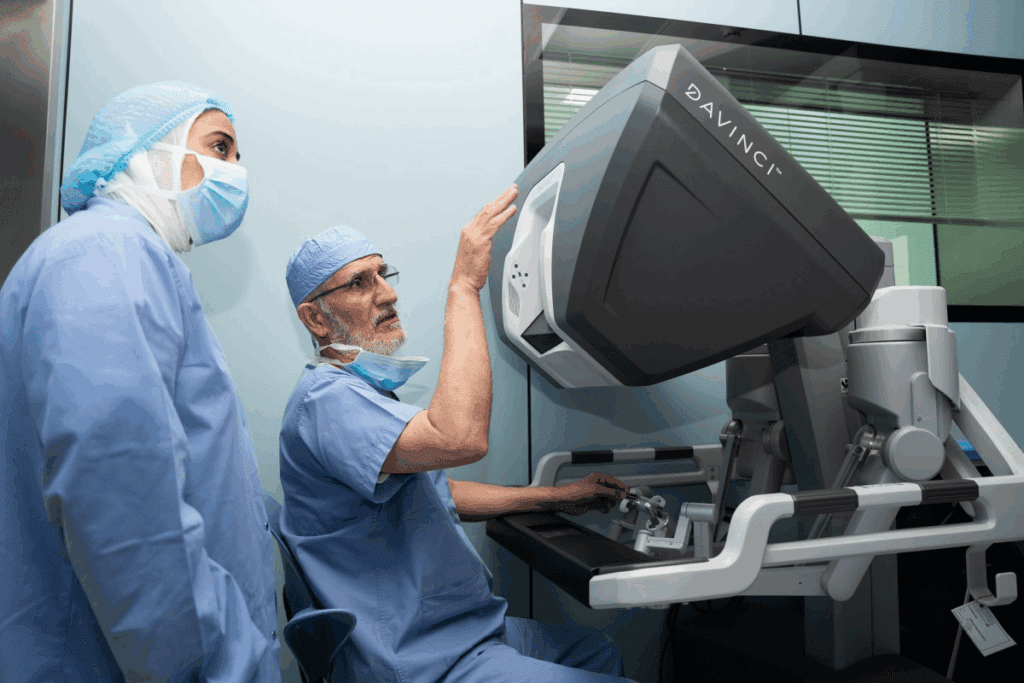
Robotic-assisted CABG uses advanced robots to improve the surgeon’s skills. It allows for more precise and delicate work, fitting into a minimally invasive approach.
Advantages: It offers better precision, might be less invasive, and could shorten recovery time.
Considerations: It needs special training for surgeons and access to robotic systems.
Each CABG procedure has its own use, benefits, and downsides. The right choice depends on the patient’s health, the disease’s extent, and the surgeon’s skills.
Heart Grafts: Sources and Types Used in CABG
Heart grafts are key in coronary artery bypass grafting. They help blood flow by creating new paths. The success of CABG surgery depends on the graft’s type and quality. We’ll look at the sources and types of grafts used in CABG.
Internal Mammary Artery Grafts
The internal mammary artery (IMA) is the top choice for grafting in CABG. The left internal mammary artery (LIMA) is preferred because it lasts long and improves survival. IMA grafts are durable and less prone to blockages, making them great for many patients.
To use the IMA as a graft, it’s carefully taken from the chest wall. This keeps its blood flow strong to the grafted artery. It boosts the success of the surgery.
Saphenous Vein Grafts
The saphenous vein, from the leg, is another common graft source in CABG. Saphenous vein grafts (SVGs) are used when many grafts are needed or when arteries can’t be used. Though they might block more often than arterial grafts, they’re a good option in CABG.
Getting the saphenous vein is done in a way that’s less invasive. This lowers the risk of problems and helps patients recover faster.
Other Vessels Used for Grafting
Other than the internal mammary artery and saphenous vein, CABG might use other vessels. These include the radial artery from the forearm and other veins. The choice of graft depends on the patient’s blood vessels, disease extent, and the surgeon’s choice.
The radial artery is sometimes used because of its length and size. But, its use is thought over because of risks to the hand.
The Procedure for CABG Surgery: Step-by-Step Process
Learning about CABG surgery can help patients know what to expect. The process includes several key steps. Each step is important for the best results.
Anesthesia and Initial Preparation
The first step is giving anesthesia to keep the patient comfortable and pain-free. General anesthesia is used, so the patient will be asleep. An anesthesiologist watches the patient’s vital signs and adjusts the anesthesia as needed.
Is CABG Open Heart Surgery? Accessing the Heart
CABG is open-heart surgery because it opens the chest to reach the heart. The surgeon makes a cut in the chest, usually along the breastbone. This lets them directly access the coronary arteries that need to be bypassed.
Harvesting the Graft Vessels
Before making the bypass, the surgeon takes graft vessels. These come from the leg’s saphenous vein or the chest’s internal mammary artery. The choice of graft depends on the patient’s health and blood vessel condition.
| Graft Source | Common Usage | Advantages |
| Saphenous Vein | Frequently used for CABG | Easily accessible, suitable for multiple grafts |
| Internal Mammary Artery | Preferred for its long-term patency | High long-term success rate, less prone to occlusion |
Creating the Bypass
The main part of CABG is making the bypass grafts. The surgeon connects the graft to the coronary artery, bypassing the blockage. This improves blood flow to the heart muscle, reducing symptoms like angina.
The steps of CABG surgery show its complexity and precision. Understanding these steps helps patients see the care and skill in their treatment.
Preparing for Cabbage Heart Surgery
Getting ready for CABG surgery is a big step. It involves important steps to make sure you do well. We’ll help you understand the need for pre-surgical tests and lifestyle changes for a smooth surgery and recovery.
Pre-Surgical Testing and Evaluation
Before CABG surgery, you’ll need to go through some tests. These tests check your health and heart condition. They help us plan your surgery and spot any risks.
- Cardiac Catheterization: This test shows us the blockages in your heart’s arteries.
- Echocardiogram: It looks at your heart valves and chambers.
- Stress Test: This test sees how your heart works when you’re active.
- Blood Tests: Blood tests check for things like diabetes and high cholesterol.
Lifestyle Adjustments Before Surgery
Changing your lifestyle before CABG surgery can help a lot. We suggest making these changes:
- Quit Smoking: Stopping smoking is key to healing and safety during surgery.
- Healthy Diet: Eating foods like fruits, veggies, and whole grains is good for your heart.
- Exercise Regularly: Doing some exercise, as your doctor says, is good for your heart.
- Manage Stress: Try stress-reducing activities like meditation to deal with surgery stress.
CABG Nursing: Post-Operative Care and Recovery
CABG nursing is more than just in the operating room. It’s key to a patient’s recovery. Good post-operative care is essential for the best results after coronary artery bypass grafting.
Immediate Post-Surgical Care (ICU Phase)
Right after CABG surgery, patients go to the Intensive Care Unit (ICU). CABG nursing here focuses on managing pain, watching vital signs, and avoiding problems. ICU nurses are ready to act fast if the patient’s condition changes.
The ICU can be scary for patients and their families. Our nurses offer emotional support and clear updates. This helps reduce anxiety and keeps everyone informed.
Hospital Recovery Period
When the patient is stable, they move to a regular hospital room. In this hospital recovery period, CABG nursing helps with moving around, pain management, and teaching about post-operative care. Nurses help patients get more active to avoid problems like blood clots and pneumonia.
Our team also teaches about wound care, medication, and warning signs after leaving the hospital. This helps patients and their families take part in the recovery.
Long-Term Recovery and Lifestyle Changes
The long-term recovery starts after the hospital. CABG nursing here focuses on follow-up care and support. We stress the need for a healthy diet, exercise, and quitting smoking for better long-term health.
Patients are encouraged to join cardiac rehabilitation programs. These offer exercise, education on heart health, and stress management. They help patients stick to their treatment plans.
With thorough CABG nursing care, we help patients recover well and live better after surgery.
Potential Risks and Complications of Bypass Grafting Surgery
It’s important for patients to know the risks and complications of CABG before surgery. CABG, like any major surgery, has risks and complications. These can happen in the short and long term.
Short-Term Complications
Short-term complications happen during or right after surgery. These include:
- Bleeding and hemorrhage: Excessive bleeding is a big risk.
- Infection: There’s a chance of infection with CABG.
- Stroke: The risk of stroke is there due to the aorta’s manipulation and heart-lung machine use.
- Heart attack: There’s a risk of heart attack during the surgery, even though CABG aims to improve heart function.
| Complication | Description | Risk Factors |
| Bleeding | Excessive bleeding during or after surgery | Anticoagulant use, surgery complexity |
| Infection | Surgical site or systemic infection | Diabetes, obesity, smoking |
| Stroke | Cerebral vascular accident during or after surgery | Aortic atherosclerosis, age |
Long-Term Risks and Graft Patency Issues
Long-term risks include graft patency issues, where the grafted vessel may block. Lifestyle changes and managing risk factors are also important to prevent further heart disease.
- Graft occlusion: The graft may block over time, needing further intervention.
- Progression of native vessel disease: CABG doesn’t stop the disease in the native vessels.
- Need for repeat revascularization: Some patients may need more procedures.
Knowing these risks helps patients prepare and work with their healthcare providers to reduce these risks.
Alternatives to CABG and When They’re Considered
CABG is a common treatment for heart disease. But, other options like medication and PCI are also available. The right choice depends on the disease’s severity, the patient’s health, and their medical history.
Medication-Based Treatments
For some, medication can be a good alternative to CABG. These treatments help manage symptoms and slow disease growth. They also lower the risk of complications.
- Antiplatelet agents to prevent blood clots
- Beta-blockers to reduce heart rate and blood pressure
- Statins to lower cholesterol levels
- Nitrates to relieve angina symptoms
The American Heart Association says, “Medications can manage symptoms and lower heart attack and stroke risk.”
“Medications are key in treating heart disease. They can greatly improve patient outcomes when used right.”
Percutaneous Coronary Intervention (PCI)
PCI is another option, mainly for less complex heart disease. It uses a balloon to open narrowed arteries and may include a stent.
PCI is preferred for its less invasive nature and quicker recovery. But, the choice between PCI and CABG depends on the patient’s condition and disease complexity.
Comparing Outcomes: CABG vs. Alternatives
When comparing CABG to alternatives, several factors are considered. These include symptom relief, long-term survival, and quality of life. Here’s a summary of some key differences:
| Treatment | Symptom Relief | Long-term Survival | Recovery Time |
| CABG | Effective for complex disease | Proven long-term survival benefits | Several weeks to months |
| PCI | Effective for less complex disease | Good long-term survival with stenting | Shorter recovery time |
| Medication-Based Treatments | Manages symptoms, may not eliminate | Improves survival when used correctly | Ongoing management |
In conclusion, while CABG is effective for heart disease, alternatives like medication and PCI are options for some patients. The right treatment depends on the patient’s needs and should be discussed with a healthcare provider.
Conclusion: Living After CABG Surgery
Having CABG surgery is a big step towards better heart health. Most people feel better after recovering, and some stay symptom-free for years. To keep the heart healthy long-term, it’s important to follow up with care and make lifestyle changes.
Recovering well from CABG means taking medicine, changing your lifestyle, and seeing doctors regularly. Eating right, staying active, and managing stress are key to a healthy heart. These steps help keep your heart in good shape.
Most people see their quality of life improve after CABG. But, it’s vital to keep an eye on your heart health and act fast if symptoms come back.
By focusing on follow-up care and making lifestyle changes, you can get the most out of CABG surgery. This way, you can enjoy better heart health for many years.
FAQ
What does CABG stand for?
CABG stands for Coronary Artery Bypass Grafting. It’s a surgery that helps blood flow to the heart. It does this by making a new path around blocked arteries.
What is a bypass graft?
A bypass graft is a piece of a blood vessel. It’s taken from another part of the body. It’s used to make a new path for blood to flow around blocked arteries.
Is CABG considered open-heart surgery?
Yes, CABG is open-heart surgery. It involves opening the chest to reach the heart. This is usually done by splitting the breastbone.
What are the common indications for CABG surgery?
CABG is often needed for severe heart disease. This includes many blockages or a big blockage in the main artery. It’s also needed for other serious heart issues.
What diagnostic tests are used to determine the need for CABG?
Tests like coronary angiography and stress tests are used. Echocardiograms and cardiac catheterization also help. They show how bad the heart disease is.
What are the different types of CABG procedures?
There are several types of CABG. These include traditional CABG and off-pump CABG. There’s also minimally invasive and robotic-assisted CABG. Each has its own benefits and risks.
What grafts are commonly used in CABG?
The internal mammary artery and saphenous vein grafts are common. Other arteries like the radial artery are also used. They’re chosen based on their size and quality.
How do I prepare for CABG surgery?
Preparing for CABG means getting tested and evaluated before surgery. You should also quit smoking and follow your doctor’s instructions.
What is the recovery process like after CABG?
After CABG, you’ll need care in the ICU and then in the hospital. At home, you’ll need to make lifestyle changes. This helps you recover well.
What are the possible risks and complications of CABG?
CABG can have risks like bleeding and infection. There are also long-term risks like blocked grafts. You might need more surgery later.
Are there alternatives to CABG?
Yes, there are alternatives. These include medicines and PCI. They might be chosen based on your heart disease and other factors.
How does CABG compare to PCI in terms of outcomes?
CABG and PCI have different results. CABG is often better for complex heart disease. It depends on your specific situation.
What lifestyle changes are necessary after CABG?
After CABG, you need to eat well and exercise. Managing stress and taking your medicines are also important. These steps help keep your heart healthy.
References
- Medical News Today. (2022). Arteries: Function, anatomy, and types. https://www.medicalnewstoday.com/articles/arteries