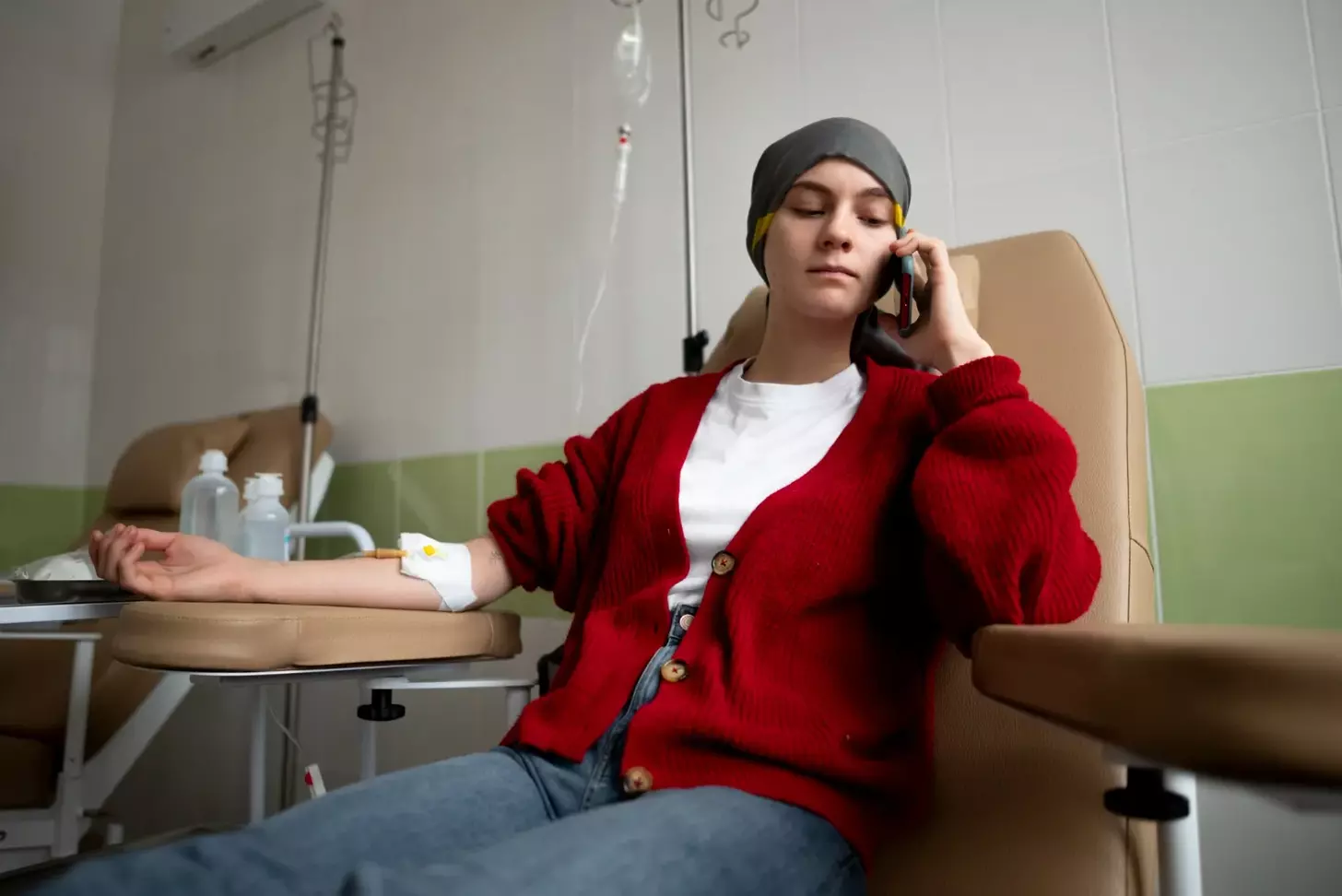
When facing a cancer diagnosis, understanding treatment options is vital. At Liv Hospital, we offer a patient-centered approach to cancer infusion therapy, providing trustworthy guidance and innovative care.
Cancer infusion therapy involves delivering chemotherapy and other medications directly into the bloodstream through a vein, commonly using an IV catheter or port. Recent advancements, such as CRISM Therapeutics Corporation’s ChemoSeed drug delivery platform, have shown promising results in sustained administration of chemotherapy.
We utilize state-of-the-art technology to provide comprehensive care for international patients seeking advanced medical treatments. Our approach ensures targeted and effective treatment, helping patients achieve the best possible outcomes.
Key Takeaways
- Cancer infusion therapy delivers chemotherapy directly into the bloodstream.
- IV catheter or port is commonly used for infusion therapy.
- Recent advancements in drug delivery platforms have improved treatment outcomes.
- Liv Hospital offers a patient-centered approach to cancer infusion therapy.
- State-of-the-art technology is used to provide comprehensive care.
Understanding Cancer Infusion Therapy

The use of infusion therapy in cancer treatment has revolutionized the way we approach various types of cancer, including breast, lung, and colon cancer. Infusion therapy involves the administration of medications directly into the bloodstream through a vein, allowing for a targeted and effective treatment approach.
Definition and Basic Principles
Cancer infusion therapy, also known as intravenous chemotherapy, is a method of delivering cancer-fighting medications directly into the bloodstream. This approach enables the medications to reach cancer cells more effectively throughout the body. The basic principle behind infusion therapy is to maximize the delivery of chemotherapy to the cancer cells while minimizing the impact on healthy cells.
“Infusion therapy has become a cornerstone in the fight against cancer,” says a leading oncologist. “It allows us to target cancer cells more effectively and improve patient outcomes.”
Goals of Infusion Therapy in Cancer Treatment
The primary goals of infusion therapy in cancer treatment are to:
- Deliver high concentrations of chemotherapy directly to the cancer cells
- Minimize side effects by reducing the exposure of healthy cells to chemotherapy
- Improve patient outcomes by enhancing the effectiveness of cancer treatment
Studies have shown that infusion therapy can be effective in treating various types of cancer. By understanding the definition, basic principles, and goals of infusion therapy, patients can better navigate their cancer treatment journey.
The Science Behind Infusion for Cancer Patients
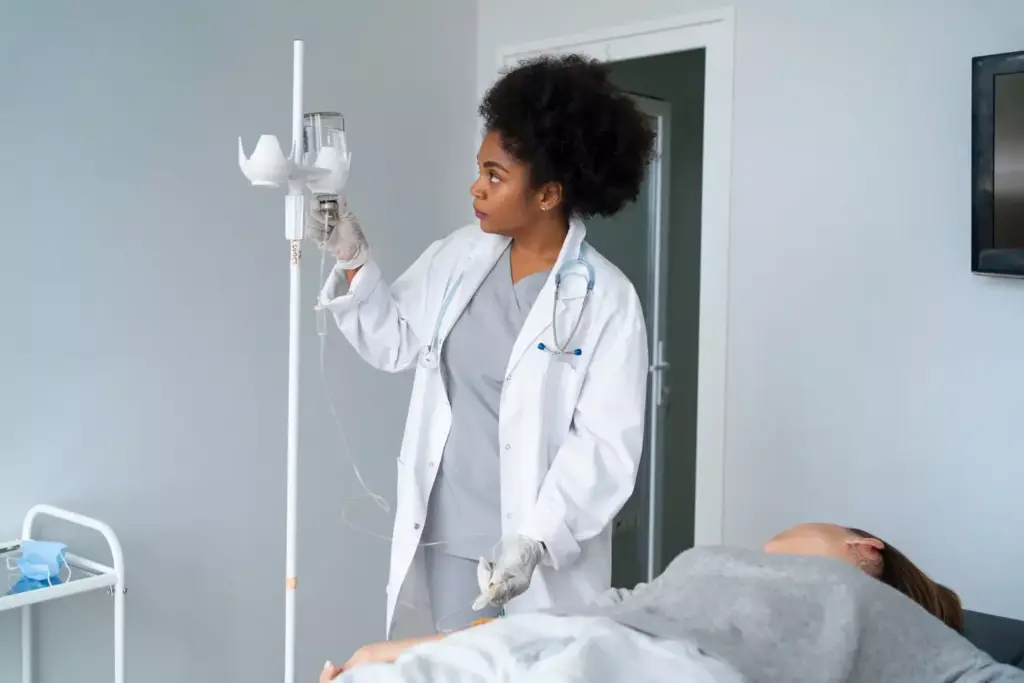
Understanding the science behind infusion therapy is crucial for appreciating its role in cancer treatment. Infusion therapy involves the administration of medications directly into the bloodstream, a method that has proven to be highly effective in treating various types of cancer.
How Medications Enter the Bloodstream
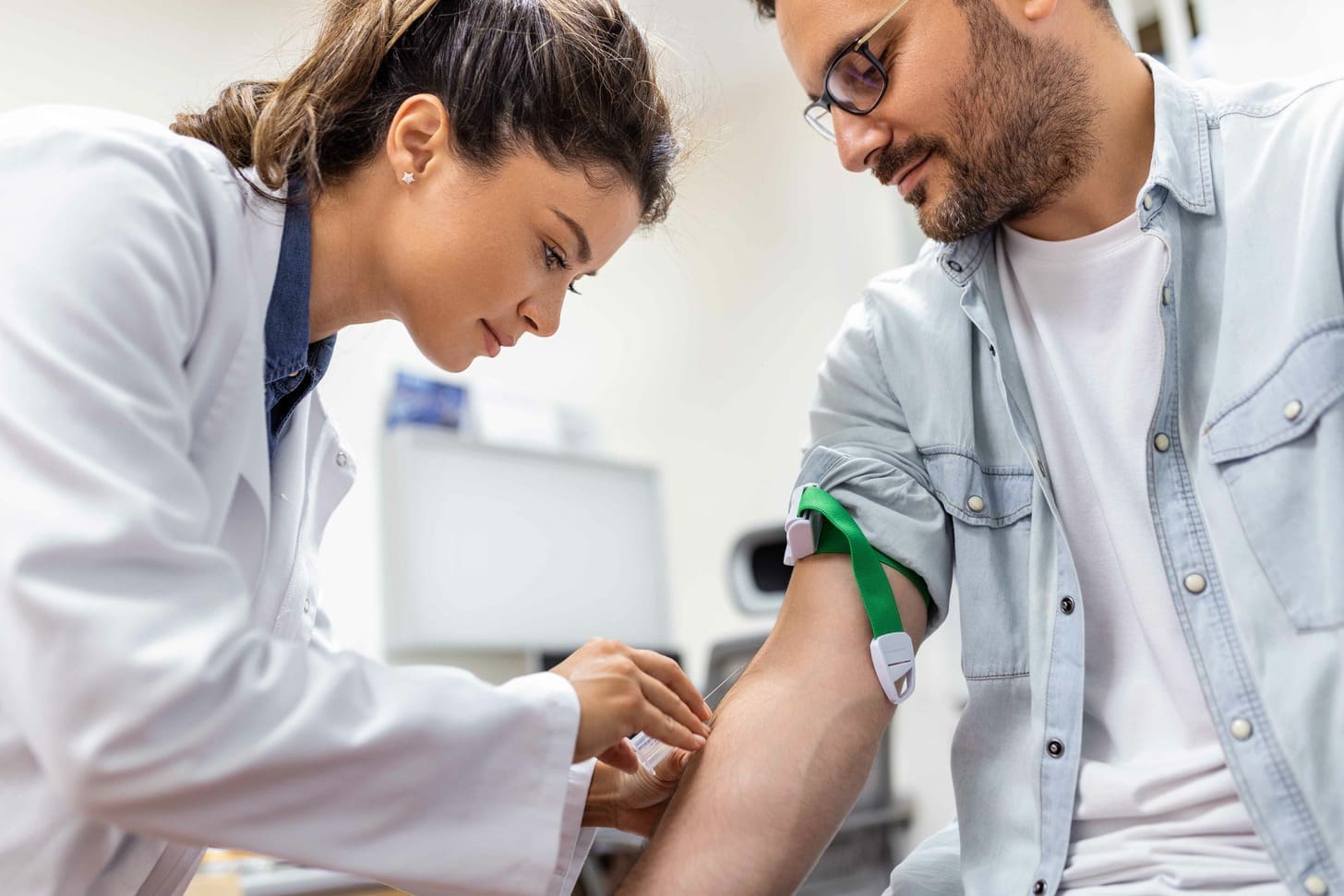
Medications used in infusion therapy for cancer patients are designed to be administered intravenously. This means that the drugs are delivered directly into a vein, typically in the arm, using a sterile needle or catheter. Once in the bloodstream, these medications can travel throughout the body, targeting cancer cells wherever they may be located.
The process begins with the preparation of the chemotherapy drugs, which are carefully mixed and diluted according to the patient’s specific treatment plan. The drugs are then administered using an infusion pump, which controls the rate at which the medication enters the bloodstream. This ensures that the patient receives the correct dose over the prescribed period.
Why Direct Delivery Is Effective
Direct delivery of chemotherapy into the bloodstream is effective for several reasons. Firstly, it allows for higher concentrations of the drug to be in contact with cancer cells, increasing the likelihood of destroying these cells. Secondly, it reduces the risk of medications being degraded or metabolized before they reach their target, as can happen with oral medications.
Research has shown that iv chemo infusion can be more effective than traditional methods, with fewer side effects. This is because the drugs are delivered directly to the cancer cells, minimizing the impact on healthy tissues.
| Benefits of Direct Delivery | Description |
|---|---|
| Higher Drug Concentration | Allows for more effective targeting of cancer cells. |
| Reduced Side Effects | Minimizes the impact on healthy tissues and organs. |
| Increased Effectiveness | Improves the likelihood of destroying cancer cells. |
Targeting Cancer Cells Through the Bloodstream
The bloodstream serves as a highway for chemotherapy drugs, allowing them to reach cancer cells that may have spread to different parts of the body. This is particularly important in the treatment of metastatic cancer, where cancer cells have spread beyond the original site.
By targeting cancer cells through the bloodstream, chemotherapy iv infusion can help to control the growth and spread of cancer, improving patient outcomes and quality of life. The effectiveness of this approach has been demonstrated in various types of cancer, making infusion cancer treatment a cornerstone of modern oncology.
Common Methods of Administering Chemo
Chemotherapy administration has become increasingly sophisticated, offering multiple options for patients undergoing treatment. There are several ways to administer chemotherapy, each with its own benefits and considerations. We will explore the most common methods, including IV chemo infusion, chemo injection, and chemo shots.
IV Chemo Infusion Process
IV chemotherapy infusion is one of the most common methods of administering chemotherapy. This process involves delivering the medication directly into a vein through an intravenous line. The infusion process typically takes place in a chemotherapy infusion hospital, where patients are monitored for any adverse reactions.
The IV chemo infusion process is carefully managed to ensure the safe delivery of the medication. The duration of the infusion can vary depending on the type of chemotherapy and the individual patient’s needs.
Chemo Injection Methods
Chemo injections are another method of administering chemotherapy. These injections can be given intramuscularly (into a muscle) or subcutaneously (under the skin). The choice of injection method depends on the specific chemotherapy medication and the patient’s treatment plan.
Chemo injections are often used for certain types of chemotherapy that can be absorbed effectively through the muscle or fatty tissue. This method can be less invasive than IV infusion and may be more convenient for some patients.
Chemo Shots: When and Why They’re Used
Chemo shots, or injections, are used in specific situations during cancer treatment. They may be used when a patient requires a boost of chemotherapy medication or when oral chemotherapy is not feasible.
The decision to use chemo shots depends on various factors, including the type of cancer, the stage of treatment, and the patient’s overall health. Our medical team carefully evaluates each patient’s needs to determine the most appropriate method of chemotherapy administration.
Comparison of Chemotherapy Administration Methods
| Method | Description | Typical Use |
|---|---|---|
| IV Infusion | Delivery of chemotherapy directly into a vein | Most common method for many chemotherapy regimens |
| Chemo Injection | Intramuscular or subcutaneous injection of chemotherapy | Used for specific chemotherapy medications |
| Chemo Shots | Injections used for specific treatment needs | Used when oral chemotherapy is not feasible or a boost is needed |
Understanding the different methods of chemotherapy administration can help patients feel more informed and prepared for their treatment. Our healthcare team works closely with each patient to determine the most appropriate method based on their individual needs and treatment plan.
Types of Access Devices for Chemotherapy
The administration of chemotherapy often requires the use of specialized access devices, each with its own benefits. These devices are crucial for delivering infusion chemo safely and effectively, making the cancer treatment infusion process as smooth as possible for patients.
Peripheral IV Catheters
Peripheral IV catheters are commonly used for short-term chemotherapy administration. They are inserted into a vein in the arm and are suitable for patients who require chemotherapy for a limited duration. The primary advantage of peripheral IV catheters is their ease of insertion and removal.
Central Venous Catheters
Central venous catheters, also known as central lines, are used for longer-term chemotherapy treatment. They are inserted into a larger vein in the neck or chest, allowing for higher volumes of chemotherapy to be administered. Central venous catheters are often used in a chemotherapy infusion center.
Implanted Ports
Implanted ports are small reservoirs placed under the skin, typically in the chest area. They are connected to a vein and allow for easy access for chemotherapy administration. Implanted ports are less visible than other access devices and can be more comfortable for patients undergoing long-term infusion chemo.
PICC Lines
PICC (Peripherally Inserted Central Catheter) lines are a type of central venous catheter that is inserted into a vein in the arm. They are used for patients who require chemotherapy over an extended period. PICC lines can stay in place for several months, making them a convenient option for cancer treatment infusion.
| Type of Access Device | Duration of Use | Primary Use |
|---|---|---|
| Peripheral IV Catheters | Short-term | Short courses of chemotherapy |
| Central Venous Catheters | Long-term | High-volume chemotherapy, long treatment cycles |
| Implanted Ports | Long-term | Long-term chemotherapy, ease of access |
| PICC Lines | Long-term | Extended chemotherapy treatment |
Choosing the right access device is a critical decision in the cancer treatment infusion process. At our chemotherapy infusion center, our experienced healthcare professionals work closely with patients to determine the most appropriate access device based on their individual needs and treatment plans.
What Happens During a Chemotherapy Infusion Session
Chemotherapy infusion sessions are a critical component of cancer treatment, requiring careful preparation and monitoring. These sessions are designed to deliver chemotherapy directly into the patient’s bloodstream through an intravenous (IV) line.
Pre-Infusion Preparation
Before the chemotherapy infusion begins, our medical team prepares the patient by:
- Reviewing the patient’s medical history and current health status
- Explaining the treatment plan and potential side effects
- Inserting an IV line or accessing an existing port or PICC line
- Administering pre-medications to prevent or minimize side effects
The Step-by-Step Infusion Process
Once preparation is complete, the chemotherapy infusion process begins. Here’s what happens during the infusion:
- The chemotherapy medication is administered through the IV line, usually using an infusion pump to control the rate.
- The patient is monitored for any immediate reactions or side effects.
- The infusion may be accompanied by other supportive medications.
Monitoring During Treatment
During the chemotherapy infusion, our medical team closely monitors the patient’s vital signs and overall condition. This includes:
| Monitoring Aspect | Description |
|---|---|
| Vital Signs | Regular checks of blood pressure, heart rate, and temperature |
| Infusion Site | Observation for signs of irritation or complications |
| Side Effects | Assessment and management of any adverse reactions |
Post-Infusion Protocols
After the chemotherapy infusion is complete, our team follows post-infusion protocols to ensure the patient’s safety and comfort. This includes:
- Flushing the IV line or port to prevent medication residue
- Removing the IV line if not needed for future treatments
- Providing instructions for post-infusion care at home
- Scheduling follow-up appointments as necessary
By understanding what happens during a chemotherapy infusion session, patients can better prepare themselves for the treatment process and know what to expect at each stage.
Inside a Chemotherapy Infusion Center
Step into a chemotherapy infusion center, and you’ll discover a space designed for comfort, care, and cutting-edge cancer treatment. These centers are specifically designed to provide a supportive environment for patients undergoing intravenous infusions, ensuring that they receive the best possible care during their cancer journey.
Facility Setup and Equipment
Chemotherapy infusion centers are equipped with state-of-the-art technology to administer oncology infusions safely and effectively. The facilities are designed to accommodate patients comfortably, with reclining chairs or beds, and amenities to help pass the time during treatment. The equipment used includes infusion pumps, monitors to track patient vital signs, and systems for managing medication.
The layout of these centers is carefully planned to ensure efficient workflow for healthcare professionals while maintaining a calm and soothing atmosphere for patients. This setup allows for the delivery of high-quality cancer care infusion services.
| Equipment | Purpose |
|---|---|
| Infusion Pumps | Control the rate and amount of medication administered |
| Vital Sign Monitors | Track patient heart rate, blood pressure, and other vital signs during treatment |
| Medication Management Systems | Ensure accurate delivery of chemotherapy and other medications |
The Role of Specialized Oncology Nurses
Specialized oncology nurses are the backbone of chemotherapy infusion centers. These highly trained professionals have the expertise to administer complex oncology infusions, monitor patients for any adverse reactions, and provide emotional support throughout the treatment process.
“Nurses are often the first point of contact for patients, and their role extends far beyond administering medication. They are educators, advocates, and sources of comfort for patients and their families.”
Oncology nurses work closely with the healthcare team to develop personalized care plans, ensuring that each patient receives tailored support and treatment. Their specialized knowledge and compassionate care are crucial in making the infusion process as smooth and comfortable as possible.
Patient Comfort and Support Services
Patient comfort is a top priority in chemotherapy infusion centers. To enhance the treatment experience, many centers offer a range of support services and amenities, such as nutritional counseling, psychological support, and entertainment options like Wi-Fi, TVs, and libraries.
- Nutritional counseling to help manage treatment side effects
- Psychological support to cope with the emotional aspects of cancer treatment
- Entertainment options to make the treatment time more enjoyable
By focusing on both the medical and emotional needs of patients, chemotherapy infusion centers provide comprehensive cancer care infusion services that support patients throughout their treatment journey.
Duration and Frequency of Cancer Infusion Treatment
Infusion treatment for cancer can last anywhere from a few minutes to several hours, and the frequency can range from daily to monthly. We understand that this variability can be challenging for patients, so let’s explore the factors that influence treatment duration and frequency.
Typical Infusion Session Timeframes
The length of an infusion session can vary significantly based on the type of chemotherapy or infusion therapy being administered. Some sessions may be as short as 30 minutes, while others can last several hours. For instance, some chemotherapy infusions can take up to 4-6 hours to complete.
To give you a better understanding, here’s a breakdown of typical infusion session timeframes:
| Therapy Type | Typical Session Duration |
|---|---|
| Chemotherapy Infusion | 1-6 hours |
| Targeted Therapy Infusion | 30 minutes – 2 hours |
| Immunotherapy Infusion | 1-4 hours |
Treatment Schedules and Cycles
Cancer infusion treatment is typically administered in cycles, with each cycle consisting of a treatment period followed by a rest period. The frequency and duration of these cycles depend on the specific treatment plan. For example, a patient might receive chemotherapy infusions once every three weeks, with the treatment lasting for several cycles.
We work closely with patients to develop a treatment schedule that meets their individual needs and minimizes disruptions to their daily lives.
Factors Affecting Treatment Duration
Several factors can influence the duration and frequency of cancer infusion treatment, including:
- The type and stage of cancer
- The patient’s overall health and medical history
- The specific treatment plan and medications being used
- How the patient responds to treatment
By carefully considering these factors, we can create a personalized treatment plan that optimizes outcomes and minimizes side effects.
How Treatment Plans Are Personalized
At our institution, we believe in providing personalized care that addresses the unique needs of each patient. To achieve this, we use advanced diagnostic tools and techniques to develop a comprehensive understanding of the patient’s condition.
Our team works closely with patients to develop a treatment plan that takes into account their specific needs, preferences, and lifestyle. This personalized approach enables us to deliver effective and safe treatment that improves patient outcomes.
Beyond Traditional Chemotherapy: Other Infusion Therapies
The landscape of cancer care is changing with the introduction of various infusion therapies. As we continue to advance in the field of oncology, it’s becoming increasingly clear that there’s more to cancer treatment than traditional chemotherapy. We are now witnessing a shift towards more personalized and targeted approaches.
Targeted Therapy Infusions
Targeted therapy infusions represent a significant advancement in cancer treatment. These therapies are designed to target specific characteristics of cancer cells, leaving normal cells intact. This approach can lead to fewer side effects and more effective treatment. For instance, certain targeted therapies can identify and attack cancer cells that have specific proteins or genetic mutations.
One of the key benefits of targeted therapy infusions is their ability to be tailored to the individual patient’s cancer profile. We are seeing promising results in various types of cancer, including some that were previously difficult to treat.
Immunotherapy Infusions
Immunotherapy infusions work by harnessing the power of the patient’s immune system to fight cancer. These treatments stimulate the immune system to recognize and attack cancer cells more effectively. This approach has shown remarkable success in treating certain types of cancer, offering new hope to patients who may not have responded well to traditional treatments.
Immunotherapy infusions can take various forms, including checkpoint inhibitors and CAR-T cell therapy. Each of these approaches works differently to enhance the immune system’s ability to combat cancer. We are continuing to explore the potential of immunotherapy in various cancer types.
Supportive Care Infusions
Supportive care infusions play a crucial role in managing the side effects of cancer treatment and improving patients’ quality of life. These infusions can include medications to prevent nausea, pain management, and other supportive therapies. By addressing these side effects proactively, we can help patients tolerate their cancer treatment more effectively.
Supportive care infusions are often used in conjunction with other cancer treatments. They are an essential component of comprehensive cancer care, ensuring that patients receive the support they need throughout their treatment journey.
Combination Therapy Approaches
Combination therapy approaches involve using multiple types of infusion therapies together to achieve better treatment outcomes. For example, combining targeted therapy with immunotherapy has shown promise in enhancing treatment efficacy. We are also exploring the potential of combining infusion therapies with other treatment modalities, such as radiation therapy.
“The future of cancer treatment lies in personalized, targeted therapies that can be tailored to the individual patient’s needs. We’re making significant strides in this direction with infusion therapies.”
As we move forward in cancer care, it’s clear that infusion therapies will play an increasingly important role. By continuing to advance and combine these treatments, we can offer patients more effective and personalized care.
Managing Side Effects During and After Infusion
Managing side effects is a crucial aspect of infusion therapy for cancer patients. We understand that infusion therapy, while life-saving, can cause a range of side effects that vary from patient to patient.
Common Immediate Reactions
Some patients may experience immediate reactions during or shortly after infusion therapy. These can include:
- Nausea and Vomiting: Anti-nausea medications are often administered to prevent or minimize these symptoms.
- Allergic Reactions: Symptoms can range from mild rashes to severe reactions. Close monitoring during treatment helps in addressing these issues promptly.
- Fatigue: Feeling tired or weak is common, and patients are advised to rest as needed.
Delayed Side Effects
Some side effects may not appear until days or weeks after treatment. These can include:
- Hair Loss: Many chemotherapy drugs cause hair loss, which is usually temporary.
- Increased Risk of Infection: Chemotherapy can lower white blood cell counts, making patients more susceptible to infections.
- Changes in Appetite: Some patients may experience changes in taste or appetite, affecting their nutritional intake.
Supportive Medications and Interventions
To mitigate side effects, various supportive medications and interventions are available. For instance, recent clinical data on new therapies show promise in reducing side effects for patients with specific types of cancer.
Supportive care includes:
- Anti-nausea Medications: To prevent or reduce nausea and vomiting.
- Growth Factors: To stimulate the production of blood cells and reduce the risk of infection.
- Pain Management: Various medications and techniques are used to manage pain effectively.
Self-Care Strategies for Patients
Patients can also take steps to manage side effects through self-care. This includes:
- Staying Hydrated: Drinking plenty of fluids to help flush out chemotherapy drugs.
- Eating Nutritious Foods: Maintaining a balanced diet to support overall health.
- Resting: Getting enough rest to combat fatigue.
By combining supportive care with self-care strategies, patients can better manage the side effects of infusion therapy and improve their quality of life during treatment.
Advancements in Cancer Infusion Technology
Advancements in cancer infusion technology are revolutionizing the way we deliver chemotherapy and other treatments. These innovations are improving patient outcomes, enhancing safety, and increasing the overall quality of care.
Smart Pumps and Precision Delivery Systems
One of the significant advancements in cancer infusion technology is the development of smart pumps and precision delivery systems. These devices allow for more accurate and controlled administration of chemotherapy, reducing the risk of medication errors and improving patient safety. Smart pumps can be programmed to deliver precise amounts of medication at specific intervals, and they can alert healthcare providers if there are any issues during the infusion process.
The use of smart pumps has become increasingly common in cancer treatment centers. They not only enhance the safety of infusion therapy but also provide valuable data that can be used to optimize treatment protocols.
Home Infusion Options
Another important development in cancer infusion technology is the expansion of home infusion options. Many patients can now receive infusion therapy in the comfort of their own homes, reducing the need for hospital visits and improving their overall quality of life. Home infusion services are supported by advanced technology that allows for remote monitoring and communication between patients and healthcare providers.
Home infusion options are particularly beneficial for patients who require long-term or maintenance therapy. They offer greater flexibility and can help reduce healthcare costs by minimizing hospital stays.
Emerging Trends in Administration Methods
The field of cancer infusion technology is continuously evolving, with several emerging trends that promise to further enhance treatment outcomes. One such trend is the development of wearable infusion devices, which allow patients to move freely while receiving treatment. These devices are designed to be portable and user-friendly, making it easier for patients to continue with their daily activities.
Another emerging trend is the integration of artificial intelligence (AI) and machine learning in infusion technology. AI can help personalize treatment plans by analyzing patient data and predicting the most effective infusion protocols. This integration has the potential to significantly improve treatment outcomes and patient care.
Conclusion: Navigating Your Cancer Infusion Treatment Journey
As we conclude our exploration of cancer infusion therapy, it’s clear that navigating treatment requires comprehensive care and support. Throughout this journey, patients undergo various stages, from understanding the basics of infusion therapy to managing side effects and leveraging advancements in cancer care.
We have discussed the different methods of administering chemotherapy, the role of access devices, and the importance of monitoring during treatment. Our team has also highlighted the significance of supportive care and the emerging trends in infusion technology, such as smart pumps and home infusion options.
Navigating cancer infusion treatment can be complex, but with the right guidance and resources, patients can make informed decisions about their care. We encourage patients and their families to work closely with their healthcare providers to develop a personalized treatment plan that addresses their unique needs and circumstances.
By providing world-class healthcare with complete support, we aim to empower patients to navigate their cancer infusion treatment journey with confidence and hope.
What is cancer infusion therapy?
Cancer infusion therapy involves the delivery of chemotherapy and other medications directly into the bloodstream, allowing for targeted and effective treatment.
How is chemotherapy administered?
Chemotherapy can be administered through various methods, including IV chemo infusion, chemo injection, and chemo shots, depending on the individual needs of the patient.
What are the benefits of infusion therapy in cancer treatment?
Infusion therapy allows for targeted and effective care, delivering medications directly to the cancer cells through the bloodstream, reducing the risk of damage to healthy tissues.
What are the different types of access devices used for chemotherapy?
The different types of access devices used for chemotherapy include peripheral IV catheters, central venous catheters, implanted ports, and PICC lines, each with its benefits and uses.
What happens during a chemotherapy infusion session?
During a chemotherapy infusion session, patients undergo pre-infusion preparation, followed by the step-by-step infusion process, monitoring during treatment, and post-infusion protocols to ensure safe and effective treatment.
How long does a typical infusion session last?
The duration of an infusion session can vary depending on the type of treatment and individual patient needs, but our team will provide guidance on what to expect.
What are the common side effects of infusion therapy?
Common side effects of infusion therapy may include immediate reactions and delayed side effects, but our team will provide guidance on managing them through supportive medications and self-care strategies.
Can I receive infusion therapy at home?
Yes, home infusion options are available for some patients, allowing for more flexibility and comfort during treatment, and our team will discuss the suitability of this option for individual patients.
How are treatment plans personalized?
Treatment plans are tailored to meet the individual needs of each patient, taking into account factors such as the type and stage of cancer, overall health, and treatment goals.
What support services are available during cancer infusion treatment?
Our chemotherapy infusion center provides a comfortable and supportive environment, with specialized oncology nurses and various support services available to patients undergoing treatment.
How often will I need to undergo cancer infusion treatment?
The frequency of cancer infusion treatment will depend on the individual treatment plan, with treatment schedules and cycles tailored to meet the specific needs of each patient.
Are there other infusion therapies available beyond traditional chemotherapy?
Yes, other infusion therapies are available, including targeted therapy infusions, immunotherapy infusions, and supportive care infusions, which can be used alone or in combination with chemotherapy.