Last Updated on November 26, 2025 by Bilal Hasdemir

At Liv Hospital, we lead in new cancer treatments. CAR T-cell therapy is a key breakthrough. It changes a patient’s T cells to fight cancer, giving hope to those with hard-to-treat cancers.
CAR T-cell therapy is a new way to fight blood cancers like leukemia and lymphoma. It targets cancer cells directly. This can lead to remission for patients who didn’t respond to other treatments. Studies show it’s effective in treating cancers that didn’t respond to other treatments.
Key Takeaways
- CAR T-cell therapy is a form of immunotherapy that genetically modifies T cells to attack cancer cells.
- It is mainly used for blood cancers like leukemia and lymphoma.
- This therapy offers a targeted approach that can lead to remission in treatment-resistant patients.
- Recent research has shown promising results with CAR T-cell therapies.
- CAR T-cell therapy represents a significant advancement in cancer treatment.
Understanding CAR T-Cell Therapy: A Revolutionary Cancer Treatment

CAR T-cell therapy is a new way to fight cancer by using the immune system. It has shown great promise in treating many cancers, even those that don’t respond to other treatments.
The Emergence of Immunotherapy in Cancer Treatment
Immunotherapy has changed how we treat cancer by using the body’s immune system. Raed M. Al-Rajabi, MD, says adoptive T-cell therapies are being tested for GI cancers and look promising. Immunotherapy is now a key part of cancer treatment, being more targeted and less invasive than old methods.
Immunotherapy has changed how we see and treat cancer. It boosts the body’s natural defenses against cancer. Experts say, “Immunotherapy is not just a treatment; it’s a new way of fighting cancer.”
CAR T-Cell Therapy as a Breakthrough Approach
CAR T-cell therapy is leading the way in immunotherapy. It makes T cells recognize and attack cancer cells better. The CAR T cell is a T lymphocyte that has been genetically modified to find cancer cells.
The process includes collecting T cells, modifying them, and putting them back into the patient. This personalized treatment has shown success in trials, giving hope to cancer patients.
In conclusion, CAR T-cell therapy is a major breakthrough in cancer treatment. It can target cancer cells well and may lead to long-term remission. It’s a key tool in the fight against cancer.
Define CAR T: Breaking Down the Terminology and Acronym
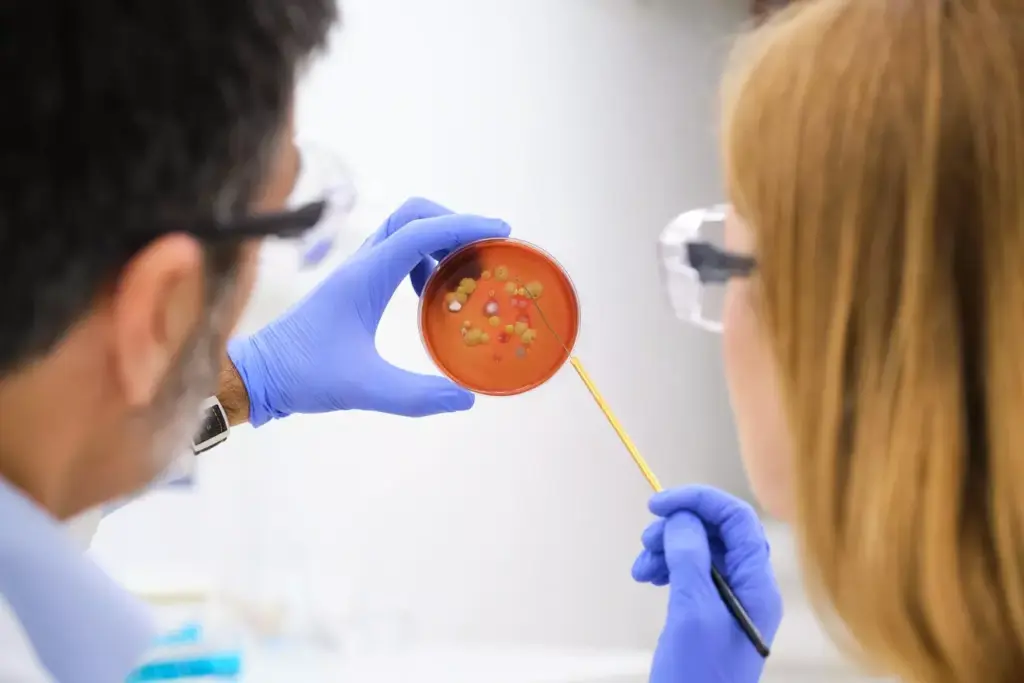
It’s important to know what CAR T-cell therapy is all about. This cancer treatment is a big deal in immunotherapy. So, let’s dive into what the acronym and terms mean.
Chimeric Antigen Receptor: What It Means
The term “Chimeric Antigen Receptor” (CAR) is about a man-made receptor. It’s designed to spot specific cancer cell markers. This tech lets T cells attack cancer cells better.
The word “chimeric” means the receptor is made from different parts. This makes it a key tool in fighting cancer.
Knowing what CAR stands for shows how advanced this therapy is. It’s not just a term; it’s a big leap in cancer treatment.
CAR T-Cell Full Form and Medical Abbreviation
The full name of CAR T-cell is “Chimeric Antigen Receptor T-cell.” It’s T cells that have been changed to find and kill cancer cells. In medical talk, CAR T is often shortened to “CAR T,” known well in immunotherapy.
As immunotherapy grows, knowing CAR T-cell terms is key. It shows the fast progress in cancer treatment and hope for better patient results.
The History and Development of CAR T-Cell Therapy
CAR T-cell therapy is a groundbreaking cancer treatment with a long history. It shows how far medical science and technology have come. From its start to today, it’s a story of progress.
Early Research and Discoveries
The roots of CAR T-cell therapy are in T-cell biology and genetic modification. Early studies focused on T cells and how to make them fight cancer better. The breakthrough came when scientists learned to engineer T cells with CARs.
Today, research keeps improving CAR T-cell therapy. Armored CAR T cells are one example. They’re designed to fight cancer more effectively.
Milestones in CAR T-Cell Therapy Development
The journey of CAR T-cell therapy has hit many milestones. From the first trials to FDA approvals, it’s been a long path. The FDA’s approval of CAR T-cell therapies was a major step. It opened new doors for treating blood cancers.
Now, trials are looking at using CAR T-cell therapy for solid tumors and more. As research goes on, CAR T-cell therapy keeps getting better. We’re seeing new ways to make it more effective and safe.
How CAR T-Cell Therapy Works: The Science Behind It
CAR T-cell therapy changes T cells to fight cancer. It uses the body’s immune system to attack and destroy cancer cells.
T Cells: The Body’s Natural Defense System
T cells are key to our immune system. They can tell self from non-self cells, making them great for fighting cancer. There are several types of T cells, including cytotoxic T cells, helper T cells, and memory T cells, each with its own role in fighting off infections.
Cytotoxic T cells are very important in cancer treatment. They can kill infected cells or start the immune response. In CAR T-cell therapy, these cells are changed to fight cancer better.
Genetic Modification Process: Creating CAR T Cells
To make CAR T cells, several steps are taken:
- T cells are taken from the patient’s blood or bone marrow.
- These T cells are then changed to have a chimeric antigen receptor (CAR) that finds cancer cells.
- The modified T cells are grown in number for the patient’s treatment.
Studies have shown that CAR T-cell therapy can lead to significant responses in patients with certain types of cancer, giving new hope to those with few treatment options.
How CAR T Cells Recognize and Attack Cancer Cells
CAR T cells are made to find specific antigens on cancer cells. When they find these antigens, they kill the cancer cells. This method is precise, reducing harm to healthy cells and side effects.
The CAR gene helps T cells find cancer cells better. It has parts for recognizing antigens, crossing cell membranes, and sending signals. This combination helps CAR T cells target and destroy cancer cells.
“CAR T-cell therapy has revolutionized the treatment of certain hematological malignancies, giving patients a potentially curative option.”
Understanding CAR T-cell therapy shows the complexity and innovation in this treatment. As research grows, we’ll see more uses of CAR T-cell therapy for different cancers.
The CAR Gene: Structure and Function in Immunotherapy
The CAR gene is at the core of CAR T-cell therapy. It boosts the immune system’s fight against cancer. This gene is made to help T cells find and attack cancer cells.
Components of the CAR Gene
The CAR gene has important parts that help T cells fight cancer. These parts include:
- The antigen recognition domain, which finds specific cancer antigens.
- A transmembrane domain that keeps the CAR on the T-cell surface.
- An intracellular signaling domain that starts the T cell’s action when it finds an antigen.
Experts say, “CAR T-cell therapy’s success comes from biotech advances, like GenMab’s DuoBody technology.”
“New technologies like DuoBody are changing immunotherapy. They give hope to patients with hard-to-treat cancers.”
How CAR Genes Enhance T Cell Function
The CAR gene makes T cells better at finding and attacking cancer. It does this by binding to cancer cell antigens. This triggers an immune response that kills the cancer cells.
The ‘CAR’ in medical terms stands for engineered receptors that fight cancer. The CAR gene’s design and function are key to CAR T-cell therapy’s success.
CAR T-cell therapy is showing great promise in treating cancers, like leukemia and lymphoma. As research grows, we’ll see it used more in treating solid tumors and other diseases.
The CAR T-Cell Therapy Process: From Collection to Infusion
The CAR T-cell therapy process is a detailed treatment that needs careful attention. It involves several important steps. Each step is key to treating cancer successfully.
T Cell Collection and Isolation
The first step is collecting T cells from the patient’s blood. This is done through leukapheresis. The blood is filtered to get the T cells. Then, these cells go to a lab for more work.
Genetic Engineering of T Cells
In the lab, the T cells get a special gene called CAR. A viral vector carries the CAR gene into the T cells. This helps them find and attack cancer cells better. Research shows that “bridging radiotherapy before CAR T-cell therapy is safe for patients with relapsed or refractory multiple myeloma” according to research.
Expansion of Modified T Cells
After getting the CAR gene, the T cells grow in number. This can take days to weeks. It’s important to have enough T cells to fight cancer.
Patient Preparation and CAR T-Cell Infusion
Before the T cells are given back to the patient, they might get lymphodepleting chemotherapy. This prepares their body for the therapy. Then, the CAR T cells are infused into the bloodstream. They can then find and attack cancer cells. Doctors are working on ways to make this treatment safer for patients.
Liv Hospital is committed to using the latest in CAR T-cell therapy. Our team makes sure each step is done with great care and precision.
“The development of CAR T-cell therapy has revolutionized the treatment of certain types of cancer, giving new hope to patients who have not responded to other treatments.”
Types of Cancer Treated with CAR T-Cell Therapy
CAR T-cell therapy is a new way to fight cancer. It’s changing how we treat certain cancers, mainly blood cancers.
This therapy works well on some blood cancers. It gives hope to those who didn’t get better with old treatments. It changes a patient’s T cells to find and kill cancer cells.
Blood Cancers: Leukemia and Lymphoma
CAR T-cell therapy is a big win for leukemia and lymphoma. Many patients see their cancer go away completely.
Studies show it’s very effective against:
- Acute Lymphoblastic Leukemia (ALL)
- Diffuse Large B-Cell Lymphoma (DLBCL)
- Other types of non-Hodgkin lymphoma
A study found CAR T-cell therapy works well for ALL that didn’t respond to other treatments.
“The advent of CAR T-cell therapy has revolutionized the treatment landscape for patients with relapsed or refractory B-cell acute lymphoblastic leukemia.”
| Cancer Type | Response Rate | Complete Remission Rate |
|---|---|---|
| Acute Lymphoblastic Leukemia (ALL) | 80-90% | 60-80% |
| Diffuse Large B-Cell Lymphoma (DLBCL) | 50-70% | 40-60% |
Expanding Applications: Solid Tumors and Other Cancers
Researchers are also looking into CAR T-cell therapy for solid tumors and other cancers. They’re testing it in:
- Lung cancer
- Breast cancer
- Glioblastoma
We’re hopeful CAR T-cell therapy will help more cancers soon. This could give patients more treatment options worldwide.
FDA-Approved CAR T-Cell Therapies and Their Targets
CAR T-cell therapy is a new way to treat some blood cancers. The FDA has approved several CAR T-cell therapies. This gives patients more options for treating certain blood cancers.
Currently Approved CAR T-Cell Products
The FDA has approved CAR T-cell therapies for several blood cancers. These include:
- Tisagenlecleucel (Kymriah)
- Axicabtagene ciloleucel (Yescarta)
- Brexucabtagene autoleucel (Tecartus)
- Lisocabtagene maraleucel (Breyanzi)
These therapies have shown great results in clinical trials. They offer hope to patients with cancers that didn’t respond to other treatments.
Target Antigens in Approved Therapies
The approved CAR T-cell therapies target specific antigens on cancer cells. The most common target is CD19, found on B cells. CD19-targeting CAR T-cell therapies have been very effective against B-cell malignancies.
| CAR T-Cell Therapy | Target Antigen | Indications |
|---|---|---|
| Tisagenlecleucel (Kymriah) | CD19 | ALL, DLBCL |
| Axicabtagene ciloleucel (Yescarta) | CD19 | DLBCL, PMBCL |
| Brexucabtagene autoleucel (Tecartus) | CD19 | MCL |
| Lisocabtagene maraleucel (Breyanzi) | CD19 | DLBCL, FL |
Knowing the targets of these therapies is key for their use in treatment. Research is ongoing to find new targets and improve CAR T-cell therapies.
Effectiveness and Success Rates of CAR T-Cell Therapy
CAR T-cell therapy is a new way to fight cancer. It has shown great promise in clinical trials. This therapy is changing how we treat some cancers, giving hope to those who have tried other treatments without success.
Clinical Trial Results and Remission Rates
Many clinical trials have tested CAR T-cell therapy. These trials show it works well for some blood cancers. For example, a study in the New England Journal of Medicine found that 53% of patients with a certain lymphoma went into complete remission after treatment.
“The use of CAR T-cell therapy has revolutionized the treatment of certain hematologic malignancies, giving patients a potentially curative option.”
The success rate depends on the cancer type and the CAR T-cell product used. But, the trend shows most patients respond well to this therapy.
| Cancer Type | CAR T-Cell Product | Complete Remission Rate |
|---|---|---|
| Diffuse Large B-Cell Lymphoma | Axicabtagene Ciloleucel | 53% |
| Acute Lymphoblastic Leukemia | Tisagenlecleucel | 81% |
| Mantle Cell Lymphoma | Brexucabtagene Autoleucel | 54% |
Long-term Outcomes and Survival Data
Long-term data are key to understanding how well CAR T-cell therapy works. Studies show that those who go into complete remission have a good outlook for the future.
A study on axicabtagene ciloleucel found that 51% of patients were alive after two years. This shows that many patients can live long, healthy lives after CAR T-cell therapy.
As we learn more about CAR T-cell therapy, it’s clear it can greatly improve the lives of cancer patients. It offers hope for those with certain types of cancer.
Side Effects and Risks of CAR T-Cell Therapy
CAR T-cell therapy brings hope to cancer patients. But, it’s important to know its side effects. We must understand and lessen these risks as we use this treatment.
Cytokine Release Syndrome (CRS)
Cytokine release syndrome is a serious condition that can happen after CAR T-cell treatment. It’s caused by cytokines rushing into the blood, triggering a big reaction in the body. Symptoms can be mild, like fever and tiredness, or severe, like low blood pressure and organ problems.
Managing CRS is key. We watch patients closely and give them supportive care. We also use treatments to reduce its effects.
Neurological Toxicities
Neurological problems are a big risk with CAR T-cell therapy. These can cause confusion, memory loss, or even seizures. We’re not sure why this happens, but it’s very important for patient care.
Careful patient selection and watching them closely are vital. We also use treatments like corticosteroids to lessen these risks.
Management of CAR T-Cell Therapy Complications
Handling CAR T-cell therapy problems needs a team effort. We treat immediate side effects and also care for patients long-term. A good care plan covers both physical and emotional needs of patients.
Knowing the side effects and risks of CAR T-cell therapy helps us support our patients. Research and experience will help make this treatment safer and more effective.
Future Directions in CAR T-Cell Therapy Research
The field of CAR T-cell therapy is growing fast. Researchers are working hard to make it better and safer. They aim to improve how well it works and who it can help.
Enhancing Efficacy and Reducing Toxicity
One big goal is to make CAR T-cell therapy more effective and less harmful. Scientists are looking at ways to design better CAR T cells. They want to help these cells last longer in the body and fight cancer better.
Optimizing CAR T-cell design means making them better at finding and attacking cancer cells. They’re exploring new targets and ways to improve how the CAR signals.
To lessen side effects, researchers are working on ways to reduce cytokine release syndrome (CRS) and other toxicities. They’re looking at new ways to manage these problems and even adding safety features to CAR T cells.
| Strategy | Description | Potential Benefit |
|---|---|---|
| Optimizing CAR T-cell design | Modifying CAR construct for better antigen recognition | Improved efficacy and reduced off-target effects |
| Managing side effects | Developing strategies to mitigate CRS and neurological toxicities | Reduced toxicity and improved patient safety |
| Combination therapies | Using CAR T-cell therapy in combination with other treatments | Enhanced efficacy and broader therapeutic applications |
Expanding to Solid Tumors and Other Diseases
While CAR T-cell therapy works well for some blood cancers, it’s harder to use it for solid tumors. Researchers are trying to find new targets and ways to get CAR T cells into solid tumors better.
Next-Generation CAR T-Cell Designs
New CAR T-cell therapies aim to fix some of the current issues. They’re adding extra genetic changes to make CAR T cells work even better. This includes making them release cytokines or express checkpoint inhibitors to fight cancer more effectively.
As research keeps moving forward, we’ll see even better CAR T-cell therapies. These next-generation treatments could change how we treat many cancers and possibly other diseases too.
Conclusion: The Promise of CAR T-Cell Therapy in Cancer Treatment
CAR T-cell therapy is a big step forward in fighting cancer. It gives hope to those who had few options before. This method uses the immune system to attack and kill cancer cells.
The future of CAR T-cell therapy is bright. Scientists are working hard to use it for more types of cancer, even solid tumors. This therapy is changing how we treat cancer, leading the way.
As research keeps moving forward, CAR T-cell therapy could do even more for patients. We’re looking forward to seeing it work better and be safer. The promise of CAR T-cell therapy in cancer treatment is huge, and we’re excited to be part of it.
FAQ
What is CAR T-cell therapy?
CAR T-cell therapy is a way to fight cancer. It changes a patient’s T cells to attack cancer cells.
What does CAR T stand for?
CAR T stands for chimeric antigen receptor T-cell. It’s a method to make T cells target cancer cells.
What is the role of T cells in CAR T-cell therapy?
T cells are key to our immune system. They are made to find and kill cancer cells in CAR T-cell therapy.
What types of cancer are treated with CAR T-cell therapy?
CAR T-cell therapy mainly helps with blood cancers like leukemia and lymphoma. It works well for these.
What are the possible side effects of CAR T-cell therapy?
CAR T-cell therapy can cause serious side effects. These include cytokine release syndrome (CRS) and brain problems.
What is cytokine release syndrome (CRS)?
CRS is a serious condition. It happens when CAR T-cell therapy releases too many cytokines.
How is CAR T-cell therapy given?
The therapy involves several steps. First, T cells are collected. Then, they are genetically changed. Next, they are grown and given back to the patient.
What are the benefits of CAR T-cell therapy?
CAR T-cell therapy is a targeted treatment. It can help patients who didn’t respond to other treatments. It gives hope to those with few options.
Are there any FDA-approved CAR T-cell therapies?
Yes, the FDA has approved some CAR T-cell therapies. They are for certain blood cancers.
What is the future of CAR T-cell therapy research?
Research is ongoing to make CAR T-cell therapy better. They aim to improve how long the cells last and reduce side effects. The goal is to use it for solid tumors and other diseases too.
References
-
- National Cancer Institute. CAR T Cells in Cancer Treatment. https://www.cancer.gov/about-cancer/treatment/research/car-t-cells
- American Cancer Society. CAR T‑cell Therapy. https://www.cancer.org/cancer/managing-cancer/treatment-types/immunotherapy/car-t-cell.html
- (Authors). Title. PMC. https://pmc.ncbi.nlm.nih.gov/articles/PMC10835665/