Last Updated on November 18, 2025 by Ugurkan Demir
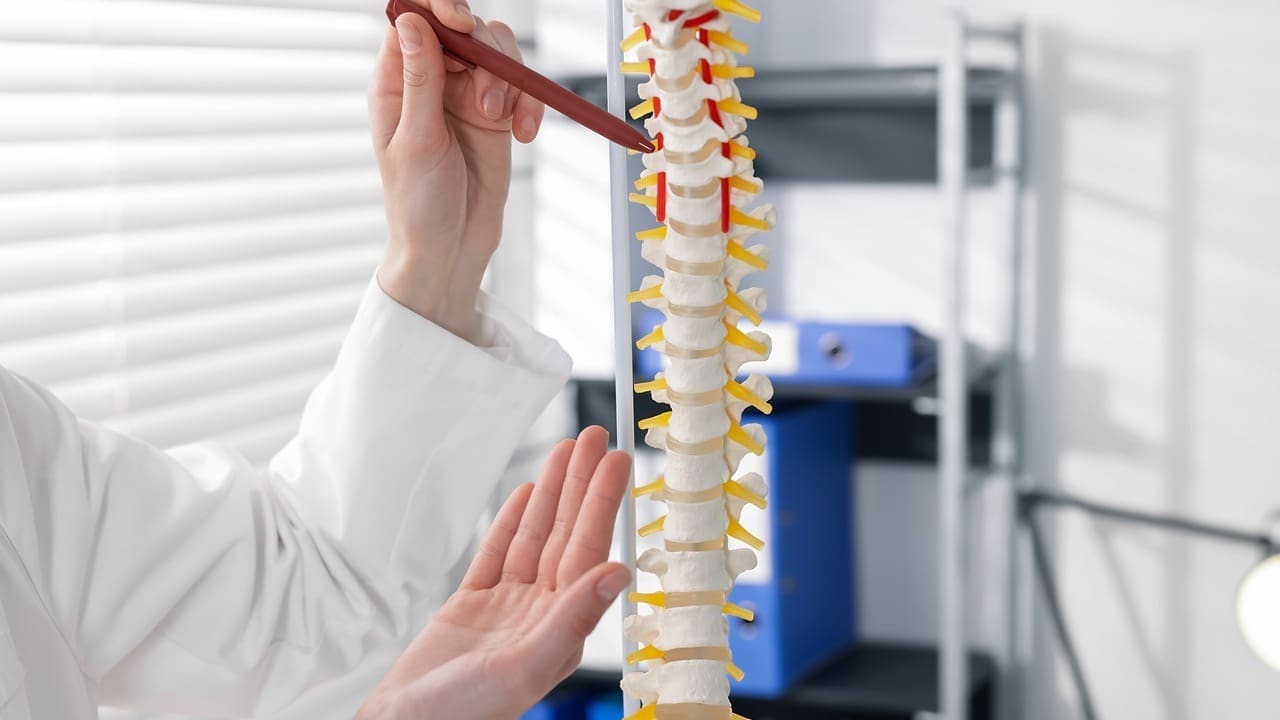
For those dealing with long-term back pain or spinal issues, knowing about spinal fusion is key. At Liv Hospital, we focus on you, blending medical know-how with care. We help guide you through your treatment choices.
Spinal fusion, or spondylosyndesis or spondylodesis, is a surgery. It connects two or more fused vertebrae to stabilize the spine and ease pain. It’s often suggested for issues like degenerative disc disease and scoliosis.
Grasping the aim and perks of disc fusion helps patients make informed decisions. We aim to offer full care and support. This ensures you get top-notch treatment for your unique situation.
Key Takeaways
- Spinal fusion is a surgical procedure that joins two or more vertebrae to stabilize the spine and relieve pain.
- It is used to treat various spinal conditions, including degenerative disc disease and scoliosis.
- The procedure is also known as spondylosyndesis or spondylodesis.
- Understanding spinal fusion is vital for those with chronic back pain or spinal instability.
- Liv Hospital provides patient-centered care, combining medical expertise with empathy.
What Is Disc Fusion: A Comprehensive Overview
Disc fusion, also known as spondylosyndesis or spondylodesis, is a growing topic in spinal treatments. We will dive into what it is and why it’s used.
Terminology: Spinal Fusion, Spondylosyndesis, and Spondylodesis
The terms “spinal fusion,” “spondylosyndesis,” and “spondylodesis” all mean the same thing. They describe a surgery that joins two or more vertebrae together. Spinal fusion is the most common term, focusing on the fusion part. “Spondylosyndesis” and “spondylodesis” are more precise, talking about the fusion of vertebrae.
The Purpose of Fusing Vertebrae
The main goal of fusing vertebrae is to stabilize the spine and ease pain. By joining vertebrae, the surgery aims to stop their motion, which can cause pain. This can help a lot with conditions like degenerative disc disease or spondylolisthesis.
Here’s a table showing what spinal fusion can treat:
| Condition | Description | Treatment Aspect |
|---|---|---|
| Degenerative Disc Disease | A condition where intervertebral discs lose their cushioning ability | Relieves pain by stabilizing the affected segment |
| Spondylolisthesis | A condition where one vertebra slips over another | Stabilizes the spine and prevents further slippage |
| Spinal Fractures | Breaks in one or more vertebrae | Stabilizes the spine and supports healing |
The Anatomy of the Spine and Spinal Discs
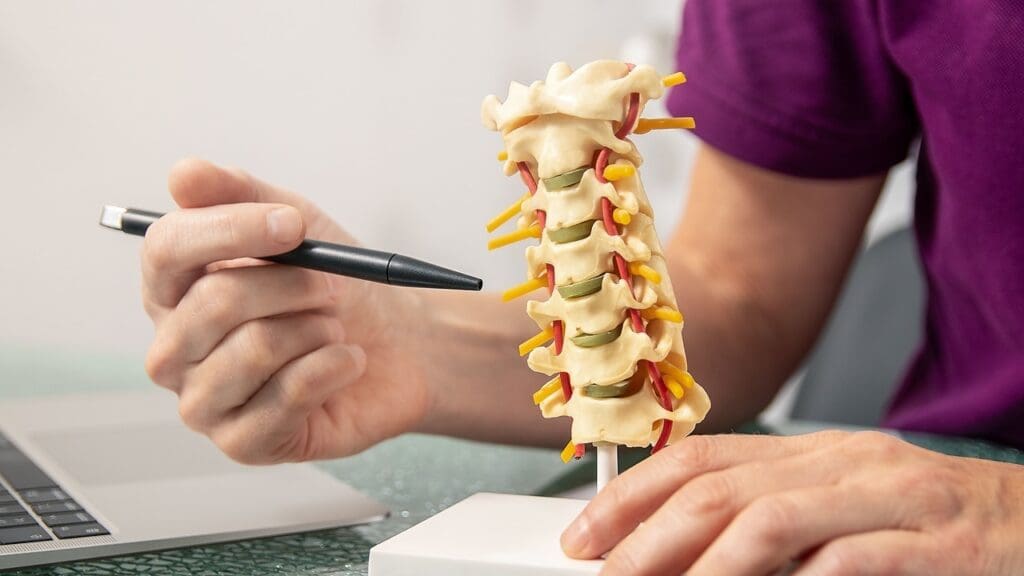
To understand disc fusion, we must first learn about spinal anatomy. The spine, or backbone, is made up of vertebrae and discs. These parts work together to support the body and allow movement.
Vertebrae Structure and Function
The spine has 33 vertebrae, divided into five sections. Each section has a special role. The main job of the vertebrae is to protect the spinal cord and support the body.
Vertebrae help absorb shock and distribute weight. This allows us to bend, twist, and extend. The vertebral bodies bear the weight, while the posterior elements form the arch that protects the spinal canal.
- The vertebral bodies are connected by intervertebral discs.
- The posterior elements provide additional support and protection.
Intervertebral Discs and Their Role
Intervertebral discs are soft cushions between vertebrae. They are key in absorbing shock and keeping the spine flexible. They also help maintain the spine’s natural shape.
Each disc has a soft center called the nucleus pulposus and a tough outer layer called the annulus fibrosus. The nucleus pulposus absorbs shock, while the annulus fibrosus keeps everything in place.
- The nucleus pulposus helps to distribute loads.
- The annulus fibrosus prevents excessive movement.
Knowing about the spine and discs is key to understanding spinal fusion. This knowledge helps us see why spine fusions are important. It shows us how vital proper spinal alignment is.
Common Conditions Requiring Spinal Fusion
Many spinal conditions need a spinal fusion surgery to ease pain and stabilize the spine. We’ll look at the most common conditions that call for this surgery. This will help us see how spinal fusion can improve life quality.
Degenerative Disc Disease
Degenerative disc disease happens when discs between vertebrae lose height and strength. This leads to pain and discomfort. Spinal fusion can stabilize the area, reducing pain.
Spondylolisthesis
Spondylolisthesis is when a vertebra slips forward over another, pressing nerves and causing pain. Spinal fusion treats this by stabilizing the vertebrae. This stops further slippage and eases nerve pressure and pain.
Spinal Fractures
Spinal fractures, often from osteoporosis or injury, can cause vertebrae to collapse and become unstable. Spinal fusion is needed to stabilize the spine. It prevents further deformity and eases pain from the fracture.
Scoliosis
Scoliosis is a spine curvature that can be severe. In bad cases, spinal fusion surgery is needed. It corrects the curve, stabilizes the spine, and improves life quality by reducing pain and aligning the spine.
Recurrent Herniated Discs
For those with recurring herniated discs, spinal fusion is a treatment option. It fuses the vertebrae, preventing further herniation. This reduces pain and stabilizes the spine.
In summary, spinal fusion is a key surgery for many spinal issues. Knowing which conditions it treats helps patients choose the best treatment.
Types of Spinal Fusion Procedures
Spinal fusion surgery uses different techniques for various spinal issues. The choice depends on the patient’s condition and the surgeon’s expertise.
We will look at the main types of spinal fusion procedures for treating spinal disorders.
Anterior Lumbar Interbody Fusion (ALIF)
ALIF surgery goes through the abdomen to fuse vertebrae. It removes damaged discs and adds a bone graft or spacer for fusion.
It’s often for degenerative disc disease and spondylolisthesis. ALIF improves stability and reduces pain.
Posterior Lumbar Interbody Fusion (PLIF)
PLIF surgery goes through the back. It removes damaged discs and adds a bone graft or spacer between vertebrae.
It’s used for conditions like recurrent herniated discs and spinal instability. PLIF directly accesses the spine’s posterior elements.
Transforaminal Lumbar Interbody Fusion (TLIF)
TLIF is a variation of the posterior approach. It uses a smaller incision on one side of the back. TLIF is less invasive than PLIF and inserts a bone graft or spacer through the foramen.
It treats degenerative disc disease and spondylolisthesis. TLIF causes less tissue damage and has faster recovery times.
Lateral Lumbar Interbody Fusion (LLIF)
LLIF surgery goes through the side. It’s used for lumbar spine conditions like degenerative disc disease.
LLIF minimizes tissue disruption. It’s an effective option for lumbar spinal fusion. The table below summarizes the key aspects of different spinal fusion procedures:
| Procedure | Approach | Common Indications | Benefits |
|---|---|---|---|
| ALIF | Anterior (through the abdomen) | Degenerative disc disease, Spondylolisthesis | Improved stability, Reduced pain |
| PLIF | Posterior (through the back) | Recurrent herniated discs, Spinal instability | Direct access to posterior elements |
| TLIF | Posterior (through a smaller incision on one side) | Degenerative disc disease, Spondylolisthesis | Less invasive, Faster recovery |
| LLIF | Lateral (through the side) | Degenerative disc disease | Minimal tissue disruption |
Lumbar Fusion Definition and Procedure
Lumbar fusion is a surgery that fuses vertebrae in the lower spine. It treats conditions like degenerative disc disease and spinal fractures. This procedure is key for those with severe spinal issues.
The goal of lumbar fusion is to stabilize the spine and reduce pain. It improves life quality for those with severe spinal conditions. Bone grafts, from the patient or a donor, help fuse the vertebrae.
Specific Techniques for Lumbar Fusion
There are many lumbar fusion techniques, each with its own benefits. The choice depends on the patient’s condition and the surgeon’s preference. The spine’s anatomy also plays a role.
- Anterior Lumbar Interbody Fusion (ALIF): This method accesses the spine from the front. It removes the damaged disc and inserts a bone graft or cage.
- Posterior Lumbar Interbody Fusion (PLIF): The surgeon accesses the spine from the back. This method removes the disc and inserts a bone graft.
- Transforaminal Lumbar Interbody Fusion (TLIF): A variation of the posterior approach, TLIF uses a more lateral access to the disc space.
- Lateral Lumbar Interbody Fusion (LLIF): This technique involves a lateral (side) approach. It minimizes disruption to surrounding tissues.
| Technique | Approach | Key Benefits |
|---|---|---|
| ALIF | Anterior | Direct access to disc space, effective for certain conditions |
| PLIF | Posterior | Wide exposure, suitable for various spinal conditions |
| TLIF | Posterior-Lateral | Less invasive than traditional posterior approach, preserves more tissue |
| LLIF | Lateral | Minimally disruptive, ideal for certain patient anatomies |
Outcomes of Lumbar Fusion
Lumbar fusion surgery results vary based on the patient’s condition and the technique used. Generally, it leads to less pain, better spinal stability, and a better quality of life.
Patients often see a decrease in pain and better daily activity performance after lumbar fusion. It’s important for patients to have realistic expectations and follow post-operative instructions carefully for the best results.
What Is Bone Fusion: The Biological Process
Bone fusion is key in spinal fusion surgeries. It makes the spine stable by healing it. This process uses bone grafts or artificial materials to grow new bone, joining the vertebrae.
Bone grafts play a big role in bone fusion. Bone grafts help by providing a base for new bone to grow. They can come from the patient, a donor, or be synthetic.
How Bone Grafts Work
Bone grafts promote new bone growth. They act as a bridge, helping the vertebrae to join. There are different types of grafts, including:
- Autografts: Taken from the patient’s own body, usually from the iliac crest or fibula.
- Allografts: Obtained from a donor, often from a bone bank.
- Synthetic grafts: Made from materials like ceramic or bioactive glass.
The type of graft chosen depends on the patient’s health, the fusion location, and the surgeon’s choice.
Timeline for Complete Fusion
The time it takes for fusion to complete varies. It can take from 3 to 12 months. Several things can affect this time, like the patient’s age, health, and any medical conditions.
| Stage | Timeline | Description |
|---|---|---|
| Initial Fusion | 0-3 months | The bone graft starts to integrate in the initial stages of fusion. |
| Early Consolidation | 3-6 months | The fusion starts to solidify, showing early bone growth. |
| Advanced Consolidation | 6-12 months | The fusion continues to strengthen, with significant bone growth. |
Understanding bone fusion is important for spinal fusion surgery patients. Knowing how bone grafts work and the fusion timeline helps prepare for recovery and post-surgery expectations.
Surgical Approaches: Open vs. Minimally Invasive Techniques
Spinal fusion surgery can be done in two ways: open surgery or minimally invasive techniques. Each method has its own benefits and things to consider.
Traditional Open Spinal Fusion
Open spinal fusion is a common method. It involves a big incision to reach the spine. This way, surgeons can see everything clearly and work directly on the vertebrae.
Advantages of Open Spinal Fusion:
- Direct visualization of the surgical site
- Ability to perform complex procedures
- Wide access to the spine
But, open spinal fusion also has some downsides:
- Larger incision, potentially leading to more tissue damage
- Longer recovery time
- Increased risk of infection and complications
Minimally Invasive Spinal Fusion
Minimally invasive spinal fusion uses smaller cuts and special tools. It aims to cause less damage and help patients heal faster.
Benefits of Minimally Invasive Spinal Fusion:
- Smaller incisions, resulting in less tissue damage
- Reduced blood loss
- Faster recovery time
To show the differences, let’s look at a comparison:
| Criteria | Open Spinal Fusion | Minimally Invasive Spinal Fusion |
|---|---|---|
| Incision Size | Larger | Smaller |
| Recovery Time | Longer | Shorter |
| Tissue Damage | More extensive | Less extensive |
The choice between open and minimally invasive spinal fusion depends on many things. These include the patient’s health, the surgery’s complexity, and the surgeon’s skill.
Hardware Used in Spinal Fusion Surgery
Hardware is key in spinal fusion surgery. It helps stabilize the spine, making it less likely to get hurt or wear out. We use different tools to keep the spine stable.
Screws, Rods, and Plates
Screws, rods, and plates are used to stabilize the spine right away. Screws are inserted into the vertebrae to hold the rods or plates in place. These tools keep the spine aligned and help the vertebrae fuse correctly.
“The use of screws and rods has greatly improved spinal fusion surgery results,” say experts. This hardware is made to last and handle the spine’s stresses.
Interbody Cages and Spacers
Interbody cages and spacers keep the disc space right and add support during fusion. These devices are placed between the vertebrae to ensure proper spacing and promote fusion. They’re made from materials like titanium or PEEK, which are safe for the body.
Using interbody cages and spacers is now common in spinal fusion. They help restore the disc’s natural height and support a stable fusion. This improves the chances of a successful fusion and better results for patients.
In summary, the hardware in spinal fusion surgery is vital for success. Understanding the role of screws, rods, plates, interbody cages, and spacers shows how complex and important this surgery is for treating spinal issues.
Success Rates and Statistics
Spinal fusion surgery is becoming more common each year. It’s important to know how well it works. This surgery helps treat many spinal problems and has strong evidence supporting its success.
Clinical Improvement Rates
Research shows that 70% to 90% of patients see big improvements after spinal fusion. This means most people feel a lot better and live better lives. The surgery’s success comes from better techniques, tools, and understanding of the spine.
What makes spinal fusion successful includes:
- Accurate diagnosis and choosing the right patients
- New surgical methods and technology
- Good care and rehab after surgery
Annual Procedures in the United States
In the U.S., hundreds of thousands of spinal fusion surgeries happen every year. This is because many people have spinal issues like degenerative disc disease and fractures. As more people get older, the need for these surgeries will likely keep growing.
Spinal fusion’s high success rates and growing need show its key role in treating spinal problems.
Knowing about spinal fusion’s success helps both patients and doctors make better choices. As technology and surgery skills get better, we’ll see even better results from spinal fusion.
Recovery and Rehabilitation After Spinal Fusion
The journey to recovery after spinal fusion has many stages. It starts with immediate care after surgery and goes on to long-term rehabilitation. Knowing what to expect can help patients prepare and get the best results.
Hospital Stay and Immediate Post-Op Care
After back fusion surgery, patients usually stay in the hospital for a few days. Medical staff manage pain, watch for complications, and start moving patients to prevent blood clots and aid healing.
Immediate post-operative care includes:
- Pain management through medication
- Monitoring for signs of infection or other complications
- Gradual mobilization with the help of healthcare professionals
Physical Therapy and Exercise
After leaving the hospital, patients start a physical therapy program. This program helps regain strength, flexibility, and mobility. It’s key for the spine to heal right and for patients to get back to normal life.
A typical physical therapy regimen may include:
| Phase | Exercises | Goals |
|---|---|---|
| Initial Phase | Gentle stretching, light cardio | Pain reduction, initial mobilization |
| Strengthening Phase | Core strengthening, resistance training | Improved strength, spinal stability |
| Advanced Phase | Functional exercises, aerobic conditioning | Return to normal activities, enhanced endurance |
Long-term Recovery Timeline
Recovery from fused back surgery takes months. Patients can expect the following timeline:
- 0-3 months: Significant improvement in pain and function
- 3-6 months: Continued strengthening and increased mobility
- 6-12 months: Gradual return to full activity level
Following the surgeon’s instructions and attending follow-up appointments is key for a smooth recovery. With proper care and rehabilitation, many patients see big improvements after back fused surgery.
Potential Risks and Alternatives to Spinal Fusion
Spinal fusion is a common treatment for many spinal issues. But, it’s key to know the possible risks. We’ll look at the complications and long-term effects of fused vertebrae. We’ll also talk about other treatment options.
Surgical Complications
Spinal fusion surgery has risks, like any surgery. Possible problems include infection, nerve damage, and bleeding. Sometimes, the bone graft doesn’t fuse right, needing more surgery.
Infection is a big risk, so patients get antibiotics before and after. Nerve damage can cause numbness, weakness, or pain in the legs or arms.
Long-term Issues with Fused Vertebrae
Fusing vertebrae can cause long-term problems. The vertebrae next to the fused ones may wear out faster. We must think about these long-term effects when deciding on spinal fusion.
- Adjacent segment disease: The vertebrae above or below the fused segment may experience increased stress, potentially leading to further degeneration.
- Pseudoarthrosis: In some cases, the bone graft may not fuse properly, leading to persistent pain or instability.
Non-Surgical and Alternative Surgical Options
Not every patient needs or can have spinal fusion. We look at other treatments, like non-surgical options and different surgeries. These might include physical therapy, pain management, or less invasive surgeries.
For some, minimally invasive spinal surgery is a good alternative to traditional fusion. It can help you recover faster and cause less damage. Other options might be artificial disc replacement, which tries to keep the spine moving while fixing the problem.
Conclusion: Making an Informed Decision About Spinal Fusion
Spinal fusion is a big surgery that needs careful thought. It’s important to know the good and bad sides before deciding. This helps in making a smart choice about this treatment.
We’ve looked at the spine’s structure, why some people need this surgery, and the different types of procedures. We also talked about how bones fuse and the tools used in surgery.
Thinking about spinal fusion means looking at the good and bad sides. Knowing what the surgery does helps patients make better choices. It’s wise to talk to a doctor about your situation and options.
For some, spinal fusion can really change their life. We aim to give you all the info you need. This way, you can be part of your treatment plan and make choices that are right for you.
FAQ
What is disc fusion, and how does it relate to spinal fusion and spondylosyndesis?
Disc fusion, also known as spinal fusion or spondylosyndesis, is a surgery. It fuses two or more vertebrae together. This helps stabilize the spine and ease pain.
What is the purpose of fusing vertebrae, and what are the benefits of the procedure?
Fusing vertebrae stabilizes the spine, reduces pain, and improves mobility. It helps with degenerative disc disease, spondylolisthesis, and other spinal issues.
What is the difference between anterior lumbar interbody fusion (ALIF) and posterior lumbar interbody fusion (PLIF)?
ALIF and PLIF are two lumbar fusion methods. ALIF accesses the spine from the front. PLIF accesses it from the back. The choice depends on the condition and patient’s anatomy.
What is bone fusion, and how does it work?
Bone fusion uses bone grafts to fuse vertebrae together. The grafts help grow new bone tissue. This tissue eventually fuses the vertebrae.
What are the different types of hardware used in spinal fusion surgery?
Spinal fusion surgery uses screws, rods, plates, cages, and spacers. These devices stabilize the spine and aid in fusion.
What are the success rates and statistics associated with spinal fusion?
Spinal fusion success rates vary by condition and patient health. Improvement rates are 70-90%. Thousands of procedures are done in the U.S. each year.
What is the recovery and rehabilitation process like after spinal fusion?
Recovery includes a hospital stay and physical therapy. The timeline varies based on individual needs and progress.
What are the possible risks and complications of spinal fusion?
Risks include surgical complications, long-term issues with fused vertebrae, and the need for more surgery.
Are there alternative treatments to spinal fusion, including non-surgical options?
Yes, alternatives include physical therapy, pain management, and other surgical approaches.
How do I make an informed decision about spinal fusion?
Understand the procedure, its benefits, and risks. Discuss with a healthcare professional to find the best treatment for your condition.
What is lumbar fusion definition, and how does it differ from other types of spinal fusion?
Lumbar fusion fuses vertebrae in the lower back. It’s different because it targets lower back conditions.
What is the timeline for complete fusion after spinal fusion surgery?
Fusion completion varies by patient. It usually takes several months.
What is the difference between open and minimally invasive spinal fusion?
Open fusion uses a large incision. Minimally invasive uses smaller incisions and tools. The choice depends on the condition and patient anatomy.
What is spondylolisthesis, and how is it treated with spinal fusion?
Spondylolisthesis is when a vertebra slips onto the one below. Spinal fusion stabilizes the spine and relieves symptoms.
What is degenerative disc disease, and how is it treated with spinal fusion?
Degenerative disc disease is when discs deteriorate. Spinal fusion stabilizes the spine and reduces pain.
References
- Wikipedia : https://www.wikipedia.org/wiki/Spinal_fusion
- MedlinePlus : https://medlineplus.gov/ency/article/002968.htm