Last Updated on October 28, 2025 by
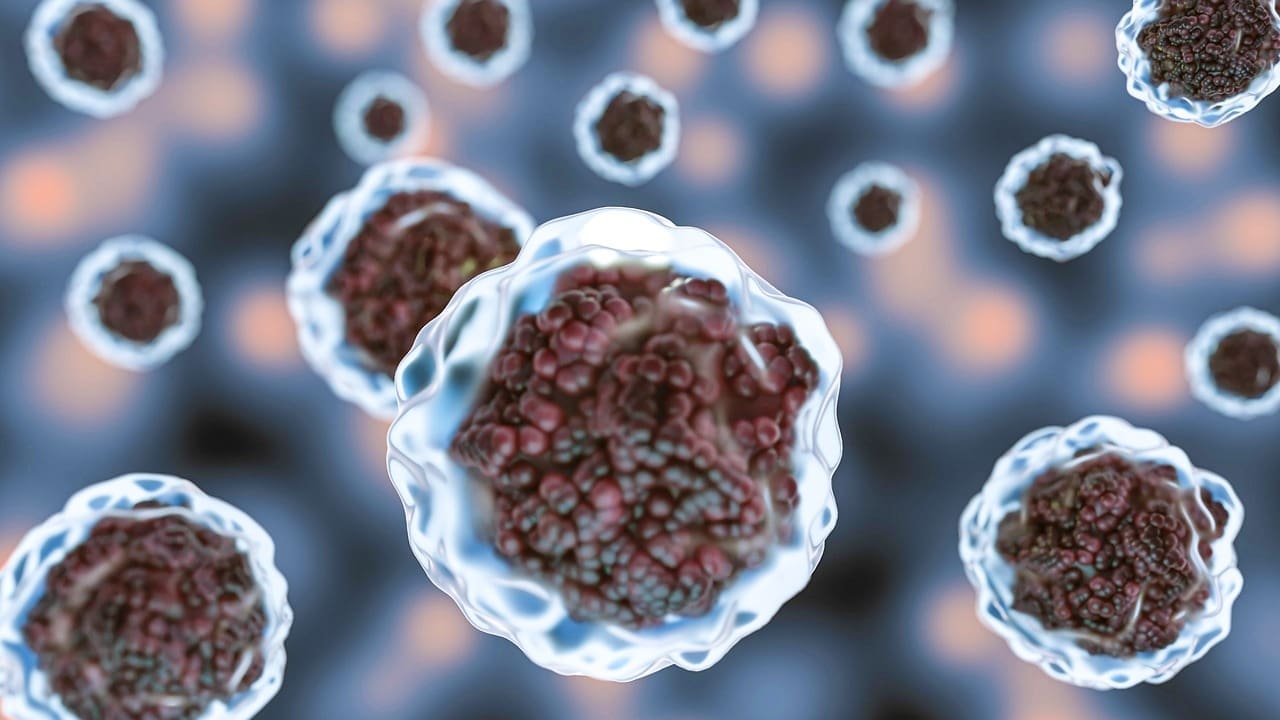
Hematopoiesis is how our bodies make blood cells. This includes red blood cells, white blood cells, and platelets. It comes from two Greek words: “Haîma” for blood and “Poiēsis” for making something.
In adults, hematopoiesis mainly happens in the bone marrow. Here, stem cells turn into different blood cell types. At Liv Hospital, we help manage issues related to hematopoiesis. We offer top-notch care to patients from around the world.
Key Takeaways
- Hematopoiesis is the process of producing blood cells.
- In adults, it mainly occurs in the bone marrow.
- Liv Hospital provides expert care for conditions related to hematopoiesis.
- Understanding hematopoiesis is key for managing related disorders.
- Hematopoiesis involves the differentiation of stem cells into various blood cell types.
The Fundamental Process of Blood Cell Production
Hematopoiesis is how our bodies make blood cells. It’s key to keeping our blood cell count right. This is vital for our health.
Definition and Medical Significance of Hematopoiesis
Hematopoiesis turns hematopoietic stem cells into different blood cells. It’s important for carrying oxygen, fighting off infections, and stopping bleeding. Without it, we could face blood disorders.
Overview of Blood Cell Types and Their Functions
There are three main blood cell types: red blood cells, white blood cells, and platelets. Red blood cells carry oxygen, white blood cells fight infections, and platelets help blood clot.
Knowing about these blood cells and what they do is important. It shows how vital hematopoiesis is. It helps our body stay balanced and meet its needs.
Where Does Hematopoiesis Occur in Adults?
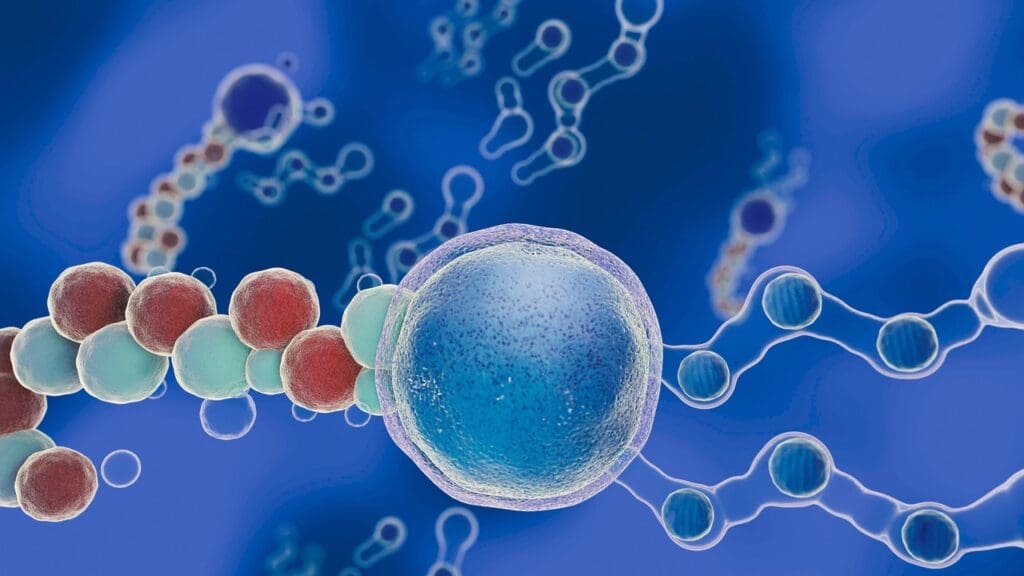
Hematopoiesis, or the making of blood cells, happens in specific places in adults. Knowing where this happens helps us understand how our bodies keep our blood healthy.
Primary Sites of Blood Cell Formation
In adults, hematopoiesis mainly happens in the bone marrow. The bone marrow is a soft tissue inside bones like the pelvis and vertebrae. It makes all blood cells, including red and white blood cells, and platelets.
Differences Between Adult and Fetal Hematopoiesis
Interestingly, where blood cells are made changes as we grow. Before birth, places like the yolk sac, liver, and spleen do this job. As we get older, the bone marrow takes over.
This change shows how blood cell making is complex and controlled. Knowing these differences helps doctors diagnose and treat blood-related problems.
Anatomy and Structure of Bone Marrow
Understanding bone marrow’s anatomy and structure is key to knowing how blood cells are made. Bone marrow is the spongy tissue inside bones where hematopoiesis occurs. It’s a complex organ vital for blood cell production throughout our lives.
Red vs. Yellow Marrow: Functional Differences
Red marrow is in charge of blood cell production. It has a lot of blood vessels and many types of cells. Yellow marrow, on the other hand, is mostly fat and doesn’t help with blood cell making.
Cellular Composition of Hematopoietic Bone Marrow
The cells in hematopoietic bone marrow are diverse and work together. You’ll find hematopoietic stem cells, progenitor cells, and mature blood cells. Keeping these cells in balance is essential for healthy blood cell production.
Key Locations of Hematopoietic Bone Marrow in Adults
In adults, blood cell production mainly happens in certain bones. These bones have the right marrow for making blood cells. They produce red blood cells, white blood cells, and platelets.
Pelvic Bones and Vertebrae
The pelvic bones and vertebrae are key for blood cell production in adults. They have a lot of red marrow, which makes blood cells. The pelvic bones, in particular, can make a lot of blood cells because of their large surface area.
Cranium and Sternum
The cranium and sternum are also important for blood cell production. The cranium, or skull, has a lot of red marrow, mainly in its spongy parts. The sternum, or breastbone, is another key place for making blood cells.
Other Active Sites in Adult Bone Marrow
While the main sites are the pelvis, vertebrae, cranium, and sternum, other bones can also be active.
Knowing where blood cell production happens is key for treating blood disorders. Healthcare professionals use this knowledge to manage blood-related conditions better.
Hematopoietic Stem Cells: The Origin of All Blood Cells
Hematopoietic stem cells (HSCs) are the key cells that make all blood cells in our bodies. They are vital for keeping our blood cell count steady throughout our lives.
Characteristics and Properties of HSCs
HSCs have special traits that help them do their job in making blood cells. They can self-renew, which means they keep making more stem cells. They also can differentiate into different blood cell types. Some important traits of HSCs include:
- Ability to self-renew and differentiate
- Capacity to reconstitute the hematopoietic system
- Expression of specific surface markers
Self-Renewal and Differentiation Capabilities
The self-renewal of HSCs keeps their numbers steady. Their ability to differentiate lets them make all kinds of blood cells. This balance is key for making blood correctly.
Stem Cell Niches in Bone Marrow
HSCs live in special areas in the bone marrow called stem cell niches. These niches help HSCs stay healthy and work right. The bone marrow environment is very important for HSCs to function well.
In short, hematopoietic stem cells are essential for making blood cells. Their ability to renew themselves and differentiate is key. Knowing about HSCs is important for finding new treatments for blood diseases.
The Differentiation Pathway of Blood Cells
The process of blood cell differentiation is key in hematopoiesis. It leads to the creation of mature blood cells. This complex journey is guided by growth factors and cytokines. They help hematopoietic stem cells (HSCs) move towards specific blood cell types.
From Stem Cell to Mature Blood Cell
The path from a hematopoietic stem cell to a mature blood cell has many stages. First, HSCs split into myeloid or lymphoid progenitor cells. Then, these cells become specific types of blood cells.
Myeloid vs. Lymphoid Lineages
The myeloid lineage creates red blood cells, platelets, and some white blood cells like neutrophils and monocytes. On the other hand, the lymphoid lineage makes lymphocytes. This includes T cells, B cells, and natural killer cells.
Regulation of Cell Differentiation
The process of cell differentiation is carefully managed by growth factors and cytokines. These molecules keep the production of blood cells in balance. For instance, erythropoietin helps make red blood cells. Colony-stimulating factors aid in the growth of white blood cells.
Growth Factors and Cytokines That Regulate Hematopoiesis
Hematopoiesis is the process of making blood cells. It’s controlled by growth factors and cytokines. These molecules help make red, white blood cells, and platelets correctly.
Erythropoietin and Red Blood Cell Production
Erythropoietin is key for making red blood cells. The kidneys make it when the body needs more oxygen. It helps red blood cell production in the bone marrow.
Colony-Stimulating Factors and White Blood Cell Development
Colony-stimulating factors (CSFs) are vital for white blood cells. They come in types like G-CSF and M-CSF. These help different white blood cells grow and mature, keeping our immune system strong.
Thrombopoietin and Platelet Formation
Thrombopoietin is important for platelets. The liver and kidneys make it. It helps megakaryocytes in the bone marrow grow and make platelets.
| Growth Factor/Cytokine | Primary Function | Target Cells |
|---|---|---|
| Erythropoietin | Stimulates red blood cell production | Erythroid progenitor cells |
| Colony-Stimulating Factors (CSFs) | Regulates white blood cell development | Various white blood cell lineages |
| Thrombopoietin | Promotes platelet formation | Megakaryocytes |
The Bone Marrow Microenvironment and Hematopoietic Niches
The bone marrow is a complex place where blood cells grow and work. It has many cells, a special matrix, and signals that help blood cells develop. These elements work together to control how blood cells are made.
Cellular Components of the Bone Marrow Niche
The bone marrow is home to many different cells. Osteoblasts, osteoclasts, and stromal cells are among them. They support blood stem cells and help them grow into different blood cells.
Extracellular Matrix and Signaling Molecules
The matrix in the bone marrow gives it structure and holds important signals. For example, studies show that these signals are key for blood stem cells to function right.
Vascular and Neural Regulation
The bone marrow is full of blood vessels. These vessels bring oxygen, nutrients, and signals to blood cells. Also, the bone marrow has nerve cells that help control blood cell growth by sending signals.
Extramedullary Hematopoiesis: Blood Cell Formation Outside the Bone Marrow
When the bone marrow is damaged, blood cells can form in other parts of the body. This is called extramedullary hematopoiesis. It helps keep blood cell levels balanced in some diseases.
Conditions That Trigger Extramedullary Hematopoiesis
Myelofibrosis and severe anemia often lead to this condition. Myelofibrosis makes the bone marrow fibrotic. Severe anemia increases the need for red blood cells.
The Liver and Spleen as Secondary Sites
The liver and spleen can make blood cells when the bone marrow can’t. They do this by reverting to their fetal role. Enlargement of these organs can signal this process.
Clinical Significance and Detection
Knowing about extramedullary hematopoiesis is key for diagnosing blood cell issues. Doctors use imaging and clinical checks to find the cause and extent of this process.
Common Disorders of Hematopoiesis
Hematopoietic disorders affect how blood cells are made. They can cause health problems, from mild to serious. We’ll look at common ones like anemias, leukemias, and thrombocytopenia.
Anemias and Red Blood Cell Disorders
Anemias happen when there aren’t enough red blood cells or hemoglobin. This makes it hard for tissues to get oxygen. Hematopoietic disorders like anemia can come from many things, like not eating right, chronic diseases, or genetic issues.
| Type of Anemia | Cause | Symptoms |
|---|---|---|
| Iron-deficiency anemia | Lack of iron | Fatigue, weakness |
| Vitamin deficiency anemia | Deficiency in vitamin B12 or folate | Fatigue, neurological changes |
Leukemias and White Blood Cell Abnormalities
Leukemias are cancers that affect the blood or bone marrow. They cause too many white blood cells. This messes up how blood is made, leading to infections and bleeding.
Thrombocytopenia and Platelet Production Issues
Thrombocytopenia means you don’t have enough platelets, making it hard to stop bleeding. It can happen because of bone marrow problems, medicines, or autoimmune diseases.
It’s important to know about these hematopoietic disorders. This helps doctors give the right treatment. By understanding the causes and signs, they can help manage or cure these problems.
Diagnostic Approaches to Evaluate Hematopoiesis
Diagnostic methods are key in checking how blood cells are made. They help us understand blood cell production and spot disorders. We use many tests to look at hematopoiesis in detail.
Complete Blood Count and Peripheral Blood Smear
A complete blood count (CBC) is a basic test. It shows the types and numbers of blood cells. It can spot problems in blood cell counts, which might mean a hematopoiesis disorder. A peripheral blood smear looks at blood cell shapes, helping diagnose blood issues.
Bone Marrow Aspiration and Biopsy
Bone marrow tests are important for checking hematopoiesis directly. These tests take bone marrow samples. Aspiration shows the cell types and helps find hematological disorders. Biopsy gives a detailed look at the bone marrow, key for diagnosing leukemia or myelodysplastic syndromes.
Advanced Imaging and Molecular Techniques
Advanced imaging like MRI and PET scans look at where blood cells are made in the body. Molecular tests, like genetic testing and flow cytometry, find specific markers in blood cells. These methods help us better diagnose and treat blood disorders.
Here’s a summary of the diagnostic approaches used to evaluate hematopoiesis:
| Diagnostic Test | Purpose | Information Provided |
|---|---|---|
| Complete Blood Count (CBC) | Overview of blood cell types and counts | Identifies abnormalities in blood cell counts |
| Peripheral Blood Smear | Examine morphology of blood cells | Aids in diagnosing specific blood disorders |
| Bone Marrow Aspiration | Evaluate cellular composition of bone marrow | Diagnoses hematological disorders |
| Bone Marrow Biopsy | Detailed view of bone marrow structure | Essential for diagnosing conditions like leukemia |
| Advanced Imaging Techniques | Assess hematopoietic activity | Provides information on the extent of hematopoiesis |
| Molecular Techniques | Identify molecular markers and abnormalities | Enhances diagnosis and management of hematopoietic disorders |
Conclusion: Hematopoiesis and Modern Medical Management
Understanding hematopoiesis is key to managing related disorders and giving effective medical care. The process of hematopoiesis is vital for making blood cells. Its problems can cause many health issues. At Liv Hospital, we know how important hematopoiesis is for diagnosing and treating blood disorders. Our team of experts is ready to provide top-notch healthcare for international patients.
The medical definition of hematopoiesis covers the complex steps in making blood cells. New research has greatly helped us understand blood cell production and how it’s controlled. For more on hematopoiesis and medical management, check out our page on problems with hematopoiesis.
Handling hematopoiesis-related disorders well needs a full approach. This includes the latest research and medical breakthroughs. We aim to give personalized care. We use our knowledge in hematopoiesis and medical management to better patient results.
FAQ
What is hematopoiesis and where does it occur in adults?
Hematopoiesis is the process of making blood cells. In adults, it mainly happens in the bone marrow of the pelvis, vertebrae, cranium, and sternum.
What is the medical significance of hematopoiesis?
It’s vital for our health. It makes different blood cells like red, white, and platelets. These cells carry oxygen, fight infections, and help blood clot.
How does hematopoiesis occur?
It starts with hematopoietic stem cells turning into mature blood cells. This process is guided by growth factors and cytokines. The bone marrow environment supports it.
What is the difference between adult and fetal hematopoiesis?
Fetal hematopoiesis happens in the yolk sac, liver, and spleen. Adult hematopoiesis mainly takes place in the bone marrow. The location changes as we grow.
What are the primary sites of hematopoietic bone marrow in adults?
In adults, the main sites are the pelvis, vertebrae, cranium, and sternum. These areas produce blood cells.
What is the role of hematopoietic stem cells in hematopoiesis?
These stem cells are the source of all blood cells. They can renew themselves and turn into mature blood cells through different paths.
What are the key growth factors and cytokines that regulate hematopoiesis?
Important factors include erythropoietin, colony-stimulating factors, and thrombopoietin. They control the production of red blood cells, white blood cells, and platelets.
What is extramedullary hematopoiesis?
It’s when blood cells are made outside the bone marrow. This usually happens in the liver and spleen due to certain conditions.
What are common disorders of hematopoiesis?
Disorders include anemias, leukemias, and thrombocytopenia. These affect blood cell production and can be serious.
How is hematopoiesis evaluated diagnostically?
Doctors use a complete blood count, peripheral blood smear, and bone marrow tests. They also use imaging and molecular techniques.
References
- National Center for Biotechnology Information (NCBI) / Books: https://www.ncbi.nlm.nih.gov/books/NBK534246/
- Icahn School of Medicine at Mount Sinai: https://icahn.mssm.edu/research/cardiovascular/focus/hematopoiesis
- Wikipedia: https://en.wikipedia.org/wiki/Haematopoiesis
- QIAGEN GeneGlobe: https://geneglobe.qiagen.com/us/knowledge/pathways/organism-physiology-pathways/hematopoiesis
- Penn State: https://sites.psu.edu/stemcellhershey/2021/05/12/hsc/