Last Updated on November 27, 2025 by Bilal Hasdemir

At Liv Hospital, we’re leading the way in cardiac care with hybrid heart surgery. We mix traditional surgery with new, less invasive methods. This way, we can tackle tough heart problems in one go, cutting down on the need for many surgeries and helping patients heal faster.
We blend old-school cardiac surgery with the latest, less invasive methods. This transformative approach helps us care for patients at high risk. It not only boosts their health outcomes but also makes their care journey better.
Key Takeaways
- Hybrid heart surgery combines traditional and minimally invasive techniques.
- This approach allows for the treatment of complex heart conditions in a single session.
- Patients benefit from quicker recovery times and reduced need for multiple procedures.
- Liv Hospital is at the forefront of this innovative cardiac care approach.
- Hybrid surgery offers complete care for high-risk patients.
The Evolution of Cardiac Surgery Techniques

Cardiac surgery has moved towards less invasive and patient-focused methods. Surgeons have seen big changes in techniques and tools. These changes have greatly improved the field.
Traditional Open Heart Surgery Approaches
For years, open heart surgery has been key in treating heart issues. It involves opening the chest to reach the heart. But, it’s tough on the patient, takes longer to recover, and can lead to complications.
Even so, surgeons have made this method less invasive over time. But, the push for even less invasive options has led to new ideas in the field.
Development of Minimally Invasive Procedures
Minimally invasive heart surgery has changed how we treat heart problems. It uses smaller cuts, causes less damage, and lowers infection risks. Methods like thoracoscopic and robotic-assisted surgery are now common. They help patients heal faster and feel less pain after surgery.
- Reduced trauma to the patient
- Less postoperative pain
- Shorter hospital stays
- Quicker return to normal activities
The Need for Combined Approaches
Cardiac surgery is evolving, and we’re seeing more use of combined methods. Hybrid surgery cardiac procedures are a great example. They offer a flexible and complete treatment plan for complex heart issues.
By mixing different methods, we can give patients more tailored and effective care. This is really helpful for those at high risk for traditional surgery or with complex heart anatomy.
What Is Hybrid Heart Surgery?
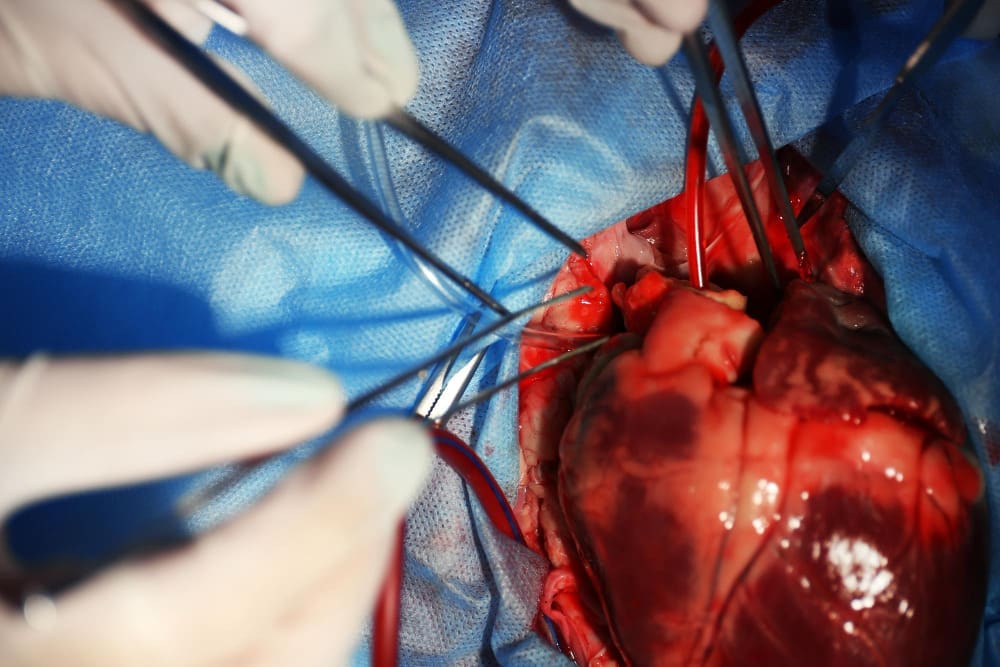
Hybrid heart surgery combines surgical and catheter-based techniques. It offers a new way to treat heart conditions. This method helps us tackle complex heart problems more effectively.
Definition and Fundamental Principles
Hybrid heart surgery mixes traditional surgery with catheter-based interventions. It uses the best of both worlds to care for patients with complex heart issues.
This method aims to reduce risks from open-heart surgery. It also maximizes the benefits of both surgical and catheter-based treatments.
Merging Surgical and Catheter-Based Techniques
Hybrid heart surgery merges surgical and catheter-based techniques. This allows us to tackle complex heart problems in one session. It leads to a more complete treatment plan, reducing the need for multiple surgeries.
Key benefits include less surgical trauma, shorter recovery times. It also helps patients who might not qualify for traditional surgery.
Single-Session Treatment for Complex Conditions
Hybrid heart surgery is great because it can treat complex conditions in one go. By combining surgical and catheter-based methods, we can tackle multiple heart issues at once. This can shorten treatment time and improve recovery.
For instance, in hybrid coronary revascularization, we can do a surgical bypass and angioplasty with stenting in one procedure. This offers a complete solution for complex coronary artery disease.
The Specialized Hybrid Operating Room
The hybrid operating room is a big step forward in heart care. It mixes top-notch technology with skilled surgery. This place is key for doing complex heart surgeries.
Advanced Imaging and Surgical Equipment
The hybrid OR has advanced imaging technologies. It has high-resolution fluoroscopy and angiography systems. These tools give clear images in real time, helping with precise heart surgeries.
State-of-the-art surgical equipment is also part of the hybrid OR. It makes it easy to switch between surgery and catheter-based treatments. The equipment includes advanced retractors, stabilizers, and more for complex heart surgeries.
Room Design and Configuration
The design of a hybrid OR is very important. These rooms are bigger than usual to fit more equipment and people. The layout is designed for smooth workflow and the best care for patients.
“The hybrid OR is a game-changer in cardiac surgery, allowing us to combine the best of surgical and interventional techniques in a single setting.”
The Multidisciplinary Heart Team
A key part of successful hybrid heart surgery is the multidisciplinary heart team. This team includes cardiac surgeons, interventional cardiologists, anesthesiologists, and specialized nurses and technicians. They work together to plan and do complex hybrid surgeries.
- Cardiac surgeons with expertise in both traditional and minimally invasive techniques
- Interventional cardiologists skilled in catheter-based interventions
- Anesthesiologists experienced in managing complex cardiac cases
- Specialized nurses and technicians trained in hybrid OR procedures
Good teamwork and communication are key for the best results in hybrid heart surgeries.
Common Types of Hybrid Cardiovascular Procedures
Cardiac care is getting better, thanks to hybrid cardiovascular procedures. These new methods mix traditional surgery with the benefits of catheter-based techniques. This makes treatments more effective and less invasive for patients.
Coronary Revascularization
Hybrid coronary revascularization is a big step forward in treating heart disease. It uses both surgical and catheter-based methods to fix blocked arteries. This approach gives patients a treatment plan that fits their needs.
For example, someone with heart disease might get a minimally invasive bypass surgery. Then, they might have a catheter procedure to fix other blocked areas. This way, they avoid a big surgery and lower the risk of complications.
Valve Repair and Replacement
Hybrid valve repair and replacement are changing how we treat heart valve problems. They combine surgery with catheter-based treatments. This gives patients more options based on their heart condition.
For instance, someone with a severe heart valve issue might get a new valve put in without open-heart surgery. Sometimes, this is done along with bypass surgery to fix other heart problems.
Approaches for Congenital Heart Defects
Hybrid treatments for congenital heart defects are making a big difference. They involve working together between pediatric cardiologists and surgeons. This teamwork helps create a detailed treatment plan.
For example, treating a complex heart condition like HLHS might involve surgery and catheter procedures. These steps help improve heart function and prepare for future surgeries.
Aortic Interventions
Hybrid aortic interventions are a new hope for complex aortic disease. They mix open surgery with stent grafting. This way, we can treat many aortic problems, like aneurysms and dissections.
For example, someone with a big aortic aneurysm might have a hybrid surgery. This includes open surgery and stent graft placement. It’s less risky than traditional open repair.
| Procedure Type | Description | Benefits |
|---|---|---|
| Hybrid Coronary Revascularization | Combines minimally invasive CABG with PCI | Reduced risk of complications, less invasive |
| Hybrid Valve Repair/Replacement | Combines surgical and transcatheter valve interventions | Offers range of treatment options, tailored to patient needs |
| Hybrid Approaches for Congenital Heart Defects | Combines surgical and catheter-based interventions | Improved outcomes for complex congenital conditions |
| Hybrid Aortic Interventions | Combines open surgical techniques with endovascular stent grafting | Reduced risk of complications, effective for complex aortic disease |
Clinical Benefits of Hybrid Surgery Cardiac Techniques
Hybrid cardiac surgery combines the best of surgery and interventional methods. This approach improves patient outcomes. It brings several benefits that enhance cardiac care quality.
Avoiding Full Sternotomy
Hybrid cardiac surgery is great because it avoids full sternotomy. This means less trauma and lower risk of complications for patients.
Reduced Dependence on Heart-Lung Machines
Hybrid procedures often need fewer heart-lung machines. This cuts down on risks like bleeding and neurological problems.
Combining the Best of Both Surgical Worlds
Hybrid surgery merges the best of surgery and catheter-based methods. This mix allows for treatments tailored to each patient’s needs, leading to better results.
Treatment Customization Options
Hybrid surgery’s flexibility lets doctors tailor treatments for each patient. This ensures patients get the best care for their heart condition.
The benefits of hybrid cardiac surgery can be summarized in the following table:
| Clinical Benefit | Description | Patient Outcome |
|---|---|---|
| Avoiding Full Sternotomy | Minimizes invasiveness of surgery | Less trauma, reduced risk of complications |
| Reduced Dependence on Heart-Lung Machines | Decreases use of cardiopulmonary bypass | Lower risk of bleeding and neurological issues |
| Combining Surgical Techniques | Integrates best elements of surgery and catheter-based techniques | Optimized treatment outcomes |
| Treatment Customization | Personalized treatment plans | Effective care tailored to individual needs |
Patient Benefits and Improved Outcomes
Hybrid heart surgery is a new way to treat heart problems. It combines surgery and catheter-based methods. This makes treatment less invasive and more effective for many heart conditions.
Shorter Hospital Stays and Recovery Times
One big plus of hybrid heart surgery is shorter hospital stays and quicker recovery. It’s less invasive, so patients can get back to their lives faster. This also saves healthcare resources and makes patients happier.
Reduced Surgical Trauma and Blood Loss
Hybrid heart surgery means less surgical trauma and blood loss. It uses smaller cuts and precise methods. This leads to less damage and fewer risks of problems.
Lower Complication Rates
Using both surgery and catheter methods in hybrid heart surgery can lower complication rates. It lets doctors pick the best method for each patient. This reduces risks and improves results.
Quality of Life Improvements
The main aim of hybrid heart surgery is to boost quality of life. It treats complex heart issues well and with fewer side effects. Patients can live better, with fewer symptoms and more freedom to do daily things.
Hybrid heart surgery brings many benefits, like shorter stays and less trauma. It also means fewer complications and a better life for patients. As this field grows, we’ll see even more ways to improve heart care and patient happiness.
Ideal Candidates for Hybrid Heart Surgery
Finding the right candidates for hybrid heart surgery is key to its success. This surgery combines surgery and catheter-based techniques. It offers a personalized way to treat complex heart problems.
High-Risk and Elderly Patients
Hybrid heart surgery is great for high-risk and elderly patients. These people often have many health issues that make regular surgery risky. Hybrid surgery avoids big cuts and uses less heart-lung machine time. This lowers the chance of serious problems.
Key benefits for high-risk patients include:
- Reduced surgical trauma
- Less blood loss
- Shorter recovery times
Patients with Multiple Cardiac Conditions
Those with many heart problems, like heart artery disease and valve issues, can also benefit. Hybrid surgery treats all these problems in one go. This means fewer surgeries and less time in the hospital.
| Condition | Traditional Treatment | Hybrid Approach |
|---|---|---|
| Coronary Artery Disease | CABG surgery | Hybrid revascularization |
| Valvular Disease | Surgical valve replacement | Transcatheter valve replacement |
Previously Inoperable Cases
Some patients were thought to be too sick for surgery before. Hybrid heart surgery now offers hope to these patients. It’s a new option when regular surgery isn’t possible.
Preoperative Evaluation Process
Choosing the right patients for hybrid heart surgery starts with a detailed check-up. This includes looking at the patient’s heart, overall health, and if they’re a good fit for hybrid surgery.
The evaluation typically includes:
- Detailed medical history
- Advanced imaging studies (e.g., CT, MRI, echocardiography)
- Functional assessments (e.g., stress tests)
- Multidisciplinary team review
By carefully picking patients and customizing the surgery, we can make it work better. This improves life quality for those having hybrid heart surgery.
The Patient Journey Through Hybrid Cardiac Procedures
The path through hybrid cardiac procedures is complex. It needs careful planning and execution. We guide patients through each step, from preparation to recovery, to ensure the best results.
Preoperative Preparation and Education
The journey starts with preoperative preparation and education. We tell patients about the procedure, its benefits, and what to expect during recovery. This step is key to reduce anxiety and prepare patients physically and mentally for surgery.
Before surgery, we do tests and assessments to check the patient’s health. Our team reviews the patient’s medical history and develops a care plan tailored to them.
What Happens During the Procedure
In the hybrid cardiac procedure, our team works together in a modern operating room. The procedure combines surgery and catheter-based techniques for treating complex heart conditions.
The procedure details vary based on the patient’s condition and the type of surgery. For example, in hybrid coronary revascularization, we use both surgical and catheter-based methods for complete revascularization.
Postoperative Care and Monitoring
After the procedure, patients are closely watched in our intensive care unit. We manage pain, prevent complications, and help with the recovery phase. Postoperative care includes regular check-ups, medication management, and planning for rehabilitation.
Our team provides compassionate care and support during this critical time. We address any concerns or complications quickly.
Recovery and Rehabilitation Protocols
The recovery phase is customized for each patient, focusing on rehabilitation. We encourage patients to join cardiac rehabilitation programs. These programs include exercise, education on heart-healthy living, and stress management.
Here’s what patients can expect during recovery:
| Recovery Phase | Expected Outcomes | Interventions |
|---|---|---|
| Immediate Postoperative | Pain management, wound care | Medication, monitoring |
| Early Recovery | Gradual mobilization, symptom reduction | Physical therapy, lifestyle counseling |
| Late Recovery | Full recovery, return to normal activities | Cardiac rehabilitation, follow-up appointments |
By following these protocols, we help patients achieve the best outcomes and improve their quality of life.
Challenges and Future Directions in Hybrid Cardiovascular Procedures
Hybrid cardiovascular procedures are groundbreaking but face many hurdles. The medical field is working hard to solve these issues. We aim to push the limits of cardiac care, tackling the current obstacles and technical challenges.
Current Limitations and Technical Challenges
One big challenge is combining different technologies and techniques. Combining surgical and catheter-based approaches needs advanced tools and teamwork.
- Technical difficulties in merging imaging and surgical tools
- Limited availability of hybrid operating rooms
- High initial investment costs for equipment and training
Hybrid procedures also require precision and expertise. A leading cardiologist said, “The success of hybrid cardiovascular procedures hinges on the ability to seamlessly integrate multiple disciplines.”
The future of cardiac care lies in our ability to adapt and innovate, embracing the challenges that come with advancing medical technology.
Training Requirements for Cardiac Teams
To tackle these challenges, we need thorough training programs. Cardiac teams must know both surgical and catheter-based techniques. They also need to be skilled in using advanced imaging equipment.
Key components of effective training include:
- Hands-on experience in hybrid operating rooms
- Simulation-based training for complex procedures
- Collaboration with experienced centers to share best practices
Emerging Technologies and Techniques
The field of hybrid cardiovascular procedures is growing fast. New technologies like 3D printing and advanced imaging modalities are helping us plan and perform complex procedures better.
Some exciting developments include:
- Robotic-assisted surgery
- Artificial intelligence for procedural guidance
- Biodegradable stents and other innovative materials
Ongoing Research and Clinical Trials
Research and clinical trials are key to improving hybrid cardiovascular procedures. By joining these studies, we can learn a lot and improve our practices.
Looking ahead, the future of hybrid cardiovascular procedures will depend on overcoming current challenges. It will also rely on embracing new technologies.
Conclusion: The Transformative Impact of Hybrid Approaches on Cardiac Care
Hybrid heart surgery has changed cardiac care a lot. It mixes surgical and catheter-based methods. This has made treatments better and given hope to those who thought they couldn’t be helped.
Hybrid surgery has many good points. It causes less damage, patients stay in the hospital less, and there are fewer complications. As we keep improving this method, we’re making a big difference in heart care. We can now treat patients in a more effective and personal way.
The world of hybrid cardiovascular procedures is growing. We’ll see new tech and techniques soon. This will lead to even better care for patients. By using this hybrid method, we’re changing the future of heart care and helping people all over the world.
FAQ
What is hybrid heart surgery?
Hybrid heart surgery combines traditional surgery with minimally invasive procedures. It treats complex heart issues in one session.
What are the benefits of hybrid heart surgery?
It offers many advantages. These include avoiding a large incision, needing less use of heart-lung machines, and shorter hospital stays. It also reduces trauma and improves life quality.
What types of conditions can be treated with hybrid heart surgery?
It can treat many heart problems. These include coronary artery disease, heart valve issues, congenital defects, and aortic diseases.
Who is a candidate for hybrid heart surgery?
It’s best for high-risk and elderly patients. Also, those with multiple heart issues and previously thought to be inoperable. A detailed check before surgery is key.
What happens during a hybrid heart surgery procedure?
A team of experts uses both surgical and catheter techniques. They work in a special room with advanced tools and imaging.
What is the recovery process like after hybrid heart surgery?
Recovery involves care and monitoring after surgery. Then, a rehabilitation plan helps ensure a smooth recovery.
Are there any risks or limitations associated with hybrid heart surgery?
Yes, there are. It has benefits but also challenges. These include the need for skilled teams and access to advanced facilities.
What is the future of hybrid heart surgery?
The future looks bright. New technologies and research are coming. They aim to improve outcomes and expand its use.
FAQ
What is hybrid heart surgery?
Hybrid heart surgery combines traditional surgery with minimally invasive procedures. It treats complex heart issues in one session.
What are the benefits of hybrid heart surgery?
It offers many advantages. These include avoiding a large incision, needing less use of heart-lung machines, and shorter hospital stays. It also reduces trauma and improves life quality.
What types of conditions can be treated with hybrid heart surgery?
It can treat many heart problems. These include coronary artery disease, heart valve issues, congenital defects, and aortic diseases.
Who is a candidate for hybrid heart surgery?
It’s best for high-risk and elderly patients. Also, those with multiple heart issues and previously thought to be inoperable. A detailed check before surgery is key.
What happens during a hybrid heart surgery procedure?
A team of experts uses both surgical and catheter techniques. They work in a special room with advanced tools and imaging.
What is the recovery process like after hybrid heart surgery?
Recovery involves care and monitoring after surgery. Then, a rehabilitation plan helps ensure a smooth recovery.
Are there any risks or limitations associated with hybrid heart surgery?
Yes, there are. It has benefits but also challenges. These include the need for skilled teams and access to advanced facilities.
What is the future of hybrid heart surgery?
The future looks bright. New technologies and research are coming. They aim to improve outcomes and expand its use.
References
Medical Tourism Magazine. Understanding Hybrid Cardiac Surgery Techniques. https://www.magazine.medicaltourism.com/article/understanding-hybrid-cardiac-surgery-techniques
Columbia Surgery (NewYork‑Presbyterian/Columbia). Guide to Hybrid Cardiac Surgery. https://columbiasurgery.org/conditions-and-treatments/hybrid-cardiac-surgery
PMC (PubMed Central). Hybrid cardiovascular procedures: combining surgical and interventional techniques. https://pubmed.ncbi.nlm.nih.gov/19463346/
Columbia Surgery (NewYork‑Presbyterian/Columbia). Approaches to Heart Surgery. https://columbiasurgery.org/heart/approaches-heart-surgery