Last Updated on November 25, 2025 by Ugurkan Demir

At Liv Hospital, we understand the complex ways the heart works. Beta receptors are key, responding to adrenaline to control heart rate and contractility.Learn what is in heart, focusing on beta receptors and how they affect heart function.
These proteins are part of the adrenergic receptor family. They help the heart adjust to different needs. By listening to the nervous system, beta receptors make sure the heart works well under various conditions.
Knowing how beta adrenergic receptors function is vital. At Liv Hospital, we aim to provide top-notch care for our patients from around the world.
Key Takeaways
- Beta receptors are key for controlling heart rate and contractility.
- They respond to adrenaline to adjust cardiac function.
- Understanding beta receptors is key to cardiac physiology.
- Liv Hospital is dedicated to advanced, patient-focused care.
- Beta adrenergic receptors are important for heart function adaptation.
Beta Receptors: Essential Components of What Is in Heart Tissue
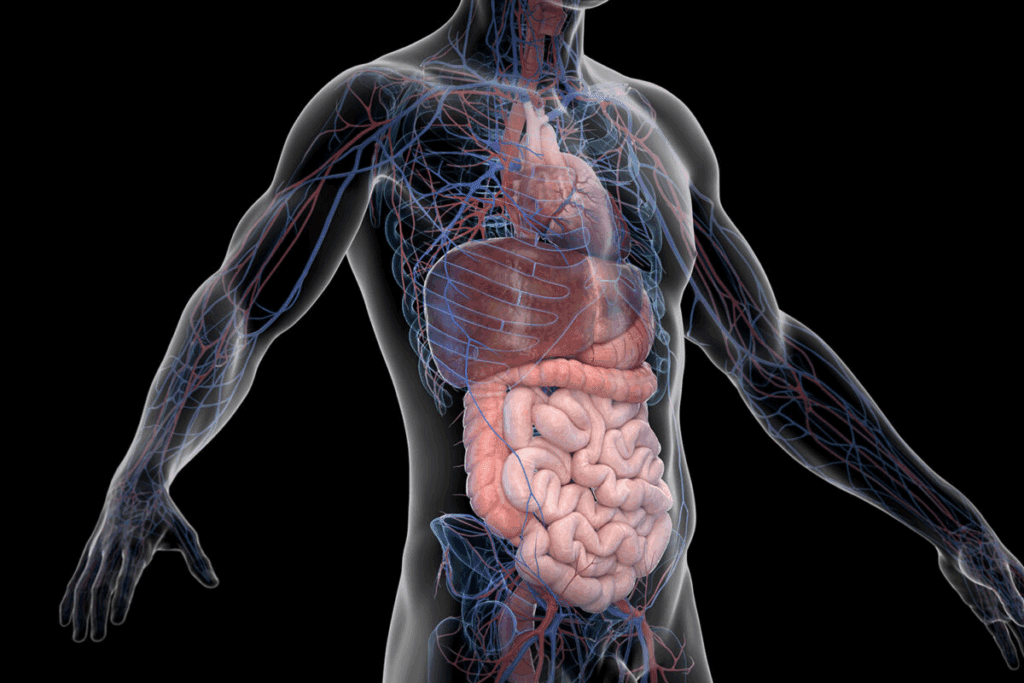
Adrenergic receptors, like beta receptors, are key in heart tissue. They help the heart respond to different needs. These receptors are important for heart function and are found in many heart tissues.
Definition and Basic Structure of Adrenergic Receptors
Adrenergic receptors are a type of G protein-coupled receptor. They respond to adrenaline and noradrenaline. Beta receptors are a part of this group and are vital for heart function. They have seven transmembrane domains, which are important for their work.
When beta receptors are activated, they start a chain of events inside the cell. This begins with an agonist binding to the receptor. This binding causes a change in the receptor that activates G proteins.
Location and Distribution in Cardiac Tissue
Beta-1 adrenergic receptors are mainly in cardiac nodal tissue and heart cells. Cardiac beta receptors, like beta 1, are most common in the heart. They control heart rate and how well the heart contracts. These receptors are more concentrated in important areas like the sinoatrial node and ventricular myocardium.
Knowing where beta receptors are in the heart is key to understanding their role. Their presence in important heart areas lets the heart adjust to different needs.
The Three Types of Beta Receptors in the Heart

It’s important to know about the three types of beta receptors in the heart. They help us understand how the heart works. The heart has beta 1, beta 2, and beta 3 adrenergic receptors. Each one has a special job in controlling the heart’s function.
Predominant Cardiac Subtype: Beta 1 Adrenergic Receptors
Beta 1 adrenergic receptors are the most common in the heart. They control heart rate and how well the heart contracts. They respond to hormones like adrenaline and noradrenaline.
When beta 1 receptors are activated, the heart beats faster and contracts stronger. This makes the heart pump more blood.
Key Functions of Beta 1 Adrenergic Receptors:
- Increasing heart rate
- Enhancing myocardial contractility
- Regulating cardiac output
Complementary Cardiac Functions: Beta 2 Adrenergic Receptors
Beta 2 adrenergic receptors also help the heart, but they are less common than beta 1. They help widen blood vessels and increase blood flow. This can help the heart pump more efficiently.
Beta 2 receptors also protect the heart from damage. They help the heart relax and recover.
| Receptor Subtype | Primary Function | Cardiac Effect |
| Beta 1 | Increases heart rate and contractility | Increased cardiac output |
| Beta 2 | Vasodilation and cardiac relaxation | Reduced vascular resistance |
| Beta 3 | Negative inotropic effect | Potential protective role against heart failure |
Emerging Roles: Beta 3 Adrenergic Receptors in Cardiac Physiology
Beta 3 adrenergic receptors have a unique role in the heart. They make the heart contract less. Research shows they might protect the heart from failure.
Their exact role is being studied. But they are thought to help regulate the heart’s function.
Understanding beta 1, beta 2, and beta 3 receptors helps us see how they work together. Each one is important for keeping the heart healthy and working well.
Molecular Mechanisms: How Beta Receptors Function
The way beta receptors work in the heart is quite complex. They respond to substances like adrenaline, starting a chain of events that affects the heart’s performance.
Catecholamine Binding and Receptor Activation
Catecholamines bind to beta receptors on heart cells. This binding changes the receptor’s shape, turning it on and starting the signaling process. Catecholamine binding is the first step in a series of molecular events that ultimately affect heart rate and contractility.
G-Protein Coupled Signal Transduction
Activated beta receptors then work with G-proteins, which are key for passing on signals. The G-proteins start a chain of reactions, including turning on adenylate cyclase. This enzyme makes cyclic AMP (cAMP), a vital messenger in the pathway.
Cyclic AMP and Protein Kinase A Pathways
More cAMP means more protein kinase A (PKA) gets activated. PKA then changes the heart cells’ proteins, making them work better. This signaling pathway is critical for the regulation of cardiac performance in response to catecholamines.
To sum up, beta receptor function involves several steps. These include catecholamine binding, G-protein signal transduction, and the activation of cyclic AMP and protein kinase A pathways. These steps together control how well the heart works, showing the complex role of beta receptors in heart health.
Beta 1 Receptors in Heart: Primary Regulators of Cardiac Function
Understanding beta 1 receptors in the heart is key to knowing how the heart works. They play a big role in controlling heart rate, how strong the heart beats, and how electrical signals move through the heart.
Beta 1 Stimulation and Heart Rate Acceleration
When beta 1 receptors are activated by hormones like adrenaline, the heart beats faster. This is called positive chronotropy. It happens because of a signaling pathway that makes the heart’s natural pacemaker beat more often.
In the heart, activation of these receptors increases heart rate. This lets the heart pump more blood when we’re stressed or active.
Enhancement of Myocardial Contractility
Beta 1 receptors also make the heart muscle contract stronger. This is because of more calcium inside the muscle cells. The result is a stronger heartbeat, helping the heart pump blood better when it needs to.
- Increased intracellular calcium enhances contractility.
- Enhanced contractility supports increased cardiac output during stress.
- Contractility is a critical factor in maintaining adequate blood circulation.
Effects on Cardiac Conduction System
Beta 1 receptors also affect how electrical signals move through the heart. Signals move faster through the heart’s electrical system. This helps the heart’s chambers beat together well, keeping the heart working efficiently.
In summary, beta 1 receptors are very important for the heart. They help the heart beat faster, contract stronger, and conduct signals better. All these help the heart meet our body’s changing needs.
Beta 2 Receptors Function in Cardiac Performance
Beta 2 receptors are key to better heart function. They help the heart relax, which is important for filling with blood. This ensures the heart works well, even when it’s under stress.
Myocardial Relaxation and Lusitropy
Beta 2 receptors are important for heart relaxation, or lusitropy. They help the heart fill better, which is vital for its performance. This is true, even when the heart rate goes up or when it’s stressed.
The effect of beta 2 receptors on the heart is critical. It helps with:
- Improving how the heart fills with blood
- Enhancing ventricular filling
- Supporting overall heart function
Protective Mechanisms Against Cellular Stress
Beta 2 receptors also protect the heart from stress. When activated, they start protective signals in the heart. This helps protect against damage from lack of blood flow and heart thickening.
A study found that beta 2 receptors can protect the heart. They do this by stopping cell death signals.
This protective mechanism is key for keeping the heart working well under stress.
Vascular Effects and Coronary Perfusion
Beta 2 receptors also affect blood vessel tone and blood flow to the heart. They cause blood vessels to widen. This improves blood flow to the heart muscle, helping it work better when it needs to.
The effects of beta 2 receptors on blood vessels include:
- Widening of coronary arteries
- Better blood flow to the heart
- More oxygen to the heart muscle
In summary, beta 2 receptors have many roles in heart function. They help with relaxation, protect against stress, and affect blood vessel tone. Understanding these roles is important for heart health.
In the Heart, Activation of These Receptors Increases Cardiac Output During Stress
When we feel stressed, our heart’s beta receptors kick in. This is key to boost our heart’s output. It helps our muscles get the oxygen and nutrients they need during stressful times.
The Fight-or-Flight Response and Adrenergic Activation
The fight-or-flight response is our body’s way to react to danger. It releases hormones to get ready to face the threat or run away. Adrenergic activation is a big part of this, using hormones like adrenaline and noradrenaline to stimulate our body.
“The sympathetic nervous system, through the release of catecholamines, plays a critical role in controlling heart function during stress.”
-Experts highlight
Integration of Sympathetic Nervous System Signals
The sympathetic nervous system (SNS) is what makes us ready to face danger. It sends signals to the heart, making it beat faster and stronger. These signals are received by beta 1 adrenergic receptors in the heart.
Adaptive Changes in Cardiac Performance
When we’re stressed, our heart works harder to pump more blood. It does this by beating faster and contracting more powerfully. The table below shows how the heart changes during stress.
| Parameter | Change During Stress | Mechanism |
| Heart Rate | Increased | Beta 1 adrenergic receptor stimulation |
| Contractility | Enhanced | Beta 1 adrenergic receptor stimulation |
| Cardiac Output | Increased | Combination of increased heart rate and contractility |
In summary, the activation of beta receptors in the heart is vital for increasing cardiac output during stress. Understanding how our body reacts to danger and how our heart adapts helps us see how complex heart function is.
Beta Receptors in Cardiovascular Pathophysiology
Beta receptors are key in heart and blood vessel health. They help control how the heart works and blood vessels function. When they don’t work right, it can lead to serious heart problems.
Dysregulation in Heart Failure
In heart failure, beta receptors get too much stimulation. This makes them less responsive and fewer in number. This problem makes the heart work even worse.
The table below shows how beta receptor problems affect heart failure:
| Condition | Effect on Beta Receptors | Clinical Consequence |
| Heart Failure | Desensitization and downregulation | Impaired cardiac function, increased morbidity |
| Chronic Stress | Overstimulation | Increased risk of arrhythmias, hypertension |
| Hypertension | Altered vascular tone regulation | Increased vascular resistance, cardiac workload |
Contribution to Arrhythmogenesis
Beta receptors also affect the heart’s electrical activity. They can make the heart beat faster and stronger. But too much stimulation can cause irregular heartbeats.
Role in Hypertension and Vascular Tone
Beta receptors also help control blood vessel tightness. This is important for blood pressure. Changes in these receptors can affect blood pressure and overall heart health.
In summary, beta receptors are very important in heart and blood vessel diseases. Knowing how they work in heart failure, irregular heartbeats, and high blood pressure helps us find better treatments.
Therapeutic Targeting of Cardiac Beta Receptors
Targeting cardiac beta receptors has changed how we treat heart diseases. By adjusting these receptors, we can make the heart work better and help patients more.
Beta Blockers: Mechanism and Clinical Applications
Beta blockers are key in treating heart diseases. They block adrenaline and noradrenaline’s effects on the heart. This reduces heart rate and strength, helping with high blood pressure, heart failure, and irregular heartbeats.
These drugs have many uses. They help manage symptoms, improve life quality, and increase survival rates for heart disease patients. For example, in heart failure, they make the heart work more efficiently and lower hospitalization risks.
Selective vs. Non-selective Beta Blockade
It’s important to know the difference between selective and non-selective beta blockers. Selective blockers, like metoprolol, mainly affect heart beta 1 receptors. Non-selective blockers, such as propranolol, affect both beta 1 and beta 2 receptors. This can cause breathing problems and blood vessel narrowing.
| Characteristics | Selective Beta Blockers | Non-selective Beta Blockers |
| Receptor Targeting | Primarily Beta 1 receptors | Both Beta 1 and Beta 2 receptors |
| Clinical Use | Heart failure, hypertension, angina | Hypertension, angina, certain arrhythmias |
| Side Effects | Fewer bronchopulmonary side effects | May cause bronchoconstriction |
Novel Therapeutic Approaches
New ways to target beta receptors are being explored. This includes making more selective beta blockers and looking into beta 3 receptors for treatment. These new methods could lead to better treatments for heart diseases.
Targeting specific beta receptors could reduce side effects and increase benefits. For example, focusing on beta 1 receptors could improve heart function without harming other tissues.
Conclusion: The Vital Importance of Beta Receptors in Heart Function
Beta receptors in the heart are key to controlling how the heart works. We’ve learned how these receptors, like beta 1 receptors, affect heart rate and strength. Knowing how cardiac beta receptors work is key to understanding heart health and disease.
The role of beta 1 receptors is clear when we think about stress. When we’re stressed, beta receptors help the heart pump more blood. This is vital to keep tissues supplied with blood, helping the body meet its needs under stress.
In summary, beta receptors are essential for the heart’s function. Problems with them can cause heart issues, making them a focus for treatments. By grasping how beta receptors work, we can better tackle heart problems and improve treatments.
FAQ
What is the role of beta receptors in the heart?
Beta receptors help control the heart’s rate and strength. They do this by responding to certain hormones. This affects how well the heart works and overall heart health.
What are the different types of beta receptors found in the heart?
The heart has three types of beta receptors: beta 1, beta 2, and beta 3. Each type has its own role in how the heart works.
How do beta 1 receptors affect heart function?
Beta 1 receptors are mainly found in the heart. They help control the heart’s rate and strength. When activated, they make the heart beat faster and stronger.
What is the function of beta 2 receptors in cardiac performance?
Beta 2 receptors help relax the heart muscle. They also protect the heart from stress and improve blood flow. This supports the heart’s overall function.
How do beta receptors respond to stress?
When stressed, beta receptors in the heart work harder. They help increase the heart’s output. This is part of the body’s fight-or-flight response.
What is the significance of beta receptors in cardiovascular pathophysiology?
Beta receptors are key in heart disease. Problems with them can lead to heart failure and arrhythmias. They also play a role in high blood pressure and blood vessel function.
How are beta receptors therapeutically targeted?
Beta receptors are targeted with beta blockers. These can be specific or not. New treatments are being developed to control beta receptor activity.
What do beta adrenergic receptors do?
Beta adrenergic receptors respond to hormones like adrenaline. They start signals that affect the heart’s rate and strength.
How do beta 1 adrenergic receptors function?
Beta 1 receptors bind to hormones, starting a signal. This signal affects the heart’s function through various pathways.
What is the effect of beta 1 stimulation on the heart?
Beta 1 stimulation makes the heart beat faster and stronger. It also affects how the heart’s electrical signals work. This increases the heart’s output.
What are the vascular effects of beta 2 receptors?
Beta 2 receptors cause blood vessels to relax. This can improve blood flow to the heart and overall heart health.
References
- Sato, M., & Frantz, S. (2007). What is the role of β-adrenergic signalling in heart failure? Cardiovascular Research, 75(3), 467-475. https://pubmed.ncbi.nlm.nih.gov/14615493/
- Kenakin, T., & Christopoulos, A. (2019). Detailed insight on β-adrenoceptors as therapeutic targets. Pharmacology & Therapeutics, 202, 133-155. https://www.sciencedirect.com/science/article/pii/S0753332219313514
- De Lucia, C., & Sardu, C. (2018). New insights in cardiac β-adrenergic signalling during heart failure and aging. Frontiers in Pharmacology, 9, 904. https://www.frontiersin.org/journals/pharmacology/articles/10.3389/fphar.2018.00904/ful