Last Updated on November 25, 2025 by Ugurkan Demir

At Liv Hospital, we know how vital heart health is. A cardiologist is a doctor who deals with heart and blood vessel diseases. They help prevent and treat these conditions. The word “cardiology” comes from “kardia” for heart and “-logy” for study.
Cardiologists are key in fighting heart diseases, a top killer worldwide. Knowing what cardiology is helps people take care of their heart health.
Key Takeaways
- Cardiologists are specialized physicians who diagnose and treat heart diseases.
- Cardiology is a branch of medicine focused on heart and cardiovascular system disorders.
- Understanding cardiology empowers patients to manage their heart health.
- Liv Hospital provides patient-centered care for heart-related conditions.
- Cardiologists play a critical role in preventing heart diseases.
What Is Meant by Cardiologist

A cardiologist is a healthcare expert who focuses on heart diseases. They are doctors who deal with heart and blood vessel problems. They help diagnose, treat, and prevent heart issues.
Definition and Primary Role in Healthcare
Cardiologists need a lot of education, often 10 years after medical school. They start with a three-year internal medicine residency. Then, they do a three-year fellowship in cardiovascular disease.
They mainly care for patients with heart and blood vessel problems. They handle many heart conditions.
“Cardiologists play a vital role in healthcare,” says their importance in saving lives.
Specialized Knowledge and Expertise
Cardiologists have specialized knowledge and expertise in heart conditions. They know how to diagnose and treat complex heart issues. This includes diseases like coronary artery disease and heart failure.
They use advanced techniques like echocardiography and cardiac catheterization. They also perform procedures like angioplasty and stenting.
To define cardiology is to see it as a field that keeps growing. Cardiologists keep up with new medical technology and research. They make sure patients get the best treatments.
Cardiologists’ training lets them offer full care, from prevention to complex treatments. As we learn more about cardiology, it’s clear. Cardiologists are not just doctors; they are heart health guardians. They work hard to make their patients’ lives better.
The Complete Definition of Cardiology
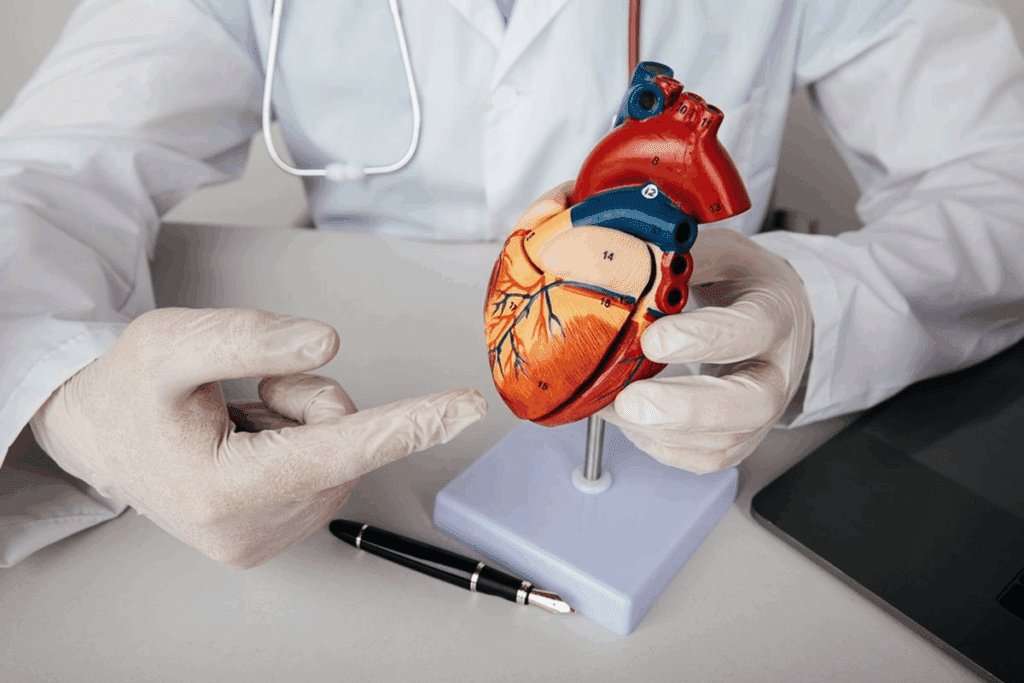
Cardiology is a branch of medicine that focuses on the heart and blood vessels. It studies, diagnoses, and treats heart diseases. This field is key to understanding heart health and finding treatments.
We see cardiology as a medical field that deals with heart and blood vessel issues. It’s not just about treating heart problems. It also includes preventing them and keeping blood vessels healthy.
Cardiology as a Medical Specialty
Cardiology is a part of internal medicine. Cardiologists need to know a lot about the heart and blood vessels. They can handle many heart issues, like heart failure and artery disease.
Cardiologists do more than just treat heart problems. They also help prevent them. They manage risks, give advice on lifestyle, and use new technologies to help patients.
The Scope of Cardiovascular Medicine
Cardiovascular medicine covers a lot of ground. It looks at heart health and disease in many ways. It studies the heart’s structure, function, and diseases.
This field uses new tools like echocardiography and cardiac catheterization to diagnose and treat. It also focuses on managing risks like high blood pressure and diabetes. These are important for avoiding heart disease.
Understanding cardiology and its role is key. It shows how important cardiologists are for heart health. This knowledge helps both doctors and patients deal with heart issues.
Etymology and Meaning of Cardiology
The word ‘cardiology’ comes from the Greek language. It combines ‘kardia,’ meaning heart, and ‘logy,’ meaning study or science. This shows the field’s main focus on heart health.
Greek Origins: ‘Kardia’ (Heart) and ‘-logy’ (Study)
The term ‘cardiology’ comes from Greek. ‘Kardia’ means heart, and ‘-logy’ means study or science. This background shows the field’s deep focus on heart health. Greek roots are common in medical terms, helping scientists and doctors worldwide.
The Root Word ‘Cardio’ in Medical Terminology
The word ‘cardio’ is used in many heart-related medical terms. For example, ‘cardiovascular’ refers to the heart and blood vessels, and ‘cardiomyopathy’ is a heart muscle disease. This makes medical vocabulary clear and easy to understand.
Historical Evolution of the Term
The term ‘cardiology’ has grown a lot over time. It now includes many practices and specialties for heart health. Our understanding of heart diseases has also grown, making cardiology a dynamic field.
In conclusion, knowing the roots of cardiology helps us understand its focus and scope. The term ‘cardiology’ means studying the heart, from Greek words ‘kardia’ and ‘logy.’ This knowledge is key to grasping heart health and the role of cardiologists.
For example, saying “the cardiologist specializes in cardiology” shows their expertise in heart health. This shows how cardiology is used to talk about a specific medical area.
How to Spell Cardiology Correctly
Knowing how to spell cardiology right is key for clear medical writing and talking. We’ll look at its correct spelling, common mistakes, and how to say it.
Proper Spelling: C-A-R-D-I-O-L-O-G-Y
The right way to spell cardiology is C-A-R-D-I-O-L-O-G-Y. Breaking it down helps remember it. It comes from “kardia,” the Greek word for heart, and “logy,” meaning study. So, cardiology means studying the heart.
Common Misspellings and Confusions
People often get cardiology wrong because of its tricky mix of letters. Mistakes happen when letters get mixed up or left out. To get it right, remember: C-A-R-D-I-O-L-O-G-Y.
Knowing the right spelling and how to say it is key, mainly in medical fields. Here, being precise is critical.
Pronunciation Guide for Medical Terminology
Saying cardiology right is as important as spelling it. It’s pronounced /kɑːrdiˈɒlədʒi/ (kar-dee-OL-uh-jee). Breaking it down into syllables makes it easier: car-di-ol-o-gy.
Understanding how to spell and say cardiology helps doctors and patients talk better. This ensures medical info is shared accurately and clearly.
The Extensive Training Path of Cardiologists
Cardiologists go through a long and challenging journey. It takes over 10 years of education and training. This training is key to helping them diagnose and treat heart problems.
Undergraduate Medical Education
The first step is undergraduate medical education. Here, they get a medical degree (MD or DO). They learn a lot about medicine and how to practice it.
Internal Medicine Residency Requirements
Next, they do an internal medicine residency program for three years. This program helps them learn to manage adult medical issues. It prepares them for cardiology training.
Specialized Cardiology Fellowship (3+ Years)
Then, they start a specialized cardiology fellowship. This can take three or more years. They learn about heart diseases and how to treat them.
- They learn about echocardiography and other heart imaging.
- They get experience with procedures like angioplasty and stenting.
- They learn about heart rhythm and devices.
Board Certification Process
The last step is getting board certification. They do this through the American Board of Internal Medicine (ABIM). They pass a tough exam to show they know cardiology well.
In short, becoming a cardiologist is a big commitment. It requires a lot of education and practice. This training prepares them to give top-notch care to heart patients.
Major Subspecialties Within Cardiology
Cardiology has many subspecialties, each dealing with different heart issues. These areas help cardiologists treat a wide range of heart problems. This includes everything from coronary artery disease to complex arrhythmias.
Interventional Cardiology
Interventional cardiology focuses on non-surgical procedures to treat heart diseases. Doctors in this field use angioplasty and stenting to open blocked arteries. This helps restore blood flow to the heart.
The American Heart Association says, “Interventional cardiology has changed how we treat coronary artery disease. It offers a less invasive option compared to traditional surgery.”
Clinical Cardiac Electrophysiology
Clinical cardiac electrophysiology deals with heart rhythm disorders. Electrophysiologists use tests and procedures like ablation and device implantation. This helps manage conditions like atrial fibrillation and ventricular tachycardia.
Advanced technologies have greatly improved treating arrhythmias. This has led to better patient outcomes.
Advanced Heart Failure and Transplant Cardiology
Advanced heart failure and transplant cardiology focuses on severe heart failure. Cardiologists in this field work with other healthcare teams. They provide care that includes heart transplantation and mechanical support.
A leading cardiologist notes, “The field of heart failure and transplant cardiology is growing fast. New treatments and technologies are improving survival rates and quality of life for patients.”
Preventive Cardiology
Preventive cardiology aims to prevent heart disease through lifestyle changes and early intervention. Preventive cardiologists help high-risk individuals. They work to lower their chance of getting heart disease.
Preventive measures can greatly reduce heart disease events. This improves public health overall.
In conclusion, cardiology’s subspecialties work together to care for patients with heart diseases. Understanding these areas shows the complexity and depth of cardiology as a medical field.
Groundbreaking Advancements in Cardiac Care
Cardiac care has seen huge changes, making a big difference in how we treat heart issues. These changes have improved how we diagnose and treat heart problems. This has led to better health outcomes and a better quality of life for patients.
Revolutionary Cardiac Imaging Technologies
New technologies have changed cardiac imaging a lot. Advanced imaging modalities like cardiac MRI and CT angiography give us detailed views of the heart. This helps doctors make accurate diagnoses and create treatment plans that fit each patient.
The use of artificial intelligence in cardiac imaging is also improving. AI can quickly go through lots of data, spotting things that might be missed by doctors.
Minimally Invasive Procedural Techniques
Minimally invasive procedures have changed how we treat heart diseases. Methods like TAVR and PCI are less invasive than traditional surgery. They lead to faster recovery times and less damage to the body.
- Reduced risk of complications
- Shorter hospital stays
- Quicker return to normal activities
Artificial Intelligence Applications in Cardiology
AI is playing a big role in cardiology, from predicting risks to creating personalized treatments. AI can look at huge amounts of data to predict cardiovascular risk. It can also find patients who need early treatment.
AI is also helping to make treatment plans better. By using machine learning, we can find new ways to prevent and treat heart diseases.
Cardiovascular Disease: The Leading Global Health Challenge
Cardiovascular disease is a major killer worldwide. It’s important to know its stats, risk factors, and how it affects society. This disease is a big threat to health, touching millions of lives.
Current Statistics and Mortality Rates
The Centers for Disease Control and Prevention (CDC) says heart disease is the top killer in the U.S. It’s responsible for one in five deaths. Globally, it causes about 17.9 million deaths each year.
We need more research and better healthcare to fight heart disease. Looking at these numbers helps us see how big the problem is.
| Region | Cardiovascular Disease Mortality Rate | Prevalence of Risk Factors |
| North America | High | Hypertension, Obesity |
| Europe | Moderate to High | Smoking, High Cholesterol |
| Asia | Varies by Country | Diet, Physical Inactivity |
Major Risk Factors and Prevention Strategies
Knowing the main risk factors for heart disease is key. These include high blood pressure, high cholesterol, smoking, diabetes, and obesity.
“Prevention is key in the fight against cardiovascular disease. By addressing risk factors through lifestyle changes and medical interventions, we can significantly reduce the burden of this disease.”
Prevention often means making healthy lifestyle choices. This includes eating well, staying active, and not smoking. Sometimes, medical help is needed to control risk factors.
- Maintain a healthy diet rich in fruits and vegetables
- Engage in regular physical activity
- Avoid tobacco and limit alcohol consumption
- Monitor and manage blood pressure and cholesterol levels
Socioeconomic Impact of Heart Disease
Heart disease has a big impact on society and healthcare systems. It costs a lot in medical expenses and lost work time.
We need to look at how heart disease affects people and communities. This includes how money and health care access play a role.
Economic Burden of Cardiovascular Disease
| Category | Cost |
| Direct Medical Costs | $200 Billion Annually |
| Indirect Costs (Lost Productivity) | $100 Billion Annually |
By understanding heart disease’s impact, we can work to lessen it. Good prevention and treatment plans are essential.
Using “Cardiology” in Context and Sentences
Knowing how to use “cardiology” is key for clear talk in medical fields. It’s vital to speak clearly about complex health topics.
Proper Usage in Medical Communications
“Cardiology” means the study of heart problems in medicine. It’s used in talks with patients, research, and teaching. For example, “The cardiology team helps diagnose and treat heart issues.”
Here are some examples of how to use it right:
- The cardiology team did a detailed check to find out what was wrong with the patient’s heart.
- New discoveries in cardiology have made treating heart diseases better.
- The cardiology department at the hospital gives full care for heart problems.
Example Sentences in Clinical Settings
In clinics, “cardiology” talks about specific treatments or areas. For example, “The patient went to the cardiology clinic for more checks.” It’s also used in talking about patient care, like “The cardiology team made a special plan for the patient.”
Here’s a table showing how “cardiology” is used in clinics:
| Context | Example Sentence |
| Departmental Reference | The cardiology department is on the second floor. |
| Procedural Reference | The cardiology team did an urgent angioplasty. |
| Research Context | New findings in cardiology have made heart care better. |
Common Phrases and Collocations
Some phrases go with “cardiology” a lot. Like “interventional cardiology,” “pediatric cardiology,” and “preventive cardiology.” We also see “cardiology consultation,” “cardiology clinic,” and “cardiology research.”
“The use of new tech in cardiology has changed how we diagnose and treat heart diseases.”
— Medical Expert, Cardiologist
By knowing how to use “cardiology” right, we make medical talk clearer. It’s key for doctors, researchers, and patients to understand each other better.
Liv Hospital’s Approach to Excellence in Cardiology
Liv Hospital’s cardiology team is dedicated to excellence. We offer complete care that follows global best practices. Our care is based on international standards, teamwork, and always improving.
International Standards and Protocols
At Liv Hospital, we follow strict international standards in cardiology. This ensures our patients get top-notch care. We update our protocols often to use the latest in heart medicine.
Multidisciplinary Patient-Centered Care
Our cardiology team works together to focus on each patient. This teamwork helps create a treatment plan that fits each patient’s needs.
Key aspects of our patient-centered care include:
- Personalized treatment plans
- Comprehensive patient education
- Emotional support throughout the treatment journey
Continuous Improvement Philosophy
Liv Hospital is always looking to improve. We check our practices, listen to patient feedback, and use new tech to better our services. This keeps us leading in heart care, giving our patients the best results.
Advanced Cardiac Treatment Options
Our cardiology department has the latest technology. We offer many advanced treatments for heart conditions. This includes new diagnostic tools and treatments.
Some of the advanced treatments available include:
- Minimally invasive cardiac procedures
- Advanced imaging techniques for precise diagnosis
- Personalized medicine approaches for cardiovascular diseases
Liv Hospital combines international standards, teamwork, and a drive for improvement. This makes us a top choice for cardiology care worldwide. Our commitment to excellence shows in every part of our care, from start to finish.
Conclusion: The Future of Cardiology and Heart Care
The future of cardiology looks bright, with many advancements on the horizon. Research and new technologies are leading the way. They help us improve heart health for people everywhere.
Cardiology’s progress will greatly impact global health. It will help lower death rates and improve life quality for those with heart disease. We’re committed to top-notch healthcare for all, following international standards.
We use the latest tech and focus on patient care to innovate in cardiology. As the field grows, we aim to make heart care even better. Our goal is to improve lives for patients and their families worldwide.
FAQ
What is cardiology?
Cardiology is a branch of medicine. It focuses on heart and blood vessel disorders. It aims to diagnose, treat, and prevent these issues.
What does a cardiologist do?
A cardiologist is a doctor who specializes in heart and blood vessel health. They diagnose, treat, and prevent heart problems.
How do you spell cardiology?
The correct spelling of cardiology is C-A-R-D-I-O-L-O-G-Y.
What are the major subspecialties within cardiology?
Cardiology has several subspecialties. These include interventional cardiology and clinical cardiac electrophysiology. Also, advanced heart failure and transplant cardiology, and preventive cardiology.
What is the meaning of the root word ‘cardio’ in medical terminology?
The root word ‘cardio’ comes from Greek. It means heart. It’s used in medical terms to talk about the heart and blood vessels.
What are the current statistics on cardiovascular disease?
Cardiovascular disease is a big health problem worldwide. It causes a lot of deaths and affects the economy.
How is cardiology used in context?
In medicine, cardiology refers to heart and blood vessel care. It’s used in clinics to plan patient treatment.
What is Liv Hospital’s approach to cardiology?
Liv Hospital follows international standards in cardiology. They offer patient-centered care and use advanced treatments.
What are the latest advancements in cardiac care?
New advancements in heart care include advanced imaging and minimally invasive procedures. Artificial intelligence is also being used.
What is the training path for cardiologists?
To become a cardiologist, one needs to study medicine first. Then, they must complete a cardiology fellowship. They also need to pass a board certification exam.
References:
- Lung, K., & Lui, F. (2023). Anatomy, Abdomen and Pelvis: Arteries. In StatPearls. National Center for Biotechnology Information. https://www.ncbi.nlm.nih.gov/books/NBK525959/