Last Updated on November 27, 2025 by Bilal Hasdemir

At Liv Hospital, we know that abnormal cell growths worry patients a lot. Neoplasm treatment includes many medical steps to handle these growths. They can be either harmless or dangerous.
Even though “neoplasm” and “tumor” are often mixed up, they mean different things in medicine. Knowing the difference is key for good care. We offer cutting-edge, patient-focused care for neoplasm treatment. This helps people understand and deal with their condition.
Key Takeaways
- Neoplasm treatment involves various medical approaches to address abnormal cell growths.
- The distinction between neoplasms and tumors is important for effective treatment.
- Liv Hospital offers world-class solutions for each condition.
- Expert protocols and ethical innovation shape modern tumor care.
- Understanding the differences between neoplasms and tumors leads to better results.
The Science Behind Neoplasms and Abnormal Cell Growth
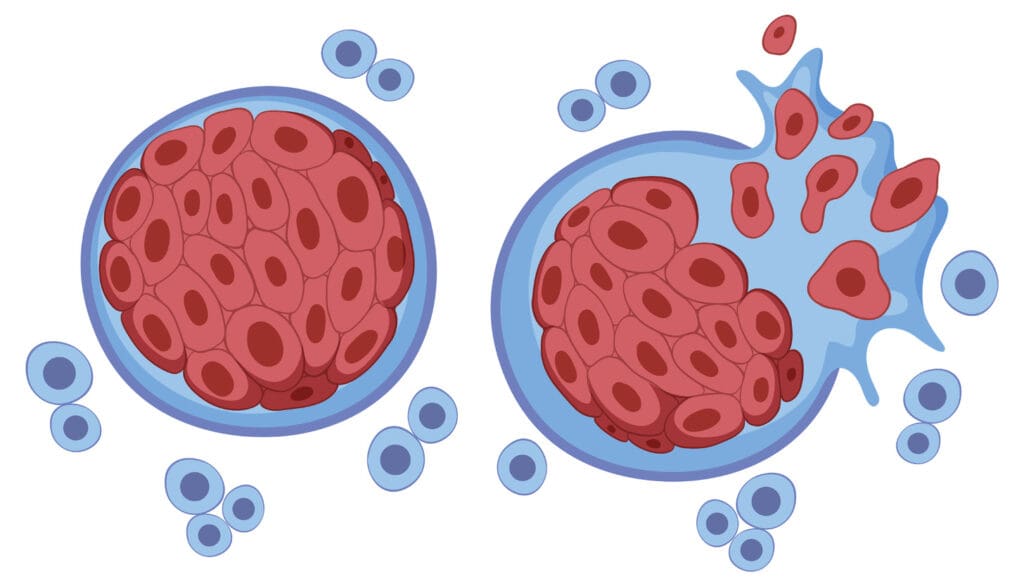
Neoplasms are formed when cells grow out of control. These masses of tissue can become tumors or lesions. We’ll look into how this happens to understand these conditions better.
Defining Neoplasms: The Cellular Foundation
Neoplasms start with cells that don’t follow normal growth rules. This can lead to growth that’s either benign or malignant. Big data and AI are helping scientists understand these complex processes.
Understanding what causes neoplasms is key. Factors include genetic changes, environmental factors, and viruses. Knowing these causes helps us see how neoplasms form and grow.
The Process of Neoplasia and Uncontrolled Proliferation
Neoplasia is when cells grow without control, forming neoplasms. This involves many complex steps, like genetic changes and disrupted signals. Grasping neoplasia is vital for finding good treatments.
| Characteristics | Benign Neoplasms | Malignant Neoplasms |
|---|---|---|
| Growth Pattern | Slow, expansive growth | Rapid, infiltrative growth |
| Cellular Features | Well-differentiated cells | Poorly differentiated cells |
| Metastasis | Rarely metastasize | Often metastasize |
By studying neoplasms and abnormal cell growth, we can improve treatments. The study of neoplasia and its characteristics is very important in oncology.
Neoplasm vs. Tumor: Understanding the Terminology
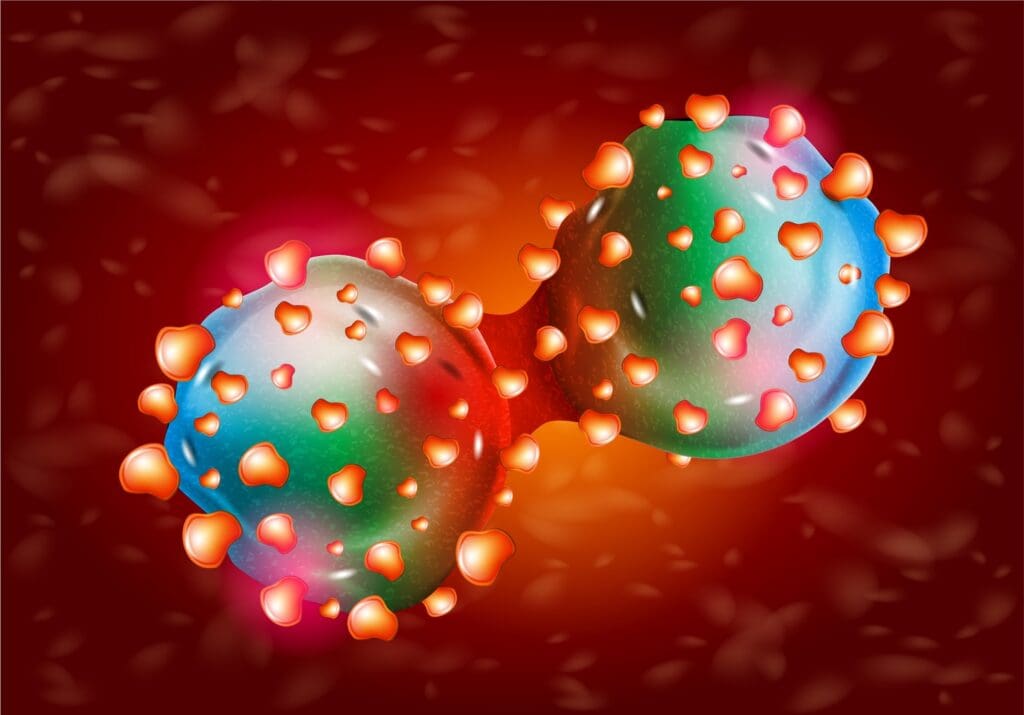
The terms neoplasm and tumor are often mixed up, but they mean different things in medicine. Knowing the difference is key for correct diagnosis and treatment plans.
Is a Neoplasm Always a Tumor?
A neoplasm is an abnormal tissue mass from neoplasia, or abnormal cell growth. Not all neoplasms are tumors; some don’t show as a lump. But, a tumor is a swelling or lump, which can be from many causes, including neoplasms.
To make it clear, while all tumors are neoplasms, not all neoplasms are tumors. For example, leukemia is a neoplasm in the blood or bone marrow without a solid tumor.
Medical Terminology for Different Growth Types
Medical terms for neoplasms and tumors can be tricky. It’s important to know these terms for clear talk between doctors and patients.
| Term | Description | Examples |
|---|---|---|
| Benign Neoplasm | A non-cancerous growth that doesn’t invade surrounding tissues or spread to other parts of the body. | Lipoma, Adenoma |
| Malignant Neoplasm | A cancerous growth that can invade surrounding tissues and metastasize to other parts of the body. | Carcinoma, Sarcoma |
| Tumor | A swelling or lump, which can be caused by various factors, including neoplasms. | Both benign and malignant tumors |
Understanding the difference between neoplasms and tumors helps patients grasp their diagnosis and treatment choices. It’s vital for doctors to use exact terms to avoid confusion and ensure clear communication.
Classification of Neoplasms: Benign and Malignant
Neoplasms are divided into two main types: benign and malignant. Each type has its own features. Knowing the difference helps doctors decide the best treatment for patients.
It’s important to know the difference between benign and malignant neoplasms. Benign ones are not cancerous and don’t spread. Malignant ones are cancerous and can spread to other parts of the body.
Benign Neoplasms: Characteristics and Examples
Benign neoplasms don’t spread or invade tissues. They grow slowly and are usually contained. Examples include lipomas and adenomas. These tumors are usually not dangerous unless they cause problems.
For example, a benign tumor in the thyroid can affect thyroid function. We often watch these tumors instead of treating them right away. This depends on how they affect the patient’s health.
Malignant Neoplasms: Carcinomas and Sarcomas
Malignant neoplasms are cancerous and can spread. They grow fast and are not contained. The main types are carcinomas and sarcomas. Carcinomas come from epithelial cells and make up about 85% of cancers. Sarcomas come from connective tissue.
Carcinomas can be further divided into types like adenocarcinoma and squamous cell carcinoma. Sarcomas include osteosarcoma and liposarcoma. Knowing the type helps doctors plan treatment.
Figuring out if a tumor is benign or malignant is key. Doctors use tests like imaging and biopsies to make this decision.
Primary and Secondary Neoplasia: Origin and Spread
Primary neoplasia is where abnormal cell growth starts. It’s key to knowing how to treat it. We’ll look at how neoplasms start and how they might spread.
Primary Neoplasms: The Initial Site of Growth
Primary neoplasms start at the first place of abnormal cell growth. They can be either benign or malignant. The place where they start is important for knowing what kind of neoplasm it is and how it might affect the body.
Characteristics of primary neoplasms include their location, size, and what the cells look like. These details help doctors decide if a neoplasm is benign or malignant. They also help in planning treatment.
Metastatic Neoplasms: The Process of Spread
Metastatic neoplasms happen when cancer cells move from the first site to other parts of the body. This involves complex steps like invasion, circulation, and settling in new tissues. Research shows that not all cells can spread. Only certain cells from the primary tumor can move to other places.
Recent studies have used advanced technologies like AI in neuroscience to understand metastasis better. These new tools are key for creating treatments that can handle metastatic neoplasms well.
It’s important for doctors to know the difference between primary and metastatic neoplasms. By understanding where they start and how they might spread, doctors can give more tailored and effective care.
Recognizing Symptoms of Neoplasia
Neoplasia symptoms can vary a lot. They depend on where and what kind of neoplasm it is. Knowing the signs is key for both patients and doctors.
General Warning Signs Across Neoplasm Types
There are common signs that might mean you have a neoplasm. These include:
- Unexplained Weight Loss: Losing a lot of weight without a reason could mean a neoplasm.
- Persistent Pain: Pain that doesn’t go away and isn’t from an injury might be from a neoplasm.
- Unusual Lumps or Swelling: A new lump or swelling that grows could be a neoplasm sign.
- Changes in Organ Function: Neoplasms can mess with organ work, causing odd bowel or bladder habits.
New tech like holter monitors helps catch health issues early. This includes neoplasia. It helps doctors treat sooner.
Location-Specific Manifestations
Neoplasia symptoms can also depend on where they are. For example:
- Skin Neoplasms: Look like new or changing moles.
- Lung Neoplasms: Cause coughing, coughing up blood, or trouble breathing.
- Gastrointestinal Neoplasms: Lead to swallowing trouble, belly pain, or bowel habit changes.
Spotting these symptoms early is vital for treating neoplasms well. If you notice any, see a doctor right away.
Diagnostic Approaches for Neoplastic Conditions
Diagnosing neoplastic conditions involves many steps. These range from a first look to detailed imaging and tissue tests. Getting the diagnosis right is key to making a good treatment plan.
Initial Assessment and Physical Examination
The first step is a detailed medical history and physical check-up. Clinical evaluation looks for symptoms that might point to a tumor. We check the patient’s health for any signs of a neoplasm.
Advanced Imaging Techniques
Advanced imaging is vital for finding tumors. These include:
- Computed Tomography (CT) scans: Show detailed images of the body, helping find tumors and how big they are.
- Magnetic Resonance Imaging (MRI): Gives clear pictures of soft tissues, helping understand tumor details.
- Positron Emission Tomography (PET) scans: Show how active tumors are, important for planning treatment.
Biopsy and Histopathological Analysis
Biopsy is the top way to diagnose tumors. It takes a tissue sample from the tumor for histopathological analysis. This microscope test tells us what kind of tumor it is and how serious it is.
The test looks at cell shape, tumor edges, and more. It helps figure out the tumor type and how aggressive it is.
Comprehensive Neoplasm Treatment Strategies
Medical research has made big strides in treating neoplasms. Now, there are many ways to help patients, from surgery to special medicines. Each treatment is chosen based on the patient’s specific needs.
Surgical Approaches to Neoplasm Management
Surgery is key for treating tumors that are in one place. Surgical resection tries to take out the whole tumor. It also removes some healthy tissue around it to make sure all cancer is gone.
- Minimally invasive surgeries are less invasive and heal faster.
- Reconstructive surgery helps fix any damage after the tumor is removed.
Radiation Therapy for Neoplastic Conditions
Radiation therapy is also very important in treating neoplasms. It uses strong rays to kill cancer cells. There are different types of radiation therapy, including:
- External beam radiation therapy.
- Internal radiation therapy (brachytherapy).
- Stereotactic body radiation therapy.
Systemic Treatments: Chemotherapy and Beyond
Systemic treatments, like chemotherapy, aim to kill cancer cells all over the body. New treatments like targeted therapies and immunotherapies are more precise. They help fight cancer in new ways.
- Chemotherapy uses drugs to kill fast-growing cells.
- Targeted therapy attacks specific cancer cell traits.
- Immunotherapy helps the body’s immune system fight cancer.
By mixing these treatments, doctors can create a plan that fits each patient’s needs. This approach helps improve treatment success rates.
Specialized Approaches for Benign Neoplasms
Managing benign neoplasms well means knowing how to handle them. These growths are not cancerous but can be painful and cause problems if ignored. We use the right treatments to help.
When Treatment Is Necessary for Benign Growths
Not every benign neoplasm needs treatment right away. But, we do act when they cause symptoms, harm organ function, or might turn cancerous. We look at each case closely, thinking about size, location, and type.
For example, a big benign tumor in the thyroid can block swallowing or breathing. In these cases, surgery or other treatments might be needed to ease symptoms and improve life quality.
Conservative and Minimally Invasive Options
New medical tech has brought us better, less invasive treatments for benign neoplasms. These methods aim to cut down recovery time, lessen scars, and keep organs working right.
- Watchful Waiting: Regular checks with imaging to see how the growth changes.
- Sclerotherapy: Injecting a solution to shrink the neoplasm, good for some cysts or malformations.
- Radiofrequency Ablation: Using heat from radio waves to kill off bad cells.
- Minimally Invasive Surgery: Small incisions for removing neoplasms with laparoscopic or endoscopic surgery.
We make treatment plans that fit each patient’s needs. Our goal is to give the best care for their specific situation. With our knowledge and the latest tech, we aim for the best results for those with benign neoplasms.
Advanced Therapies for Malignant Neoplasms
Advanced therapies have changed how we treat cancer, giving hope to patients everywhere. These new methods have made treatments more effective and improved life quality for those with cancer.
Targeted Molecular Therapies
Targeted molecular therapies aim to hit cancer cells directly, sparing healthy tissues. They find and attack specific traits of cancer cells, like proteins or genetic changes.
Examples include tyrosine kinase inhibitors and monoclonal antibodies. These treatments have shown great promise in fighting cancers like breast, lung, and melanoma.
Immunotherapy Approaches
Immunotherapy uses the body’s immune system to fight cancer. It boosts the body’s defenses, helping it find and destroy cancer cells better.
Immunotherapy includes checkpoint inhibitors, cancer vaccines, and adoptive T-cell therapy. These methods have shown great success in treating various cancers, giving new hope to patients.
Combination Treatment Strategies
Combination treatments use different therapies together for better results. This can mix targeted therapies with immunotherapy, chemotherapy, or radiation.
These strategies have shown great promise in improving cancer treatment outcomes. By attacking cancer from different angles, they can overcome treatment resistance and boost survival rates.
| Treatment Approach | Description | Examples |
|---|---|---|
| Targeted Molecular Therapies | Specifically target cancer cells, minimizing damage to healthy tissues | Tyrosine kinase inhibitors, Monoclonal antibodies |
| Immunotherapy Approaches | Harness the power of the immune system to fight cancer | Checkpoint inhibitors, Cancer vaccines, Adoptive T-cell therapy |
| Combination Treatment Strategies | Use multiple therapeutic approaches together to achieve better outcomes | Targeted therapies with immunotherapy, chemotherapy, or radiation therapy |
As research keeps advancing, we’ll see even more innovative cancer treatments. The use of AI in neuroscience will likely play a big role in creating personalized treatments, leading to better patient outcomes.
Key Differences Between Neoplasm Treatment and General Tumor Care
It’s important to know the difference between neoplasm treatment and tumor care. Both terms are used, but they tackle abnormal cell growth in different ways.
Neoplasm treatment covers a wide range of conditions, including both benign and malignant growths. On the other hand, tumor care mainly deals with specific types of neoplasms. Understanding the cellular and molecular basis is key to effective treatment.
Cellular and Molecular Basis for Treatment Decisions
Treatment for neoplasms depends on their cellular and molecular makeup. We use advanced tests to figure out the neoplasm’s nature. This helps us decide the best treatment.
For example, certain genetic mutations can guide us to choose targeted therapies. As mentioned in an article on cancer treatment approaches, personalized medicine is key in managing neoplasms.
Precision Medicine in Neoplasm Management
Precision medicine is changing how we manage neoplasms. It tailors treatments to each patient’s unique genetic and molecular profile. This leads to more targeted and effective treatments, reducing side effects and improving outcomes.
This approach is vital for malignant neoplasms, where precision medicine helps find the best treatments. By using advanced genomic analysis and other tools, we can offer more personalized care. This improves treatment success and enhances patients’ quality of life.
Living with Neoplastic Conditions: Recovery and Follow-up
Living with neoplastic conditions means a lot of work to get better and stay that way. We focus on recovery and keeping an eye on things. It’s just as important to care for patients after treatment to help them thrive.
Post-Treatment Surveillance Protocols
After treatment, patients need close follow-up care. Post-treatment surveillance protocols watch for any signs of the cancer coming back. They also help manage side effects from treatment. We make a plan for each patient that includes regular check-ups and tests.
How often and what kind of follow-up depends on the cancer and treatment. For example, people treated for cancer might need more visits than those with non-cancerous growths.
| Follow-up Care Component | Description | Frequency |
|---|---|---|
| Physical Examination | Comprehensive assessment of overall health | Every 3-6 months |
| Imaging Studies | Use of CT, MRI, or PET scans to monitor for recurrence or metastasis | Every 6-12 months |
| Laboratory Tests | Blood tests to monitor tumor markers or other relevant indicators | Every 3-6 months |
Managing Treatment Side Effects and Quality of Life
It’s key to manage side effects to keep patients’ quality of life good. We work with patients to find and fix any side effects. This can include medicine, therapy, or counseling.
For example, those who had neoadjuvant therapy might feel tired or lose hair. We help them deal with these issues to improve their life quality.
Quality of life means more than just being healthy. It’s about feeling good emotionally and socially too. We aim to support all these areas to help patients live well.
Conclusion: The Evolving Landscape of Neoplasm Treatment
Our understanding of neoplasms is growing fast. This is changing how we treat them. New research and technology are bringing hope to patients all over the world.
New treatments like targeted molecular therapies and immunotherapy are making a big difference. These approaches are more tailored to each patient. They are based on a better understanding of neoplastic conditions.
As we learn more about neoplasia, we’ll see even better treatments. Technologies like AI in neuroscience will help improve patient care. The future of treating neoplasms looks very promising.
We’re dedicated to top-notch healthcare. We use the latest research to help patients from around the world. Our goal is to provide the best support for advanced neoplasm treatment.
FAQ
What is the difference between a neoplasm and a tumor?
A neoplasm is abnormal cell growth, which can be benign or malignant. A tumor is a visible mass or lesion from this growth. They are often used together but have different meanings.
Is a neoplasm always a tumor?
No, not always. Sometimes, neoplasms don’t form a distinct tumor. It’s important to understand the cell changes for accurate diagnosis and treatment.
What is neoplasia, and how does it occur?
Neoplasia is abnormal cell growth and proliferation. It happens when cells grow uncontrollably, often due to genetic mutations or other factors.
What are the symptoms of neoplasia?
Symptoms vary by neoplasm type and location. Common signs include unexplained weight loss, fatigue, or pain. Specific symptoms can be coughing, difficulty swallowing, or changes in bowel habits.
How are neoplastic conditions diagnosed?
Diagnosis uses initial assessment, advanced imaging, and biopsy. Accurate diagnosis is key for effective treatment plans.
What are the treatment options for neoplasms?
Treatment depends on the neoplasm type and stage. Options include surgery, radiation, systemic treatments, targeted molecular therapies, and immunotherapy.
How do treatment plans differ for benign and malignant neoplasms?
Benign neoplasms might need conservative or minimally invasive treatment. Malignant neoplasms often require surgery, radiation, and systemic therapies.
What is the role of precision medicine in neoplasm management?
Precision medicine tailors treatment to individual patients based on their neoplasm’s cellular and molecular characteristics. It’s used to improve treatment outcomes.
What is the importance of post-treatment surveillance and follow-up care?
Ongoing care is vital for patients with neoplastic conditions. Surveillance and managing treatment side effects help ensure a good quality of life.
What is the current state of research in neoplasm treatment?
Research is ongoing to understand neoplasms better and find new treatments. Advances in medical technology and precision medicine are shaping future care for patients with neoplastic conditions.
References
American Cancer Society. What Are Neoplasms and Tumors? https://www.cancer.org/cancer/understanding-cancer/what-is-cancer/neoplasms-and-tumors.html
BuzzRx. Understanding the Difference Between a Neoplasm vs. Tumor. https://www.buzzrx.com/blog/understanding-the-difference-between-a-neoplasm-vs-tumor
Wikipedia. Neoplasm. https://en.wikipedia.org/wiki/Neoplasm