Last Updated on December 1, 2025 by Bilal Hasdemir

About 15% of the global population has a neurological disorder. These range from mild cognitive issues to severe conditions like epilepsy and multiple sclerosis what is neurologically.
Understanding what makes a neuro patient is complex. A neuro patient is someone diagnosed with a nervous system condition. This includes the brain, spinal cord, and nerves.
Neurological conditions come from many sources. These include genetics, injury, or infection. They cause a wide range of symptoms and impairments.
Key Takeaways
- Neurological conditions affect a significant portion of the global population.
- A neuro patient is defined by a diagnosis of a condition impacting the nervous system.
- Causes of neurological conditions include genetics, injury, and infection.
- Symptoms and impairments vary widely among neurological conditions.
- Understanding neurological conditions is key for proper care and support.
Defining a Neurological Patient

Understanding what makes a neurological patient is key. It’s about knowing how conditions affect the nervous system. This includes the brain, spinal cord, and nerves.
Medical Definition and Criteria
Neurological disorders are defined by how they impact the nervous system. They can come from genetics, injury, infection, or degeneration. Doctors use specific criteria to diagnose these disorders.
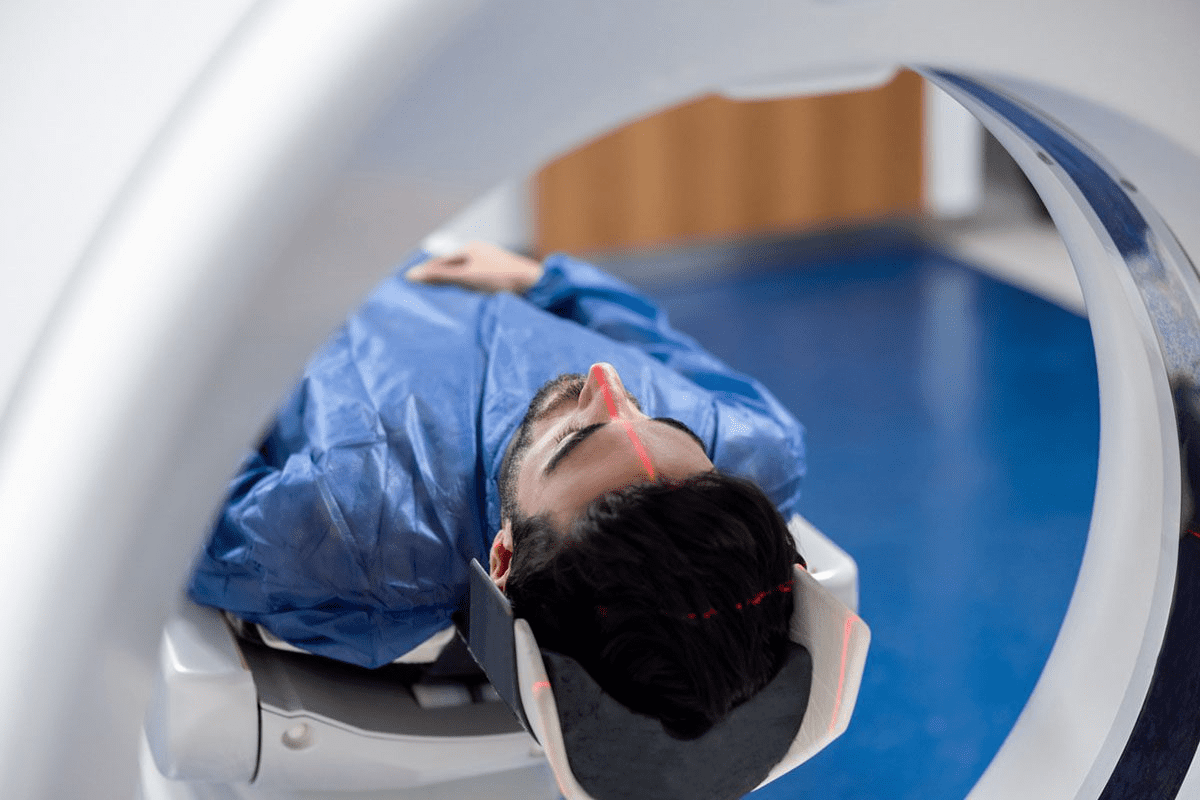
Diagnostic criteria include a detailed medical history and physical exam. Tests like MRI or CT scans, EEG, and nerve conduction studies are also used. The American Psychological Association and others guide clinicians in diagnosing and managing these conditions.
The Spectrum of Neurological Care
Neurological care covers a wide range. It goes from preventive measures to managing chronic conditions. A team of healthcare professionals, including neurologists and rehabilitation specialists, work together.
This care isn’t just about treating the condition. It’s also about managing symptoms and improving quality of life. Treatments can include medication, surgery, physical therapy, and lifestyle changes.
- Pharmacological treatments to manage symptoms or slow disease progression
- Surgical interventions for conditions such as tumors or aneurysms
- Rehabilitation therapies to regain lost functions or adapt to disabilities
- Lifestyle modifications to manage symptoms and improve overall health
Knowing about the different types of neurological care is vital. It helps healthcare providers offer the best support. This way, they can improve outcomes and enhance the lives of those with neurological conditions.
What Is Neurologically: Understanding the Terminology

It’s important for doctors and patients to know about neurological terms. Neurology is about problems with the nervous system. This includes the brain, spinal cord, and nerves.
The Meaning of Neurological and Neurologic
“Neurological” and “neurologic” mean the same thing: they’re about the nervous system. Neurological issues are many and varied. They can affect how the nervous system works or its structure.
Examples of these issues include stroke, epilepsy, Parkinson’s disease, and multiple sclerosis. These problems can come from genetics, infections, injuries, or just getting older.
Distinguishing Between Neurological and Psychiatric Conditions
Neurological and psychiatric conditions are different, even though they sometimes overlap. Neurological disorders mainly affect the nervous system. Psychiatric conditions deal with mental health.
But, some conditions can be both neurological and psychiatric. For example, some neurodegenerative diseases can cause mental symptoms.
| Condition Type | Primary Characteristics | Examples |
| Neurological | Affect the nervous system | Stroke, Epilepsy, Parkinson’s Disease |
| Psychiatric | Related to mental health | Depression, Anxiety Disorders, Schizophrenia |
It’s key to know the differences and how they can overlap. This helps in making the right diagnosis and treatment.
The Human Nervous System: A Brief Overview
The nervous system is key to our body’s functions. It handles both actions we choose and things we do without thinking, like our heartbeat and digestion.
Components of the Nervous System
The nervous system has two main parts: the central nervous system (CNS) and the peripheral nervous system (PNS). The CNS includes the brain and spinal cord, acting as the body’s control center. The PNS has nerves that connect the brain and spinal cord to the rest of the body.
The CNS handles information and controls the body’s responses. It makes sense of signals from the PNS, helping us react to our surroundings. The PNS, in turn, sends information from the senses to the CNS and carries out the CNS’s instructions to muscles and glands.
Impact of Neurological Disorders
Neurological disorders can greatly affect the nervous system. Diseases like Alzheimer’s, Parkinson’s, and multiple sclerosis can cause a variety of symptoms. These can range from memory loss and cognitive decline to trouble with movement.
| Neurological Disorder | Primary Affected Area | Common Symptoms |
| Alzheimer’s Disease | Brain | Memory loss, cognitive decline |
| Parkinson’s Disease | Brain (motor control areas) | Tremors, stiffness, movement difficulties |
| Multiple Sclerosis | Central Nervous System | Vision problems, muscle weakness, coordination issues |
Medical Expert, a famous neurologist, said, “The brain is a complex system, and its diseases are multifaceted, requiring a detailed approach to understand and treat them.” This highlights the complexity of neurological disorders and the need for a deep understanding of the nervous system to effectively address them.
“The nervous system is the most complex and detailed system in the human body, and its disorders can have a big impact on a person’s quality of life.”
It’s important to understand the human nervous system and its disorders to find effective treatments. By studying the nervous system’s structure and function, we can better grasp the effects of neurological disorders. This knowledge helps us work towards reducing their impact.
Common Neurological Symptoms and Warning Signs
Neurological conditions show a variety of symptoms. These can be physical, cognitive, or behavioral. Each person’s symptoms can differ and point to different neurological disorders.
Physical Symptoms
Physical symptoms include chronic pain, numbness, weakness, tremors, and coordination problems. These happen when nerves don’t work right. This can be due to injury, infection, or diseases that get worse over time.
- Pain that is persistent or severe
- Numbness or tingling sensations in limbs
- Muscle weakness or wasting
- Tremors or involuntary movements
Cognitive and Behavioral Symptoms
Cognitive and behavioral symptoms are memory loss, difficulty concentrating, mood swings, and changes in personality. These often show up in conditions that harm the brain, like Alzheimer’s and Parkinson’s.
- Memory loss or confusion
- Difficulty with concentration or decision-making
- Mood changes, such as depression or anxiety
- Changes in behavior or personality
When to Seek Medical Attention
See a doctor if you notice severe headache, sudden numbness or weakness, confusion, or difficulty speaking. Quick action can make a big difference in treating many neurological conditions.
Major Categories of Neurological Disorders
It’s key to know the main types of neurological disorders for diagnosis and treatment. These disorders can be grouped based on their causes, symptoms, and the nervous system parts they affect.
Knowing these categories helps us understand the wide range of neurological conditions. It also guides how to treat them. The main types are structural disorders, functional and degenerative disorders, and inflammatory and infectious disorders.
Structural Disorders
Structural disorders come from physical problems or damage to the brain or nervous system. Examples include:
- Traumatic brain injuries
- Stroke
- Brain tumors
- Spinal cord injuries
These conditions need quick medical help and might need surgery.
Functional and Degenerative Disorders
Functional and degenerative disorders affect how the nervous system works, often getting worse over time. Examples include:
- Alzheimer’s disease
- Parkinson’s disease
- Multiple sclerosis
- Amyotrophic lateral sclerosis (ALS)
These disorders can greatly affect a person’s life quality. They often need ongoing care.
Inflammatory and Infectious Disorders
Inflammatory and infectious disorders happen when infections or inflammation affect the nervous system. Examples include:
- Meningitis
- Encephalitis
- Multiple sclerosis (an autoimmune inflammatory condition)
These conditions can be either short-term or long-lasting. They need specific treatments to address the cause.
The table below shows the main types of neurological disorders:
| Category | Examples | Characteristics |
| Structural Disorders | Traumatic brain injuries, stroke, brain tumors | Physical damage or abnormalities |
| Functional and Degenerative Disorders | Alzheimer’s, Parkinson’s, multiple sclerosis | Impaired function, often progressive |
| Inflammatory and Infectious Disorders | Meningitis, encephalitis, multiple sclerosis | Infection or inflammation |
It’s vital to understand these categories for effective treatment plans. Each category needs a specific approach to care.
Common Neurological Conditions in Adults
Neurological disorders in adults come from many sources, like genetics, injury, or infection. These issues can greatly affect a person’s life, making it important to know their causes, symptoms, and treatments.
Cerebrovascular Diseases and Stroke
Cerebrovascular diseases, like stroke, are common in adults. A stroke happens when blood flow to the brain stops, either by blockage or vessel rupture. This can cause brain cells to die, leading to brain function loss.
Symptoms of a stroke include sudden weakness, trouble speaking, and vision problems. Quick medical help is key to treating stroke, as it can greatly improve results.
Risk factors for cerebrovascular diseases and stroke include high blood pressure, diabetes, high cholesterol, and smoking. Changing your lifestyle and taking medication can help prevent stroke.
Neurodegenerative Disorders
Neurodegenerative disorders are another big group of adult neurological conditions. These disorders cause the loss of brain cells and their function. Common ones are Alzheimer’s disease, Parkinson’s disease, and Huntington’s disease.
Alzheimer’s disease is the main cause of dementia in older adults, causing memory loss and communication problems. Parkinson’s disease mainly affects movement, leading to tremors, stiffness, and slow movement.
The causes of neurodegenerative disorders are complex, involving genetics and environment. While there’s no cure, treatments can help manage symptoms and slow disease progress.
Neurological Disorders in Children
It’s important to know about neurological disorders in kids early on. These conditions can really affect a child’s growth, behavior, and happiness.
Epilepsy and Seizure Disorders
Epilepsy and seizure disorders are big issues for kids. They cause kids to have seizures, which can be different in how bad they are and how often they happen. Managing seizures is key and usually means taking medicine to keep seizures from happening too often.
To figure out if a kid has epilepsy, doctors do lots of tests like EEG and sometimes MRI. They make a plan for each child based on how often they have seizures and their overall health.
Cerebral Palsy
Cerebral palsy is a permanent condition that affects how kids move and their muscle tone. It’s often found in young kids and can happen because of brain injury or problems during pregnancy or early life.
Helping kids with cerebral palsy means working together. They might see physical, occupational therapists, and sometimes need surgery to help them move better and feel less pain.
Neurodevelopmental Disorders
Neurodevelopmental disorders, like autism and ADHD, make it hard for kids to do everyday things. They can affect how kids act, learn, and get along with others.
It’s very important to catch these disorders early and start helping kids right away. Treatment might include special therapies, school help, and sometimes medicine to help with symptoms.
Dealing with neurological disorders in kids needs a caring and detailed approach. By understanding each child’s needs, doctors and families can make a big difference in their lives.
Neurological Impairment: Types and Severity
Neurological impairment comes from many conditions, causing different problems. It makes daily life hard for people.
Defining Neurological Impairment
Neurological impairment means losing or having trouble with body functions. This includes brain, movement, and feeling problems. The World Health Organization says it’s any loss or change in body structure or function.
Measuring Severity: Mild to Severe
Impairment can be mild, moderate, or severe. How severe it is depends on the condition and its effect on daily life.
- Mild Impairment: Some trouble with daily tasks but can manage with little help.
- Moderate Impairment: Noticeable effect on daily life, needs some help or tools.
- Severe Impairment: Needs a lot of help for daily tasks, may need full care.
Impact on Daily Functioning
Impairment can change many parts of life, like moving, talking, thinking, and feeling. How it affects daily life helps decide the care needed.
Rehab programs are made for each person’s needs. They aim to help them be more independent and improve their life quality. These programs have many healthcare experts working together.
Knowing about neurological impairment types and severity is key for good care. Healthcare teams can make better plans by understanding the impairment’s level and its daily life impact.
The Diagnostic Journey of a Neuro Patient
Diagnosing neurological conditions is a detailed process. It starts with an initial assessment. The journey to find the cause of symptoms is complex and involves many steps.
Initial Assessment and Referral Process
The first step is when a primary care doctor checks the patient’s symptoms and medical history. If they think it’s a neurological issue, they send the patient to a neurologist or a specialized center for more tests.
Key components of the initial assessment include:
- Detailed medical history
- Physical examination
- Initial neurological screening
The Comprehensive Neurological Examination
A detailed neurological examination is key to diagnosing conditions. It checks many areas, like thinking skills, nerve function, and reflexes.
“A thorough neurological examination is essential for identifying the nature and extent of neurological dysfunction, guiding further diagnostic testing and treatment planning.” –
Neurological Examination Guidelines
The exam may include several tests, such as:
| Test | Purpose |
| Cognitive Function Tests | Assess memory, attention, and language skills |
| Cranial Nerve Examination | Evaluate the function of cranial nerves |
| Motor and Sensory Examination | Assess muscle strength, tone, and sensation |
Advanced Diagnostic Testing
Advanced tests are often needed to confirm a diagnosis. These include imaging, electrophysiological, and laboratory tests.
- MRI (Magnetic Resonance Imaging)
- EEG (Electroencephalogram)
- EMG (Electromyogram)
- Lumbar Puncture (LP) or Spinal Tap
These tools help doctors accurately diagnose and manage neurological conditions. This improves patient care and outcomes.
Is ADHD a Neurological Condition?
Understanding ADHD as a neurological condition means looking at its roots in the brain and the ongoing debate about its classification.
Neurobiological Basis of ADHD
Studies show ADHD is linked to changes in the brain, affecting areas like attention and impulse control. Neuroimaging has found differences in brain volume and activity in ADHD patients compared to others.
ADHD also involves imbalances in neurotransmitters like dopamine and norepinephrine. These chemicals are key for attention and impulse control. These imbalances can disrupt brain circuits, leading to ADHD symptoms.
The Debate: Neurological Disorder vs. Mental Health Condition
There’s a debate on whether ADHD is a neurological disorder or a mental health condition. Some say it’s a neurological disorder because of brain changes. Others believe it’s a mental health condition due to its impact on behavior and emotions.
This debate is made more complex because ADHD often happens with other mental health issues. This makes its classification even more nuanced.
Current Scientific Consensus
Most scientists agree ADHD is a complex condition with both neurological and environmental factors. The American Psychiatric Association and others see ADHD as a neurodevelopmental disorder. They recognize its roots in the brain and genetics.
| Aspect | Neurological Disorder Perspective | Mental Health Condition Perspective |
| Basis | Associated with brain structure and function abnormalities | Involves behavioral and emotional regulation issues |
| Symptoms | Inattention, hyperactivity, and impulsivity due to neurobiological factors | Behavioral and emotional difficulties, often co-occurring with other mental health conditions |
| Treatment Approach | May include medication targeting neurobiological aspects, alongside behavioral therapy | Often involves behavioral therapy and management of co-occurring mental health conditions |
Seeing ADHD as a neurological condition with mental health implications highlights the need for a full treatment plan. This plan should tackle both the brain and psychological aspects of ADHD.
Neurological Events and Their Consequences
Acute neurological events are serious medical emergencies that need quick action. They can include strokes, brain injuries, seizures, and more. These events affect the brain and nervous system.
When a neurological event happens, the first step is to keep the patient safe. Prompt medical intervention is key. It helps prevent long-term brain damage.
Acute Neurological Events
These events start suddenly and can cause serious harm. Some examples are:
- Stroke: It happens when blood flow to the brain is cut off, causing brain damage.
- Traumatic Brain Injury (TBI): It’s a complex injury with many symptoms and disabilities.
- Seizures: They are sudden brain electrical activity that can change how someone acts for a short time.
These events need quick medical checks to find the right treatment.
Long-term Neurological Changes
After a neurological event, changes can last a long time. These might include:
- Cognitive issues, like memory loss or trouble focusing.
- Physical problems, like paralysis or coordination issues.
- Emotional and behavioral changes, like mood swings or irritability.
A leading neurologist said,
“The road to recovery after a neurological event is often long and challenging, requiring a multidisciplinary approach to care.”
Rehabilitation is key in helping people recover. It includes physical, occupational, and speech therapy. These help regain lost functions and adapt to changes.
In summary, timely medical care and rehabilitation are vital. Understanding these events helps healthcare providers support people better. This way, they can achieve the best outcomes.
Living with Neurological Conditions
Neurological conditions bring unique challenges that need special care. They affect every part of a person’s life, from daily tasks to long-term dreams.
Daily Challenges and Adaptations
People with neurological conditions face many daily hurdles. These include physical, cognitive, and emotional challenges. For example, Parkinson’s disease can make simple tasks hard due to tremors and rigidity.
Using assistive devices or changing living spaces can help a lot. This can make life better.
Common daily challenges include:
- Mobility issues
- Cognitive fatigue
- Emotional regulation
- Social isolation
Neurological Disabilities and Accommodations
Neurological disabilities can affect people differently. They need various accommodations to help them. These can be changes at work, school, or home.
For instance, someone with epilepsy might need a safe work area during seizures.
| Type of Disability | Possible Accommodations |
| Mobility Impairments | Wheelchair ramps, adjustable desks |
| Cognitive Impairments | Extra time for tasks, memory aids |
| Seizure Disorders | Safety measures, seizure response plans |
Support Systems and Resources
Support systems are key for those with neurological conditions. This includes family, healthcare, support groups, and online resources. Having these can really help manage the condition and improve life quality.
“Support groups offer a sense of community and understanding that is invaluable for individuals navigating the challenges of neurological conditions.”
Places like the National Institute of Neurological Disorders and Stroke (NINDS) and the Epilepsy Foundation are great resources. They provide information, support, and advocacy for those affected by neurological conditions.
The Multidisciplinary Approach to Neurological Care
Neurological disorders are complex, needing a team effort from many healthcare experts. This team approach ensures patients get care that fits their unique needs.
The Neurological Care Team
A team for neurological care includes neurologists, neurosurgeons, rehabilitation therapists, and nurses. Each expert adds their skills to create a complete treatment plan.
The neurologist is key in diagnosing and managing conditions. Neurosurgeons handle surgeries. Rehabilitation therapists help patients improve their function.
Integrated Treatment Plans
The care team works together to create treatment plans. They consider the patient’s history, current state, and goals. These plans tackle the many aspects of neurological disorders.
Good plans mix medicines, physical therapy, and lifestyle changes. Regular check-ins and plan updates keep care on track with the patient’s changing needs.
The Role of Caregivers and Family
Caregivers and family are essential for those with neurological conditions. They offer emotional support, help with daily tasks, and watch over the patient.
Teaching caregivers about the patient’s condition and treatment is key. This knowledge helps them support better, making care more effective.
Advances in Neurological Treatment and Research
Neurological treatment has made big strides thanks to new research and tech. These changes have greatly improved how well patients do and their overall quality of life.
Pharmacological Innovations
New medicines have been key in improving neurological care. Targeted therapies are showing great promise in treating diseases like multiple sclerosis and epilepsy.
For example, new treatments for multiple sclerosis have changed how we manage this condition. They offer patients better treatment choices.
Surgical and Interventional Approaches
Surgery has also seen big improvements, with minimally invasive procedures becoming more common. These methods cut down on recovery time and lower the risks of traditional surgery.
Take stereotactic surgery for Parkinson’s disease and other movement disorders. It’s shown a lot of promise in helping patients feel better.
Neurorehabilitation Techniques
Neurorehabilitation is key in helping patients get better from neurological injuries or manage long-term conditions. Advances in physical therapy and occupational therapy have made rehab more effective.
New methods like virtual reality therapy are being looked at for their rehab benefits.
Promising Research Directions
Research is always finding new ways to treat neurological conditions. Areas like gene therapy and stem cell therapy could lead to new treatments for hard-to-treat diseases.
Also, new tech in neuroimaging and neuromodulation is expected to open up more treatment options.
Living with Neurological Conditions: Challenges and Opportunities
Neurological conditions bring unique challenges that need adaptability and resilience. People with these conditions face many difficulties. These can affect their daily life, relationships, and overall happiness.
Daily Challenges and Adaptations
Daily life with a neurological condition is filled with challenges. These include physical symptoms, cognitive issues, and emotional changes. To deal with these, people often have to change their daily routines and lifestyles a lot.
- Developing strategies to cope with physical symptoms such as pain, fatigue, or mobility issues.
- Implementing cognitive aids and techniques to manage memory, concentration, or other cognitive difficulties.
- Seeking emotional support through counseling, support groups, or loved ones to address emotional changes or mental health concerns.
Support Systems and Resources
A strong support system is key for those with neurological conditions. This includes healthcare professionals, family, friends, and community resources.
Key components of a support system:
- Access to specialized healthcare services and professionals.
- Emotional support from family, friends, or support groups.
- Community resources, such as rehabilitation services, home care, or respite care.
Promoting Quality of Life
Improving quality of life is a big task. It involves medical care, lifestyle changes, and psychological support. Ways to enhance quality of life include:
- Practicing self-care and stress management techniques.
- Engaging in activities that bring joy and fulfillment.
- Building and maintaining social connections.
By facing the challenges of neurological conditions and using support systems, people can live better lives. They can handle the complexities of these conditions.
Conclusion
Neurological conditions affect millions of people around the world. They impact their quality of life and daily activities. In this article, we’ve looked into the complexities of being a neuro patient.
We’ve covered what neurological conditions are and the different types and symptoms. Effective care for these conditions needs a complete approach. This includes the latest in treatment and research.
Healthcare professionals can offer personalized care by understanding these disorders. This improves patient outcomes and their overall well-being.
As we wrap up our talk on neurological conditions, it’s clear we need more research and education. Working together, we can better understand these conditions. This will improve the lives of those affected.
FAQ
What is considered a neuro patient?
A neuro patient is someone with a condition that affects their nervous system. This includes the brain, spinal cord, and nerves.
What is the medical definition of a neurological patient?
A neurological patient has a condition that impacts their nervous system. This can be due to degenerative, inflammatory, infectious, or structural disorders.
What does neurological mean?
Neurological refers to the nervous system, including the brain, spinal cord, and nerves. It covers a wide range of conditions and symptoms.
What is the difference between neurological and psychiatric conditions?
Neurological conditions affect the nervous system’s structure or function. Psychiatric conditions deal with mental health and emotional well-being. There can be overlap, though.
What are some common neurological symptoms?
Common symptoms include pain, numbness, weakness, and cognitive issues. Behavioral changes are also common.
What are the major categories of neurological disorders?
Neurological disorders are mainly categorized into structural, functional and degenerative, and inflammatory and infectious types.
Is ADHD a neurological condition?
Yes, ADHD is a neurological condition. It affects the brain’s structure and function, mainly in areas related to attention and impulse control.
What is neurological impairment?
Neurological impairment is any loss or abnormality of neurological function. This includes cognitive, motor, or sensory deficits due to various conditions.
How are neurological conditions diagnosed?
Diagnosis involves a thorough neurological examination. This includes medical history, physical exam, and advanced tests like imaging and electrophysiological tests.
What is the role of caregivers and family in supporting individuals with neurological conditions?
Caregivers and family members are key in supporting those with neurological conditions. They provide emotional support, help with daily tasks, and manage treatment plans.
What are some common neurological conditions in adults?
Adults often face conditions like cerebrovascular diseases and stroke. Neurodegenerative disorders, such as Alzheimer’s and Parkinson’s, are also common. Multiple sclerosis is another condition adults may experience.
What are some common neurological conditions in children?
Children may have epilepsy and seizure disorders, cerebral palsy, and neurodevelopmental disorders like autism spectrum disorder.
What is the multidisciplinary approach to neurological care?
Neurological care involves a team of professionals. This includes neurologists, rehabilitation specialists, and therapists. They work together to provide complete treatment and support.
What are some advances in neurological treatment and research?
Advances include new medications, surgical methods, and neurorehabilitation techniques. Research is also exploring gene therapy and stem cell therapy.
References
The Lancet. Evidence-Based Medical Insight. Retrieved from https://www.thelancet.com/journals/laneur/article/PIIS1474-4422(20)30090-5/fulltext