Last Updated on November 18, 2025 by Ugurkan Demir
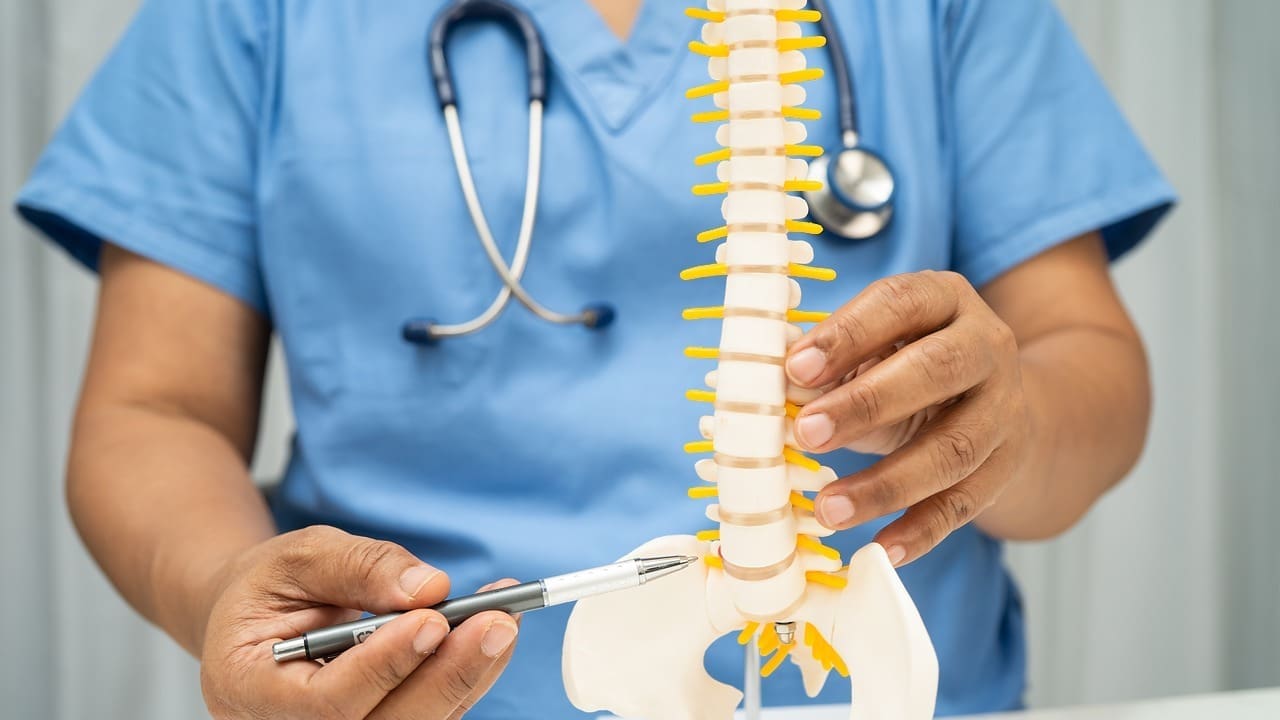
For those with chronic back pain, spondylosyndesis, or spinal fusion, is a surgery that might help. We are experts in this complex surgery. It permanently joins two or more vertebrae, making them fused vertebrae. This stops movement and adds stability to the spine.
The Lown Institute says too many older adults have back surgeries they don’t need. Over 200,000 such surgeries happen every year. Knowing about lumbar fusion definition is key for those thinking about it. By joining vertebrae, we hope to lessen pain and make the spine more stable. This improves our patients’ lives.
Key Takeaways
- Spinal fusion surgery, or spondylosyndesis, is a procedure that joins two or more vertebrae to stabilize the spine.
- The surgery aims to relieve chronic back pain by eliminating movement between the fused vertebrae.
- Understanding the necessity of spinal fusion is critical to avoid unnecessary surgeries.
- Liv Hospital‘s approach focuses on patient-centered care and evidence-based practices.
- Advanced techniques in spinal fusion surgery improve outcomes and patient satisfaction.
Understanding Spinal Fusion: Definition and Basic Concepts
Spinal fusion surgery, also known as vertebral fusion or fusion spinal, is a medical procedure. It merges two or more vertebrae to stop movement and ease pain. This surgery stabilizes the spine and treats spinal conditions that cause discomfort and instability.
Defining Spondylosyndesis and Spondylodesis
Spondylosyndesis and spondylodesis are terms linked to spinal fusion. Spondylosyndesis is the surgical fusion of vertebrae. Spondylodesis is another term for the process of joining two or more vertebrae. Knowing these terms helps us understand spinal fusion surgery.
The Purpose of Creating Fused Vertebrae
The main goal of fusing vertebrae is to stop or lessen pain from abnormal movement or spine instability. By joining vertebrae, we can make the spinal column stable again. This improves the patient’s life quality. The fusion can happen at any spinal level, like in the lower back.
| Term | Description |
|---|---|
| Spondylosyndesis | Surgical fusion of vertebrae |
| Spondylodesis | Process of achieving a union between two or more vertebrae |
| Lumbar Fusion | Surgical fusion targeting the lower back |
Research shows spinal fusion can be a good treatment for many spinal issues. For example, a study on octogenarians with spinal metastases found a median survival time of 11.6 months. This shows the surgery’s benefits for certain patients.
The Anatomy of the Spine and Why Fusion May Be Necessary
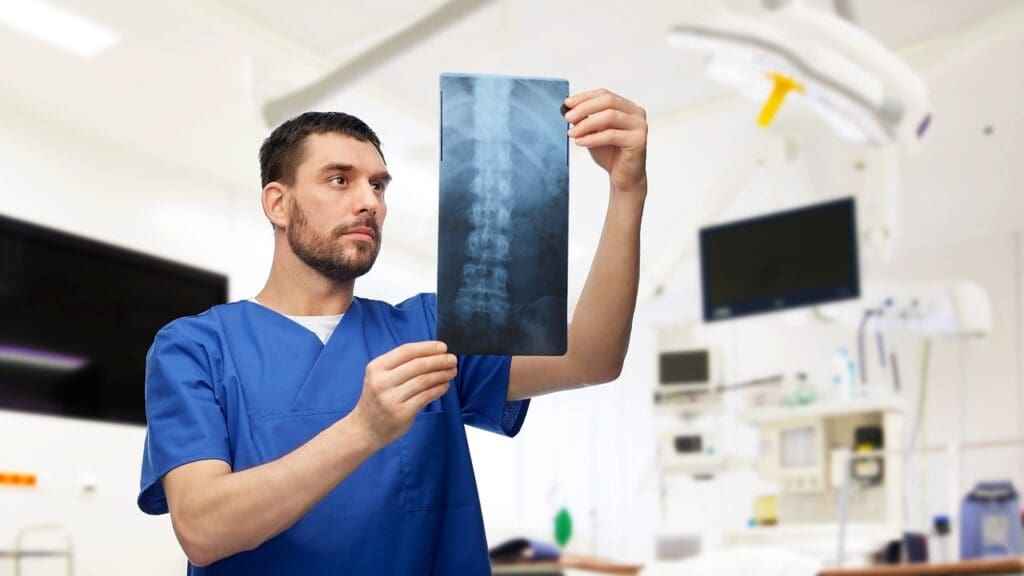
The human spine is a complex structure. Its dysfunction can lead to the need for spinal fusion. The spine is made up of multiple vertebrae that support and flex the body.
Spinal Structure and Function
The spine’s structure includes vertebrae, discs, and ligaments. These work together for movement and support. The vertebrae are the spine’s building blocks, and discs act as shock absorbers.
Common Spinal Problems Leading to Fusion of Vertebrae
Several spinal conditions may require spinal fusion surgery. These include degenerative disc disease, herniated discs, spinal stenosis, and spondylolisthesis. These issues often come from wear and tear on the spine.
In such cases, spinal fusion can stabilize the vertebrae. It also relieves pressure on nerves.
Surgeons use bone grafts for fusion. These can come from the patient, a donor, or synthetic materials. Advances in artificial intelligence have also improved preoperative planning. This makes surgery more accurate and efficient.
Medical Conditions Treated with Spinal Fusion
Spinal fusion surgery is used to treat many medical conditions. It involves fusing two or more vertebrae together. This helps stabilize the spine and relieve pain.
Degenerative Disc Disease and Herniated Discs
Degenerative disc disease and herniated discs can cause a lot of back pain. If other treatments don’t work, spinal fusion might be an option. The surgery removes the damaged disc and fuses the vertebrae together, often with implants.
Spinal Stenosis and Nerve Compression
Spinal stenosis narrows the spinal canal, putting pressure on nerves. This can lead to pain, numbness, or weakness. Spinal fusion, along with decompression surgery, can relieve this pressure and stabilize the spine.
Spondylolisthesis and Spinal Instability
Spondylolisthesis is when a vertebra slips out of place. This can cause spinal instability. Spinal fusion surgery can correct this and stabilize the spine, reducing pain and preventing further damage.
Fractures, Trauma, and Spinal Deformities
Spinal fusion is also used for fractures, trauma, and spinal deformities like scoliosis. It stabilizes the spine and corrects deformities, improving the patient’s quality of life and preventing complications.
Key conditions treated with spinal fusion include:
- Degenerative disc disease
- Herniated discs
- Spinal stenosis
- Spondylolisthesis
- Spinal fractures and trauma
- Spinal deformities like scoliosis
A study found that octogenarians undergoing spinal metastases surgery had a 31% complication rate. This shows the need to carefully weigh the risks and benefits of spinal fusion for each patient.
Types of Spinal Fusion Procedures by Location
Spinal fusion is not a one-size-fits-all solution. It’s tailored to address issues in different spinal regions. The type of spinal fusion procedure often depends on the location of the spinal problem. We will explore the different types of spinal fusion based on their location in the spine.
Lumbar Fusion: Definition and Approaches
Lumbar fusion, also known as lumbar fusion definition, involves joining two or more vertebrae in the lower back (lumbar spine) to stabilize the area and alleviate pain. This procedure can be performed using various approaches, including posterior lumbar interbody fusion (PLIF) and anterior lumbar interbody fusion (ALIF).
A study on automatic pedicle screw planning using deep learning algorithms found that the Dice coefficient for segmentation accuracy was 0.95. This indicates a high level of precision in lumbar fusion procedures.
Cervical Fusion Techniques
Cervical fusion involves stabilizing the neck region of the spine. Techniques used in cervical fusion include anterior cervical discectomy and fusion (ACDF) and posterior cervical fusion. These methods help in treating conditions like herniated discs and spinal stenosis in the cervical spine.
“The goal of cervical fusion is to relieve pressure on the spinal cord or nerves by stabilizing the vertebrae in the neck region.” – Neurosurgeon
Thoracic Fusion Methods
Thoracic fusion is performed in the middle part of the spine, known as the thoracic spine. This type of fusion is less common than lumbar or cervical fusion but is critical for addressing issues like scoliosis or fractures in the thoracic region.
| Type of Fusion | Location | Common Techniques |
|---|---|---|
| Lumbar Fusion | Lower Back | PLIF, ALIF |
| Cervical Fusion | Neck | ACDF, Posterior Cervical Fusion |
| Thoracic Fusion | Mid-Back | Posterior Approach |
Multi-Level Fusion Considerations
In some cases, patients may require fusion across multiple levels of the spine, known as multi-level fusion. This complex procedure demands careful planning and execution to ensure stability and optimal outcomes across the fused segments.
Fused discs and fused-spine segments can alleviate back pain by stabilizing the affected area. The choice of fusion procedure depends on various factors, including the patient’s condition, the location of the spinal issue, and the surgeon’s expertise.
The Surgical Process of Spine Fusion Explained
Spine fusion surgery has several key steps. These steps are important for fixing the spine and easing pain. We’ll walk you through each stage, from the start to the end.
Pre-Surgical Evaluation and Preparation
Before surgery, patients get checked thoroughly. Doctors look at their health and spine condition. They review medical history, do physical checks, and study X-rays and scans.
Surgical Approaches: Anterior, Posterior, and Lateral
There are different ways to do spinal fusion surgery. These include going in from the front, back, or side. The choice depends on the spine problem and the surgeon’s skill.
The Step-by-Step Fusion Process
The fusion process has important steps:
Disc Removal and Decompression
The first step is to take out the bad disc. This helps relieve pressure and pain on the nerves.
Bone Graft Placement
Then, a bone graft is put between the vertebrae. This graft can be from the patient or a donor. It helps the vertebrae fuse together.
Hardware Installation
Next, hardware like screws and rods are put in. This helps keep the spine stable and supports healing.
New techniques and technology have made spinal fusion better. Minimally invasive methods help patients recover faster and have fewer risks. Knowing what happens during surgery helps patients prepare for a good outcome.
Bone Grafts and Materials Used in Vertebral Fusion
Bone grafts are key in spinal fusion surgery. They help fuse vertebrae together. This makes the spine stable.
Autografts: Using Patient’s Own Bone
Autografts use the patient’s own bone. This bone is usually taken from the iliac crest. They work well because they promote fast and strong bone growth.
Allografts: Donor Bone Options
Allografts come from donors. They are cleaned and ready for use. They’re a good choice when the patient’s own bone can’t be used.
Synthetic and Biological Bone Graft Substitutes
Synthetic substitutes are made from materials like ceramics. Biological substitutes include DBM and BMPs. They help with bone growth and are less risky.
Bone Morphogenetic Proteins (BMPs)
BMPs are proteins that help bones grow. They make bone grafts work better. Research shows they can make spinal fusion surgeries more successful.
Knowing about bone grafts helps patients choose the right option for their surgery. Our team works hard to pick the best bone graft for each person.
Hardware and Implants in Back Fusion Surgery
Modern spinal fusion surgery relies heavily on advanced hardware and implants. These tools help stabilize the spine, aid in bone fusion, and restore its structure.
Pedicle Screws and Rod Systems
Pedicle screws and rod systems are key in spinal fusion. They anchor to the vertebrae and connect with rods. This setup corrects deformities and keeps the spine aligned. Thanks to pedicle screws, spinal fusion surgeries have seen better results.
Interbody Cages and Spacers
Interbody cages and spacers are vital in spinal fusion. They sit between vertebrae to keep disc height, promote fusion, and add stability. Made from materials like titanium and PEEK, they’re often filled with bone graft to help fusion.
Plates and Other Stabilization Devices
Plates and other devices also support the spine during fusion. Anterior cervical plates are used in neck surgeries. Other plates are designed for different spine areas.
Advances in Implant Technology
New implant technology has boosted spine fusions outcomes. Better materials and designs mean better spine integration, shorter recovery times, and better patient results. We’re seeing more durable, compatible, and effective implants for spine fused patients.
Minimally Invasive Approaches to Fused Back Surgery
Minimally invasive fused back surgery is a big step forward in spinal surgery. It gives patients a new option compared to old methods. This new way focuses on less damage and quicker healing.
Benefits of Minimally Invasive Techniques
These new methods have many advantages. They use smaller cuts, cause less bleeding, and lower the chance of infection. A study in the E-Neurospine journal shows they also mean shorter stays in the hospital and faster recovery.
The benefits of these surgeries are clear. Less damage to tissues and less pain after surgery are key. As we get better at these methods, we see fewer problems and happier patients.
Endoscopic and Tubular Approaches
Endoscopic and tubular methods are common in these surgeries. They use special tools and cameras through small openings. Precision and accuracy are key, and new tech has made these surgeries more successful.
Robot-Assisted Spinal Fusion
Robot-assisted spinal fusion uses robots to help with surgery. It aims to be more precise and cut down on problems. It’s a new and promising area in spinal surgery.
Laser and Ultrasonic Tools in Modern Fusion
Laser and ultrasonic tools are also big steps forward. They let surgeons do detailed work with more precision. This reduces risks and improves results for patients.
| Technique | Benefits | Key Features |
|---|---|---|
| Endoscopic | Minimally invasive, less tissue damage | Specialized instruments, imaging systems |
| Tubular | Reduced muscle disruption, faster recovery | Tubular retractors, microscopic visualization |
| Robot-Assisted | Enhanced precision, reduced complications | Robotic technology, real-time imaging |
We keep improving minimally invasive techniques. Our goal is to give patients the best treatments. These new methods help us achieve better results and improve lives for those with fused back surgery.
Benefits and Risks of Having a Fused Spine
Choosing spinal fusion surgery means looking at its good points and possible downsides. This surgery aims to stabilize the spine and ease pain.
Pain Relief and Stability Improvements
Spinal fusion can greatly reduce pain. It stops vertebrae from moving, which often causes pain. It also makes the spine more stable, helping with issues like degenerative disc disease or fractures.
Key benefits include:
- Reduced pain
- Improved spinal stability
- Enhanced quality of life
Potential Complications and Side Effects
Spinal fusion is effective but comes with risks. Complications can include infection, nerve damage, and hardware failure. A study found a high complication rate, showing the importance of choosing the right patient and using precise surgical methods.
Some possible complications to think about:
- Infection
- Nerve damage
- Hardware failure
- Blood clots
Adjacent Segment Disease
Fusing parts of the spine can help with back pain but might put extra stress on nearby vertebrae. This can lead to adjacent segment disease, where these vertebrae wear out faster.
Success Rates and Factors Affecting Outcomes
How well spinal fusion works depends on many things. These include who gets the surgery, how it’s done, and how well they recover. Studies show that with the right approach, many people see good results.
Factors influencing success rates:
- Patient selection
- Surgical technique
- Post-operative care
- Pre-existing medical conditions
In summary, spinal fusion surgery has its risks but can greatly benefit the right patients. Knowing the pros and cons helps patients make better choices about their treatment.
Conclusion: Recovery and Long-Term Outlook After Spinal Fusion
Understanding the recovery and long-term outlook after spinal fusion is key. Proper care after surgery can greatly improve results. Studies show that focusing on postoperative care leads to better outcomes for those with spinal issues.
After surgery, patients need to rest and then start physical therapy. This helps strengthen back muscles and improve flexibility. Most patients see a big improvement in pain and quality of life over time.
It’s vital to follow all postoperative instructions and keep up with follow-up appointments. This ensures a smooth recovery. By doing this, patients can have a successful outcome and enjoy the benefits of spinal fusion, like better spinal stability and less pain.
FAQ
What is spinal fusion surgery?
Spinal fusion surgery is a procedure where two or more vertebrae are joined together. This is done to stabilize the spine, ease pain, and improve its structure.
Why is spinal fusion necessary?
It’s needed for conditions like degenerative disc disease and spinal stenosis. It also helps with fractures and spinal deformities. The goal is to provide stability and relieve pain.
What are the different types of spinal fusion procedures?
There are several types, including lumbar, cervical, and thoracic fusions. Each has its own approach and techniques.
What is the difference between autografts, allografts, and synthetic bone grafts?
Autografts use the patient’s own bone. Allografts come from donors. Synthetic grafts are artificial. The choice depends on the patient’s condition and surgery needs.
What hardware and implants are used in spinal fusion surgery?
Hardware includes pedicle screws, rod systems, and cages. Spacers and plates are also used. They help stabilize the spine and aid in fusion.
What are the benefits of minimally invasive spinal fusion?
This method has smaller incisions and less tissue damage. It also reduces blood loss and leads to faster recovery times compared to traditional surgery.
What are the possible complications of spinal fusion surgery?
Complications can include infection and nerve damage. Hardware failure and adjacent segment disease are also possible. Proper technique and care can help minimize these risks.
How successful is spinal fusion surgery?
Success depends on the condition, technique, and patient health. It can offer significant pain relief and improve quality of life for many.
What is the recovery process like after spinal fusion surgery?
Recovery involves postoperative care, including pain management and physical therapy. Follow-up appointments are also important to ensure healing and minimize complications.
How long does it take to recover from spinal fusion surgery?
Recovery time varies based on the individual and the surgery’s extent. Generally, it takes several months for the spine to stabilize.
Can I return to normal activities after spinal fusion surgery?
Yes, many patients can resume their normal activities. Some may need to avoid heavy lifting and strenuous exercises to protect the fused spine.
References
- MedlinePlus : https://www.medlineplus.gov/ency/article/002968.htm
- Wikipedia : https://en.wikipedia.org/wiki/Spinal_fusion