Last Updated on December 2, 2025 by Bilal Hasdemir
Keeping your prostate healthy is key, and exercise is a big part of it. Studies show that moving your body can stop prostate problems like BPH and cancer.
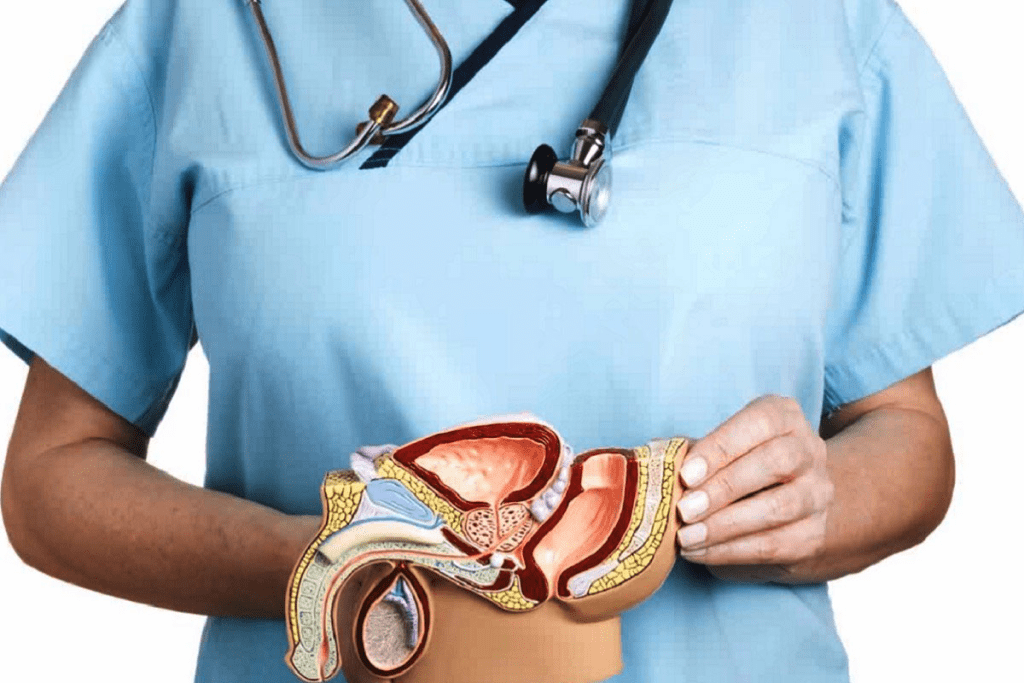
Kegel exercises are a top pick for prostate health. They make your pelvic floor muscles strong. This helps you control your urine better and boosts your sex life. Try doing Kegels every day to help your prostate stay healthy.
Key Takeaways
- Regular exercise helps prevent prostate issues like BPH and prostate cancer.
- Kegel exercises strengthen pelvic floor muscles, improving urinary continence.
- Enhanced erectile function is a benefit of consistent Kegel exercise practice.
- Incorporating physical activity into your daily routine supports prostate health.
- Kegel exercises are a recommended practice for men seeking to improve prostate well-being.
Understanding Prostate Health and Exercise
Regular physical activity is key to keeping the prostate healthy. A balanced fitness routine greatly benefits men’s health. It shows that exercise is more than just physical; it’s also good for our internal organs, like the prostate.
Exercise boosts blood flow and cuts down on inflammation. Physical activity has been shown to improve prostate function by doing these things.
The Connection Between Physical Activity and Prostate Function
Studies show that active men have healthier prostates than inactive ones. Aerobic activities like brisk walking, swimming, and cycling are great. They help keep the prostate healthy by improving blood flow.
The Health Professionals Follow-up Study found that active men face less BPH and erectile dysfunction. This shows how important it is to stay active.
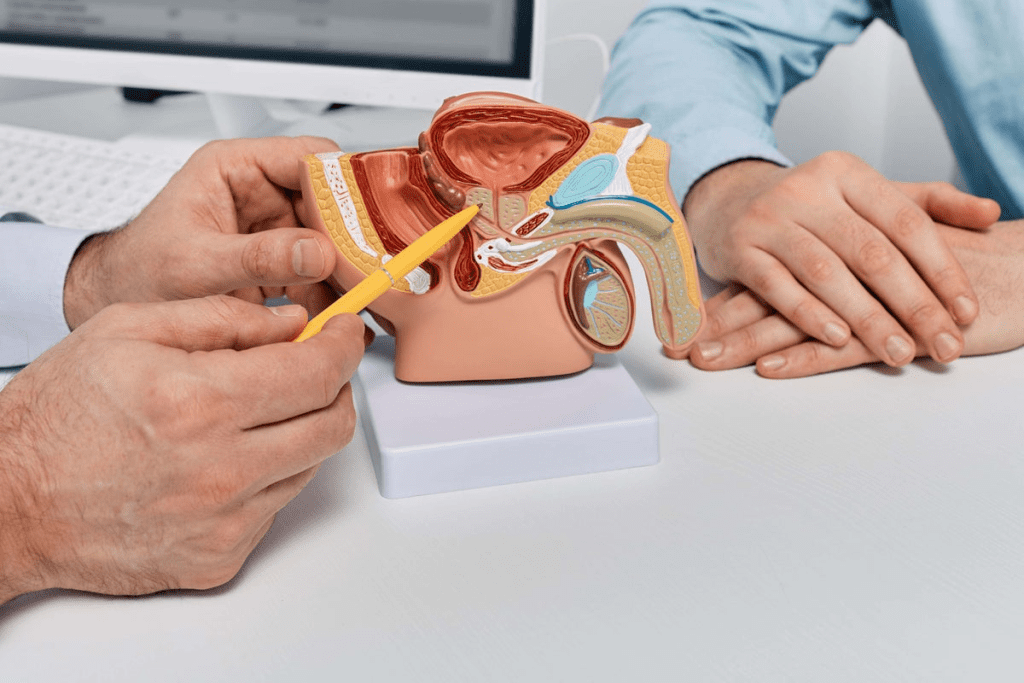
How Regular Exercise Reduces Inflammation and Disease Risk
Exercise fights inflammation, which is key for prostate health. It helps lower the risk of prostate problems like BPH and cancer.
Along with aerobic exercises, kegel exercises for men and male pelvic floor workouts are vital. They strengthen the pelvic muscles, improving bladder control and sex life.
By mixing aerobic exercises with Kegels, men can support their prostate health. It’s wise to talk to a doctor to create a fitness plan that fits your needs and goals.
Kegel Exercises: The Gold Standard for Prostate Health
Kegel exercises are a top choice for prostate health. They strengthen the pelvic floor muscles. These muscles are key for urinary and sexual function. Men can greatly benefit their prostate by doing Kegel exercises regularly.
What Are Kegel Exercises and How They Work
Kegel exercises are simple but powerful. They target the pelvic floor muscles. These muscles support the bladder, bowel, and prostate.
By strengthening them, men can better control their urine, reduce prostate issues, and improve sex life. The key to effective Kegel exercises is identifying and contracting the correct muscles.
To start, find the muscles that stop urine flow. Contract these muscles for a few seconds and then release. Consistency is key, as regular practice leads to improved muscle strength over time.
Step-by-Step Guide to Performing Kegel Exercises Correctly
Doing Kegel exercises right is important for their benefits. Here’s how:
- Identify the pelvic floor muscles by stopping the flow of urine mid-stream.
- Contract these muscles for 5-10 seconds.
- Release the contraction for 5-10 seconds.
- Repeat the cycle 10-15 times per session.
- Aim for at least 3 sessions a day.
It’s important to avoid contracting other muscles, such as those in the abdomen, thighs, or buttocks, as this can put unnecessary strain on the body.

Scientific Evidence: Improved Urinary Continence and Sexual Function
Many studies show Kegel exercises are good for men’s health. They improve urinary continence and sexual function. Research has shown that regular Kegel training can lead to significant improvements in these areas.
- A study in the Journal of Urology found that men who did Kegel exercises had better urinary control after prostate surgery.
- Another study showed that pelvic floor exercises can improve erectile function. Stronger pelvic floor muscles can enhance sex life.
By adding Kegel exercises to their daily routine, men can support their prostate health and overall well-being.
Aerobic Activities That Benefit Your Prostate
Regular aerobic exercise is great for your prostate. It helps improve circulation and reduce inflammation. We’ll look at exercises like walking, swimming, and cycling that are good for your prostate.
Walking: The 57% Advantage for Prostate Health
Walking is easy and effective for prostate health. Men who walked briskly for three hours a week saw their prostate cancer progress 57% slower. This is because walking improves circulation and reduces inflammation.
To start walking, aim for brisk walks of 30 minutes, several times a week. You can also walk to work or take the stairs instead of the elevator.
Swimming and Water Exercises for Circulation Improvement
Swimming and water exercises are great for prostate health. They improve circulation. Water also reduces joint impact, making it good for people with mobility issues.
- Swimming laps
- Water aerobics
- Water walking
These activities boost heart health and muscle strength. For more tips, visit this resource.
Cycling: Benefits and Proper Technique for Prostate Protection
Cycling is good for prostate health. It improves circulation and strengthens muscles around the prostate. But, it’s important to use the right technique to avoid pressure on the prostate.
To cycle safely:
- Adjust your bike seat to the correct height to avoid pressure on your prostate.
- Wear padded cycling shorts to reduce discomfort.
- Take regular breaks during long rides.
Adding these aerobic activities to your life can greatly improve your prostate health. Choose exercises you like to keep a regular routine. This way, you’ll enjoy better circulation, less inflammation, and overall well-being.
Strengthening and Flexibility Exercises for Complete Pelvic Health
Improving pelvic health is not just about Kegel exercises. Yoga and Pilates also play a big role. They help with flexibility and strength. Adding these to your routine can boost prostate function, lower stress, and enhance overall health.
Yoga Poses That Support Prostate Function and Reduce Stress
Yoga is key for prostate health. It includes poses that boost flexibility, strengthen pelvic muscles, and cut down stress. Here are some poses to try:
- Child’s Pose: It stretches the back and hips, helping you relax.
- Cobra Pose: This pose strengthens the back and opens the chest, improving blood flow.
- Hero Pose: It stretches the hips and thighs, making you more flexible.
Adding these poses to your daily routine can help your prostate and overall health.
Pilates Movements for Enhanced Pelvic Floor Strength
Pilates is great for strengthening the pelvic floor muscles. It focuses on the core and controlled movements. This improves pelvic floor strength and bladder control. Here are some Pilates moves to try:
- Pelvic Tilts: It strengthens the abdominal muscles and boosts pelvic floor engagement.
- Leg Circles: This move enhances core stability and promotes controlled movement.
- Bridge Pose: It strengthens the glutes and improves pelvic floor muscle engagement.
Combining yoga, Pilates, and Kegel exercises offers a complete pelvic health plan. It supports prostate function and overall well-being.
Conclusion: Building Your Personalized Prostate Exercise Routine
Exercise is key for a healthy prostate. We’ve seen how different activities, like Kegel exercises, can help. Adding these to your routine can lower prostate risks and boost your health.
A good prostate workout plan should mix Kegel exercises, aerobic activities, and flexibility exercises. Kegels strengthen pelvic muscles, while aerobic activities like walking improve blood flow. Flexibility exercises, like yoga, help reduce stress and improve pelvic health.
Creating a prostate exercise plan might seem hard, but start small. Begin with simple steps to improve your prostate health. It’s smart to talk to a doctor to make a plan that fits you. This plan should include Kegel exercises and other activities to keep you healthy.
FAQ
What are Kegel exercises and how do they benefit prostate health?
Kegel exercises strengthen muscles around the prostate. They help with controlling urine and improve erections. Doing these exercises regularly can prevent prostate problems like BPH and cancer.
How do I perform Kegel exercises correctly?
To do Kegel exercises, find your pelvic floor muscles by stopping urine flow mid-stream. Hold these muscles for 5-10 seconds, then release for the same amount of time. Repeat for 10-15 times, doing this 3-4 times a day.
What are the benefits of aerobic activities for prostate health?
Aerobic activities like walking, swimming, and cycling boost circulation and reduce inflammation. They help keep the prostate healthy. Regular exercise can prevent prostate problems and lower disease risk.
How does cycling benefit prostate health?
Cycling is a low-impact activity that improves circulation and reduces inflammation. It’s good for prostate health. Adjusting your bike seat and handlebars can make it more comfortable and effective.
Can yoga and Pilates help support prostate health?
Yes, yoga and Pilates strengthen pelvic floor muscles, reduce stress, and improve flexibility. They support prostate health. Certain poses and movements target the pelvic floor, which is beneficial.
How often should I perform Kegel exercises and other prostate-friendly exercises?
Do Kegel exercises 3-4 times a day. Add other exercises like aerobic activities and flexibility exercises 2-3 times a week. This supports prostate health.
Are there any specific exercises that can help improve urinary continence?
Yes, Kegel exercises are great for urinary continence. They strengthen muscles that support the urethra. Regular Kegel exercises can stop urine leakage and improve bladder control.
Can exercise really help prevent prostate cancer?
Exercise can’t guarantee you won’t get prostate cancer. But, regular activity, including Kegel exercises, can lower the risk of prostate cancer and other issues.
- National Institute of Diabetes and Digestive and Kidney Diseases (NIDDK). (n.d.). The prostate and bladder control. Retrieved from https://www.niddk.nih.gov/health-information/urologic-diseases/prostate-problems/prostate-bladder-control
- Lee, I. M., & Sesso, H. D. (2001). Physical activity and benign prostatic hyperplasia. The Journal of Urology, 165(4), 1145“1149.Urology Care Foundation. (n.d.). Benign Prostatic Hyperplasia (BPH). Retrieved from https://www.urologyhealth.org/urologic-conditions/benign-prostatic-hyperplasia-(bph