Last Updated on November 27, 2025 by Bilal Hasdemir
Finding bone cancer needs a detailed approach. At Liv Hospital, we use the latest imaging tech for accurate diagnosis and treatment plans. The right scan depends on the cancer’s type and location. Many patients ask what is the best scan to detect bone cancer, and depending on the case, options include bone scans, MRI, CT, and PET scans for comprehensive evaluation.
Diagnosing bone cancer often means looking at the affected bone with imaging tests. Different scans have their own benefits. The best scan for bone cancer can change based on the situation.
Key Takeaways
- Various imaging tests are used to detect bone cancer, including MRI and CT scans.
- The choice of scan depends on the type and location of the cancer.
- MRI scans are effective at diagnosing cancer in bones and joints.
- CT scans can produce detailed images of internal structures, including bones.
- Blood tests can also be used to detect certain types of cancer.
Bone Cancer Detection: Key Challenges and Considerations
Finding bone cancer is hard and involves many challenges. At Liv Hospital, we know how important it is to get a correct diagnosis. We also know what factors can affect it.
Bone cancer can be either primary or secondary. Primary bone cancers start in the bones. Secondary bone cancers spread from other parts of the body. Knowing the type of cancer helps us choose the best way to diagnose it.
Types of Primary and Secondary Bone Cancers
Primary bone cancers include osteosarcoma, chondrosarcoma, and Ewing’s sarcoma. These cancers can happen at any age but are more common in young people. Secondary bone cancers, on the other hand, often start from cancers in the breast, prostate, or lung.
- Osteosarcoma: A common type of primary bone cancer that produces malignant osteoid tissue.
- Chondrosarcoma: A type of cancer that affects the cartilage.
- Ewing’s sarcoma: A rare type of cancer that typically occurs in bones or soft tissue.
Why Early Detection Impacts Treatment Outcomes
Finding bone cancer early is very important. It can improve survival rates and quality of life. Early detection means treatments work better, leading to better outcomes.
Testing for bone cancer starts with a physical check-up and looking at the patient’s medical history. Then, advanced imaging is used to confirm the diagnosis and see how far the cancer has spread.
Factors That Influence Scan Selection
Choosing the right scan for bone cancer depends on several things. These include the cancer’s type, location, how aggressive it is, and the patient’s health. At Liv Hospital, our team looks at these factors to find the best diagnostic method for each patient.
Bone SPECT scans are very good at finding bone metastases. They have a sensitivity of 85% and an accuracy of 96%.
How Cancer Type and Location Affect Diagnostic Approach
The type and location of bone cancer affect how we diagnose it. Some imaging methods work better for certain cancers in specific places.
We tailor our diagnostic approach based on each patient’s cancer. This ensures we get the most accurate and effective diagnosis possible.
Bone SPECT Scans: Superior Detection for Bone Metastases
Bone SPECT scans are a top choice for finding bone metastases. Bone metastases happen when cancer spreads to the bones. Finding them early is key for good treatment plans.
How Nuclear Medicine Bone Scans Work
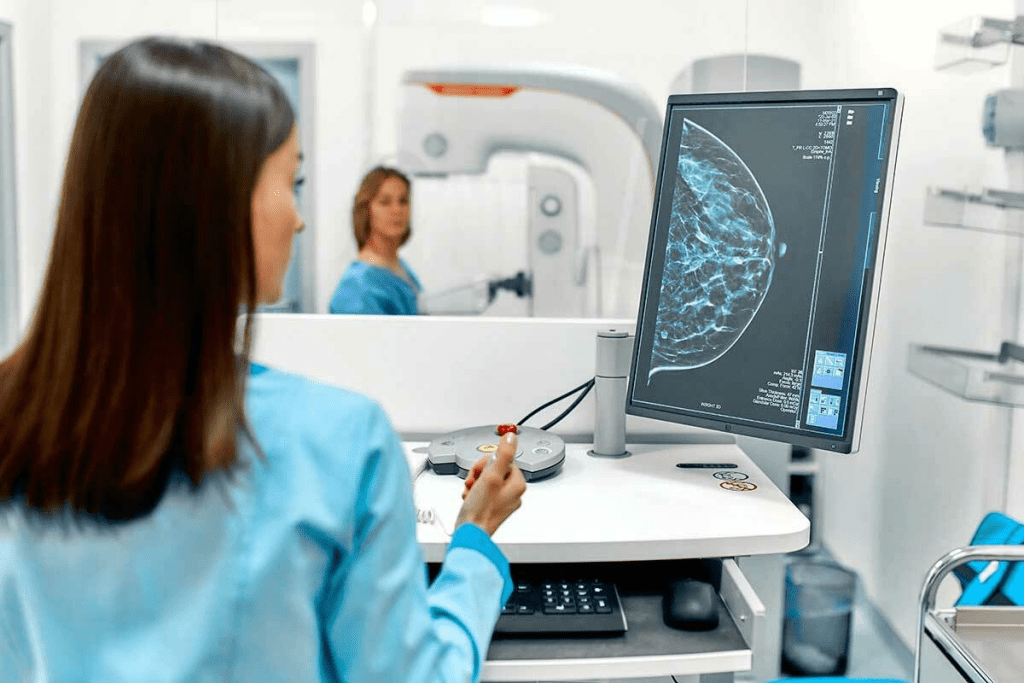
Nuclear medicine bone scans, like Bone SPECT scans, use a special tracer. This tracer is injected into the blood. It goes to areas with lots of bone activity, like metastases, making them show up on the scan.
The scans are very good at finding bone metastases. Studies show they’re 85% sensitive and 96% accurate.
The process is simple:
- A radioactive tracer is injected into the bloodstream.
- The tracer goes to areas with lots of bone activity.
- A SPECT scanner picks up the radiation, making detailed bone images.
- These images show where the bone activity is off, pointing to metastases.
When SPECT Outperforms Other Imaging Methods
Bone SPECT scans beat other methods in finding bone metastases. They show the whole body, which is great for spotting disease in many places. They’re also super sensitive to bone changes, perfect for catching early bone problems.
Key benefits of Bone SPECT scans include:
- They’re very good at finding bone metastases.
- They can see the whole skeleton in one go.
- They catch early changes in bone metabolism.
Thanks to these benefits, Bone SPECT scans are vital in diagnosing and treating bone metastases. They help doctors make better treatment plans, leading to better patient outcomes.
MRI for Bone Cancer Detection
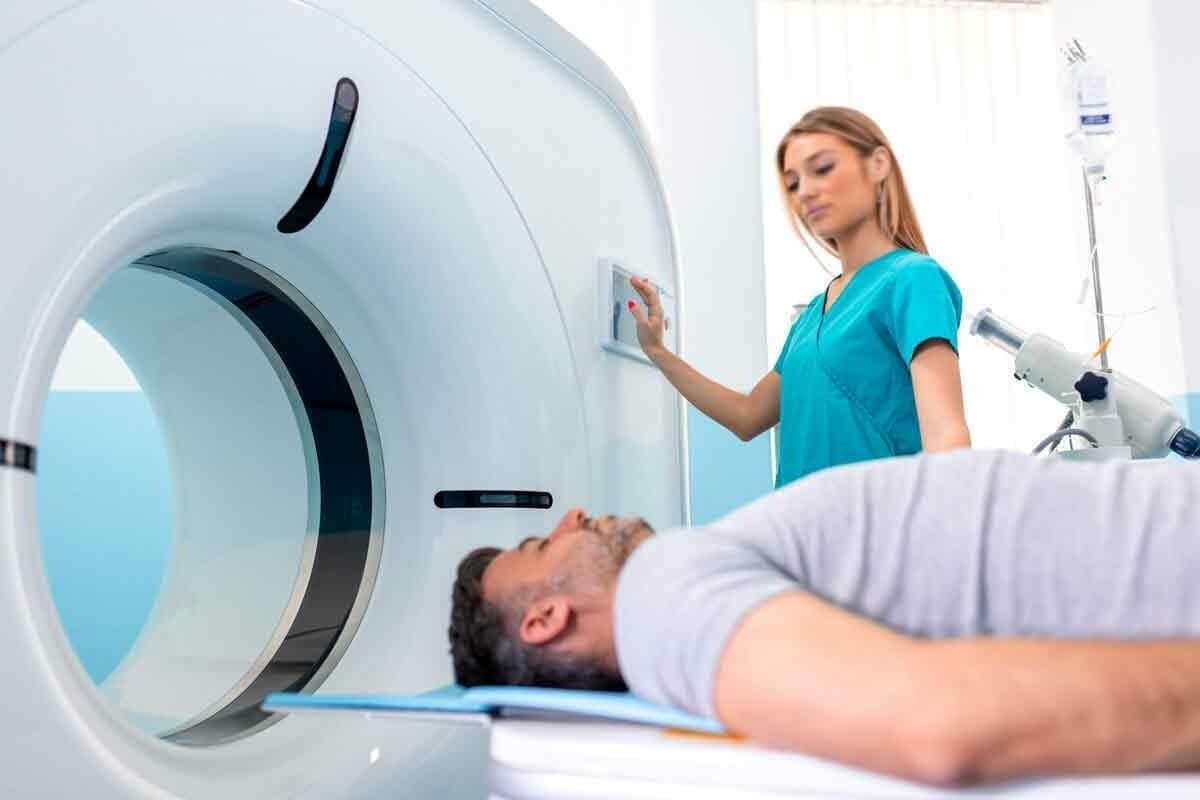
Magnetic Resonance Imaging (MRI) is key in finding bone cancer. It shows us the bone marrow and soft tissues in great detail. This is vital for diagnosing and understanding how far the cancer has spread.
One big plus of MRI is spotting changes in the bone marrow early. This can be a sign of bone cancer. MRI can see tumors that other tests might miss.
Can MRI Detect Cancer in the Bone? Capabilities and Limitations
MRI is great at showing cancer in bones because it shows soft tissues well. This helps us see how big the tumor is and where it is in the bone and around it.
But MRI isn’t perfect. It’s good at showing soft tissues and bone marrow, but not always at showing damage to the bone’s outer layer or calcifications in tumors.
MRI Capabilities:
- High sensitivity for detecting bone marrow involvement
- Excellent soft tissue contrast for visualizing tumor extent
- Ability to detect subtle bone changes and marrow infiltration
MRI Limitations:
- May not clearly show cortical bone destruction
- Less effective in detecting calcifications within tumors
- It can be contraindicated in patients with certain metal implants or claustrophobia
| Imaging Modality | Sensitivity for Bone Marrow | Soft Tissue Contrast | Cortical Bone Detail |
| MRI | High | Excellent | Limited |
| CT | Limited | Good | Excellent |
| X-Ray | Poor | Poor | Good |
In conclusion, MRI is a valuable tool in finding bone cancer. It shows us the bone marrow and soft tissues well. Even though it has some limits, its strengths make it a key part of diagnosing bone cancer.
PET Scans in Bone Cancer Diagnosis
PET scans are key in diagnosing bone cancer. They show how tumors work by using radioactive materials. This helps doctors see how active body tissues are.
Effectiveness for Different Bone Lesions
FDG PET scans are great for some bone issues. They find glucose in cells, which cancer uses a lot. This makes them good at spotting cancer in bones.
We use FDG PET scans to tell if bone lesions are cancerous. Cancer cells use more glucose, so they show up clearly. This helps doctors know what kind of tumor it is and how big it is.
Comparing PET Performance with SPECT
PET and SPECT scans both have their uses. SPECT is good at finding bone cancer that has spread. But PET scans are better at finding tumors that are active.
| Imaging Modality | Sensitivity for Osteoblastic Lesions | Metabolic Activity Assessment |
| PET/CT | High | Excellent |
| SPECT | Moderate to High | Limited |
| FDG PET | High | Excellent |
Combined PET/CT Approaches
PET/CT scans are even better because they show both how active tissues are and their structure. This helps doctors understand the tumor better.
We suggest PET/CT scans for bone cancer patients. They give a full picture of the bones and how active they are.
CT Scans for Bone Cancer Assessment
CT scans give a detailed look at bone cancer. They show how big the tumor is and how it affects the area around it. This is key for figuring out the tumor’s type and how to treat it.
Does a CT Scan Show Bone Cancer? Detection Capabilities
CT scans are great at finding bone cancer. They show the tumor’s size, where it is, and how it affects the bone and soft tissues. They’re very helpful when other tests don’t give clear results. Studies show CT scans help a lot with biopsy procedures.
CT scans are a must-have for diagnosing bone cancer. They tell us about the tumor’s density and if it has damaged the bone or caused fractures.
Evaluating Tumor Extent and Structural Integrity
CT scans are great for checking how big the tumor is and if the bone is okay. This info is key for choosing the right treatment, like surgery, radiation, or chemo.
They give us clear pictures of the tumor and the area around it. This lets us plan a treatment that fits the patient’s needs well.
When CT Becomes the Preferred Diagnostic Tool
CT scans are often the first choice in some cases. This is when an MRI isn’t possible or when the tumor is in a tricky spot. They’re also best for getting detailed bone images, which is important for surgery planning.
In short, CT scans are very important for checking for bone cancer. They give us detailed images that help us understand the tumor and plan the best treatment. Their ability to show high-quality images makes them essential for diagnosing and treating bone cancer.
X-Rays in Bone Cancer Detection
X-rays are key in finding bone cancer. They help spot it early and guide treatment. They are the first test used because they are easy to get and give fast results.
Limitations for Early Detection
X-rays are good but not perfect for catching cancer early. A knee X-ray can show cancer if it’s big. But it might miss small cancers.
Some big issues with X-rays for early cancer detection are:
- They can’t always tell if a lesion is cancer or not
- They struggle to see soft tissue changes
- They miss tiny changes in bone
When X-Rays Are Useful
Even with their flaws, X-rays are helpful in many ways:
- They offer a quick and affordable first look
- X-rays can spot bone issues that need further checks
- They help track how bone lesions change over time
In short, X-rays are not the best for finding cancer early. But they are important for checking bone health at the start and during treatment. They help doctors make better plans for care.
Blood Tests and Laboratory Analysis for Bone Cancer
Blood tests alone can’t confirm bone cancer, but they can hint at it. Lab tests on blood samples look for markers that might point to bone cancer.
Does Bone Cancer Show Up in Blood Work? Common Misconceptions
Many think blood tests can directly say if you have bone cancer. But that’s not true. Blood tests can spot odd signs that might mean bone cancer, but they can’t say for sure.
These tests check for things like high levels of alkaline phosphatase (ALP) and lactate dehydrogenase (LDH). For example, the American Cancer Society says some blood tests can hint at bone cancer.
Tumor Markers and Biochemical Indicators in Bone Cancer
Tumor markers are substances in the blood, urine, or tissues of some cancer patients. In bone cancer, certain markers and indicators are important.
The table below lists some key markers and indicators for bone cancer:
| Tumor Marker/Biochemical Indicator | Description | Relevance to Bone Cancer |
| Alkaline Phosphatase (ALP) | Enzyme involved in bone formation | Elevated levels may indicate bone cancer or other bone diseases |
| Lactate Dehydrogenase (LDH) | Enzyme found in many body tissues | High levels can be associated with various cancers, including bone cancer |
| Calcium | Essential mineral for bone health | Abnormal levels can be related to bone cancer or other conditions |
These markers aren’t just for bone cancer. They can also show up in other health issues. So, while they’re useful, they need to be looked at with other test results.
In summary, blood tests and lab work help in diagnosing bone cancer. They can find markers that suggest bone cancer, leading to more tests like imaging and biopsies.
Comparative Analysis of Bone Cancer Detection Methods
Finding bone cancer is a detailed task. It needs to pick the right imaging methods based on the cancer’s type and where it is. Each diagnostic method works differently, so comparing them is key to finding the best way to detect cancer.
Sensitivity and Specificity Across Different Imaging Modalities
Imaging methods vary in how well they catch bone cancer. For example, PET scans are great at spotting cancer cells that are active. On the other hand, CT scans show detailed pictures of the body’s structure.
| Imaging Modality | Sensitivity | Specificity |
| PET Scan | High | Moderate |
| CT Scan | Moderate | High |
| MRI | High | High |
| SPECT Scan | Moderate | Moderate |
Cost, Accessibility, and Patient Experience Considerations
The cost and how easy it is to get to different imaging tests matter a lot. MRI and PET/CT scans are very accurate but can be pricey and hard to get to. This is compared to cheaper and more accessible options like X-rays or CT scans.
How the patient feels during the test is also important. Some tests take longer or use radiation. For instance, PET scans use radiation, but MRI does not.
Radiation Exposure and Safety Profiles
How much radiation a test uses is a big deal when picking one for bone cancer. Tests like PET scans and CT scans use radiation. But MRI and ultrasound don’t.
We need to think about the good and bad of each test to make sure patients get the best care.
The Diagnostic Journey: From Symptoms to Diagnosis
When symptoms suggest bone cancer, doctors start a journey to find the cause. They first do a physical check-up and look at the patient’s medical history. This helps them spot risk factors and symptoms that need more checking.
Initial Assessment and Screening Approaches
The first step in diagnosing bone cancer is a detailed physical exam and medical history. This is key to spotting symptoms and risk factors that might point to bone cancer. Doctors also use imaging tests and lab work to help figure out what’s going on.
Imaging tests are very important in finding bone cancer. Doctors use X-rays, CT scans, MRI scans, PET scans, and bone scans. Each test gives important information about bone lesions.
| Imaging Modality | Primary Use in Bone Cancer Diagnosis | Key Benefits |
| X-ray | Initial assessment of bone lesions | Quick, widely available, and cost-effective |
| CT Scan | Detailed evaluation of bone and soft tissue | High-resolution images, useful for assessing tumor extent |
| MRI Scan | Soft tissue evaluation and marrow involvement | Excellent soft tissue contrast, no radiation |
The Role of Biopsy in Confirming Bone Cancer
A biopsy is key to confirming bone cancer. It takes a tissue sample from the tumor for histological examination. This confirms the cancer and guides treatment.
There are different biopsies, like needle and surgical biopsies. The choice depends on the tumor’s location, size, and the patient’s health.
Multidisciplinary Team Involvement in Diagnosis
Diagnosing bone cancer is better with a team of specialists. This team includes orthopedic surgeons, oncologists, radiologists, and pathologists. Their collaboration ensures a thorough diagnosis and effective treatment plan.
Team meetings are where they discuss patient cases and share findings. They work together to create a treatment plan that meets the patient’s needs.
Conclusion
Detecting bone cancer needs a detailed and team-based effort. At Liv Hospital, we use the newest imaging tech and academic methods for precise diagnosis.
Getting the diagnosis right is key to good treatment plans. Our focus on the latest imaging helps us give our patients the best care.
With advanced imaging, we catch bone cancer early. This leads to better treatment results and care for our patients. Our aim is to keep up with medical progress, ensuring top-notch healthcare for everyone.
We hope this article has given you useful information on bone cancer scans and their effectiveness. It shows why choosing the right diagnostic method at Liv Hospital is so important.
FAQ
What is the best scan to detect bone cancer?
The best scan for bone cancer depends on the cancer’s type and where it is. At Liv Hospital, we look at how aggressive the cancer is and the patient’s health. This helps us choose the right test.
Can an MRI detect cancer in the bone?
Yes, MRI is great for finding bone cancer. It shows bone marrow involvement and small changes well. Its detail makes it a key tool for diagnosis.
Does bone cancer show up in blood work?
Blood tests can hint at bone cancer, but they aren’t sure. They look for tumor markers and biochemical signs.
Can a CT scan show bone cancer?
Yes, CT scans are good for bone cancer. They show the tumor’s size and how it affects the bone. They’re helpful when other tests are unclear.
How do nuclear medicine bone scans work?
Bone SPECT scans use a radioactive tracer. It builds up in active bone areas. This makes them great for finding cancer in bones.
What is the role of biopsy in confirming bone cancer?
A biopsy is key to confirming bone cancer. A team approach is needed for accurate diagnosis and treatment planning.
Can a knee X-ray show cancer?
X-rays can spot advanced tumors but miss early ones. They’re often the first test for bone cancer.
Are PET scans effective for detecting bone cancer?
Yes, PET scans are vital for bone cancer diagnosis. They show tumor activity. FDG PET scans are good for certain bone lesions.
How do different imaging modalities compare in detecting bone cancer?
Comparing bone cancer detection methods is important. We look at each method’s sensitivity and specificity. We also consider cost, accessibility, and safety.
What factors influence the choice of scan for bone cancer detection?
The cancer’s type, location, aggressiveness, and the patient’s health matter. These factors help choose the best scan.
Can combined PET/CT approaches enhance bone cancer detection?
Yes, PET/CT approaches improve detection. They offer metabolic and anatomical info together.
References
- Shojaie, P., et al. (2023). Bone Tumor Imaging: An Update on Modalities and Advancements. Journal of the American Academy of Orthopaedic Surgeons, advance online. https://journals.lww.com/jajs/fulltext/2023/07000/bone_tumor_imaging__an_update_on_modalities_and.7.aspx
- Janu, A., et al. (2023). Imaging Recommendations for Diagnosis, Staging, and Management of Bone Tumors. Seminars in Musculoskeletal Radiology. https://www.thieme-connect.com/products/ejournals/abstract/10.1055/s-0042-1760313
- Gaume, M., et al. (2022). The Appropriate and Sequential Value of Standard Imaging Modalities to Differentiate Benign from Malignant Bone Tumors. Scientific Reports, 12, 15617. https://www.nature.com/articles/s41598-022-10218-8