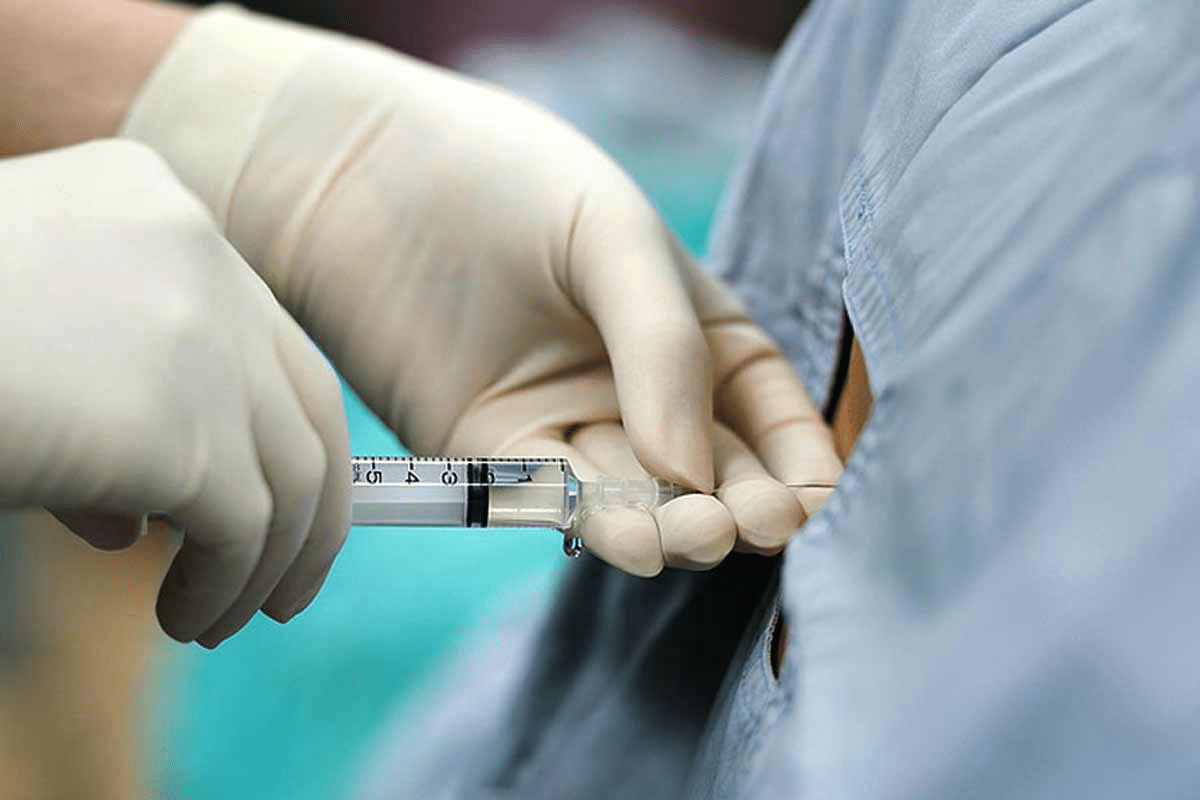
Last Updated on November 26, 2025 by Bilal Hasdemir

Cancer treatment can be complex, and understanding the options available is crucial for making informed decisions. At Liv Hospital, we are committed to providing world-class healthcare with a focus on patient-centered care. Chemotherapy and infusion therapy are two terms often used in the context of cancer treatment, but they are not interchangeable.
Chemotherapy specifically refers to the use of drugs to destroy or inhibit the growth of cancer cells. Infusion therapy, on the other hand, is a broader term that encompasses the administration of medication through a vein, which can include chemotherapy but is not limited to it.
Stories like Zack Van Aarde’s, who underwent chemotherapy for oesophagus cancer, highlight the importance of understanding treatment options. We strive to clarify the differences between these treatments to support our patients throughout their journey.
Key Takeaways
- Chemotherapy is a specific type of cancer treatment using drugs to target cancer cells.
- Infusion therapy is a method of administering medication, which can include chemotherapy.
- Understanding the difference between these treatments can help patients make informed decisions.
- Liv Hospital is committed to providing advanced, patient-centered care.
- Our team is dedicated to supporting patients throughout their treatment journey.
Understanding Cancer Treatments: An Overview

The journey of cancer treatment has been marked by significant milestones, from traditional chemotherapy to innovative infusion therapies. As we continue to navigate the complexities of cancer, it’s essential to understand the various treatment options available.
The Evolution of Cancer Treatment Methods
Cancer treatment has evolved substantially over the years, with infusion therapy emerging as a critical component in the fight against cancer. Infusion therapy involves the administration of medications directly into the bloodstream, allowing for targeted and efficient treatment.
Recent advancements in cancer treatment, such as the development of new drugs, have shown promise in improving patient outcomes. For instance, researchers have been exploring the potential of various therapies, including those that target specific cancer cells.
- Advancements in medical technology
- Personalized treatment approaches
- Innovative infusion therapies
The Importance of Personalized Treatment Approaches
Personalized treatment approaches have become increasingly important in cancer care. By tailoring treatments to individual patients, healthcare providers can improve outcomes and reduce side effects. Infusion therapy cancer treatments, for example, can be customized based on the patient’s specific needs and cancer type.
When considering cancer infusion therapy, it’s crucial to understand the different types of medications that can be delivered through infusion. These may include chemotherapy, immunotherapy, or targeted therapy, each designed to address specific aspects of cancer.
- Assessment of patient needs and cancer type
- Selection of appropriate infusion therapy
- Ongoing monitoring and adjustment of treatment
As we move forward, the integration of infusion therapy into comprehensive cancer care plans will continue to play a vital role. By understanding the options available and the benefits of personalized treatment, patients can make informed decisions about their care.
Defining Chemotherapy: Purpose and Function
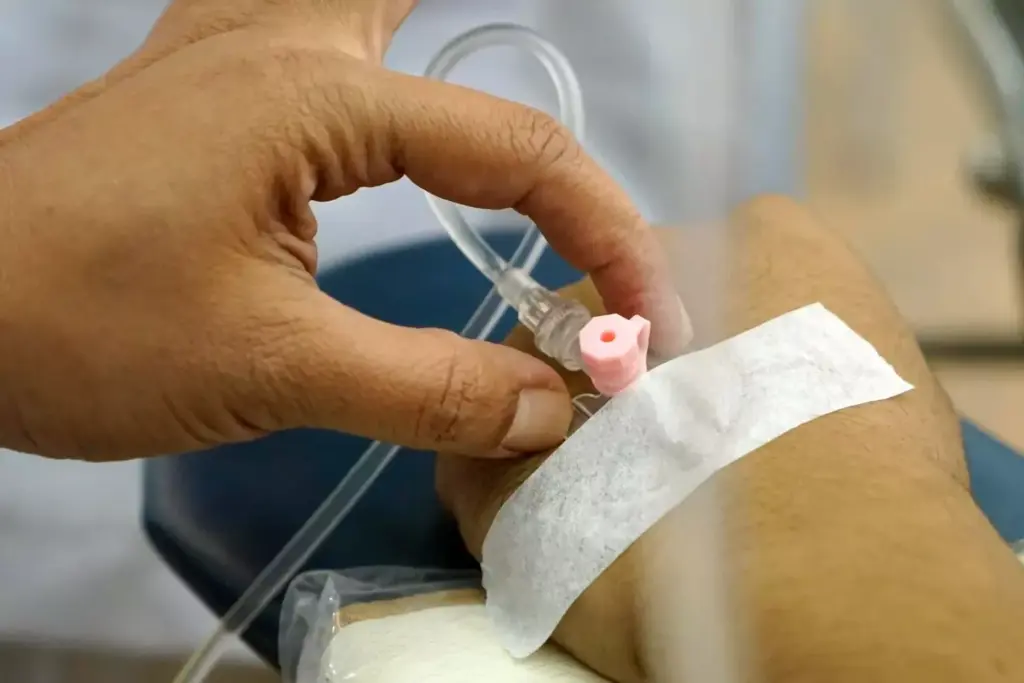
Chemotherapy, a systemic treatment, is designed to target and destroy cancer cells throughout the body. As a cornerstone in cancer care, chemotherapy plays a vital role in treating various types of cancer, including cases like that of Zack Van Aarde, who was diagnosed with oesophagus cancer.
We understand that chemotherapy is often a term associated with cancer treatment, but its specifics can be unclear. Let’s delve into how chemotherapy works, its different types, and how it’s administered.
How Chemotherapy Works Against Cancer Cells
Chemotherapy works by using drugs to kill cancer cells or stop them from growing and dividing. The goal is to destroy cancer cells while minimizing damage to healthy cells. Chemotherapy can be used at various stages of cancer treatment, including before surgery to shrink tumors or after surgery to eliminate any remaining cancer cells.
The process involves the use of powerful drugs that target rapidly dividing cells, a characteristic of most cancer cells. However, some normal cells also divide quickly, which is why chemotherapy can have side effects.
Types of Chemotherapy Drugs
There are several types of chemotherapy drugs, each working in different ways to combat cancer. These include:
- Alkylating agents: Damage the DNA of cancer cells to prevent them from reproducing.
- Antimetabolites: Interfere with the production of DNA and RNA, thereby stopping cancer cell growth.
- Anthracyclines: Interact with DNA to prevent the enzyme topoisomerase II from working, which is necessary for cell division.
- Plant alkaloids: Prevent cell division by interfering with the cell’s microtubules.
These drugs can be used alone or in combination, depending on the type of cancer and its stage.
Common Administration Methods
Chemotherapy can be administered in several ways, depending on the drug and the patient’s specific needs. Common methods include:
- Oral chemotherapy: Taken by mouth in the form of pills, capsules, or liquids.
- Intravenous (IV) chemotherapy: Administered directly into a vein, usually in the arm.
- Intra-arterial chemotherapy: Delivered directly into an artery that feeds the cancer.
- Intraperitoneal chemotherapy: Administered directly into the peritoneal cavity.
Understanding these administration methods is crucial for patients to prepare for their treatment and manage potential side effects effectively.
By grasping the purpose, function, and administration methods of chemotherapy, patients and their families can better navigate the complexities of cancer treatment. We are committed to providing comprehensive care and support throughout this journey.
What Is Infusion Therapy for Cancer?
Infusion therapy has emerged as a vital treatment modality for cancer, enabling healthcare providers to administer complex regimens with precision. We recognize the importance of understanding this treatment approach for patients navigating their cancer journey.
Beyond Chemotherapy: The Broader Scope of Infusion-Based Treatments
Infusion therapy encompasses a wide range of treatments, extending far beyond traditional chemotherapy. It includes various medications and therapeutic agents designed to target cancer cells or manage symptoms associated with cancer treatment. The versatility of infusion therapy allows for personalized treatment plans tailored to individual patient needs.
We utilize infusion therapy to deliver medications directly into the bloodstream, ensuring a more targeted and often more effective treatment approach. This method is particularly beneficial for patients requiring long-term or complex treatment regimens.
Types of Medications Delivered Through Infusion
The medications delivered through infusion therapy vary widely, depending on the specific needs of the patient and the type of cancer being treated. Common examples include:
- Chemotherapy drugs designed to kill cancer cells
- Immunotherapy agents that boost the body’s immune response against cancer
- Targeted therapy medications that specifically target cancer cell characteristics
- Supportive care medications to manage treatment side effects
The diversity of medications available through infusion therapy underscores its critical role in comprehensive cancer care.
The Infusion Process Explained
The infusion process involves several steps, ensuring safe and effective delivery of medications. Initially, patients undergo an assessment to determine the most appropriate infusion method and medication regimen. The infusion itself is typically administered through a vein, using a sterile needle and catheter.
During the infusion, patients are monitored for any adverse reactions or side effects. Our healthcare team is dedicated to providing supportive care throughout the treatment process, addressing any concerns or questions patients may have.
Understanding infusion therapy is crucial for patients and their families as they navigate cancer treatment. By providing a clear and comprehensive overview of infusion therapy, we aim to empower patients with the knowledge they need to make informed decisions about their care.
Is Chemotherapy and Infusion Therapy the Same?
While both chemotherapy and infusion therapy are vital components of cancer care, they serve distinct purposes and have different applications. We will explore their similarities and differences to clarify these often-confused terms.
Key Similarities Between the Treatments
Chemotherapy and infusion therapy share several commonalities. Both are systemic treatments, meaning they work throughout the body rather than targeting a specific area. They are often administered via infusion, which involves delivering the medication directly into the bloodstream through a vein.
Both treatments are used to combat cancer, though they may be used in different contexts or stages of the disease. The goal of both is to destroy or slow the growth of cancer cells, improving patient outcomes and quality of life.
Critical Differences in Approach and Application
Despite their similarities, chemotherapy and infusion therapy have distinct differences in their approach and application. Chemotherapy specifically refers to the use of chemical agents to destroy cancer cells, whereas infusion therapy is a broader term that encompasses the delivery of various medications, including chemotherapy, directly into the bloodstream.
Infusion therapy can include a wide range of treatments beyond chemotherapy, such as immunotherapy, targeted therapy, and supportive care medications. This flexibility makes infusion therapy a versatile treatment option for various conditions, not limited to cancer.
Common Misconceptions Clarified
One common misconception is that chemotherapy and infusion therapy are interchangeable terms. While chemotherapy is often administered through infusion, not all infusion therapy is chemotherapy. Understanding this distinction is crucial for patients to have accurate expectations about their treatment.
To further clarify the differences and similarities, let’s examine a comparative overview:
| Treatment Aspect | Chemotherapy | Infusion Therapy |
|---|---|---|
| Purpose | Destroy cancer cells using chemical agents | Deliver various medications directly into the bloodstream |
| Administration Method | Often via infusion, can be oral or other methods | Directly into the bloodstream through a vein |
| Scope of Application | Primarily for cancer treatment | Used for various conditions, including cancer |
| Types of Medications | Chemotherapy drugs | Includes chemotherapy, immunotherapy, targeted therapy, etc. |
By understanding the similarities and differences between chemotherapy and infusion therapy, patients can better navigate their treatment options and make informed decisions about their care.
How Medications Enter the Bloodstream
Infusion therapy involves the administration of therapeutic agents through a vein, allowing for the rapid distribution of these medications throughout the body. This method is particularly beneficial for cancer treatments, as it ensures that high concentrations of the drug reach the tumor sites.
We utilize various types of infusion methods, including peripheral IV lines and more advanced techniques like central venous catheters or implantable ports, depending on the patient’s needs and the treatment protocol.
Benefits of Direct Delivery Systems
Direct delivery of cancer medications into the bloodstream offers several advantages. It allows for higher doses to be administered more safely, reduces the risk of gastrointestinal side effects, and enables the treatment of cancers that are not responsive to oral medications.
Key benefits include:
- Rapid onset of action
- Improved bioavailability of drugs
- Ability to deliver high doses with reduced side effects
Technological Advancements in Infusion Methods
Recent advancements in infusion technology have significantly enhanced the delivery of cancer treatments. Modern infusion pumps offer precise control over the rate and volume of medication administered, improving patient safety and treatment efficacy.
| Technological Advancement | Benefit |
|---|---|
| Programmable Infusion Pumps | Allows for precise control over medication delivery |
| Implantable Ports | Reduces the risk of infection and improves patient comfort |
| Advanced IV Systems | Enhances the safety and efficacy of treatment |
These advancements have transformed infusion therapy, making it a more reliable and effective treatment option for cancer patients. As technology continues to evolve, we can expect further improvements in infusion methods, leading to better patient outcomes.
Types of Cancer Infusion Treatments
Infusions for cancer treatment encompass a range of therapies, each with unique benefits. As cancer treatment advances, the variety of infusion therapies available has significantly expanded, catering to different patient needs and cancer types.
Chemo Infusions: The Traditional Approach
Chemotherapy infusions have been a cornerstone in cancer treatment for decades. These infusions deliver chemotherapy drugs directly into the bloodstream, targeting rapidly dividing cancer cells. We use various chemotherapy agents, often in combination, to enhance effectiveness.
Immunotherapy Infusions
Immunotherapy infusions represent a more recent advancement, leveraging the body’s immune system to fight cancer. These treatments include checkpoint inhibitors, cytokines, and cancer vaccines, which stimulate the immune system to recognize and attack cancer cells more effectively.
Targeted Therapy Infusions
Targeted therapy infusions are designed to target specific molecules involved in cancer growth and progression. By focusing on these molecular targets, the treatments can be more precise, reducing harm to healthy cells. Examples include monoclonal antibodies and tyrosine kinase inhibitors.
Supportive Care Infusions for Cancer Patients
Supportive care infusions play a crucial role in managing symptoms and side effects associated with cancer and its treatment. These may include infusions for pain management, hydration, and nutritional support, improving the overall quality of life for patients.
To illustrate the different types of infusion treatments and their applications, consider the following summary:
| Treatment Type | Description | Examples |
|---|---|---|
| Chemo Infusions | Traditional cancer treatment using chemotherapy drugs | Doxorubicin, Paclitaxel |
| Immunotherapy Infusions | Boosts the immune system to fight cancer | Checkpoint inhibitors (e.g., Pembrolizumab), Cancer vaccines |
| Targeted Therapy Infusions | Targets specific molecules involved in cancer growth | Monoclonal antibodies (e.g., Trastuzumab), Tyrosine kinase inhibitors (e.g., Imatinib) |
| Supportive Care Infusions | Manages symptoms and side effects of cancer treatment | Pain management medications, Hydration fluids, Nutritional supplements |
By understanding the different types of infusion treatments available, patients and their healthcare providers can make informed decisions about their care, tailoring treatment plans to individual needs and circumstances.
The Patient Experience: What to Expect During Infusion Treatment for Cancer
Understanding what to expect during infusion treatment can significantly reduce anxiety for cancer patients. As we guide you through the process, we aim to provide a clear understanding of what infusion therapy entails, from preparation to post-treatment care.
Preparing for Infusion Therapy Sessions
Before starting infusion therapy, patients typically undergo a thorough preparation process. This includes a consultation with their healthcare provider to discuss the treatment plan, potential side effects, and any necessary pre-treatment instructions. We recommend that patients:
- Arrive at least 15 minutes before their scheduled appointment to complete any necessary paperwork.
- Bring a list of their current medications, including dosages and frequencies.
- Wear comfortable clothing that allows easy access to their arm or port for the infusion.
The Infusion Process Step-by-Step
The infusion process involves several steps, which we will outline to help patients understand what to expect during their treatment sessions.
| Step | Description |
|---|---|
| 1. Preparation | The nurse prepares the infusion equipment and verifies the patient’s identity and treatment details. |
| 2. Insertion of IV Line | A sterile IV line is inserted into a vein in the patient’s arm or into a port, if they have one. |
| 3. Infusion Administration | The prescribed medication is administered through the IV line over a set period, which can range from 30 minutes to several hours. |
| 4. Monitoring | Throughout the infusion, the patient’s vital signs are monitored, and they are observed for any adverse reactions. |
Post-Treatment Care and Monitoring
After the infusion is complete, patients are monitored for a short period to ensure there are no immediate adverse reactions. We provide instructions on post-treatment care, which may include:
- Monitoring for signs of infection or reaction at the IV site.
- Managing potential side effects, such as nausea or fatigue.
- Follow-up appointments to assess the treatment’s effectiveness and adjust the treatment plan as needed.
By understanding the infusion process and what to expect, cancer patients can better prepare themselves for the treatment journey ahead. Our team is committed to providing comprehensive care and support throughout the infusion therapy process.
Comparing Side Effects and Management Strategies
Managing side effects is a key component of cancer care, particularly for those receiving infusion treatments. As we explore the various infusion therapies available, including chemotherapy, it’s essential to understand the potential side effects and how they can be effectively managed.
Common Side Effects of Chemotherapy
Chemotherapy is known for its wide range of potential side effects due to its impact on rapidly dividing cells. Common side effects include fatigue, nausea, hair loss, and increased risk of infection. These side effects occur because chemotherapy targets not only cancer cells but also other fast-dividing cells in the body.
We understand that dealing with these side effects can be challenging. Therefore, it’s crucial for patients to work closely with their healthcare team to manage these effects. For instance, medications can be prescribed to help alleviate nausea and reduce the risk of infection.
Side Effects Specific to Other Infusion Therapies
Other infusion therapies, such as immunotherapy and targeted therapy, have their own set of potential side effects. Immunotherapy, for example, can cause immune-related side effects, including skin rash, diarrhea, and inflammation of organs like the lungs or liver. Targeted therapy, on the other hand, can lead to side effects like skin problems, high blood pressure, and fatigue.
Understanding these side effects is crucial for patients to know what to expect and how to manage their treatment journey effectively.
Strategies for Managing Treatment Side Effects
Effective management of side effects is crucial for maintaining the quality of life during cancer treatment. We recommend a multi-faceted approach that includes medication, lifestyle adjustments, and supportive care. For example, anti-nausea medication can be highly effective in managing chemotherapy-induced nausea.
- Lifestyle adjustments, such as dietary changes and gentle exercise, can also help mitigate some side effects.
- Supportive care, including counseling and nutritional support, plays a vital role in helping patients cope with the emotional and physical challenges of treatment.
By working closely with their healthcare team, patients can develop a personalized plan to manage their side effects effectively, ensuring they can continue their treatment with minimal disruption to their daily lives.
When Doctors Recommend Infusion for Cancer Patients
Infusion for cancer patients is a treatment approach that doctors recommend after careful consideration of multiple factors. We understand that the decision to undergo infusion therapy can be daunting, and it’s essential to comprehend the reasoning behind such recommendations.
Cancer Types and Their Optimal Treatments
Different types of cancer respond better to infusion therapy than others. For instance, certain leukemias and lymphomas are often treated with infusion-based chemotherapy or immunotherapy. We consider the cancer type, stage, and biological characteristics when deciding if infusion therapy is the most appropriate treatment.
The effectiveness of infusion therapy varies across different cancer types. For example:
- Leukemia and Lymphoma: Often treated with aggressive infusion therapies, including chemotherapy and immunotherapy.
- Solid Tumors: May require a combination of treatments, including infusion therapy, surgery, and radiation.
- Breast Cancer: Certain aggressive forms may benefit from infusion-based chemotherapy.
Patient-Specific Considerations
Patient-specific factors play a crucial role in determining the suitability of infusion therapy. We consider the patient’s overall health, medical history, and personal preferences when making recommendations.
Some key patient-specific considerations include:
- Age and overall health status.
- Presence of comorbidities or previous treatments.
- Patient preferences and lifestyle considerations.
Treatment Goals and Expected Outcomes
The goals of infusion therapy can vary significantly from one patient to another. We work closely with patients to understand their treatment goals, whether it’s curative, palliative, or aimed at controlling symptoms.
Understanding the expected outcomes of infusion therapy is crucial for managing patient expectations and making informed decisions. We discuss the potential benefits and risks with our patients to ensure they are fully informed.
By considering these factors, we can tailor infusion therapy to meet the individual needs of each cancer patient, enhancing the potential for successful outcomes.
Transitioning Between Cancer Treatment Infusion Methods
Infusion therapy for cancer is a dynamic process that may involve switching between different treatment approaches. We will explore the different scenarios in which patients might transition between infusion methods or to other treatment forms.
From IV Chemotherapy to Oral Medications
One common transition is from IV chemotherapy to oral medications. This shift can occur when a patient’s cancer responds well to initial IV chemotherapy, and oral medications are deemed effective for maintaining treatment. Oral medications offer the convenience of being taken at home, potentially reducing the need for frequent hospital visits.
Benefits of transitioning to oral medications include:
- Reduced need for hospital visits
- Improved quality of life due to increased flexibility
- Potential reduction in side effects associated with IV chemotherapy
Combining Multiple Infusion Approaches
Some patients may benefit from combining multiple infusion approaches. For instance, a patient might receive IV chemotherapy alongside immunotherapy infusions. This combination can target cancer cells more effectively, potentially improving treatment outcomes.
| Treatment Combination | Potential Benefits |
|---|---|
| IV Chemotherapy + Immunotherapy Infusions | Enhanced cancer cell targeting, potentially improved treatment outcomes |
| Targeted Therapy Infusions + Supportive Care Infusions | Improved management of side effects, enhanced overall well-being |
Treatment Adaptation Based on Response
Treatment plans are often adapted based on a patient’s response to infusion therapy. Regular assessments allow healthcare providers to adjust the treatment regimen as needed, ensuring that the patient receives the most effective care.
Factors influencing treatment adaptation include:
- Tumor response to current treatment
- Emergence of side effects or complications
- Changes in the patient’s overall health status
By understanding the different infusion methods and how they can be adapted or combined, patients can better navigate their cancer treatment journey. Our team is committed to providing personalized care and support throughout this process.
Practical Considerations for Patients Receiving Infusions for Cancer
Undergoing infusion therapy for cancer involves more than just the treatment itself; it encompasses a range of practical considerations that can significantly impact a patient’s experience. As we navigate the complexities of cancer infusion therapy, understanding these aspects becomes crucial for patients to make informed decisions and prepare for the journey ahead.
Financial and Insurance Aspects
The cost of infusion therapy can be substantial, and understanding insurance coverage is vital. We advise patients to review their insurance policies and discuss financial implications with their healthcare providers to avoid unexpected expenses. Many cancer treatment centers also offer financial counseling services to help manage the costs associated with infusions for cancer.
Lifestyle Adjustments During Treatment
Scheduling infusion therapy sessions requires adjustments to daily routines. Patients should plan ahead, considering factors like travel time to treatment centers and potential side effects that may impact their daily activities. Support from family and friends can play a significant role in managing these lifestyle changes.
Support Resources for Patients
Receiving infusions for cancer can be emotionally challenging. We encourage patients to tap into available support resources, including counseling services, support groups, and online forums. These resources can provide valuable guidance and comfort throughout the treatment process.
FAQ
Is chemotherapy and infusion therapy the same?
While related, chemotherapy and infusion therapy are not exactly the same. Chemotherapy is a type of cancer treatment that uses drugs to kill cancer cells, and it is often administered through infusion. Infusion therapy, on the other hand, is a broader term that encompasses various treatments delivered directly into the bloodstream, including chemotherapy, immunotherapy, and targeted therapy.
What is infusion therapy for cancer patients?
Infusion therapy for cancer involves delivering medications directly into the bloodstream through a vein. This method allows for targeted treatment with potentially fewer side effects. Infusion therapy can include chemotherapy, immunotherapy, targeted therapy, and supportive care medications.
What are the different types of infusion treatments used in cancer care?
Cancer infusion treatments include traditional chemotherapy infusions, immunotherapy infusions that boost the immune system, targeted therapy infusions that focus on specific cancer cells, and supportive care infusions that help manage treatment side effects.
How do doctors decide to recommend infusion therapy for cancer patients?
Doctors consider several factors when recommending infusion therapy, including the type and stage of cancer, patient health and medical history, and the treatment goals. The decision is personalized to each patient’s unique situation.
What can patients expect during infusion therapy sessions?
Before infusion therapy, patients typically undergo preparation, which may include blood tests and a review of their medical history. During the infusion, patients are monitored for any adverse reactions. After the treatment, patients are usually observed for a period before being discharged.
What are the common side effects of chemotherapy and other infusion therapies?
Side effects vary depending on the type of infusion therapy. Chemotherapy can cause nausea, hair loss, and fatigue. Other infusion therapies may have different side effects. Strategies for managing these side effects include medication, lifestyle adjustments, and supportive care.
How do patients transition between different infusion methods or to other treatment forms?
Treatment plans are adapted based on patient response, side effects, and changing health conditions. Transitioning between infusion methods or to other treatments, such as oral medications, is considered when it is deemed beneficial for the patient’s outcome.
What are the practical considerations for patients receiving infusions for cancer?
Patients should be aware of the financial and insurance implications of infusion therapy, plan for scheduling and lifestyle adjustments, and utilize available support resources to help navigate the treatment process.
How does infusion therapy work?
Infusion therapy delivers medications directly into the bloodstream, allowing for a more targeted approach with potentially fewer side effects. The medications can be chemotherapy, immunotherapy, or other treatments tailored to the patient’s needs.
What is the difference between chemotherapy and infusion therapy?
Chemotherapy is a specific type of cancer treatment that uses drugs to kill cancer cells, often given through infusion. Infusion therapy is a method of delivering various treatments, including chemotherapy, directly into the bloodstream.