Last Updated on November 27, 2025 by Bilal Hasdemir
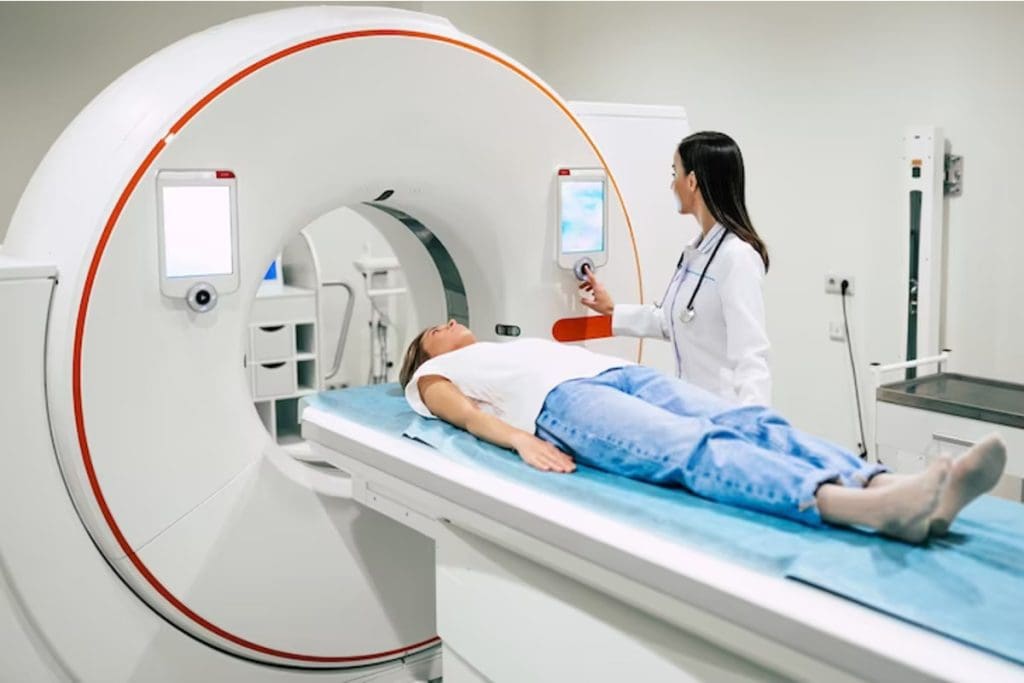
Understanding what is the difference between CT scan and MRI is key when making informed health choices. At Liv Hospital, patients receive top-quality care through advanced imaging technologies where their well-being always comes first.
Diagnostic imaging plays a vital role in modern medicine. The choice between a CT scan and an MRI often depends on the specific health concern and the patient’s individual needs. The mobile imaging services market continues to expand, driven by technological advancements and increasing demand for accessible healthcare solutions.
In this article, we’ll explore the main differences between CT scans and MRIs ” including how each technology works, their common uses, and what patients should consider before undergoing either procedure. Our goal is to provide a clear and complete understanding of these essential diagnostic tools.
Key Takeaways
- CT scans use X-ray technology, while MRIs use magnetic fields.
- CT scans are typically faster and less expensive than MRIs.
- MRIs produce highly detailed images of soft tissue.
- CT scans are often used for emergencies, while MRIs are used for diagnosing issues with the brain, spinal cord, and other soft tissues.
- The choice between CT scans and MRIs depends on the condition being diagnosed and patient needs.
Understanding Medical Imaging Technologies
Medical imaging has made huge strides, boosting how well doctors can diagnose and plan treatments. This evolution has changed how healthcare tackles different health issues.
The Evolution of Diagnostic Imaging
Diagnostic imaging has changed a lot, starting with Wilhelm Conrad Röntgen’s discovery of X-rays in 1895. The introduction of CT scans and MRI scans has been a big step forward.
CT scans came out in the 1970s, using X-rays to make detailed images of the body. MRIs, which followed soon, use magnetic fields and radio waves to show soft tissues clearly.
The Role of Advanced Imaging in Modern Medicine
Today, CT scans and MRIs are key in medicine. They help doctors find problems more accurately and plan treatments better.
These tools are vital in fields like oncology, neurology, and orthopedics. They help spot issues early and treat them quickly.
Here’s a comparison of CT scans and MRIs:
| Characteristics | CT Scans | MRIs |
|---|---|---|
| Imaging Technology | X-rays | Magnetic Fields and Radio Waves |
| Primary Use | Bone and Internal Injury Imaging | Soft Tissue Imaging |
| Duration | Typically faster, around 5-10 minutes | Can take longer, often 15-90 minutes |
It’s important to know the differences between CT scans and MRIs. This knowledge helps both doctors and patients. It makes diagnosis and treatment better for everyone.
What Is the Difference Between CT Scan and MRI?
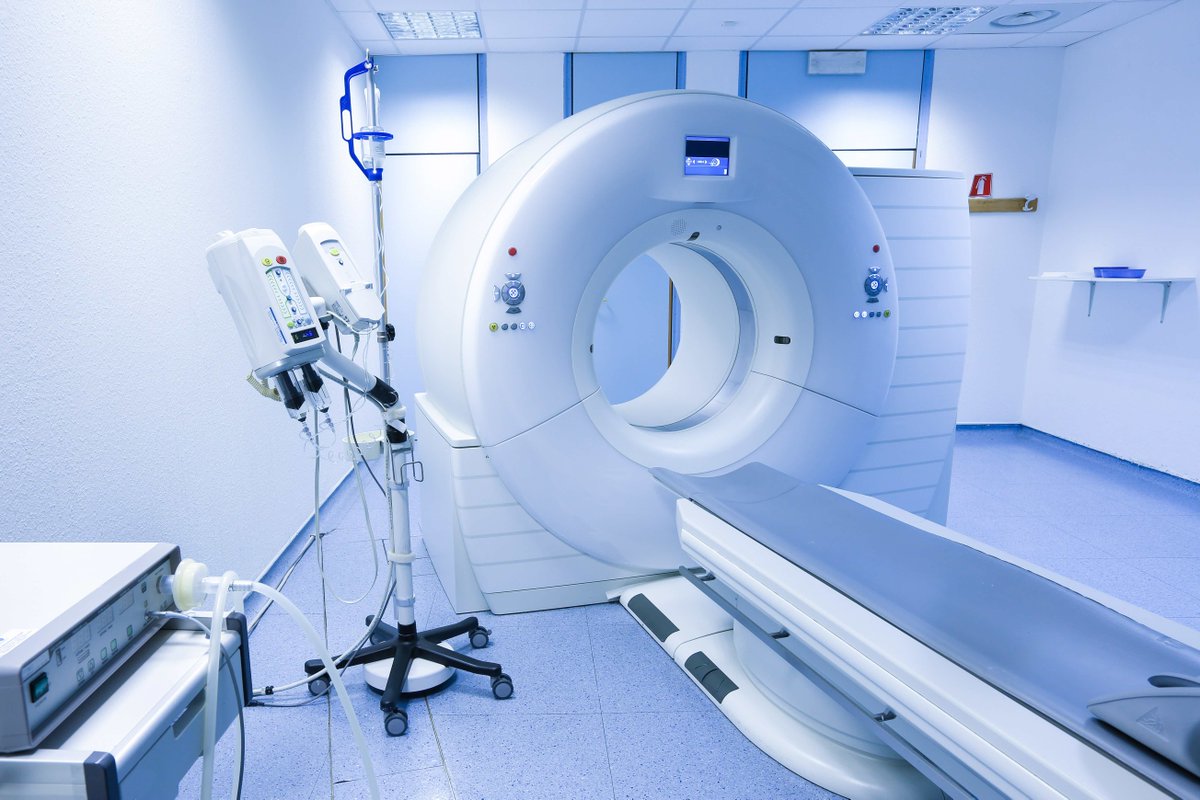
It’s important for patients and doctors to know the difference between CT scans and MRIs. At our hospital, we use both to give detailed diagnoses. Knowing their differences helps us make better choices.
Core Technological Differences
CT scans and MRIs work in different ways. CT scans use X-rays to show body details. MRIs use a magnetic field and radio waves for internal images.
CT scans are great for bones, lungs, and finding injuries or bleeding. They’re fast, perfect for emergencies. MRIs, on the other hand, show soft tissues better. They’re key for brain, spinal cord, and muscle problems.
Basic Comparison Chart
Here’s a chart to help understand CT scans and MRIs:
| Feature | CT Scan | MRI |
|---|---|---|
| Imaging Technology | X-rays | Magnetic Field and Radio Waves |
| Primary Use | Bones, Lungs, Internal Injuries | Soft Tissues, Brain, Spinal Cord |
| Procedure Time | Quick (usually under 5 minutes) | Longer (15-90 minutes) |
Quick Reference Guide for Patients
Choosing between a CT scan or MRI can be tough. Here are some tips:
- For soft tissue issues, like brain or muscle problems, an MRI is best.
- In emergencies or suspected injuries, a CT scan is quicker and more useful.
- Worried about radiation? Talk to your doctor. CT scans use X-rays, but MRIs don’t.
At Liv Hospital, we always try to improve. By knowing the differences, we can give better care to each patient.
How CT Scans Work
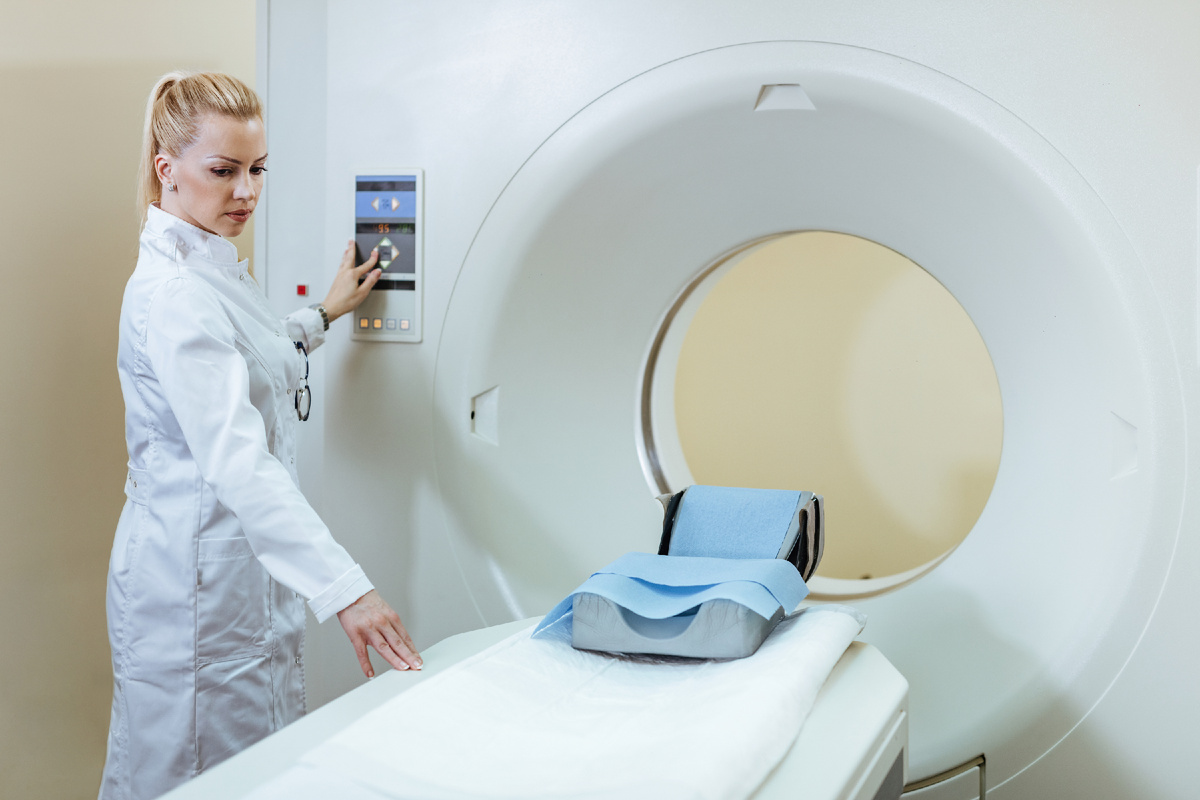
CT scans use X-ray technology to create detailed images of bones, organs, and blood vessels. This helps doctors diagnose many medical conditions. It’s a key tool in today’s medicine.
X-ray Technology Explained
At the core of CT scans is X-ray technology. X-rays are a form of electromagnetic radiation that can go through the body. But they are absorbed or scattered differently by different tissues.
This difference in absorption creates contrast between body structures. For example, bones and soft tissues show up differently.
During a CT scan, you lie on a table that moves into a doughnut-shaped machine. The machine spins around you, sending out X-rays from many angles. Sensors on the other side catch these X-rays and create detailed images.
The Process of Creating Cross-Sectional Images
Creating images is a complex process. Computer algorithms use the data from X-ray detectors to make cross-sectional images. These images can be stacked to form 3D views of the body’s inside.
To learn more about CT scans and other imaging technologies, check out our guide on what’s the difference between a CT scan and an MRI.
Types of CT Scans Available
There are many types of CT scans, each for different needs:
- Standard CT Scan: For general imaging, like finding injuries, cancers, and vascular diseases.
- Spiral or Helical CT Scan: Offers continuous images for faster and more detailed scans.
- High-Resolution CT Scan: Shows detailed images of small structures, like the lungs.
- CT Angiography: Focuses on blood vessels and vascular conditions.
| Type of CT Scan | Primary Use | Key Features |
|---|---|---|
| Standard CT Scan | General imaging, detecting injuries and cancers | Provides cross-sectional images |
| Spiral or Helical CT Scan | Faster scanning, detailed reconstructions | Continuous imaging, reduced scan time |
| High-Resolution CT Scan | Detailed imaging of small structures | High detail, useful for lung imaging |
| CT Angiography | Imaging blood vessels, diagnosing vascular conditions | Detailed vascular imaging, helps in planning interventions |
How MRI Technology Functions
MRI technology uses magnetic fields and radio waves to see inside the body. MRI machines are complex devices. They use strong magnets and radio waves to make detailed images, mainly of soft tissues.
Magnetic Fields and Radio Waves
The main idea behind MRI is how magnetic fields and hydrogen atoms in the body work together. When a patient is in the MRI machine, the strong magnetic field lines up the hydrogen atoms. Then, radio waves disturb these atoms, causing them to send signals as they return to their aligned state.
These signals help the MRI machine make detailed images. This is key for diagnosing many medical conditions. It’s very helpful in neurology, where clear images of the brain and spinal cord are needed.
Creating Detailed Soft Tissue Images
MRI is better than CT scans at showing soft tissues. MRI can tell different soft tissues apart because of their magnetic properties. This makes MRI great for checking the brain, spinal cord, and muscles.
MRI’s ability to clearly show soft tissues has changed medicine. It lets doctors diagnose conditions more accurately and earlier.
Different Types of MRI Machines
There are many MRI machines, each for different uses. The most common is the closed MRI, a big, cylindrical machine that surrounds the patient. Open MRI machines are for those who get claustrophobic or are bigger. There are also fMRI machines for brain activity and MRI machines with higher field strengths for even clearer images.
Knowing about the different MRI machines is important. It helps doctors and patients choose the best imaging for a condition. This ensures patients get the most accurate diagnosis.
Clinical Applications of CT Scans
CT scans are key in medical imaging for quick and accurate diagnoses. They are vital in critical care situations. Their fast imaging is essential in many clinical uses.
Emergency Medicine Applications
CT scans are very useful in emergency medicine. Time is of the essence here. They help quickly check injuries and conditions needing fast action, like internal bleeding or organ damage.
The speed and accuracy of CT scans enable healthcare providers to make timely decisions. This is critical in emergency situations.
In emergency departments, CT scans quickly check patients with acute injuries or severe symptoms. For example, a CT scan can quickly show the extent of injuries from a car accident. This helps doctors focus on the right treatment.
Detecting Bone Fractures and Injuries
CT scans are great for finding bone fractures and skeletal injuries. CT scans provide detailed images of bones and surrounding tissues. This makes it easier to spot complex fractures not seen on regular X-rays.
This is very important for patients with serious trauma, like from a fall or sports injury. CT scans give a clear view of the injury. This helps orthopedic surgeons plan the best treatment.
Identifying Blood Clots and Internal Bleeding
CT scans are also key in finding blood clots and internal bleeding. These can be deadly if not treated fast. The technology shows blood vessels and finds clots or bleeding in different body parts.
This is very important for diagnosing serious conditions like pulmonary embolism or stroke. Quick finding of clots can save lives. Healthcare providers can then give the right treatment.
It’s important to know the difference between a cat scan and an mri. CT scans are best in emergencies and for bone fractures. MRIs are better for soft tissue imaging. The choice between CT scans and MRIs depends on the situation and what’s needed for diagnosis and treatment.
When MRIs Are the Preferred Choice
When it comes to diagnosing neurological disorders, MRI is the top choice over CT scans. MRI gives detailed images of soft tissues. This makes it key for diagnosing brain, spinal cord, and musculoskeletal system issues.
Neurological Disorders and Brain Imaging
MRIs are great for diagnosing neurological disorders. They show the brain and spinal cord in high detail. This helps spot conditions like multiple sclerosis, brain tumors, and spinal cord injuries more accurately.
Key advantages of MRI in neurological disorders include:
- Detailed visualization of soft tissues
- Ability to detect lesions and abnormalities
- Non-invasive nature, reducing risk to patients
Joint and Musculoskeletal Evaluation
For joint and musculoskeletal issues, MRI offers a full check-up. It’s great for looking at soft tissue injuries and diseases. It’s perfect for seeing ligament tears, tendonitis, and cartilage damage.
The benefits of MRI in musculoskeletal evaluation include:
- High sensitivity to soft tissue injuries
- Ability to assess the extent of damage
- Guiding treatment decisions for orthopedic conditions
Soft Tissue Disease Assessment
For soft tissue diseases, like certain cancers, MRI is the best tool. It offers better contrast for soft tissues. This means it can spot diseases early and accurately.
| Condition | Preferred Imaging Modality | Reason |
|---|---|---|
| Neurological Disorders | MRI | High-resolution imaging of brain and spinal cord |
| Joint and Musculoskeletal Injuries | MRI | Detailed visualization of soft tissues |
| Soft Tissue Diseases | MRI | Superior soft tissue contrast |
Choosing Between CT and MRI for Different Conditions
Choosing between CT scans and MRIs is a big decision. It depends on many factors. Medical professionals look at several key things to decide which one is best for a patient’s condition.
Decision Factors for Physicians
Doctors think about many things when picking between CT scans and MRIs. They look at the type of medical issue, how detailed the diagnosis needs to be, and the patient’s health. For example, CT scans are often used in emergencies because they’re fast and can spot injuries and bleeding inside the body.
MRIs are great for soft tissue images. They’re best for checking the brain, spinal cord, and muscles. The choice also depends on what imaging tools are available and if the patient can handle the test.
Common Conditions and Preferred Imaging Method
Some medical issues are better seen with CT scans or MRIs. CT scans are good for finding bone fractures, internal injuries, and some cancers. They also help guide biopsies and other procedures.
MRIs are better for soft tissues. They’re great for neurological problems, joint injuries, and some muscle issues. They’re also good for checking the spinal cord, brain, and nerves, and for finding things like multiple sclerosis and herniated discs.
When Both Imaging Methods Are Necessary
Sometimes, both CT scans and MRIs are needed for a full diagnosis. A patient might get a CT scan first to find an injury. Then, an MRI might be used to see how bad the injury is or to watch the condition over time.
We often use both CT scans and MRIs together for the best diagnosis and treatment. Knowing what each can do helps us make the right choice for our patients.
Speed, Cost, and Accessibility Factors
It’s important to know the differences in speed, cost, and accessibility between CT scans and MRIs. These factors help decide which diagnostic imaging technology to use. This choice affects both patients and healthcare providers.
Procedure Duration Comparison
One key factor is how long the procedure takes. CT scans are generally faster, taking just a few minutes. This is great in emergencies when quick diagnosis is needed. On the other hand, MRIs take longer, sometimes up to 30 minutes or more.
CT scans are quicker because of their technology. MRIs need more time for detailed soft tissue imaging and multiple sequences.
Cost Differences and Insurance Considerations
Cost is another big difference. CT scans are less expensive than MRIs, making them more accessible. But, costs can vary based on the facility, location, and use of contrast agents.
Insurance coverage also matters. Most plans cover both, but coverage can vary. It’s key for patients to check with their insurance to know what they’ll pay out of pocket.
Availability in Different Healthcare Settings
Where you can get CT scans and MRIs differs. CT scanners are more common in hospitals and clinics. MRIs are found in larger hospitals and specialized centers, but less in smaller or rural areas.
To show the differences, here’s a comparison table:
| Characteristics | CT Scan | MRI |
|---|---|---|
| Procedure Duration | Few minutes | 15-30 minutes or more |
| Average Cost | $300-$1,000 | $1,000-$3,000 or more |
| Availability | High | Moderate to High |
In conclusion, when choosing between CT scans and MRIs, consider speed, cost, and accessibility. CT scans are quicker and cheaper, but MRIs offer detailed soft tissue imaging. Knowing these differences helps make informed decisions for individual needs.
Safety Considerations and Risks
Understanding the safety of CT scans and MRIs is key when it comes to diagnostic imaging. Both have greatly improved medical diagnostics but each has its own risks and safety concerns.
Radiation Exposure in CT Scans
CT scans use ionizing radiation, which slightly increases cancer risk, mainly in children. The radiation dose depends on the scan type and body part. It’s important to consider the benefits and risks, mainly for those needing repeated scans.
Radiation Exposure Comparison
| Imaging Modality | Radiation Exposure | Cancer Risk |
|---|---|---|
| CT Scan | Yes | Low to Moderate |
| MRI | No | None |
MRI Contraindications and Metal Implants
MRIs don’t use ionizing radiation but can be risky for those with metal implants. These include pacemakers, aneurysm clips, or metal fragments. The MRI’s strong magnetic field can cause these to malfunction or heat up. It’s vital to tell your doctor about any metal implants before an MRI.
It’s essential for patients to inform their healthcare provider about any metal implants or devices before an MRI.
Comparing Overall Safety Profiles
When looking at the safety of CT scans and MRIs, we consider radiation risks, metal implant dangers, and other factors like contrast agent reactions and claustrophobia. CT scans are quicker and better for emergencies. MRIs, on the other hand, offer detailed images without radiation, making them better for some conditions and patients.
The choice between a CT scan and an MRI depends on the situation, patient factors, and needed diagnostic information. Understanding the risks and safety of each helps healthcare providers make the best choice for patients.
Patient Experience and Preparation
Getting a CT scan or MRI can make people nervous. Knowing what to expect can make things better.
What to Expect During a CT Scan
A CT scan is quick and easy. Patients lie on a table that slides into a big, doughnut-shaped machine. The scan takes just a few minutes, but getting ready and finding the right spot can take longer.
The machine moves around the body, taking X-ray pictures from different angles. This helps doctors see inside the body.
- The CT scan room is cool to keep the equipment working well.
- Patients might get contrast dye to make certain areas show up better.
- It’s important to stay very quiet during the scan for clear pictures.
The MRI Experience and Managing Claustrophobia
MRI scans can be tough for some because of the tight space. For those who feel trapped, there are ways to make it easier, like open MRI machines or sedation.
In an MRI, patients lie on a table that slides into a big, tube-like machine. The machine makes loud noises during the scan. Patients might get earplugs or headphones to block out the sound.
Preparation Guidelines for Both Procedures
Getting ready is important for both CT scans and MRIs. Patients should listen to their doctor’s instructions, which might include:
- Removing jewelry, glasses, or metal objects.
- Not eating or drinking certain things before the scan.
- Telling the technician about any implants, allergies, or health issues.
By knowing the differences and preparing well, patients can feel more at ease during these tests.
Conclusion
We’ve looked into how CT scans and MRIs work differently in medical imaging. We’ve talked about their technology, uses, and safety. Knowing the difference between CT scans and MRIs is key for doctors and patients.
Choosing between CT scans and MRIs depends on the health issue. CT scans are great for emergencies and finding bone breaks. MRIs are better for soft tissue and brain problems.
The difference between MRI and CT scans goes beyond technology. It’s about the kind of details they show. Knowing this helps patients get ready and doctors make better diagnoses.
As medical imaging gets better, picking the right method is more important. Whether it’s a CT scan or MRI, the aim is the same. It’s to get accurate and quick diagnoses for better treatment.
FAQ
What is the main difference between a CT scan and an MRI?
CT scans use X-rays to create images. MRIs use magnetic fields and radio waves. CT scans are better for bones and lungs. MRIs are great for soft tissues like organs and nerves.
Are CT scans and MRIs used for the same medical conditions?
No, they’re not. CT scans are good for emergencies and bone injuries. MRIs are better for soft tissue issues like joints and some cancers.
How do I prepare for a CT scan versus an MRI?
Remove jewelry and metal objects for both. CT scans might need a contrast agent. MRIs require checking for metal implants. MRIs can also help with claustrophobia.
What are the safety concerns associated with CT scans and MRIs?
CT scans have radiation risks. MRIs are safe but not for people with metal implants. Always talk to your doctor about safety before the test.
How long do CT scans and MRIs typically take?
CT scans are quick, usually a few minutes. MRIs can take 15 to 90 minutes, depending on the scan.
Can I undergo a CT scan or MRI if I have a medical implant?
It depends on the implant and the test. Most implants are okay for CT scans. But MRIs might not be safe with certain implants. Always tell your doctor about implants before the test.
Are there cost differences between CT scans and MRIs?
Yes, CT scans are generally cheaper. Costs can vary based on the scan’s complexity and where it’s done.
How do I decide which imaging test is right for me?
Talk to your doctor about your condition and what you need. They’ll help choose the best test for you.
References
- Russo, S. G., & Sciriha, Z. (2024). Comparative study of CT-scan modality with MRI modality findings in patients with COVID-19. Journal of Radiology Case Reports, (PDF). https://pmc.ncbi.nlm.nih.gov/articles/PMC10132399/
- A Statistical Approach for MR and CT Images Comparison. (2012). Pattern Recognition Letters, 33(14), 1891-1898. https://www.sciencedirect.com/science/article/abs/pii/S0263224112002254