Last Updated on November 4, 2025 by mcelik
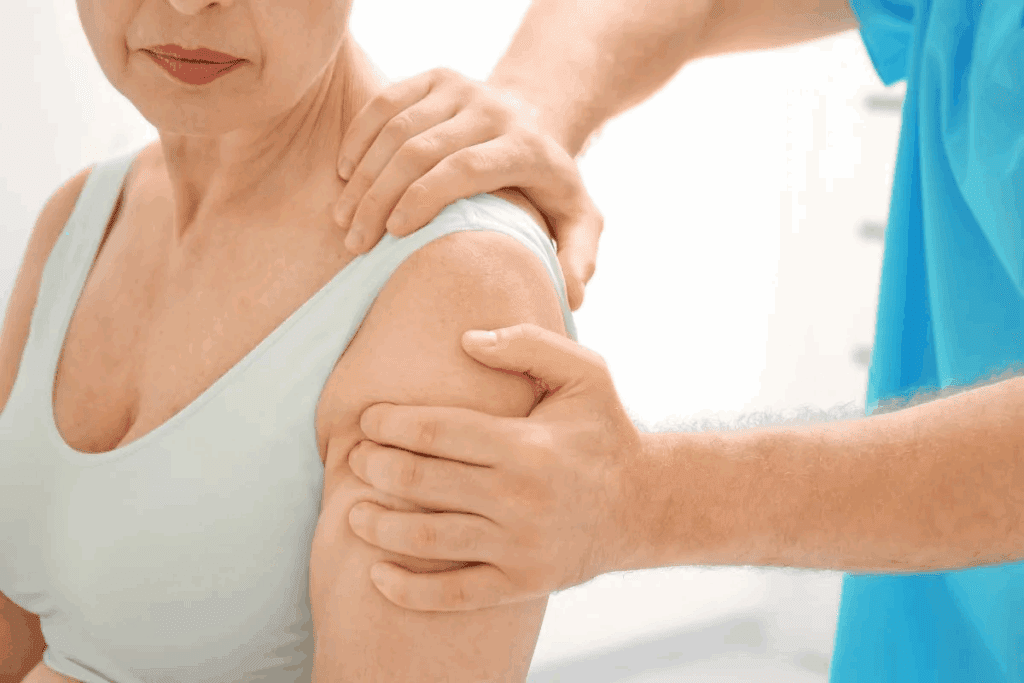
Bursitis affects millions worldwide, causing significant pain and discomfort. Understanding the various treatments for bursitis is essential for effective management.
Bursitis is a painful condition that inflames the bursae — small fluid-filled sacs that cushion joints and reduce friction. Many people wonder, what is the fastest way to cure bursitis and get relief from pain quickly. We will look at both natural remedies and medical options to help you recover fast.
We will cover different approaches, like physical therapy, medications, and lifestyle changes. These can help ease bursitis symptoms and aid in recovery. By understanding what is the fastest way to cure bursitis, you can take the right steps toward a pain-free and active life.
Key Takeaways
- Understanding the causes of bursitis is key to effective treatment.
- Many bursitis treatments are available, including medical and natural options.
- Physical therapy is important in managing bursitis symptoms.
- Lifestyle changes can help reduce bursitis discomfort.
- Combining treatments can lead to faster recovery.
Understanding Bursitis: What It Is and How It Affects Your Body
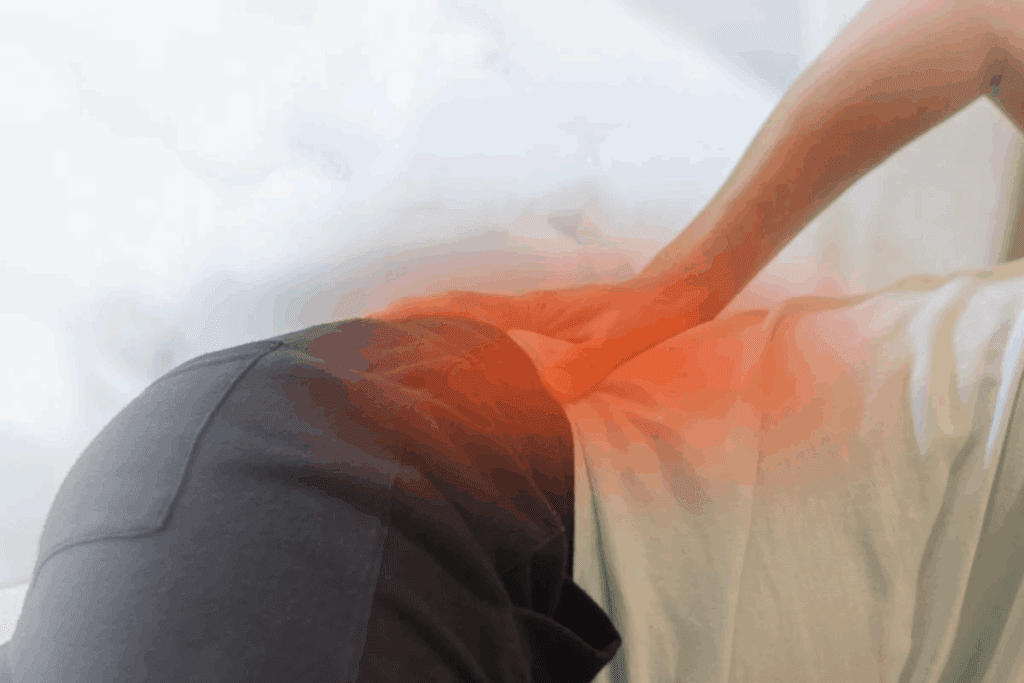
To understand how to get rid of bursitis, we need to know what it is and its effects. Bursitis happens when the bursae become inflamed. This leads to pain and makes it hard to move.
What Are Bursae and Their Function
Bursae are small, fluid-filled sacs that cushion joints and reduce friction between bones, tendons, and skin. They help joints move smoothly and reduce wear and tear. For example, the gluteal tendons, which connect deep buttock muscles to the hip bone, have bursae.
The fluid in the bursae helps reduce friction and cushions joints. Healthy bursae let us move without pain.
How Bursitis Develops
Bursitis happens when the bursae become inflamed. This can be due to repetitive motion, direct trauma, or infection. The inflammation causes pain, swelling, and limited mobility.
Repetitive motion is a common cause. Activities like repetitive throwing or lifting can lead to bursitis in the shoulder or elbow.
| Causes of Bursitis | Description |
| Repetitive Motion | Repeated movements can irritate the bursae, leading to inflammation. |
| Direct Trauma | A direct blow to a joint can cause bursitis by inflaming the bursae. |
| Infection | Bacterial infection can cause bursitis, especially if the skin is broken. |
Common Types of Bursitis and Their Symptoms
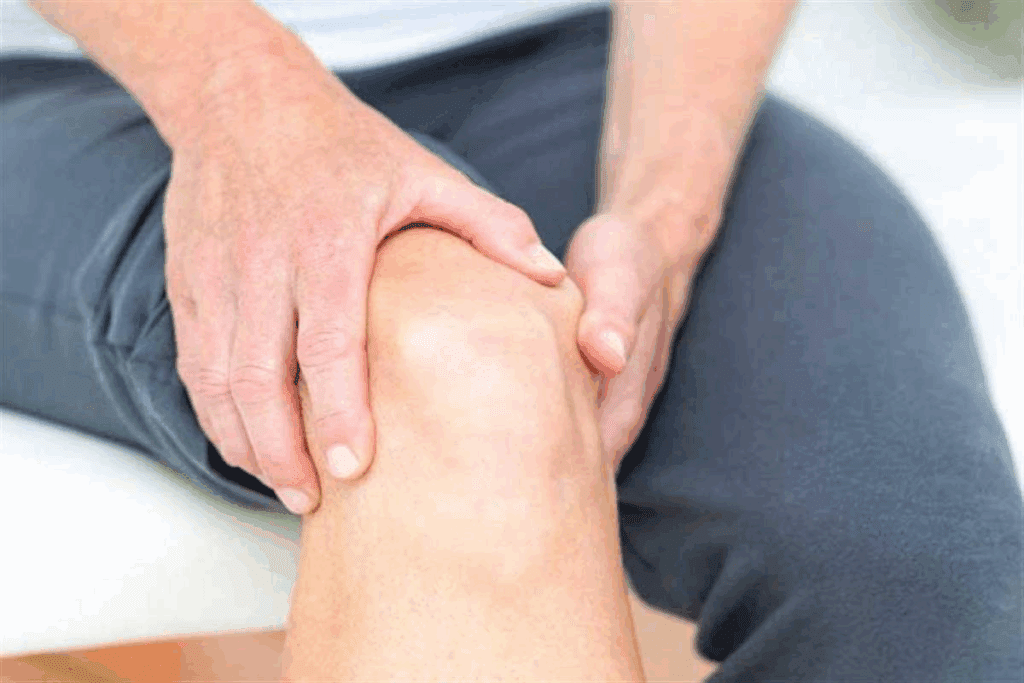
Knowing the different types of bursitis is key to getting the right treatment. Bursitis can affect many areas, like the shoulder, elbow, hip, and knee. Each type has its own symptoms, and how it affects daily life is different.
Shoulder Bursitis (Subacromial Bursitis)
Shoulder bursitis, or subacromial bursitis, causes pain in the shoulder area. This pain is worse when moving the arm up or rotating it. It can also limit how much you can move your shoulder.
Elbow Bursitis (Olecranon Bursitis)
Elbow bursitis, or olecranon bursitis, leads to swelling at the elbow’s back. This swelling makes bending or straightening the arm painful. It can also be tender to the touch.
Hip Bursitis (Trochanteric Bursitis)
Hip bursitis, or trochanteric bursitis, causes pain on the outside of the hip. This pain can spread down the thigh. Walking or climbing stairs can make the pain worse.
Knee Bursitis (Prepatellar Bursitis)
Knee bursitis, or prepatellar bursitis, causes swelling and pain at the knee’s front. Kneeling or putting pressure on the knee can make symptoms worse.
| Type of Bursitis | Common Symptoms |
| Shoulder Bursitis | Pain when moving the arm overhead, limited shoulder mobility |
| Elbow Bursitis | Swelling at the back of the elbow, pain when bending or straightening |
| Hip Bursitis | Pain on the outside of the hip, radiating down the thigh |
| Knee Bursitis | Swelling and pain at the front of the knee, worsened by kneeling |
The symptoms of these common types of bursitis can greatly affect daily activities. It’s important to get medical care for a proper diagnosis and treatment.
What Causes Bursitis? Risk Factors to Be Aware Of
Knowing what causes bursitis is key to preventing and managing it. Bursitis happens when the bursae, fluid-filled sacs, get inflamed. These sacs cushion bones, tendons, and muscles near joints.
Repetitive Motion and Overuse
Repetitive motion and overuse often lead to bursitis. Activities like throwing, kneeling, or lifting can irritate the bursae. This causes inflammation.
For example, athletes in sports that need repetitive arm movements, like tennis, are at risk. They might get bursitis in their elbows or shoulders.
Direct Trauma or Injury
Direct trauma or injury to a joint can also cause bursitis. A fall or a blow to the area can irritate the bursae. This leads to inflammation.
For instance, falling onto the elbow can cause olecranon bursitis.
Age, Medical Conditions, and Other Risk Factors
Age is a big risk factor for bursitis, as the risk goes up with age. Certain medical conditions, like rheumatoid arthritis, gout, and diabetes, also raise the risk. Obesity and poor posture can contribute to bursitis, too.
By knowing these risk factors, people can take steps to prevent bursitis. They can modify activities to avoid repetitive strain, keep a healthy weight, and manage any medical conditions.
Diagnosing Bursitis: What to Expect at the Doctor’s Office
Diagnosing bursitis starts with a detailed check-up at the doctor’s office. Your doctor will use several methods to find out if you have bursitis.
Physical Examination Techniques
A physical exam is key in finding bursitis. Your doctor will look for swelling, redness, and tenderness in the affected area. They will also check how well you can move and do specific tests to find the source.
- Visual inspection for swelling and redness
- Palpation to assess tenderness
- Range of motion tests to evaluate mobility
Imaging Tests (Ultrasound, MRI, X-ray)
Imaging tests help confirm the diagnosis and rule out other conditions. Ultrasound shows the bursa and surrounding tissue. MRI gives detailed images of soft tissues. X-ray helps spot bone spurs or other bone issues.
Fluid Analysis and Other Diagnostic Procedures
In some cases, fluid analysis is needed. This involves taking fluid from the bursa to check for infection or other issues. Blood tests might also be done to check for inflammation markers.
By using these methods, your doctor can accurately diagnose bursitis. They can then create a treatment plan that works for you.
What Is the Fastest Way to Cure Bursitis? Effective Treatment Approaches
Finding the fastest cure for bursitis means using many strategies. It’s key to mix quick fixes with medical help and a solid rehab plan.
Immediate Relief Strategies
Quick relief is vital for bursitis. Start with rest and change your activities so as not to make it worse. Ice packs on the area can cut down swelling and pain. You can also use over-the-counter pain meds like ibuprofen or acetaminophen for fast pain relief.
Medical Interventions for Quick Recovery
For serious bursitis, you might need medical help. Corticosteroid shots can greatly reduce swelling and ease pain. Physical therapy also works well, making joints move better and muscles stronger. Sometimes, draining the bursa is needed to ease pressure and help it heal.
Timeline for Rapid Improvement
How fast you get better depends on how bad the bursitis is and the treatment. Usually, with good care, you’ll see improvement in a few days to weeks. A strengthening program can help your tendon handle more, making it easier to get back to normal.
| Treatment Approach | Timeline for Improvement | Expected Outcome |
| Immediate Relief Strategies | 1-3 days | Reduced pain and inflammation |
| Medical Interventions | 1-2 weeks | Significant reduction in symptoms |
| Progressive Strengthening Program | 2-6 weeks | Improved tendon tolerance and strength |
Using these effective treatments together can help you recover from bursitis faster. You’ll be back to your usual activities with less pain.
The RICE Method: First-Line Treatment for Acute Bursitis
The RICE method is a common first step for treating acute bursitis. It aims to lessen inflammation and pain. It includes four main parts: Rest, Ice, Compression, and Elevation.
Rest and Activity Modification
Resting the affected area is key. It’s important to avoid or cut down on activities that hurt. Changing your daily routine to ease stress on the bursae is recommended.
Ice Application Techniques
Ice helps lower inflammation and pain. To use ice correctly, wrap an ice pack in a cloth. Place it on the area for 15-20 minutes, several times a day. Always put a barrier between the ice and your skin to avoid ice burn.
Compression Methods and Products
Compression aids in swelling reduction. Use a compression bandage or sleeve on the area. The bandage should be snug but not too tight to block blood flow.
Elevation Strategies
Elevating the affected limb above your heart level helps with swelling. For example, if you have bursitis in your elbow, place your arm on a pillow when sitting or lying down.
| RICE Component | Purpose | Application |
| Rest | Reduce stress on the bursae | Avoid painful activities |
| Ice | Reduce inflammation and pain | Apply an ice pack wrapped in a cloth for 15-20 minutes |
| Compression | Reduce swelling | Use a compression bandage or sleeve |
| Elevation | Reduce swelling | Elevate the affected limb above heart level |
By using the RICE method, people can manage acute bursitis symptoms well. It helps in healing.
Medication Options for Bursitis Pain and Inflammation
Managing bursitis well needs a mix of treatments, with medicine being key to easing pain and swelling. There are many medicines to help with bursitis symptoms. The right medicine depends on how bad the bursitis is, where it is, and the patient’s health.
Over-the-Counter Anti-Inflammatory Medications
OTC anti-inflammatory medicines are often the first choice for bursitis. Nonsteroidal anti-inflammatory drugs (NSAIDs) like ibuprofen and naproxen help reduce pain and swelling. They are easy to get and work well for mild to moderate bursitis. But it’s important to take them as directed to avoid side effects like stomach problems and kidney issues.
Prescription Pain Relief Options
If OTC medicines don’t work, stronger prescription options might be needed. Corticosteroid injections are a common prescription for bursitis, giving strong anti-inflammatory effects. Oral corticosteroids can also be prescribed for short-term use to fight severe swelling. A doctor may also suggest stronger NSAIDs or other pain medicines.
Topical Treatments and Their Effectiveness
Topical treatments are another good way to handle bursitis pain and swelling. Topical NSAIDs, in creams, gels, or patches, can be applied right to the sore spot. This gives targeted relief with fewer side effects. Other topical options like capsaicin cream or arnica gel can also help with pain and swelling. They can be used alone or with oral medicines for better relief.
Physical Therapy Exercises to Heal Bursitis
Physical therapy is key in treating bursitis. It offers exercises for different areas. These exercises help strengthen tendons, aiding in healing.
There are exercises for shoulder, hip, knee, and elbow bursitis. Let’s look at some specific ones.
Shoulder Bursitis Exercises
Shoulder bursitis needs exercises that boost flexibility and strengthen the rotator cuff. Here are some:
- Pendulum exercises to enhance range of motion
- Wall slides to improve flexibility
- Resistance band exercises to strengthen the rotator cuff muscles
Hip Bursitis Rehabilitation
Hip bursitis needs exercises that strengthen the hip abductors and improve flexibility. Key exercises include:
- Hip abductions to strengthen the gluteal muscles
- Clamshell exercises to target the deep hip rotators
- Hip flexor stretches to improve flexibility
Knee Bursitis Recovery Movements
Knee bursitis exercises strengthen the quadriceps and hamstrings. Examples include:
- Straight leg raises to strengthen the quadriceps
- Hamstring curls target the back of the thigh
- Wall squats to improve strength and stability
Elbow Bursitis Strengthening Exercises
Elbow bursitis exercises improve elbow flexion and extension. Key exercises include:
- Elbow flexion exercises with light weights
- Forearm pronation and supination exercises to improve rotation
- Extension exercises to strengthen the triceps
Adding these exercises to a physical therapy program helps heal bursitis. It also restores joint function.
Compression and Support: Braces and Sleeves for Bursitis Management
Braces and sleeves are key in managing bursitis symptoms. They offer stability and cut down pressure on the affected joints. This helps ease pain and aids in recovery.
Choosing the Right Compression Product
Choosing the right compression product is important. For example, knee braces are great for knee bursitis, while elbow sleeves are better for elbow bursitis. Make sure the product has adjustable compression and is breathable for comfort.
How to Use Supports Effectively
To get the most out of compression and support devices, follow these tips:
- Wear the device as directed, typically during activities that make the condition worse.
- Make sure it fits right to avoid restricting movement or causing more discomfort.
- Use compression devices with other treatments like physical therapy and medication for the best results.
Heat Therapy: When and How to Apply Heat for Bursitis Relief
Heat therapy is a great way to treat bursitis. It helps reduce pain and swelling. We’ll show you when and how to use it to feel better.
Timing Heat Application in the Recovery Process
Timing is key when using heat therapy. It works best a few days after symptoms start. Using it too soon can make things worse.
Start heat therapy when the pain is more bearable. This is usually after the first few days of symptoms.
Different Heat Therapy Methods and Their Benefits
There are many ways to use heat therapy. Each has its own advantages. Here are a few:
- Warm baths or showers: Relaxing and can be used to soothe multiple areas at once.
- Heating pads: Convenient and can be applied directly to the affected area.
- Warm compresses: Easy to prepare and can be used on various body parts.
- Heat wraps: Provide consistent heat and can be worn under clothing.
These methods can help with pain, improve blood flow, and relax muscles. Pick the one that works best for you.
| Heat Therapy Method | Benefits |
| Warm Baths/Showers | Relaxing soothes multiple areas |
| Heating Pads | Convenient, direct application |
| Warm Compresses | Easy to prepare, versatile |
| Heat Wraps | Consistent heat, wearable |
Medical Procedures for Persistent Bursitis
When bursitis doesn’t go away, doctors may need to step in. Several treatments can help ease the pain and help the bursa heal. We’ll look at these options, their benefits, and possible downsides to guide you.
Aspiration (Draining the Bursa) Procedure
Aspiration is a method to drain the bursa with a needle and syringe. It can lessen swelling and pain. Doctors use ultrasound to guide the needle for better results. This method can both diagnose and treat bursitis, giving quick relief.
Corticosteroid Injections: Benefits and Risks
Corticosteroid injections are a common treatment for bursitis. They’re used when other methods don’t work or when bursitis comes back. These injections can confirm the diagnosis and treat severe cases. But they can also cause problems like infection, tendon rupture, and more pain. We consider these risks and benefits when deciding on this treatment.
Surgical Options for Chronic Bursitis
If other treatments and injections don’t help, surgery might be needed. Surgical options include removing the inflamed bursa. This can be done through arthroscopy or open surgery. Surgery has its risks, but it can offer a lasting solution for chronic bursitis.
Natural and Alternative Remedies for Bursitis
Looking for natural ways to ease bursitis pain? There are many options beyond traditional treatments. These alternatives can help you feel better and aid in healing.
Herbal Anti-Inflammatories and Supplements
Some herbs and supplements can fight inflammation. Turmeric is famous for its anti-inflammatory powers. Omega-3 fatty acids and glucosamine also help with joint health.
Acupuncture and Massage Therapy
Acupuncture uses needles to boost healing and ease pain. It’s a traditional Chinese method that improves blood flow and cuts down inflammation. Massage therapy relaxes muscles, boosts circulation, and eases stiffness.
Essential Oils and Topical Natural Treatments
Essential oils like eucalyptus, peppermint, and lavender offer relief when applied. Mixing them with a carrier oil for massage boosts their effects. Eating well and losing weight also helps tendons and prevents bursitis.
Adding these natural remedies to your treatment can offer more relief. They support your joint health, too.
Diet and Nutrition: Anti-Inflammatory Foods That Help Bursitis
What we eat affects our body’s inflammation levels. Eating foods that fight inflammation can ease bursitis symptoms. Tara Collingwood, a sports dietitian, says a healthy diet is key to managing inflammation.
Foods That Fight Inflammation
Adding certain foods to your diet can lower inflammation from bursitis. These include:
- Fatty Fish: Rich in omega-3 fatty acids, fish like salmon and sardines are potent anti-inflammatories.
- Turmeric: Contains curcumin, a compound known for its anti-inflammatory properties.
- Leafy Greens: Spinach and kale are high in antioxidants and other nutrients that combat inflammation.
- Nuts and Seeds: Almonds, chia seeds, and flaxseeds are rich in healthy fats and antioxidants.
| Food | Anti-Inflammatory Component | Benefit |
| Fatty Fish | Omega-3 fatty acids | Reduces inflammation |
| Turmeric | Curcumin | Potent anti-inflammatory |
| Leafy Greens | Antioxidants | Combats oxidative stress |
Foods to Avoid With Bursitis
Some foods can make bursitis symptoms worse. It’s best to limit or avoid:
- Processed Foods: Often high in unhealthy fats, sugar, and sodium.
- Sugary Drinks: Can increase inflammation and worsen symptoms.
- Refined Carbohydrates: Can cause spikes in blood sugar and insulin resistance.
Making smart food choices can help manage bursitis symptoms and support health.
Preventing Bursitis Recurrence: Long-Term Strategies
To stop bursitis from coming back, it’s key to use long-term strategies. These help keep your joints healthy and lower the chance of future problems. By changing your lifestyle and taking action early, you can keep your joints in good shape and avoid bursitis.
Ergonomic Adjustments at Work and Home
It’s important to make your workspace and home ergonomic to prevent bursitis. Make sure your desk and chair are set up right for good posture. Use ergonomic tools and take breaks to stretch and move. A comfortable and ergonomic space can help reduce joint strain and lower your risk of bursitis.
Proper Technique for Activities
Using the right technique when doing activities is key to avoiding bursitis. Learn how to lift correctly and use the right posture when sitting or standing. Avoid repetitive actions that can harm your joints. Proper technique helps prevent injuries and keeps your joints safe.
Maintenance Exercises and Stretches
Doing regular exercises and stretches keeps your joints healthy and prevents bursitis. Include exercises that boost flexibility and strength, and stretches to keep your range of motion. Adding these to your daily routine can help prevent bursitis and keep your joints in top shape.
| Exercise | Description | Frequency |
| Shoulder Rolls | Roll your shoulders forward and backward in a circular motion | 3 sets of 10 repetitions, daily |
| Knee Extensions | Slowly lift your leg out in front of you, keeping it straight | 3 sets of 10 repetitions, daily |
| Elbow Extensions | Slowly straighten your arm, keeping your elbow straight | 3 sets of 10 repetitions, daily |
When to See a Doctor: Red Flags and Complications
It’s important to know the signs of bursitis to get help quickly. Many cases can be treated at home. But some symptoms need a doctor’s attention right away.
Signs of Infection in Bursitis
Look out for signs of infection like more redness, swelling, warmth, or pus. Also, if you have a fever or feel really sick, see a doctor fast.
Symptoms That Require Immediate Attention
Severe pain, sudden swelling, or trouble moving a joint are serious. If your bursitis symptoms change a lot, talk to your doctor.
Chronic Bursitis Concerns
Chronic bursitis can cause ongoing pain and stiffness. If you keep getting bursitis, work with your doctor to manage it better.
Knowing the risks of bursitis and when to get help is key. It helps you recover faster and live better. Stay alert to red flags and act quickly for the best care.
Conclusion: Creating Your Personalized Bursitis Recovery Plan
Creating a bursitis recovery plan that fits you is key to healing well and avoiding future problems. We’ve talked about different ways to treat bursitis, like the RICE method and physical therapy. We’ve also looked at natural remedies.
To make a plan that’s right for you, first figure out what kind of bursitis you have and why it’s happening. Think about your daily life and work to see how it might be causing your bursitis.
Choose the best treatments for you, like using compression, heat therapy, or eating foods that fight inflammation. Doing exercises and stretches regularly can also help keep bursitis away.
By mixing these strategies and working with your doctor, you can make a detailed plan. This plan will meet your specific needs and help keep your joints healthy for a long time.
FAQ
What is bursitis, and how does it occur?
Bursitis is a painful condition. It happens when the bursae, fluid-filled sacs, get inflamed. This can be due to repetitive motion, direct trauma, or underlying medical conditions.
What are the common types of bursitis?
There are several types of bursitis. These include shoulder, elbow, hip, and knee bursitis. Each type has its own symptoms and characteristics.
How is bursitis diagnosed?
Doctors diagnose bursitis through physical exams and imaging tests. Tests like ultrasound, MRI, or X-ray are used. Sometimes, fluid analysis is needed to confirm the diagnosis.
What is the fastest way to cure bursitis?
To cure bursitis quickly, you need immediate relief, medical help, and a rehabilitation plan. This includes the RICE method, pain meds, physical therapy, and lifestyle changes.
What is the RICE method for treating bursitis?
The RICE method is a first-step treatment for bursitis. It stands for rest, ice, compression, and elevation. It helps reduce pain and inflammation, aiding in recovery.
What medication options are available for bursitis pain and inflammation?
There are many medication options for bursitis. These include over-the-counter anti-inflammatory drugs, prescription pain meds, and topical treatments. They help manage pain and inflammation, aiding in recovery.
How can physical therapy help in healing bursitis?
Physical therapy is key in healing bursitis. It includes exercises to improve joint mobility and strengthen muscles. The type of exercise depends on the location.
What is the role of compression and support in managing bursitis?
Compression and support devices, like braces and sleeves, help manage bursitis. They provide stability and reduce pressure on joints. Choosing the right product and using it correctly can aid in recovery.
Can heat therapy help relieve bursitis symptoms?
Yes, heat therapy can help with bursitis symptoms. It reduces pain and promotes relaxation. Exploring different heat therapy methods can be part of a treatment plan.
What medical procedures are available for persistent bursitis?
For persistent bursitis, medical procedures like aspiration, corticosteroid injections, or surgery may be needed. These procedures have benefits and risks that a doctor should discuss with you.
Are there natural and alternative remedies for bursitis?
Yes, natural remedies like herbal anti-inflammatories, acupuncture, massage therapy, and essential oils can help. They can be used alongside conventional treatments.
How can diet and nutrition help alleviate bursitis symptoms?
Eating a balanced diet rich in anti-inflammatory foods can help with bursitis symptoms. Knowing which foods to eat and avoid can support recovery and overall health.
How can bursitis recurrence be prevented?
Preventing bursitis recurrence requires making lifestyle changes and taking preventive steps. This includes ergonomic adjustments, proper techniques for activities, and exercises to keep joints healthy.
When should I see a doctor for bursitis?
You should see a doctor if you have signs of infection, severe symptoms, or chronic bursitis concerns. A doctor can provide the necessary medical care and guidance.
References
- Aaron, D. L., Patel, A., Kayiaros, S., & Calfee, R. (2011). Four common types of bursitis: diagnosis and management. Journal of the American Academy of Orthopaedic Surgeons, *19*(6), 359–367. https://pubmed.ncbi.nlm.nih.gov/21628647/