Last Updated on October 31, 2025 by

Kidney disease is a silent condition that affects about 35 million Americans. It often goes unnoticed until symptoms are severe. Early detection is key to prevent serious damage and get timely medical help.
Kidney problems can be hard to spot in the early stages. This makes it important for people to take care of their health. At Liv Hospital, we stress the need for regular check-ups and tests to catch issues early.
Spotting the early signs of kidney disease can save lives. Knowing these signs helps people get medical help fast. This can stop long-term damage.
Key Takeaways
- Kidney disease often remains asymptomatic until significant damage occurs.
- Routine screening is key for early detection.
- Awareness of early signs can lead to timely medical intervention.
- Liv Hospital focuses on patient care for a complete approach.
- Early detection can prevent severe kidney damage.
Understanding Your Kidneys: Function and Importance
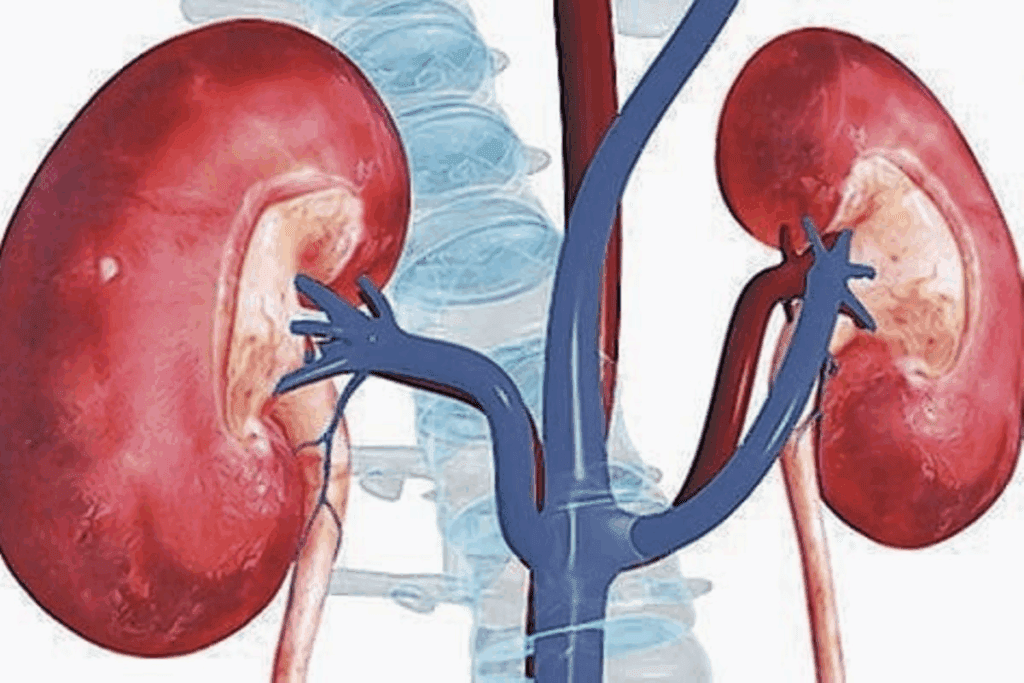
Our kidneys are vital organs that do many important tasks. They filter waste, excess wa ter, and other bad stuff from our blood. This keeps our body’s fluids and electrolytes in balance.
The Vital Role of Kidneys in Your Body
Kidneys are key to our health. They help control blood pressure and support bone health by activating vitamin D. They also make a hormone that helps make red blood cells.
Plus, they clean our blood every 30 minutes. This keeps our blood clean and healthy.
Kidney Functions:
| Function | Description |
| Waste Removal | Filtering waste products and toxins from the blood |
| Fluid Balance | Regulating the amount of fluid in the body |
| Blood Pressure Regulation | Controlling blood pressure through various mechanisms |
| Hormone Production | Producing hormones like erythropoietin and renin |
How Healthy Kidneys Work
Healthy kidneys work hard to keep our body running right. They adjust how much urine we make based on how much we drink and our body’s needs. They filter our blood to remove waste and excess stuff, which we then pee out.
They also help keep our blood’s acid-base balance right. Knowing how kidneys work helps us spot kidney damage or disease early. Early detection is key to managing and treating kidney problems.
The Silent Nature of Kidney Disease
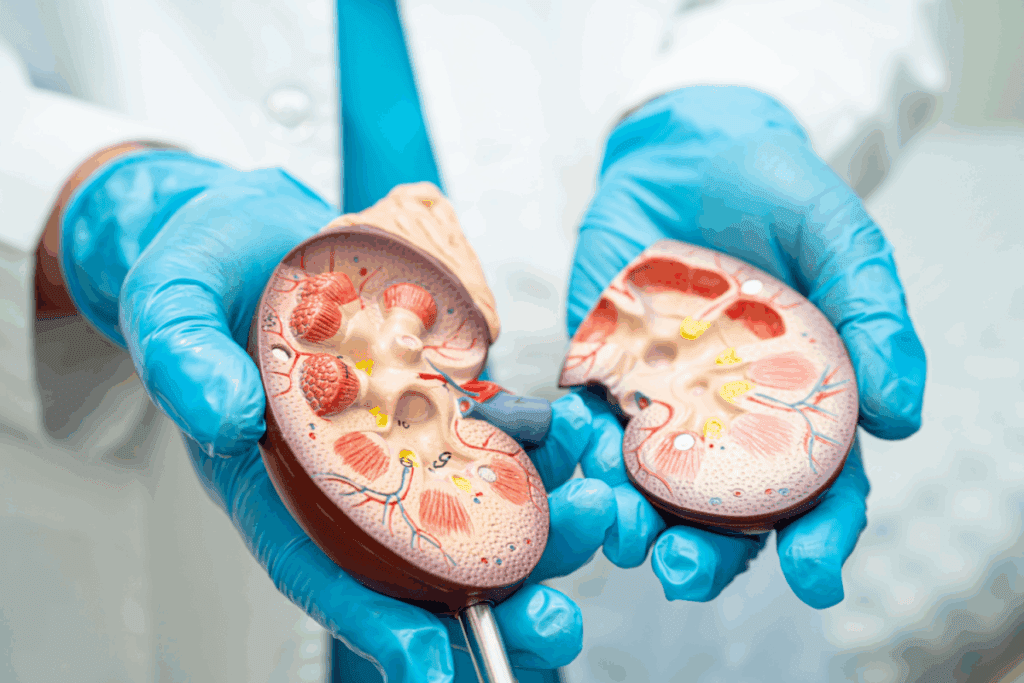
Chronic kidney disease (CKD) quietly damages kidneys over time, often without clear signs. This quiet damage makes it hard for people to notice the problem until it’s too late.
Why Early Detection Is Challenging
The early stages of kidney disease rarely show symptoms, making it tough to spot. Many people with CKD don’t know they have it until it’s serious.
As many as 9 in 10 adults with CKD are unaware they have it. This shows we need more awareness and tests. We’ll talk about the risks and signs of kidney issues.
The Progression of Kidney Damage
Kidney damage can creep up slowly, often without pain. It’s important to know about the stages of CKD and how they affect the kidneys.
| Stage | eGFR (mL/min/1.73m2) | Description |
| 1 | 90+ | Kidney damage with normal or increased GFR |
| 2 | 60-89 | Mildly decreased GFR |
| 3a | 45-59 | Mildly to moderately decreased GFR |
| 3b | 30-44 | Moderately to severely decreased GFR |
| 4 | 15-29 | Severely decreased GFR |
| 5 | <15 | Kidney failure |
The Alarming Statistics: 35 Million Americans Affected
About 35 million Americans have CKD. This number highlights the need for early detection and awareness.
The silent nature of kidney disease and its ability to progress unnoticed until severe damage makes it a major public health issue. We must stress the importance of screening, mainly for those at risk.
What Is the First Sign of Kidney Problems?
One of the earliest signs of kidney trouble is protein in the urine, known as proteinuria. Healthy kidneys filter waste and keep proteins in the blood. But, when kidneys get damaged, proteins can leak into the urine, causing noticeable changes.
Protein in Urine: The Earliest Indicator
Proteinuria is often the first sign of kidney issues. Normally, kidneys filter waste and keep proteins in the blood. But, when kidneys are damaged, proteins can leak into the urine. This is an early warning sign of kidney disease.
Key points about proteinuria include:
- It is often asymptomatic, making regular check-ups critical.
- Protein leakage can be detected through urine tests.
- Early detection can help in managing kidney disease progression.
Recognizing Foamy Urine
Foamy urine is a visible sign of proteinuria. When proteins leak into the urine, it makes the urine look foamy or bubbly. This is because of the excess protein, which changes the urine’s surface tension.
To recognize foamy urine, look for:
- A persistent foam that doesn’t dissipate quickly.
- An increase in the amount of foam over time.
- Foam that is accompanied by other urinary changes, such as color or consistency alterations.
- If you notice persistent changes in your urine, it’s important to see a healthcare professional. Early detection of kidney problems can greatly impact treatment and management of kidney disease.
Changes in Urination Patterns
Our kidneys play a big role in how much and what kind of urine we make. When they’re not working right, we might notice changes in how we pee. These changes can be a sign of kidney trouble.
Increased Frequency, Especically at Night
One common sign is needing to pee more often. This is called nocturia if it happens at night. Healthy kidneys make urine that’s concentrated, so we don’t pee as much at night.
But if kidneys aren’t working well, they can’t concentrate urine as well. This means we might need to pee more, even at night. Getting up a lot to pee can be a sign that our kidneys need help.
Changes in Urine Color and Consistency
The color and consistency of our pee can also tell us about our kidneys. Normally, pee is pale yellow or clear. But if pee is darker, cloudier, or has blood, it could mean our kidneys are struggling.
For example, if pee looks foamy or has blood in it, it might mean our kidneys are damaged. If we notice anything odd, it’s a good idea to talk to a doctor.
| Urine Characteristic | Possible Indication |
| Dark or Cloudy Urine | Concentrated urine or presence of infection |
| Foamy Urine | Excess protein in urine (proteinuria) |
| Blood in Urine | Hematuria, potentially indicating kidney damage or disease |
Difficulty or Pain During Urination
Pain or trouble peeing can also be a sign of kidney problems. But it’s more often linked to urinary tract issues. Kidney problems can sometimes lead to infections that make peeing painful.
If we feel pain or burning when we pee, it’s important to see a doctor. It’s key to figure out if the problem is with the kidneys or something else in the urinary tract.
Spotting changes in how we pee is important for catching kidney problems early. By knowing what’s normal and noticing when things are off, we can help keep our kidneys healthy.
Swelling and Fluid Retention
Impaired kidney function can cause sodium retention and fluid buildup. This leads to swelling, known as edema. It can appear in the feet, ankles, hands, and around the eyes.
Edema in Feet, Ankles, and Hands
Swelling often shows up in the lower parts of the body due to kidney issues. Fluid accumulation in the feet, ankles, and hands can be painful. If it doesn’t go away, it could lead to serious problems.
“The swelling linked to kidney disease is a clear sign of fluid imbalance,” notes a nephrology expert. “It’s a visible warning that something is wrong and needs to be checked out.”
Puffiness Around the Eyes
Puffiness around the eyes is another sign of fluid retention from kidney problems. This symptom is often most noticeable in the morning.
Understanding Why Swelling Occurs
Kidneys are key in keeping fluid balance in the body. If they don’t work right, sodium and water retention happens, causing swelling. The body can’t get rid of waste and extra fluids, leading to this symptom.
It’s important to understand how kidney function affects fluid balance. Recognizing swelling as a sign can help people get medical help early. This way, they can tackle kidney issues before they get worse.
Fatigue and Weakness
When kidneys start to fail, people often feel very tired and weak. This can really affect their daily life. We’ll look into how kidney health affects energy levels and why feeling tired is a common sign of kidney disease.
Connection Between Kidney Function and Energy Levels
Kidneys are key to our health, making hormones that help make red blood cells. If kidneys don’t work right, they can’t make enough of this hormone. This leads to anemia, causing fatigue and weakness.
Anemia and Kidney Disease
Anemia is a big problem for people with chronic kidney disease. It happens when kidneys can’t make enough of the hormone for red blood cells. This makes it hard for the body to get oxygen to its tissues, causing tiredness and weakness. Knowing about anemia and kidney disease helps manage symptoms and improve life quality.
When Tiredness May Signal Kidney Issues
Fatigue can mean many things, but if it lasts a long time, it’s important to check it out. If you’re always tired and it doesn’t go away, see a doctor. They can find out why and help treat it.
It’s key to listen to your body and get help if you notice big changes in how you feel. Understanding how kidney health and fatigue are connected helps people stay healthy.
Skin Changes and Itchiness
Kidney disease can show up in different ways, including skin changes. When kidneys don’t work right, waste builds up. This can cause skin problems.
Dry, Itchy Skin as a Warning Sign
Dry, itchy skin is a common sign of kidney disease. This condition, called pruritus, is uncomfortable. It happens because waste in the blood irritates the skin.
- Dryness: The skin may become extremely dry, leading to cracking and irritation.
- Itchiness: Itching can be severe and persistent, often worsening at night.
Waste Build-up and Skin Manifestations
Waste products, like urea, can cause skin problems. When kidneys can’t filter these wastes, they can lead to:
- Skin discoloration: Changes in skin tone or color.
- Rashes: Appearance of rashes or lesions on the skin.
Other Skin Changes to Watch For
There are other skin changes that can mean kidney problems. These include:
- Pale or yellowish skin: Due to anemia, a common complication of kidney disease.
- Easy bruising: Kidney disease can affect platelet function, leading to easy bruising.
It’s important to notice these skin changes early. If you have persistent or severe skin issues, see a doctor.
Kidney Problems and Leg Pain
Leg pain is a common symptom for people with kidney issues. It often comes from muscle cramps and imbalances in electrolytes. Kidney problems can cause waste to build up in the body, affecting many bodily functions.
Muscle Cramps and Electrolyte Imbalances
Kidney problems can lead to muscle cramps and leg pain. These cramps happen because of imbalances in electrolytes. Electrolytes like potassium, sodium, and calcium are key for muscle health.
When kidneys don’t work right, these electrolytes get out of balance. This imbalance can cause muscle cramps and pain in the legs.
Differentiating Kidney-Related Pain from Other Causes
It’s important to tell kidney-related leg pain from other causes. Pain from kidneys often comes with swelling, changes in urination, or feeling very tired. Pain from muscles or joints might be more focused and linked to how active you are.
| Symptom | Kidney-Related Leg Pain | Musculoskeletal Leg Pain |
| Associated Symptoms | Swelling, changes in urination, fatigue | Localized pain, related to physical activity |
| Nature of Pain | Often diffuse, crampy | Can be sharp, aching, or throbbing |
| Timing | Can occur at rest | Often related to movement or activity |
When Leg Pain Requires Medical Attention
Some leg pain can be treated without seeing a doctor. But, severe pain that’s hard to walk with, lots of swelling, or signs of infection need quick medical help.
People with kidney disease should watch for new or worse leg pain. It could mean their kidney problem is getting worse. Keeping in touch with your doctor is key to managing kidney-related leg pain.
Diagnostic Tests and Medical Evaluation
To check your kidney health, doctors use several tests. These tests give important information about how well your kidneys work. They help find and treat kidney disease early.
Blood Tests for Kidney Function
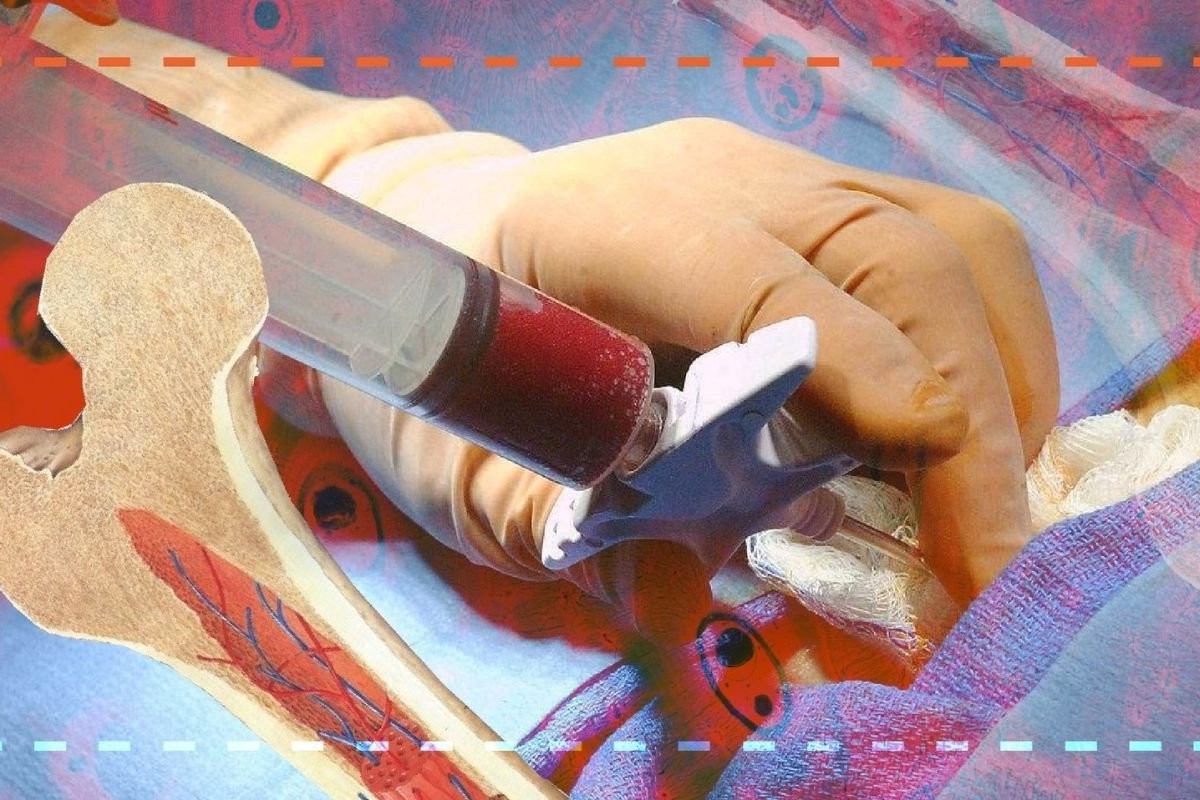
Blood tests are key for checking kidney health. They look at waste levels in your blood. High levels mean your kidneys might not be working right.
- Creatinine Test: Checks the level of creatinine, a waste product, in your blood.
- Blood Urea Nitrogen (BUN) Test: Looks at urea levels in your blood, another sign of kidney health.
Urine Tests and What They Reveal
Urine tests are also important. They find problems like protein or blood in your urine. These signs can mean kidney damage or disease.
- Proteinuria Test: Finds protein in your urine, an early kidney damage sign.
- Hematuria Test: Sees blood in your urine, which can mean kidney disease or other issues.
Estimated Glomerular Filtration Rate (eGFR)
The eGFR is a key test for kidney function. It shows how much fluid your kidneys filter each minute. It helps doctors diagnose and track kidney disease.
An eGFR under 60 mL/min/1.73 m means you have kidney disease. A value under 15 mL/min/1.73 m shows kidney failure.
Imaging and Other Advanced Diagnostics
Doctors also use imaging and other tests to check your kidneys. These include:
- Ultrasound: Makes images of your kidneys to find any problems.
- CT Scan: Gives detailed pictures of your kidneys and urinary tract.
- Biopsy: Takes a sample of kidney tissue for a closer look.
Knowing about these tests is key to keeping your kidneys healthy. Early detection helps slow disease and protect your kidneys.
Conclusion
It’s important to spot kidney problems early. This way, we can act fast and manage kidney disease well. We’ve looked at how kidneys are key to our health, how kidney disease can sneak up on us, and what signs might show we have a problem.
Spotting kidney issues early is key. It lets us take steps that can really help slow down kidney damage. By watching for changes in how we pee, swelling, feeling tired, skin issues, and leg pain, we can get checked out early. This could stop serious kidney damage.
Tests like blood and urine tests are vital for checking how our kidneys are doing. They help find kidney disease early. Knowing what these tests show and what they mean for our kidneys is key to managing the disease.
By focusing on our kidney health and knowing the signs of kidney disease, we can take care of ourselves. Catching kidney disease early and managing it right can greatly improve our treatment options. This shows how critical it is to stay alert and informed about our kidney health.
FAQ
What are the early symptoms of kidney disease?
Early signs of kidney disease are often subtle. You might notice changes in how often you need to pee or if your urine is foamy. Swelling in your feet and ankles, feeling very tired, and dry, itchy skin are also common.
How would you know if you have kidney problems?
Kidney issues can show up in different ways. Look out for changes in your pee, swelling, feeling really tired, and skin problems. Tests like blood and urine tests, eGFR, and imaging can also spot kidney problems.
What is the first sign of kidney problems?
One of the first signs is proteinuria. This means your pee has too much protein, making it look foamy.
How do I know if I have bad kidneys?
To find out if your kidneys are not working well, you need tests. Blood tests, urine analysis, and eGFR are key. Also, watch for signs like changes in pee, swelling, and feeling very tired.
What are the signs of renal problems?
Renal problems can show up in many ways. You might notice changes in your pee, swelling, feeling tired, skin issues, and pain in your legs. These symptoms can change based on how bad the kidney disease is.
How to know if your kidneys are bad?
To check if your kidneys are in trouble, get tested and pay attention to symptoms. Regular visits to your doctor can also keep an eye on your kidney health.
What are the signs of kidney damage?
Kidney damage can show up in several ways. Look for proteinuria, changes in pee, swelling, feeling tired, and skin issues. Tests can also show if there’s damage.
How do I know if I have kidney damage?
To see if you have kidney damage, get tested with blood and urine tests, eGFR, and imaging. Knowing the symptoms of kidney disease can also help spot damage early.
What is the sign of kidney problem?
Signs of kidney trouble include changes in pee, swelling, feeling tired, skin issues, and leg pain. These symptoms can change based on how severe the kidney disease is.
How to know you have kidney disease?
To figure out if you have kidney disease, get tested and watch for symptoms. Regular doctor visits can also help keep an eye on your kidney health.
References
National Health Service (NHS). (2025). What Are the First Signs of Kidney Problems. Retrieved from https://www.nhs.uk/conditions/kidney-disease/symptoms/