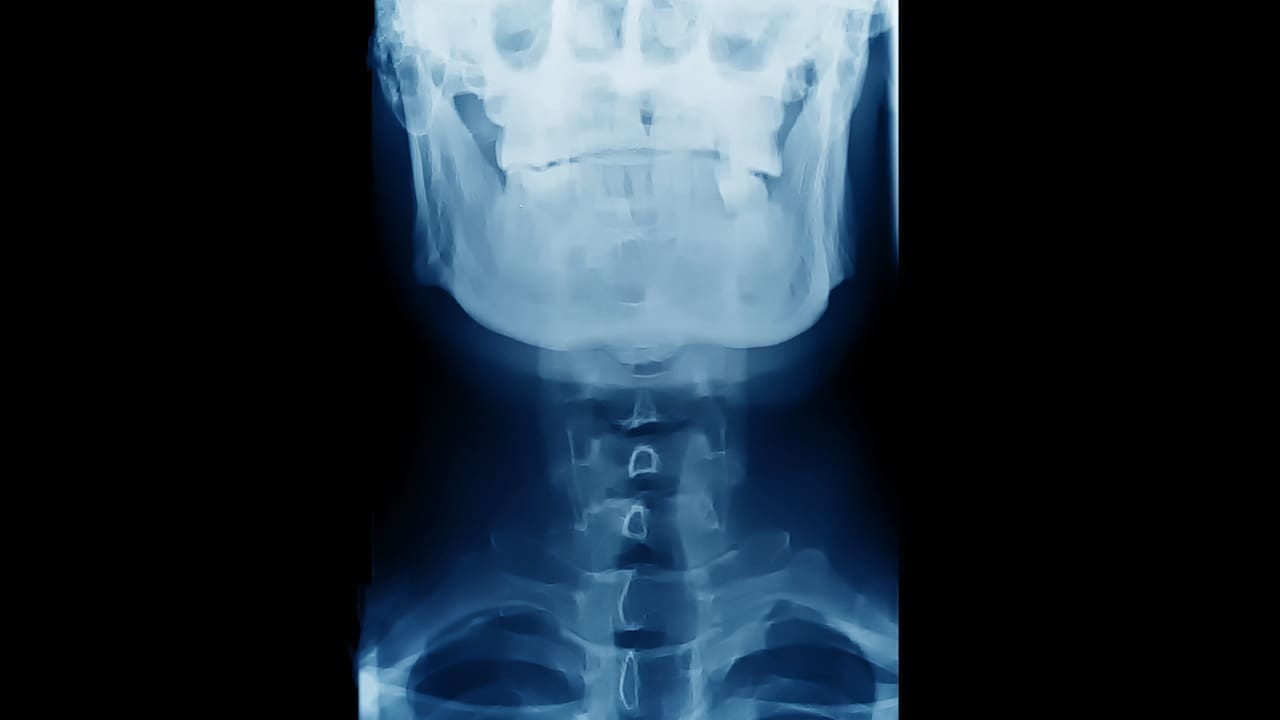
Last Updated on November 27, 2025 by Bilal Hasdemir

Knowing the outlook for spinal cancer is key for those diagnosed. At Liv Hospital, we offer expert advice on life expectancy for both early and advanced spinal cancer. We aim to help patients navigate their journey.
Early detection greatly boosts the outlook, with some low-grade tumors having a 5-year survival rate over 90 percent. On the other hand, advanced cases, like metastatic cancer of the spine, have a median survival of a few months to less than two years.
We understand that each patient’s situation is different. It’s shaped by the cancer type, if it has spread, and the patient’s overall health. Our team is dedicated to giving personalized care and support.
Key Takeaways
- Early detection of spinal cancer significantly improves life expectancy.
- The 5-year survival rate for low-grade tumors can be above 90 percent.
- Advanced spinal cancer has a median survival ranging from several months to under two years.
- Prognosis depends on factors such as cancer type, metastasis, and patient health.
- Liv Hospital provides personalized care and support for international patients.
Understanding Spinal Cancer: Types and Classifications

Spinal cancer is complex, with different types of tumors. These can start in the spine or spread from other areas. It’s divided into primary and metastatic tumors, each affecting treatment and outlook differently.
Primary vs. Metastatic Spinal Tumors
Primary tumors start in the spinal column. Metastatic tumors spread to the spine from other cancers. Metastatic spinal tumors are more common and often come from breast, prostate, or lung cancer.
Research shows that metastatic patients’ bone marrow is less immune. It has more exhausted T cells and tumor-associated macrophages. These cells have unique states in metastatic lesions.
Grading and Staging of Spinal Cancer
Grading and staging are key for understanding spinal cancer. Grading looks at how aggressive the tumor is. Staging shows how far the tumor has spread.
A higher grade or stage means a more aggressive tumor or more widespread disease. This usually means a worse outlook.
How Spinal Cancer Differs from Other Cancers
Spinal cancer is unique because of its location and impact on the spine. As one expert said,
“The spine is a complex structure that not only provides structural support but also houses the spinal cord, making spinal cancer a challenging condition to manage.”
Spinal tumors are close to important neural structures. This means treatment must carefully balance fighting the cancer with protecting the nerves.
Stage 1 Spinal Cancer Life Expectancy
Patients with stage 1 spinal cancer have a better chance of recovery. This is because the cancer is usually found early and hasn’t spread. This makes it easier to treat.
Survival Rates for Early-Stage Spinal Tumors
Studies show that stage 1 spinal cancer patients have higher survival rates. The five-year survival rate for early-stage tumors is quite high. This is a positive sign for their future.
The patient’s overall health, the type of tumor, and the treatment plan are key. These factors greatly influence survival rates.
Grade 1 Tumors and Their Prognosis
Grade 1 tumors are low-grade and grow slowly. Patients with these tumors have a better outlook than those with higher-grade tumors.
Because of their slow growth, grade 1 tumors can be treated with surgery and radiation. This can greatly improve a patient’s life expectancy.
Factors Affecting Prognosis in Stage 1
Several factors can affect a stage 1 spinal cancer patient’s prognosis. These include the patient’s age, overall health, the type of tumor, and how well it responds to treatment.
Personalized care and regular check-ups are vital. They help monitor the tumor’s response and adjust the treatment plan if needed.
Progression of Spinal Cancer Through Stages
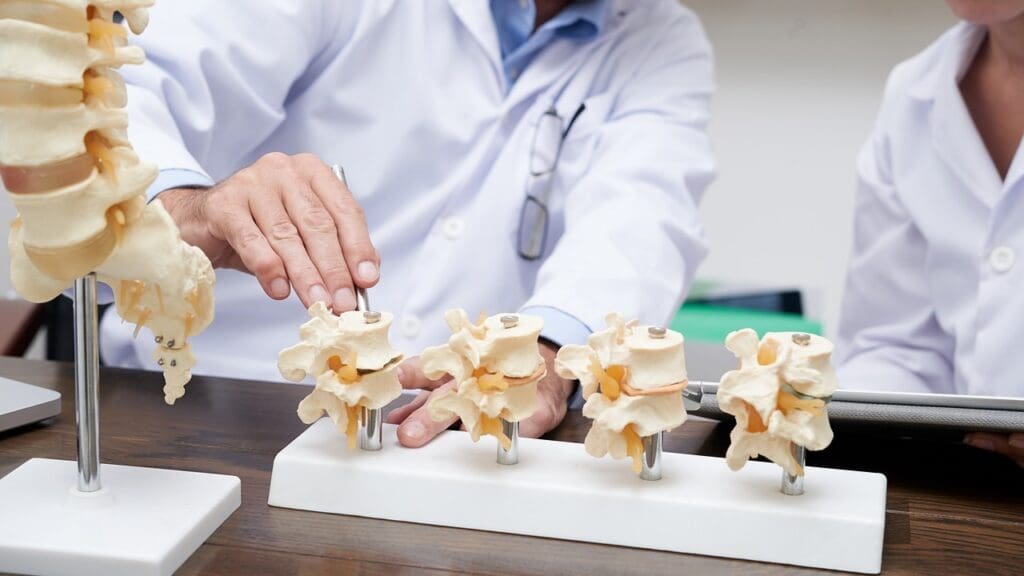
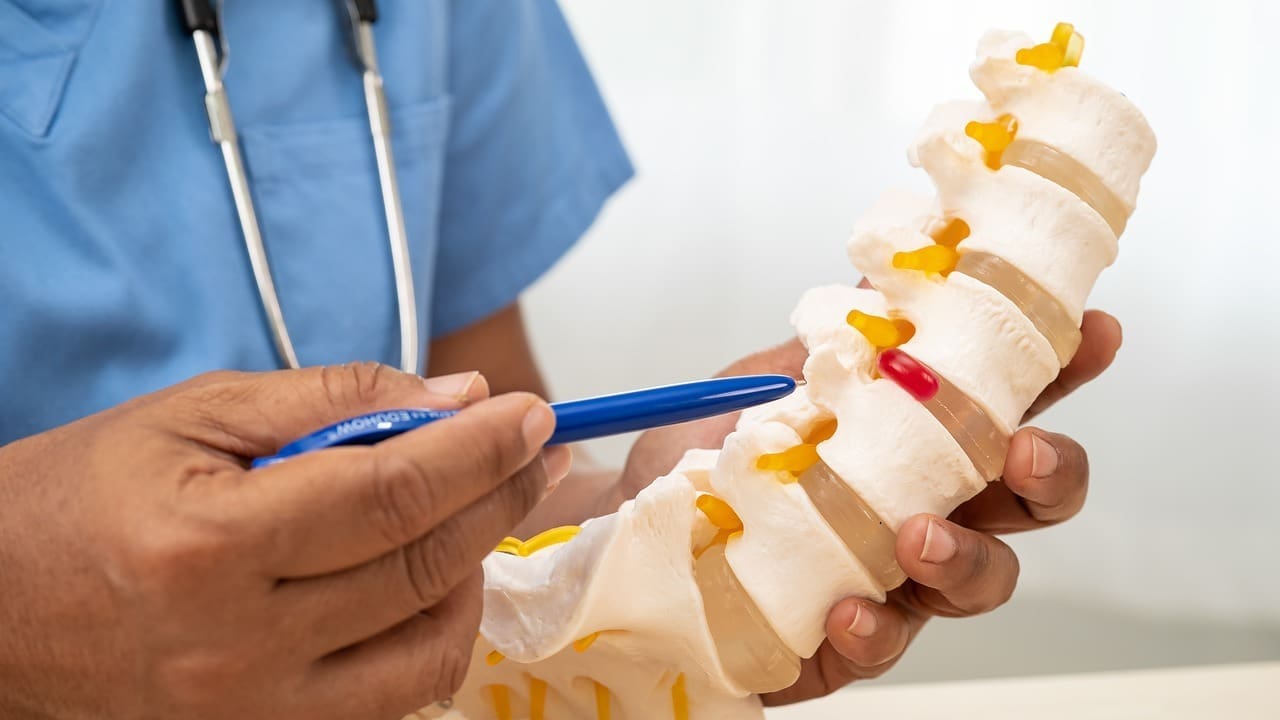
It’s key for patients to understand how spinal cancer progresses. Knowing this helps them understand their future. We’ll look at what affects how fast it grows.
How Cancer Advances in the Spine
Spinal cancer can grow in different ways. Primary spinal tumors start in the spine. Metastatic spinal tumors come from other parts of the body. How fast it grows can vary a lot.
Warning Signs of Progression
Knowing the signs of spinal cancer getting worse is important. Look out for more pain, problems with nerves, and changes in how you use the bathroom. If you notice these, tell your doctor right away.
Monitoring and Follow-up Protocols
Keeping an eye on spinal cancer is key. This might mean regular scans and check-ups.
| Monitoring Protocol | Frequency | Purpose |
|---|---|---|
| MRI or CT scans | Every 3-6 months | Assess tumor size and spread |
| Clinical assessments | Every 1-3 months | Evaluate neurological function and overall health |
Stage 4 Spinal Cancer: What It Means
Stage 4 spinal cancer means cancer cells have spread from the spine to other parts of the body. This serious stage affects not just the spine but also other important areas. It shows the disease has grown a lot.
Defining Advanced Spinal Cancer
Advanced spinal cancer, or metastatic spinal cancer, happens when cancer cells from the spine go to other parts. This can include the lungs, liver, brain, or other bones. When cancer spreads, it makes treatment harder and affects the patient’s life quality a lot.
Common Sites of Metastasis
The spine is a common place for cancer to spread because of its blood supply and veins. Cancers like breast, prostate, and lung often spread to the spine. Knowing where cancer usually spreads helps in treating it better.
Distinguishing Features of Stage 4 Disease
Stage 4 spinal cancer is known for spreading a lot beyond the original tumor. Symptoms include severe pain, nerve problems, and feeling tired or losing weight. At this stage, treatment must target both the main tumor and the spread areas.
| Characteristics | Description |
|---|---|
| Cancer Spread | Spread to distant organs or other parts of the skeleton |
| Common Primary Cancers | Breast, prostate, and lung cancers |
| Symptoms | Severe pain, neurological deficits, weight loss, fatigue |
Understanding Stage 4 spinal cancer shows we need a detailed plan to manage it. We’ll look at treatment options and how they affect survival in the next parts.
Life Expectancy with Stage 4 Spinal Cancer
Being diagnosed with stage 4 spinal cancer raises many concerns. At this stage, the cancer has spread, making treatment tough. Yet, many factors can affect how long you might live.
Median Survival Rates
Median survival rates give a general idea of life expectancy for stage 4 spinal cancer patients. These rates vary a lot. They depend on the type of cancer and other personal factors.
Median Survival Rates for Stage 4 Spinal Cancer:
| Primary Cancer Type | Median Survival Rate |
|---|---|
| Breast Cancer | 12-24 months |
| Lung Cancer | 6-12 months |
| Prostate Cancer | 24-36 months |
Variations by Primary Cancer Type
The type of cancer greatly affects life expectancy. For example, breast or prostate cancer patients often live longer than those with lung cancer.
Individual Factors Affecting Survival
Many personal factors can influence survival rates. These include overall health, age, and how well you respond to treatment. Better health and a good response to treatment can lead to longer survival.
Knowing these factors helps patients and their families make better care and treatment choices.
Metastatic Spinal Tumors and Survival Outcomes
Cancer spreading to the spine makes treatment harder and affects survival rates. Metastatic spinal tumors come from cancers elsewhere in the body. They can cause a lot of pain and problems.
Common Primary Cancers That Spread to Spine
Breast, lung, and prostate cancers often spread to the spine. This is because these cancers like to grow in bones. The spine is a common place for them to go.
- Breast cancer: It can spread to the spine, making life harder.
- Lung cancer: This cancer is aggressive and can quickly reach the spine.
- Prostate cancer: It often goes to the spine, causing big problems.
Prognosis for Different Types of Metastatic Spine Cancer
The outlook for metastatic spine cancer depends on the original cancer. For example, breast cancer patients might do better than those with lung cancer.
Is Metastatic Spine Cancer Curable?
Mostly, metastatic spine cancer is not curable. But, treatment can make life better and extend survival. It aims to ease pain, stabilize the spine, and improve brain function.
Getting a diagnosis of metastatic spine cancer is tough. But, with the right care and support, patients can manage this condition.
Key Prognostic Factors Across All Stages
Understanding the factors that affect spinal cancer survival is key. It helps both patients and doctors plan the best treatment. This way, they can predict how well a patient will do.
Age and Overall Health
A patient’s age and health are big factors. Younger people with fewer health problems usually do better. Older patients or those with many health issues face tougher challenges.
Tumor Type and Molecular Characteristics
The type of tumor and its molecular details are very important. Some tumors grow fast and are harder to treat. Others grow slower and might be easier to manage.
Response to Treatment
How a patient reacts to treatment is also key. Those who respond well to treatment tend to live longer. It’s the opposite for those who don’t respond as well.
By looking at these factors, doctors can create better treatment plans. This approach helps improve the lives of those with spinal cancer.
Diagnostic Considerations: Lesions on the Spine
Understanding spinal lesions is key for doctors to make the right choices. These lesions can be harmless or cancerous. Knowing the difference is important for treatment.
Benign vs. Malignant Spinal Lesions
Benign lesions are not cancer and don’t spread. Malignant ones are cancer and can spread. Accurate diagnosis is key to tell them apart. This is because their treatment and outlook are very different.
Importance of Early and Accurate Diagnosis
Quick and correct diagnosis of spinal lesions is vital. It helps in effective treatment and better patient outcomes. Delayed diagnosis can cause serious problems and lower survival chances. We use advanced diagnostic techniques for precise diagnosis and personalized treatment plans.
Modern Diagnostic Techniques
Modern tools like MRI, CT scans, and biopsy are essential for diagnosing spinal lesions. They help doctors see the lesion, understand its nature, and choose the best treatment.
Treatment Approaches and Their Impact on Survival
Effective treatments are key for patients with spinal cancer. The right treatment depends on the cancer’s stage, the patient’s health, and the tumor’s type.
Treatment Options for Stage 1 Spinal Cancer
For Stage 1 spinal cancer, treatments include surgery and radiation. Surgical interventions aim to remove the tumor. Radiation therapy targets any remaining cancer cells. Early treatment can greatly improve survival chances and prevent cancer from spreading.
Palliative Treatments for Stage 4 Spinal Cancer
For Stage 4 spinal cancer, the goal is to ease symptoms and improve life quality. Treatments include:
Radiation Therapy
Radiation therapy helps by shrinking tumors that press on nerves or the spinal cord. This reduces pain.
Surgical Interventions
Surgical interventions help stabilize the spine, relieve pain, or fix nerve problems.
Systemic Therapies
Systemic therapies, like chemotherapy or targeted therapy, manage cancer and symptoms. They depend on where the cancer spread from.
We know each patient is different, and treatments are customized. We aim to help patients and families understand treatment options and their survival impact. This way, they can make informed decisions about their care.
Conclusion: Understanding Prognosis and Making Informed Decisions
Knowing the prognosis for spinal cancer is key for patients to make smart choices about treatment. We’ve talked about the different stages of spinal cancer, from Stage 1 to Stage 4. Each stage has its own outlook.
The outlook for spinal cancer depends on several things. These include the stage, grade, and type of tumor, and the patient’s health. By knowing these, patients can better choose their treatment options.
Choosing the right treatment for spinal cancer means understanding the disease and its outlook. We suggest patients work closely with their healthcare team. This way, they can create a treatment plan that fits their needs.
By understanding their prognosis and treatment options, patients can improve their chances of successful treatment. This also helps them live better. Knowing about prognosis and treatment is essential for making good decisions about spinal cancer care.
FAQ
What is the life expectancy for stage 1 spinal cancer?
Life expectancy for stage 1 spinal cancer varies. It depends on the tumor type, grade, and overall health. Early-stage spinal cancer usually has a better outlook, with higher survival rates.
How does stage 4 spinal cancer differ from earlier stages?
Stage 4 spinal cancer has spread to other parts of the body. This makes it harder to treat. The focus often shifts to improving quality of life, not curing the cancer.
What are the common primary cancers that metastasize to the spine?
Breast, prostate, lung, and kidney cancers often spread to the spine. The type of cancer affects the prognosis and treatment choices.
Are lesions on the spine always cancerous?
No, not all spine lesions are cancerous. Some are benign, like hemangiomas. Accurate diagnosis is key to know the nature of the lesion.
What factors affect the prognosis for spinal cancer?
Prognosis depends on age, health, tumor type, grade, and treatment response. Knowing these factors helps in making treatment decisions.
Can metastatic spine cancer be cured?
Metastatic spine cancer is rarely curable. But, treatments can manage symptoms, improve life quality, and extend survival.
What are the treatment options for stage 1 spinal cancer?
Stage 1 spinal cancer treatments include surgery, radiation, and observation. The choice depends on the tumor and the patient’s health.
What is the role of palliative care in stage 4 spinal cancer?
Palliative care is vital in stage 4 spinal cancer. It focuses on symptom management, improving life quality, and emotional support for patients and families.
How does the grade of the tumor affect the prognosis?
Higher-grade tumors have a worse prognosis. Tumor grade is critical in planning treatment.
What are the warning signs of spinal cancer progression?
Warning signs include increasing pain, neurological issues, and bowel or bladder changes. Regular check-ups are key to catch any progression early.
References
- PubMed/NCBI : https://pubmed.ncbi.nlm.nih.gov/15593360