Last Updated on December 3, 2025 by Bilal Hasdemir
Cancer is a big problem worldwide, with millions affected. The American Cancer Society says over 1.9 million new cases will happen in the U.S. in 2023. Oncology services are key in cancer care, giving patients the help and treatment they need.
So, what are oncology services? They cover a wide range of medical care and support for cancer patients. Oncology services help diagnose, treat, and manage cancer. They also help with the physical, emotional, and social needs of those with cancer.
An oncologist is a doctor who works in oncology. This branch of medicine focuses on cancer study, treatment, diagnosis, and prevention. Knowing what oncology services are helps patients and their families understand cancer care better.
Key Takeaways
- Oncology services provide complete care for cancer patients.
- These services include diagnosis, treatment, and supportive care.
- A team of healthcare professionals works together in oncology services.
- Understanding oncology services is key for navigating cancer care.
- Oncology services address the physical, emotional, and social needs of cancer patients.
Understanding Oncology and Cancer Care

Oncology is key to understanding cancer care and treatment. It’s a medical field focused on caring for cancer patients. This care includes diagnosis, treatment, and support after treatment.
The Field of Oncology Defined
Oncology is the study, diagnosis, treatment, and prevention of cancer. It includes medical oncology, radiation oncology, and surgical oncology. These areas work together for a complete cancer care plan.
Oncology is always changing. New treatments and technologies are being developed. These advancements aim to improve patient care.
Some important parts of oncology are:
- Cancer diagnosis and staging
- Treatment planning and implementation
- Palliative care and symptom management
The Scope of Modern Cancer Care
Modern cancer care offers a wide range of services. It includes diagnosis, treatment, and support. It’s not just about treating the disease but also the patient’s overall well-being.
Modern cancer care includes:
- Personalized medicine, tailored to each patient’s needs
- Multidisciplinary care teams, with oncologists, nurses, and more
- Advanced treatment options, like immunotherapy and targeted therapy
The Meaning of Oncology Services in Cancer Medicine
Oncology services in cancer medicine cover a wide range of care. They include diagnosing, treating, and supporting cancer patients. This care is designed to meet all their needs.
Core Purpose and Functions
The main goal of oncology services is to fight cancer well. They help with the physical, emotional, and social health of patients. Comprehensive cancer care includes tests, treatments like chemo and radiation, and help with symptoms.
A team of , nurses, and other health workers work together. They aim to get the best results for patients.
The Multidisciplinary Approach to Cancer Care
A multidisciplinary approach is key in cancer care today. It means different health experts work together. They make plans that fit each patient’s needs.
This team includes , nurses, and specialists like dietitians. They all help create a treatment plan that’s right for each patient.
With their combined skills, the team offers top-notch care. This care improves patient outcomes and quality of life.
Cancer Diagnosis and Assessment Services
The journey to cancer treatment starts with a precise diagnosis and assessment. These services are key to finding out if cancer is present, how far it has spread, and what type it is. This information helps decide on the best treatment.
Screening and Early Detection Programs
Screening programs aim to find cancer early, often before symptoms show up. They are very important for cancers like breast, cervical, and colorectal. Finding cancer early can greatly improve treatment chances by catching it when it’s easier to treat.
- Mammograms for breast cancer screening
- Colonoscopy for colorectal cancer screening
- Pap smear for cervical cancer screening
Diagnostic Testing and Procedures
When screening shows a problem or symptoms appear, tests confirm if cancer is present. Tests include CT scans, MRIs, and PET scans. They also include biopsies to check tissue samples for cancer cells.
Staging and Assessment Processes
After finding cancer, staging and assessment show how far it has spread. Staging looks at the tumor size, lymph node involvement, and if it has spread. This info is key for knowing the outlook and choosing treatment.
Staging might need more imaging tests, surgical staging, or other tests. Getting the staging right is vital for picking the right treatment. This could be surgery, chemotherapy, radiation, or a mix of these.
Medical Oncology Treatment Services
Medical oncology treatment services are key in cancer care. They offer many treatment options for each patient. These services aim to fight cancer in different ways, ensuring full care.
Chemotherapy Services and Administration
Chemotherapy is a main part of medical oncology. It uses drugs to kill cancer cells. Chemotherapy services are given in and hospitals, based on the patient’s needs.
The goal is to hit cancer cells hard but not harm healthy ones. Oncologists plan and watch over chemotherapy closely. They make treatment plans that might include chemotherapy alone or with other treatments.
Immunotherapy Approaches
Immunotherapy is a big step forward in cancer treatment. It uses the body’s immune system to fight cancer. This includes things like checkpoint inhibitors and cancer vaccines. Immunotherapy cancer services help treat many cancers, giving patients new hope.
Immunotherapy works by using the immune system to find and kill cancer cells. It’s a targeted and possibly less harsh option than old treatments.
Targeted Therapy Options
Targeted therapy oncology uses drugs that only hit cancer cells. This way, it doesn’t harm healthy cells as much. These therapies target specific molecules that help cancer grow.
Targeted therapy is often used with other treatments like chemotherapy or immunotherapy. The right therapy depends on the cancer type, its genes, and the patient’s health.
In summary, medical oncology offers many treatments like chemotherapy, immunotherapy, and targeted therapy. Each is made to meet the unique needs of cancer patients. Knowing these options helps patients and create effective treatment plans.
Radiation Oncology Services
Cancer care often includes radiation oncology services. These services use different treatments to fight cancer. They are key in treating many cancers, providing precise and effective treatments.
These services use high-energy radiation to kill cancer cells. This helps control tumor growth and ease symptoms. The aim is to target the tumor with precision, protecting healthy tissues.
External Beam Radiation Therapy
External Beam Radiation Therapy (EBRT) is a common service. It uses radiation from outside the body to kill cancer cells. EBRT can treat tumors in many places.
This therapy is used for many cancers, like breast, prostate, lung, and brain cancers. New technology has made EBRT more precise and effective. This leads to better results and fewer side effects.
Brachytherapy and Internal Radiation
Brachytherapy places a radioactive source inside or near the tumor. It delivers high doses of radiation directly to the cancer. This method protects healthy tissue nearby.
Brachytherapy treats cancers like prostate, cervical, and breast cancers. It can be temporary or permanent, based on the cancer type and stage.
Emerging Radiation Technologies
The field of radiation oncology is always growing. New technologies like Intensity-Modulated Radiation Therapy (IMRT) and Stereotactic Body Radiation Therapy (SBRT) improve treatment. They offer better precision and results.
These advanced methods allow for more targeted therapy. This means more treatment for the tumor and less harm to normal tissues. As technology gets better, patients can expect even better care and fewer side effects.
Surgical Oncology Care
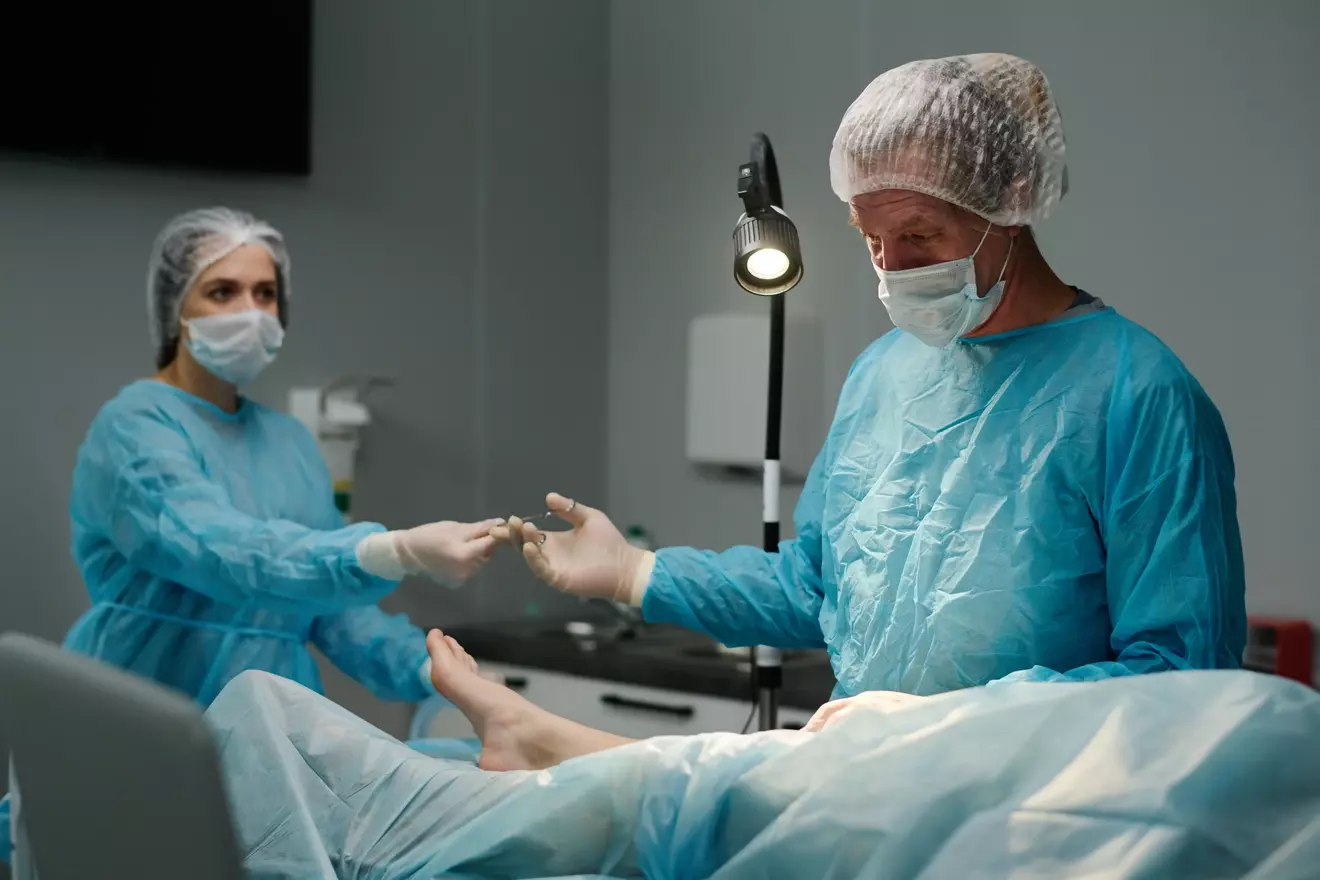
Cancer treatment often includes surgical oncology. This field focuses on the surgical management of cancer. It’s key for removing tumors and cancerous tissues. Patients get various surgical options based on their needs.
Types of Cancer Surgeries
Surgical oncology covers many surgeries. Curative surgeries aim to remove all cancerous tissue for a chance at full recovery. Palliative surgeries help manage symptoms and improve life quality for those with advanced cancer. Diagnostic surgeries confirm cancer through biopsies.
The right surgery depends on the cancer type, stage, and patient health. Knowing about these surgeries helps patients choose their care wisely.
Minimally Invasive Surgical Approaches
Minimally invasive surgeries have changed cancer surgery. They reduce recovery times and scarring. Techniques like laparoscopic and robotic surgeries use smaller incisions.
These surgeries cause less pain and let patients recover faster. They’re a good choice for many.
Post-Surgical Care and Recovery
Post-surgical care is vital in surgical oncology. It ensures patients get the right support after surgery. This care includes managing pain, watching for complications, and guiding recovery.
A good post-surgical care plan boosts patient outcomes and quality of life. Healthcare providers help patients through the recovery, addressing any issues.
The Oncology Healthcare Team
The oncology healthcare team is key in fighting cancer. They help diagnose, treat, and support patients. This team includes many healthcare experts working together.
Oncologists and Specialized Physicians
Oncologists and other are vital. They find out what kind of cancer a patient has and how far it has spread. Then, they create a treatment plan just for that patient.
Oncology Nursing Services
Oncology nurses are a big help to patients. They teach patients about their treatment, manage symptoms, and offer emotional support. This support is important during treatment.
Allied Health Professionals in Cancer Care
Allied health professionals like social workers, dietitians, and physical therapists are also important. They help with the physical, emotional, and social needs of patients. This ensures patients get all-around support during their cancer journey.
| Role | Responsibilities |
| Oncologists | Diagnose cancer, develop treatment plans |
| Oncology Nurses | Provide patient care, manage symptoms, offer emotional support |
| Allied Health Professionals | Address physical, emotional, and social needs of patients |
Supportive and Integrative Oncology Services
Cancer care is more than just treatment. It includes supportive and integrative oncology services. These services help meet the complex needs of cancer patients. They aim to improve their quality of life during the cancer journey.
Pain Management and Palliative Care
Pain management and palliative care are key parts of supportive oncology. Palliative care aims to reduce pain and other symptoms. It improves the patient’s overall well-being.
Effective pain management plans are made for each patient. They often combine medications, therapies, and lifestyle changes.
Palliative care teams work with patients and their families. They create care plans that cover physical, emotional, and social needs.
Nutrition Counseling for Cancer Patients
Nutrition counseling is vital for cancer patients. They often struggle with malnutrition due to the disease or treatment. Nutritionists and dietitians help maintain optimal nutrition.
A balanced diet helps patients tolerate treatment better. Nutrition counseling may include personalized diets, supplements, and healthy eating tips.
Psychological Support Services
Psychological support services are key for cancer patients’ emotional and mental health. Counseling and therapy help manage stress, anxiety, and depression.
These services are provided by licensed therapists or psychologists. Support groups, online or in-person, offer a chance to connect with others facing similar challenges.
Rehabilitation and Survivorship Programs
Rehabilitation and survivorship programs help patients recover and adjust to daily life. Rehabilitation programs include physical and occupational therapy. They aim to restore function and improve quality of life.
Survivorship programs focus on long-term needs of cancer survivors. They provide resources and support for life after treatment. These programs include monitoring for late effects, healthy living tips, and emotional support.
Conclusion: The Evolving Landscape of Oncology Services
Oncology is changing fast, thanks to new research, technology, and understanding of cancer. This means cancer care is getting more personal and effective. The cancer care future looks bright with new treatments and therapies.
It’s important for patients and to keep up with the latest in oncology. Research is always finding new ways to fight cancer. Knowing about these options helps people make better choices for their care.
As oncology gets better, teamwork in cancer care is key. , nurses, and other health experts need to work together. This teamwork helps patients get the best care, leading to better health and happiness.
FAQ
What is the significance of cancer prevention and screening in oncology services?
Cancer prevention and screening are vital. They help find and treat cancer early. This improves outcomes and lowers death rates.
What is palliative oncology care, and how does it support cancer patients?
Palliative oncology care relieves pain and symptoms. It helps patients with advanced cancer or those with significant symptoms. It improves their quality of life.
What are supportive and integrative oncology services, and how do they benefit cancer patients?
Supportive and integrative oncology services help with pain, nutrition, and mental health. They improve patients’ quality of life during their cancer journey.
What is the role of oncology nurses in cancer care?
Oncology nurses support patients during treatment. They help with physical, emotional, and social needs. They are key members of the oncology team.
What is surgical oncology care, and what types of surgeries are performed?
Surgical oncology removes tumors and cancerous tissues. Different surgeries are done, like curative, palliative, and diagnostic ones. These surgeries aim to remove cancer.
What is radiation oncology, and how is it used in cancer treatment?
Radiation oncology uses high-energy radiation to kill cancer cells. It can be given from outside the body or placed inside the body. This helps destroy cancer cells.
What are the different medical oncology treatment services?
Medical oncology treatments include chemotherapy, immunotherapy, and targeted therapy. These treatments can be used alone or together, based on the cancer type and stage.
What are the various cancer diagnosis and assessment services?
Cancer diagnosis and assessment services help find and understand cancer. They include screening, diagnostic tests, and staging. These help confirm cancer and know how far it has spread.
What is the role of a multidisciplinary team in oncology services?
A team of healthcare professionals works together in oncology. They include oncologists, nurses, and others. They provide care that meets all a patient’s needs.
What are the different types of oncology services available?
There are many types of oncology services. These include medical oncology, radiation oncology, and surgical oncology. There’s also supportive and integrative oncology, and palliative care.
What is the definition of oncology services?
Oncology services help people with cancer. They include diagnosing, treating, and managing cancer. They also help with the physical, emotional, and social needs of patients.