Last Updated on November 25, 2025 by Ugurkan Demir
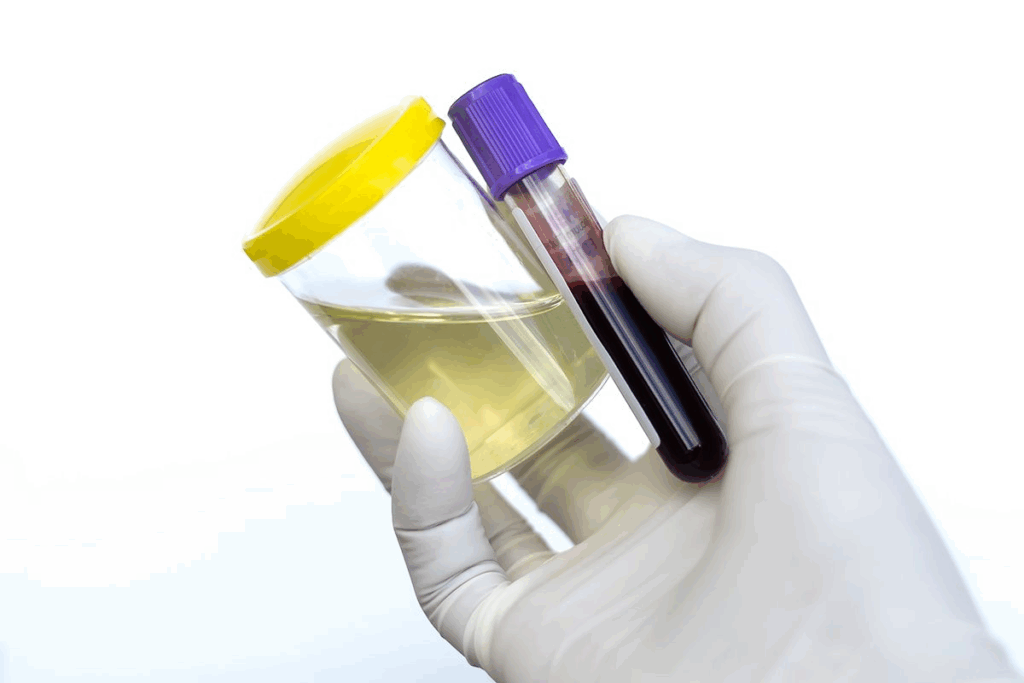
Blood in urine, known as hematuria, affects millions globally. It can signal many health issues, from infections to serious diseases like cancer.
What is the most common cause of blood in urine (hematuria)? Find the answer and learn when other, more serious causes should be investigated.
At Liv Hospital, we know how worrying it is to see blood in your urine. It’s a symptom that affects 2% to 31% of people. This makes it a major health concern that needs quick diagnosis and treatment.
Knowing the main reasons for hematuria is key for both patients and doctors. We’ll look at the most common causes of blood in urine. This will help you understand the possible reasons behind this condition.
Key Takeaways
- Hematuria affects a significant portion of the global population.
- Blood in urine can be a symptom of infections, kidney stones, or cancer.
- Understanding the causes of hematuria is essential for timely diagnosis and treatment.
- Liv Hospital provides complete care for patients with hematuria.
- Identifying the underlying cause of hematuria is vital for effective treatment.
Understanding Blood in Urine (Hematuria)

Hematuria is a common issue that urologists check for, affecting over 20% of people. It shows up as blood in the urine. This can mean different things depending on the cause.
Definition and Types of Hematuria
Hematuria means there’s blood in your urine. There are two kinds: gross hematuria and microscopic hematuria. Gross hematuria makes urine look pink, red, or cola-like because of the blood.
Prevalence and Demographics
Hematuria can happen to anyone, but it’s more common in certain groups. Older adults are more likely to have it. This is because of age-related issues.
Studies show that elderly men and senior males are at higher risk. This is often due to infections, kidney stones, or cancer in the urinary system.
Knowing how common hematuria is in older men is key. It helps doctors spot risks and treat it better.
What Is the Most Common Cause of Blood in Urine?

Hematuria, or blood in urine, often comes from urinary tract infections, mainly in women. We’ll look into why UTIs are the top reason for this issue. We’ll also talk about the stats and risk factors.
Urinary Tract Infections (UTIs)
Urinary tract infections are a big health problem, mostly for women. Their shorter urethra makes it easier for bacteria to get into the bladder or kidney. UTIs are the most common cause of hematuria, leading to blood in the urine.
UTIs happen when bacteria get into the urinary tract, causing infection. Symptoms can be mild or severe, including pain while urinating and frequent need to pee. The anatomical differences between men and women play a big role in UTI prevalence, with women being more at risk.
Statistics and Risk Factors
UTIs are more common in women than men, with many women getting at least one UTI in their life. Risk factors include sexual activity, certain birth control, and menopause.
| Risk Factor | Description | Impact on UTI Risk |
| Sexual Activity | Increased exposure to bacteria | Higher risk, mostly in women |
| Certain Birth Control Methods | Diaphragms and spermicides can increase bacterial presence | Increased risk |
| Menopause | Decreased estrogen levels can lead to increased bacterial colonization | Higher risk |
Knowing these risk factors is key to preventing UTIs and reducing blood in urine. By understanding UTIs’ role in causing blood in urine, we can tackle this common health problem better.
Urological Malignancies as Causes of Hematuria
Urological cancers, like bladder and kidney cancer, are serious causes of hematuria. This means blood in the urine and needs quick medical help. Timely diagnosis is key when it comes to these cancers.
We look at how urological cancers, including bladder and kidney cancers, cause hematuria. These cancers can make urine turn red because of bleeding. Knowing about these cancers and their link to hematuria is important for treatment.
Bladder Cancer
Bladder cancer is a common urological cancer that leads to hematuria. Blood in the urine is often the first sign. It mainly affects older people, with risks from smoking, chemicals, and infections.
Bladder cancer happens when tumors grow in the bladder lining. This can break blood vessels, causing bleeding. Finding it early is key for better treatment chances.
Kidney Cancer
Kidney cancer, or renal cell carcinoma, also causes hematuria. Tumors can invade blood vessels, leading to urine bleeding. Smoking, obesity, and high blood pressure increase the risk.
Kidney cancer might not show symptoms until it’s advanced. So, finding the cause of hematuria is critical.
Other Urological Cancers
Prostate and ureteral cancers can also cause hematuria. Though less common, they are serious, mainly in older men.
Hematuria in these cancers often means the disease is advanced. Quick evaluation is needed to start the right treatment.
In summary, urological cancers are a big cause of hematuria, mainly in older people. Knowing about these cancers and their risks helps in early detection and treatment. If you see blood in your urine, get medical help fast. Early action can greatly improve your chances of recovery.
Kidney Stones and Hematuria
Hematuria, or blood in the urine, can be caused by kidney stones. These are hard deposits made of minerals and salts. They can form in the kidneys or urinary tract and cause discomfort and health issues.
How Kidney Stones Cause Bleeding
Kidney stones can cause hematuria by scraping against the urinary tract’s lining. This damage to blood vessels leads to bleeding. The stones can be small or large, and their movement irritates the tract’s lining, causing hematuria.
When a stone moves, it can cause micro-tears in the lining. This leads to blood in the urine. This condition is painful and may need medical attention to prevent further issues.
Symptoms Associated with Kidney Stone-Related Hematuria
The symptoms of kidney stone-related hematuria vary. They often include severe pain in the side or back below the ribs. Pain can also radiate to the lower abdomen or groin. Other symptoms include:
- Painful urination
- Frequent urination
- Nausea and vomiting
- Fever and chills if an infection is present
Blood in the urine is a significant indicator of kidney stones. The urine may appear pink, red, or cola-colored, depending on the blood amount.
| Symptom | Description |
| Severe Pain | Pain in the side or back below the ribs, often radiating to the lower abdomen or groin |
| Painful Urination | Discomfort or pain while urinating |
| Hematuria | Presence of blood in the urine, causing it to appear pink, red, or cola-colored |
Understanding the symptoms and causes of kidney stone-related hematuria is key. If you’re experiencing these symptoms, seek medical care. A healthcare professional can provide the right diagnosis and treatment.
Can an Enlarged Prostate Cause Blood in Urine?
Blood in urine is scary, and an enlarged prostate is a possible cause. We’ll look at how this happens and its impact on men’s health.
Benign Prostatic Hyperplasia (BPH) and Hematuria
BPH is a non-cancerous growth of the prostate gland. It’s common in older men. BPH can lead to various urinary symptoms, like trouble starting to pee, weak flow, and frequent need to pee. Sometimes, it can also cause blood in the urine.
The link between BPH and blood in urine is important. The enlarged prostate can irritate or damage the urinary tract. This can cause bleeding.
- Irritation of the urinary tract lining
- Damage to blood vessels within the prostate
- Increased risk of urinary tract infections
Mechanism of Bleeding in Prostate Conditions
BPH can cause bleeding through several ways. As the prostate grows, it can press on the urethra. This can irritate the urinary tract lining, leading to bleeding, often during urination.
Key factors contributing to bleeding in BPH include:
- The size of the prostate enlargement
- The presence of other urinary tract conditions
- The overall health of the individual
It’s important to understand the connection between an enlarged prostate and blood in urine. If you see blood in your urine, see a doctor. They can find the cause and suggest treatment.
Blood in Urine in Elderly Men and Senior Males
As men age, they face unique health challenges. Blood in the urine is a common issue for elderly men and senior males. It can be a sign of several health problems, including urinary tract infections, kidney stones, and prostate issues.
It’s important for older men to seek medical attention if they notice blood in their urine. A doctor can perform tests to find the cause and recommend the right treatment. This can help manage symptoms and prevent further complications.
Regular check-ups and screenings are key for older men. They help catch any health issues early, including blood in the urine. This proactive approach can improve overall health and quality of life.
By staying informed and seeking medical help when needed, older men can address blood in the urine effectively. This ensures they receive the care they need to stay healthy and comfortable.
Blood in Urine in Women: Specific Causes
Blood in urine in women can come from many sources. This includes infections and gynecological issues. Knowing these causes helps doctors diagnose and treat the problem right.
UTIs and Gynecological Factors
Women are more likely to get urinary tract infections (UTIs). This is because their urethra is shorter, making it easier for bacteria to get into the bladder. UTIs are a big reason for blood in urine in women. Gynecological problems, like menstrual blood getting into the urine, and conditions like endometriosis, can also cause blood in urine.
When we look at blood in urine in women, we must think about these factors. This helps us make sure we diagnose and treat the problem correctly. Below is a table that lists the common reasons for blood in urine in women.
| Cause | Description |
| Urinary Tract Infections (UTIs) | Bacterial infections that can cause hematuria due to inflammation and irritation in the urinary tract. |
| Gynecological Factors | Conditions such as menstrual contamination, endometriosis, and other reproductive health issues can lead to blood in urine. |
| Other Causes | Kidney stones, bladder cancer, and other urological conditions can also cause hematuria in women. |
Pregnancy-Related Hematuria
Pregnancy can cause changes that might lead to blood in urine. The increased blood volume and the growing uterus can cause blood vessels to change. This might lead to bleeding. Though rare, it’s important to check why this happens to make sure there are no serious problems.
Pregnant women with blood in urine should get checked by a doctor. This is to make sure they and their baby are healthy.
We’ve talked about why women might have blood in their urine. This includes UTIs, gynecological issues, and changes during pregnancy. Knowing these reasons is key for doctors to give the right care.
Blood in Urine with No Infection: Possible Explanations
Blood in urine without infection is a sign that needs more checking. When tests show no infection, doctors look for other reasons. This could be due to many different health issues.
When UTIs Are Ruled Out
After ruling out UTIs, doctors look for other causes of blood in urine. Kidney stones, cancers, and other diseases can cause this. About half of the time, the cause is hard to find.
Some possible reasons for blood in urine without infection include:
- Kidney stones, which can cause bleeding due to the stone’s movement or obstruction
- Urological malignancies, such as bladder or kidney cancer
- Benign prostatic hyperplasia (BPH) or other prostate issues in men
- Kidney diseases or conditions, such as glomerulonephritis
Unexplained Hematuria
When the cause of blood in urine is not found, it’s called unexplained hematuria. This is a tough situation for both the patient and the doctor.
To understand unexplained hematuria better, let’s look at some data:
| Cause | Percentage of Cases | Common Symptoms |
| Kidney Stones | 15% | Severe pain, nausea, vomiting |
| Urological Malignancies | 10% | Blood in urine, weight loss, fatigue |
| Benign Prostatic Hyperplasia (BPH) | 8% | Urinary frequency, urgency, weak flow |
| Unexplained Hematuria | 50% | Variable, often asymptomatic |
When we face unexplained hematuria, we suggest more monitoring and tests. This helps find any hidden conditions that might not have shown up at first.
Diagnosis of Blood in Urine
When blood is found in urine, doctors start a diagnostic process. This is key to find out why it’s happening. It helps them choose the right treatment.
Medical Tests and Procedures
Several tests and procedures are used to diagnose hematuria. First, a urinalysis checks for bacteria, white blood cells, and other problems. This test can spot infections or other causes of blood in urine.
More tests might be needed based on the first results. Imaging tests like CT scans or ultrasounds are used. They help see the urinary tract and find issues like kidney stones or tumors.
| Test Type | Purpose | Common Findings |
| Urinalysis | Examine urine for abnormalities | Bacteria, white blood cells, blood |
| CT Scan | Visualize urinary tract structures | Kidney stones, tumors, structural abnormalities |
| Ultrasound | Assess kidney and bladder health | Kidney stones, tumors, obstruction |
What to Expect During Evaluation
During the evaluation, patients get a detailed medical history review and physical exam. Doctors use this info, along with test results, to find the cause of hematuria.
“A thorough diagnostic evaluation is essential for understanding the cause of blood in urine and developing an effective treatment plan.”
— Medical Expert
More tests might be needed based on the first findings. It’s important to follow your doctor’s advice for an accurate diagnosis.
Knowing about the diagnostic process helps patients understand their care better. It lets them make informed decisions about their treatment.
Treatment Approaches for Hematuria
Effective treatment for hematuria depends on finding and fixing the root cause. Hematuria is a symptom, not a diagnosis. Its treatment changes based on the cause, how severe it is, and the patient’s health.
Treating the Underlying Cause
The first step is to find and treat the cause. For example, if it’s a urinary tract infection (UTI), you’ll need antibiotics. The type of antibiotic and how long you need it depends on the infection’s severity and your health.
For serious issues like urological malignancies, treatments might include surgery, chemotherapy, or radiation therapy. The treatment plan is made just for you, based on the cancer type, stage, and your health and wishes.
Management Strategies
Along with treating the cause, there are ways to manage symptoms and prevent problems. These include:
- Hydration: Drinking lots of water to clean out your urinary system.
- Pain management: Using medicines to control pain from kidney stones or other issues.
- Lifestyle modifications: Changing your diet or avoiding activities that make things worse.
If you keep getting hematuria, seeing your doctor regularly is key. They can keep an eye on you and change your treatment if needed.
| Cause of Hematuria | Common Treatment Approaches |
| Urinary Tract Infection (UTI) | Antibiotics, hydration |
| Urological Malignancies | Surgery, chemotherapy, radiation therapy |
| Kidney Stones | Pain management, hydration, surgical removal |
Conclusion: When to Seek Medical Help for Blood in Urine
It’s very important to see a doctor if you notice blood in your urine. Blood in the urine can mean there’s a serious problem that needs quick attention.
If you see blood when you pee, you should talk to a doctor right away. They can check if it’s from a urinary tract infection, kidney stones, or something more serious. Finding out why is key to getting the right treatment.
Think about how bad and long your symptoms have been. If the blood keeps coming or is a lot, get help fast. Catching problems early can make a big difference in how well you recover.
FAQ
What is hematuria?
Hematuria is when blood shows up in your urine. It can mean there’s a health issue that needs to be checked.
What are the types of hematuria?
There are two kinds of hematuria. Gross hematuria is blood you can see. Microscopic hematuria is only found in lab tests.
What is the most common cause of hematuria?
Urinary tract infections (UTIs) are the top reason for hematuria. This is more common in women because of their body shape.
Can an enlarged prostate cause blood in urine?
Yes, an enlarged prostate can lead to hematuria. It irritates the urinary tract and causes bleeding.
What are the risk factors for hematuria in elderly men?
Older men face a higher risk of hematuria. This is due to age-related issues like BPH and prostate cancer.
Can kidney stones cause hematuria?
Yes, kidney stones can cause hematuria. They damage the urinary tract lining and blood vessels.
What are the symptoms associated with kidney stone-related hematuria?
Symptoms include severe pain. Other complications can also occur.
Are UTIs the only cause of hematuria in women?
No, UTIs are just one cause. Pregnancy and other gynecological issues can also lead to hematuria.
What happens when UTIs are ruled out as a cause of hematuria?
If UTIs are not the cause, more tests are needed. These tests help find the real reason for hematuria.
What is the diagnostic process for hematuria?
To diagnose hematuria, doctors use several tests. These include urine analysis to find the cause.
How is hematuria treated?
Treatment varies based on the cause. It can be simple, like antibiotics, or more complex, like cancer treatment.
Why is it essential to seek medical help for hematuria?
Getting medical help quickly is key. It helps find the cause and start the right treatment. This can prevent serious problems.
References
National Center for Biotechnology Information.. What Is the Most Common Cause of Blood. Retrieved from