Last Updated on December 1, 2025 by Bilal Hasdemir
Regenerative medicine has changed how we treat serious diseases. Over 1,500 stem cell clinical trials have been done worldwide.
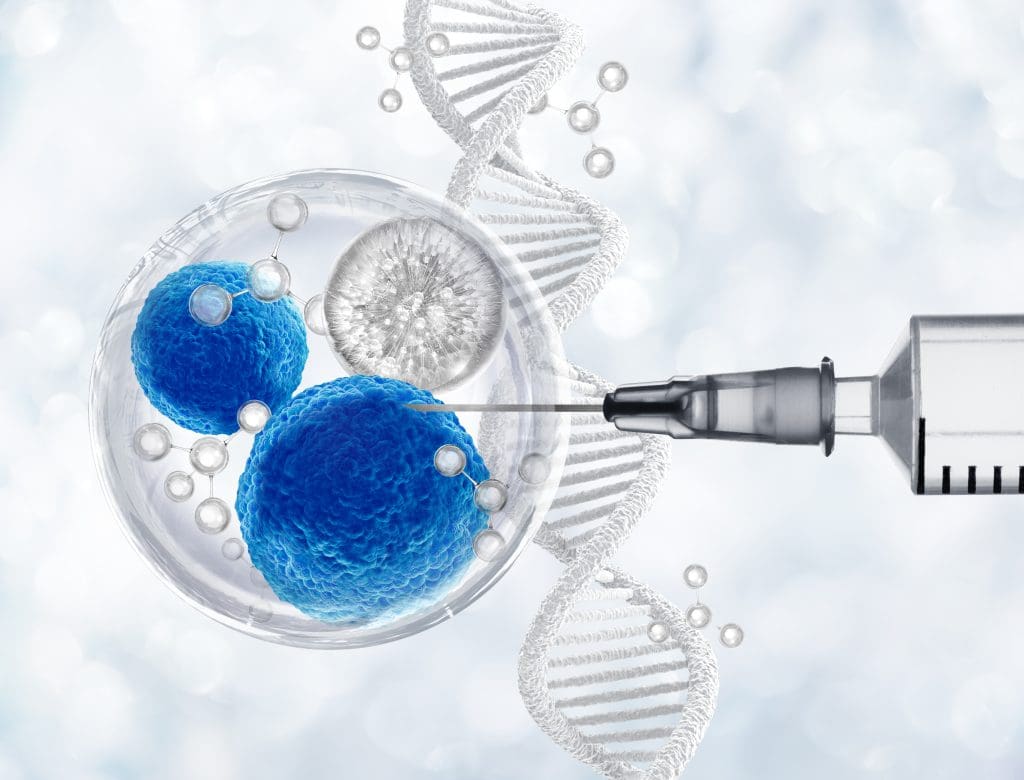
One big success is in treating blood diseases like leukemia and lymphoma. Stem cell therapy has given new hope to many. It’s a big change from old treatments.
The success of this therapy depends on many things. This includes the type of stem cells and the patient’s health. As research grows, so does the use of stem cell therapy. It’s a field full of promise and change.
Key Takeaways
- Stem cell therapy has shown promising results in treating various diseases.
- The success of stem cell therapy depends on several factors.
- Regenerative medicine is revolutionizing the treatment of life-threatening diseases.
- Stem cell therapy offers new hope to patients with blood-related disorders.
- Ongoing research is expanding the applications of stem cell therapy.
Understanding Stem Cells and Their Therapeutic Potential
Stem cells are key to new medical treatments. They can turn into different cell types, helping to fix damaged tissues. This makes them a big hope for treating many diseases.
What Are Stem Cells and Their Types
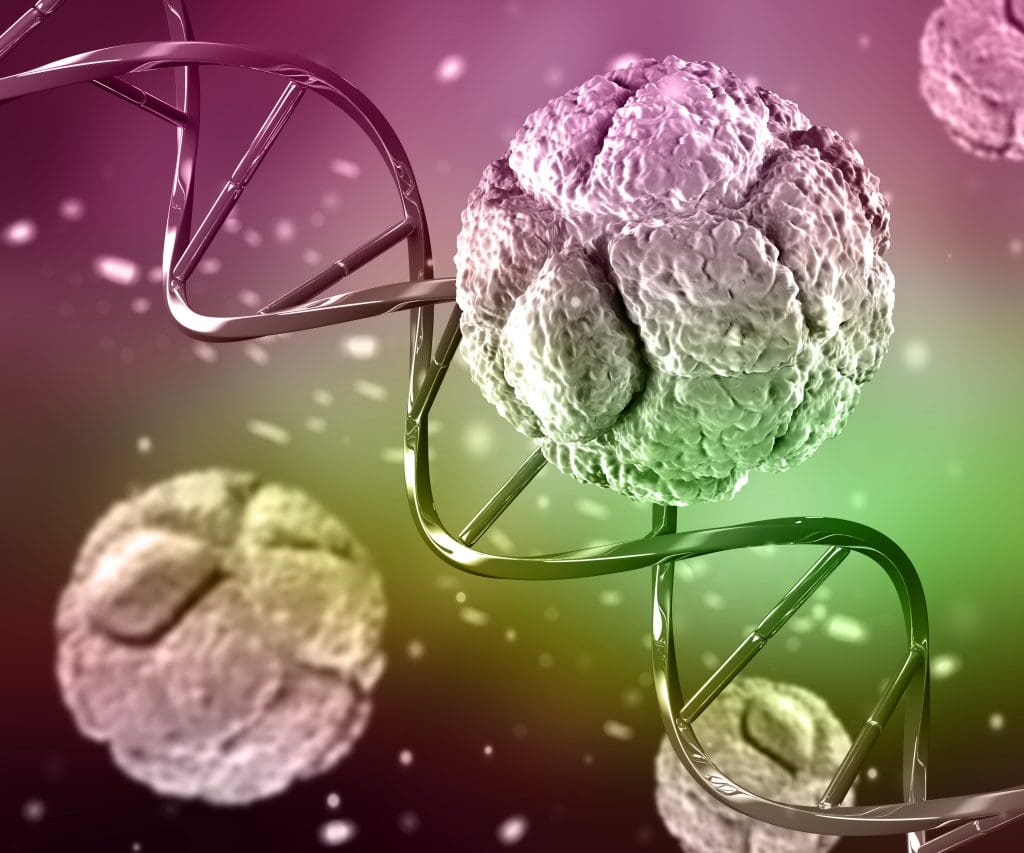
Stem cells come in different types. Embryonic stem cells can turn into any cell type and come from embryos. Adult stem cells are found in adult bodies and can’t turn into as many types. Induced pluripotent stem cells (iPSCs) are made in labs and can act like embryonic cells, making them useful for research and treatments.
How Stem Cells Function in Medical Treatments
In medical treatments, stem cells work by turning into specific cell types. For example, hematopoietic stem cells can become blood cells, helping with blood disorders. Mesenchymal stem cells can become bone, cartilage, and muscle cells, helping with bone and muscle problems. Their ability to fix damaged tissues makes them a powerful tool in medicine.
Hematopoietic Stem Cell Transplantation: The Most Established Success Story
Hematopoietic stem cell transplantation is a big win in treating blood disorders. It’s a key treatment for leukemia and lymphoma. This stem cell therapy uses stem cells from bone marrow or cord blood to fix damaged cells.
Treatment of Leukemia and Lymphoma
This therapy is a big help for leukemia and lymphoma. It replaces bad cells with good ones. How well it works depends on the disease, the patient’s health, and the match with the donor.
Bone Marrow Transplantation Success Rates
Bone marrow transplantation is a form of this therapy. It’s very effective for blood-related diseases. Success depends on the patient’s age, health, and disease stage at transplant time.
| Condition | Success Rate | Survival Rate at 5 Years |
| Leukemia | 60-80% | 50-70% |
| Lymphoma | 50-70% | 40-60% |
Cord Blood Transplantation Outcomes
Cord blood transplantation is another option. It’s great when finding a bone marrow donor is hard. Using cord blood stem cells has opened up more chances for this therapy.
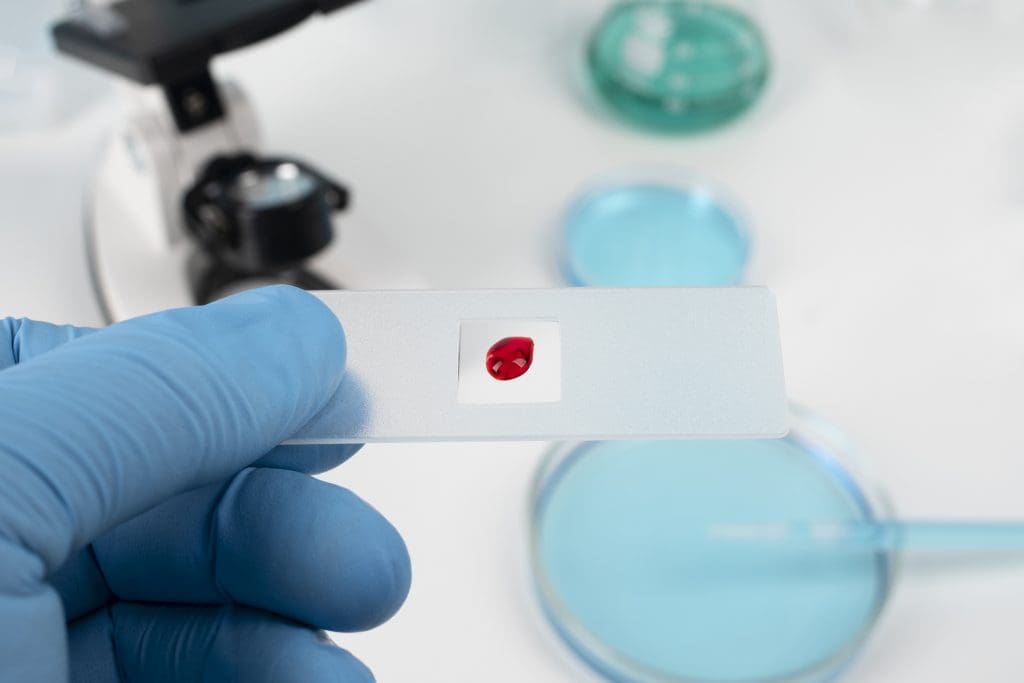
In short, hematopoietic stem cell transplantation is a big win in stem cell treatment and stem cell therapy. It’s a key part of modern medicine, helping with leukemia, lymphoma, and more.
Mesenchymal Stem Cell Therapy: Applications and Outcomes
Mesenchymal stem cell therapy is a new area in regenerative medicine. It uses stem cells from adult tissues like bone marrow or fat. These cells can turn into different types of cells, making them useful for many medical conditions.
Treating Inflammatory and Autoimmune Disorders
This therapy is promising for treating inflammatory and autoimmune disorders. Conditions like rheumatoid arthritis, multiple sclerosis, and Crohn’s disease are being studied. Mesenchymal stem cells have anti-inflammatory properties that help control the immune system, reducing disease severity.
Orthopedic Applications for Joint and Tissue Repair
In orthopedics, mesenchymal stem cell therapy is being explored for joint and tissue repair. It offers a new way to fix damaged tissues instead of surgery for conditions like osteoarthritis and tendon injuries. The cells can turn into bone and cartilage cells, helping in repair.
Cardiac Regeneration Results
Research on using mesenchymal stem cells for heart repair is promising. Studies show these cells can help fix damaged heart tissue, improving heart function in patients with heart failure or after a heart attack. This could offer new hope for those with few treatment options.
| Therapeutic Area | Condition | Outcome |
| Inflammatory & Autoimmune | Rheumatoid Arthritis | Reduced disease severity |
| Orthopedic | Osteoarthritis | Improved joint function |
| Cardiac Regeneration | Heart Failure | Enhanced cardiac function |
Mesenchymal stem cell therapy has many uses and is growing as research advances. It has the power to treat a wide range of conditions, making it a key part of future medical treatments.
FDA-Approved Stem Cell Treatments in the United States
The FDA has approved several stem cell treatments, changing the game in regenerative medicine. These treatments have gone through strict clinical trials. They’ve shown they are safe and work well.
Stem cell therapy is now a hopeful option for many health issues. The FDA’s approval is a big step. It makes these treatments available to more patients.
Currently Approved Therapies and Their Success Rates
The FDA has okayed stem cell transplants for blood disorders like leukemia and lymphoma. This method uses stem cells to replace bad cells in the bone marrow. Many patients see long-term success with this treatment.
Success Rates for Hematopoietic Stem Cell Transplantation:
| Condition | Success Rate |
| Leukemia | 60-80% |
| Lymphoma | 50-70% |
Promising Treatments in Late-Stage Clinical Trials
Many stem cell treatments are in late-stage trials, showing great promise. They aim to help with inflammation, autoimmune diseases, bone issues, and heart problems. Even though they’re not FDA-approved yet, they’re the future of stem cell therapy.
Examples of Promising Treatments:
- Mesenchymal stem cell therapy for inflammatory disorders
- Stem cell therapy for orthopedic applications
- Cardiac stem cell therapy for heart regeneration
Comparing Success Rates Across Different Stem Cell Therapies
It’s important to compare the success rates of various stem cell therapies. Their effectiveness changes based on several factors. These include the type of stem cells, the medical condition, and the patient’s health.
Objective Measures of Treatment Efficacy
Researchers use objective measures to check how well stem cell therapies work. They look at:
- Clinical assessments to see if the disease gets better or worse
- Laboratory tests to check for signs of treatment success
- Imaging studies to see changes in tissue or organ function
These methods help doctors figure out if stem cell therapies are effective for certain conditions.
Patient-Reported Outcomes and Quality of Life Improvements
Patient-reported outcomes are also key in judging stem cell therapy success. These include:
- Improvements in symptoms or ability to function
- Better overall quality of life
- Less pain or discomfort
Looking at both objective measures and what patients say helps doctors understand the good and bad of different stem cell therapies.
The Legal Status of Stem Cell Therapy in the US
It’s important for patients and doctors to know the legal side of stem cell therapy in the US. The rules are complex, with both federal and state laws involved.
The FDA is key in controlling stem cell treatments. The FDA regulatory framework sorts these treatments by risk. This makes sure they are safe and work well.
FDA Regulatory Framework for Stem Cell Products
The FDA has a detailed plan for checking stem cell products. This includes:
- Checking if products are made right
- Looking at new drug plans
- Doing checks to make sure rules are followed
The FDA’s rules change based on the stem cells used and the health issue being treated. This shows how complex stem cell treatments can be.
State-Level Legislation and Access Variations
Even with the FDA’s rules, state laws can change how easy it is to get stem cell treatments. Some states have laws that affect these treatments, causing access differences across the country.
Patients and doctors need to understand these laws to find good stem cell treatments. Knowing both federal and state rules helps make better choices about these treatments.
Safety Profile and Risk Assessment of Stem Cell Treatments
Stem cell therapy is getting more attention, and its safety is key. As these treatments grow, knowing their risks and benefits is vital. This ensures patient safety and the best treatment results.
Common Side Effects and Complications
Stem cell therapies, like any treatment, can have side effects. Issues include immune reactions against the cells, infection at the injection site, and tumor formation. The severity and chance of these problems vary based on the stem cells, the condition, and the patient’s health.
Long-term Safety Monitoring
Monitoring stem cell therapy’s safety over time is vital. Registry-based studies and longitudinal follow-up are key. They help track the treatments’ safety and effectiveness over years. This ongoing watch helps spot long-term risks and improve care.
Identifying Legitimate vs. Unproven Treatments
Patients need to watch out for unproven stem cell treatments. These are often marketed without enough safety or effectiveness proof. Legitimate treatments have gone through clinical testing and got FDA approval. Always talk to a healthcare professional to get proven care.
Accessing Legitimate Stem Cell Therapy Options
Understanding stem cell therapy is complex. It’s important for patients to know about the different treatment options. The field is always changing, so staying informed is key.
Looking for clinical trials and research programs is a big step. The National Institutes of Health (NIH) has a database of ongoing trials. This includes stem cell therapy studies. Patients can search this database to find studies that match their needs.
Finding Clinical Trials and Research Programs
There are many ways to find clinical trials and research programs:
- ClinicalTrials.gov: A big database of clinical trials
- CenterWatch: A site that lists clinical trials and studies
- Stem cell therapy registries: Some registries track stem cell research
Insurance Coverage and Cost Considerations
Insurance for stem cell therapy varies a lot. Patients should:
- Check with their insurance to see what’s covered
- Know the costs of treatment, including any extra expenses
- Look into financing options or help programs if they exist
A recent study found that stem cell therapy costs can be from $5,000 to $20,000 or more. It’s important for patients to think about these costs when choosing treatment.
Questions to Ask Your Healthcare Provider
When talking to a healthcare provider about stem cell therapy, ask:
- What are the benefits and risks of the treatment?
- What results can I expect, and how will they be measured?
- Are there other treatment options available?
Being well-informed helps patients make the best choices for their stem cell therapy journey.
Emerging Stem Cell Technologies with Breakthroughs
The field of stem cell therapy is on the verge of a big change. New technologies are coming along. They’re making old treatments better and opening up new ways to help patients. Induced pluripotent stem cells (iPSCs) and CRISPR gene editing are leading the way.
Induced Pluripotent Stem Cells (IPSCs) Applications
Induced pluripotent stem cells (iPSCs) have changed the game. They let scientists turn adult cells into cells that can become many different types. This is a big step towards personalized medicine. It means doctors can make cells just for you.
iPSCs can be used in many ways. They can:
- Help understand diseases better by creating models in the lab
- Make new cells for fixing damaged tissues, like in Parkinson’s disease or diabetes
- Help create treatments that fit each person’s genetic makeup
CRISPR and Gene-Edited Stem Cell Therapies
CRISPR/Cas9 gene editing is a game-changer. It lets scientists make precise changes to stem cells. This could lead to new ways to treat genetic diseases.
CRISPR can be used in many ways. It can:
- Fix genetic problems in stem cells to treat diseases
- Make stem cell therapies work better by changing the cells
- Help create new treatments that use gene editing and stem cells together
These new technologies are set to change stem cell therapy forever. They offer hope for people with diseases that were once thought untreatable.
Conclusion: The Future Landscape of Stem Cell Therapy
The future of stem cell therapy is changing fast. This is thanks to new research and advances in regenerative medicine. We’ve seen how it can help with many health issues, like leukemia and autoimmune diseases.
With FDA-approved treatments and more in clinical trials, the field is growing. New technologies like induced pluripotent stem cells and CRISPR gene editing will open up more possibilities. This means we can treat even more conditions.
It’s important for patients and doctors to keep up with the latest in stem cell therapy. By staying informed, we can make the most of this technology. This will help improve health outcomes and quality of life for everyone.
FAQ
What is stem cell therapy, and how does it work?
Stem cell therapy uses stem cells to fix or replace damaged cells. These cells can turn into different types, helping treat many health issues.
Is stem cell therapy legal in the US?
Yes, it’s legal in the US but the FDA watches it closely. The FDA has rules for stem cell products, based on the type of cells and the condition treated.
What are the most successful stem cell therapies?
One top success is using stem cells to treat blood disorders like leukemia. Another is mesenchymal stem cell therapy for inflammatory diseases.
Are there any FDA-approved stem cell treatments?
Yes, the FDA has approved some treatments, like for blood disorders. Researchers are also looking into stem cells for other conditions, with promising results.
How do I access legitimate stem cell therapy options?
Look for clinical trials and research programs. Check if your insurance covers it and talk to your doctor about risks and benefits.
What are the possible risks and side effects of stem cell therapy?
While it can help, stem cell therapy might have side effects. These can include graft-versus-host disease and organ damage. Always check the safety first.
What are induced pluripotent stem cells (iPSCs), and how are they used in therapy?
iPSCs are made from adult cells and can become many cell types. They’re being explored for treating diseases and injuries.
Are stem cell patches FDA-approved?
Some stem cell patches might be approved, but check the product and its use. The FDA has approved some, but others are not proven.
How do I identify legitimate vs. unproven stem cell treatments?
Look for research and FDA approval. Be wary of clinics making big claims without proof.