Last Updated on December 1, 2025 by Bilal Hasdemir
Cancer treatment is complex, and chemotherapy is a key method. But, it’s not always effective. Knowing about the chemotherapy failure rate is important for patients and their families.
Many ask, “what is the next step if chemo doesn’t work? Options may include immunotherapy, targeted therapy, radiation, or other advanced treatments.
When chemotherapy doesn’t work, knowing what to do next can offer hope. This might include trying other treatments or looking into palliative care.
Key Takeaways
- Understanding the chemotherapy failure rate helps in making informed decisions.
- Exploring alternative cancer treatments is critical when chemotherapy fails.
- Discussing refusing chemotherapy and its implications with healthcare providers.
- Considering palliative care for improving quality of life.
- Seeking support from cancer support groups and counseling services.
Understanding Chemotherapy Failure
It’s important to know why chemotherapy fails to find better treatments. Chemotherapy uses drugs to kill cancer cells. But, it can fail for many reasons, like the cancer type, its stage, or drug resistance.
Definition of Treatment Failure
Treatment failure means chemotherapy doesn’t work as hoped. Failed cancer treatment indicators include growing tumors, new metastases, or ongoing symptoms.
Common Types of Cancer with Higher Resistance Rates
Some cancers, like pancreatic, lung, and sarcomas, resist chemotherapy well. This resistance can be genetic or develop during treatment.
Chemotherapy Failure Statistics
Chemotherapy failure rates vary by cancer type and stage. Studies show many patients don’t respond to first chemotherapy. For example, up to 40% of certain cancer patients may not respond.
| Cancer Type | Response Rate to First-Line Chemotherapy |
| Pancreatic Cancer | 20-30% |
| Lung Cancer (Non-Small Cell) | 30-40% |
| Sarcomas | 20-50% |
Knowing these failure rates helps patients and choose better treatments.
Physical Signs Chemo Is Not Working
It’s important for patients and to know when chemotherapy isn’t working. When it doesn’t, it can show in different ways. This might mean it’s time to change the treatment plan.
Tumor Growth Despite Treatment
Tumor growth despite treatment is a clear sign that chemotherapy isn’t working. If tests like CT scans or MRIs show tumors growing, it’s a bad sign. This can put pressure on nearby organs and cause more symptoms.
Persistent or Worsening Symptoms
Another sign is if symptoms like pain, fatigue, or breathing trouble don’t get better or get worse. If these symptoms don’t improve, it might mean the treatment isn’t working. Monitoring symptom changes is key to knowing if chemotherapy is effective.
New Metastases Development
The growth of new metastases means the cancer has spread, even with chemotherapy. Metastases can show up in places like bones, liver, or lungs. It’s important to catch these early with regular scans.
Changes in Performance Status
A drop in performance status is also a warning sign. Performance status shows how well a patient can do daily tasks. If it drops, it means the cancer might be getting worse. This calls for a review of the treatment plan.
| Physical Signs | Description |
| Tumor Growth | Tumors continue to grow or do not shrink despite chemotherapy |
| Symptoms Persistence | Cancer-related symptoms do not improve or worsen over time |
| New Metastases | Cancer spreads to new parts of the body |
| Performance Decline | Patient’s overall health and ability to perform daily activities decline |
It’s vital for patients on chemotherapy to know these signs. If any appear, talking to a healthcare provider is essential. They can help figure out if the treatment needs to change.
use several methods to check if chemotherapy is working. It’s key to know if it’s effective to plan the next steps in treatment.
Imaging Studies and Scans
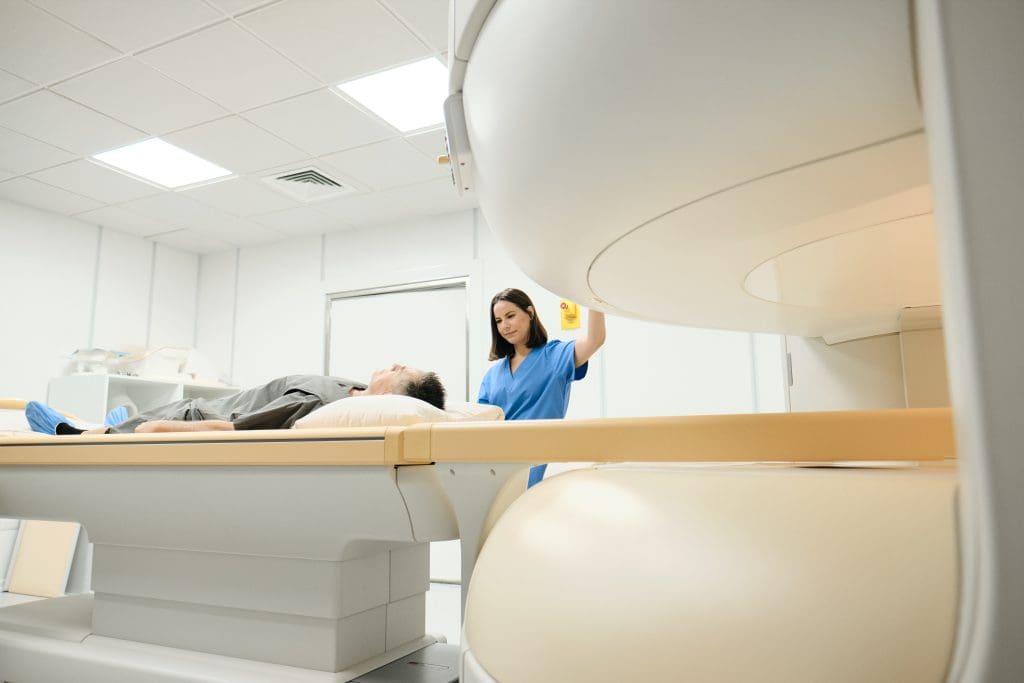
Imaging like CT scans, MRI, and PET scans are very important. They show how tumors react to chemotherapy. Regular scans are key to tracking how well treatment is working.
Blood Tests and Tumor Markers
Blood tests check tumor markers, which are linked to cancer types. A drop in these markers means chemotherapy is working. But, an increase might mean it’s not. Regular blood tests help see if treatment is effective.
Physical Examinations
Physical exams are also vital. look for signs of tumor growth or shrinkage. They check for changes in lymph nodes or new masses. Physical exams also spot signs that chemotherapy isn’t working, like worsening symptoms.
Response Evaluation Criteria (RECIST)
The Response Evaluation Criteria In Solid Tumors (RECIST) is a standard way to measure treatment success. It looks at tumor size changes. RECIST shows if treatment is working, not working, or staying the same. This helps make the right choices about treatment.
The Conversation: When Your Oncologist Says Chemo Isn’t Working
Learning that chemotherapy has failed can be tough. It’s a time for a deep talk with your oncologist. You need to understand what comes next in your treatment.
When told chemotherapy isn’t working, ask important questions. You might wonder: What signs show chemo isn’t effective? What’s the plan for the next treatment?
| Question | Purpose |
| What are the signs chemo is not effective? | Understand the indicators of chemotherapy failure |
| What happens when chemo stops working? | Learn about the implications and next steps |
| Are there alternative treatments available? | Explore other treatment options |
Understanding Your Specific Situation
It’s key to know why chemotherapy isn’t working for you. Your oncologist can explain the signs chemo not responding signs. They can also guide you on what to do next.
Getting a Second Opinion
Getting a second opinion can give you new insights. It’s a good move when you’re unsure about what happens when chemo stops working. It helps you look at other treatment options.
Talking openly with your oncologist helps you make better choices. Even when chemotherapy isn’t working, you can find the right path forward.
Second-Line Chemotherapy Options
Looking into second-line chemotherapy is key when the first treatment doesn’t work. and patients must team up to find the best next step.
Different Drug Combinations
Changing the drug mix is one way to go. This might mean switching to a new class of drugs or adding more to the current mix. The goal is to find a mix that fights cancer better.
Dose Adjustments
Adjusting the dose is another strategy. This could be increasing or decreasing the amount of drugs. The aim is to make the treatment work better while reducing side effects.
Timing Modifications
Changing when treatments are given is also considered. This could mean doing treatments more or less often, or changing how long breaks are between them. These changes help manage side effects and boost treatment success.
Expected Outcomes with Second-Line Treatment
The results of second-line chemotherapy vary. They depend on the cancer type, the patient’s health, and how well the first treatment worked. It’s important for patients to have realistic hopes and talk about their chances with their.
Knowing about the chemotherapy failure rate and second-line chemotherapy helps patients make better choices. It’s also key to consider treatment adjustments and understand expected outcomes to manage the treatment journey well.
Targeted Therapy as an Alternative
Targeted therapy is a new hope for cancer patients who don’t respond to chemotherapy. It’s different from traditional chemotherapy because it only targets cancer cells. This means it causes less harm to healthy cells.
How Targeted Therapies Differ from Chemotherapy
Targeted therapy and chemotherapy treat cancer in different ways. Chemotherapy attacks cells that grow fast, like cancer cells. But, it can harm healthy cells too. Targeted therapies, by contrast, target specific molecules or pathways that cancer cells need to grow and survive.
Matching Treatments to Genetic Mutations
Targeted therapy is tailored to a patient’s cancer based on their genetic mutations. analyze the tumor’s genetics to find the right therapy. This personalized medicine approach has shown great promise in treating some cancers.
Success Rates and Considerations
The success of targeted therapy depends on the cancer type, genetic mutations, and disease stage. While some see big benefits, others may not. It’s important for patients to talk to their about their chances of success.
Common Targeted Therapy Options
There are many targeted therapies available, each working in its own way. Some examples include:
- Tyrosine kinase inhibitors, which block enzymes that help cancer cells grow
- Monoclonal antibodies, which target specific proteins on cancer cells
- Proteasome inhibitors, which affect proteins that help cancer cells multiply
As research grows, more targeted therapy options will likely become available. This offers hope for patients who haven’t found success with other treatments.
Immunotherapy: Harnessing Your Immune System
Immunotherapy is a new way to fight cancer by using your body’s immune system. It’s different from old treatments that directly attack cancer cells. Instead, it boosts your body’s defenses to fight cancer better.
Types of Immunotherapy Treatments
There are many types of immunotherapy treatments. Each one works in its own way to fight cancer. Here are a few:
- Checkpoint Inhibitors: These drugs let your immune system attack cancer cells more easily.
- CAR-T Cell Therapy: This treatment takes T cells, changes them to find cancer cells, and then puts them back in your body.
- Cancer Vaccines: Vaccines that help your immune system recognize and fight cancer cells.
- Monoclonal Antibodies: Antibodies that target specific proteins on cancer cells, making them easier for your immune system to destroy.
Candidates for Immunotherapy
Not everyone can get immunotherapy. It depends on the cancer type, its stage, and your health. Some biomarkers can also tell if you’ll benefit from it.
Response Rates and Timeline
How well immunotherapy works varies. It depends on the cancer and treatment type. Some people see results quickly, while others take months. Knowing this helps manage your hopes.
Managing Immunotherapy Side Effects
Immunotherapy can be very effective but has side effects. These can range from mild to serious. Common ones include tiredness, skin rash, and inflammation. Managing these side effects means staying close to your.
Learning about immunotherapy helps you understand your treatment options. This way, you can make better choices for your care.
When standard treatments don’t work, trials offer new hope. These studies test new treatments on people. They check if these treatments are safe and work well.
Finding Appropriate Trials
To find a trial, start with your. You can also look online at Trials.gov or the Coalition of Cancer Cooperative Groups website. Look for trials that match your cancer type and stage.
Eligibility Requirements
Each trial has its own rules for who can join. These rules might include age, health, and cancer details. Meeting these rules helps make sure the trial’s results are useful.
Weighing Risks and Benefits
It’s important to know the risks and benefits before joining a trial. Risks include side effects and not getting the new treatment. Benefits include trying new treatments and helping future research.
There are many places to learn about trials. Here are a few:
| Resource | Description | Website |
| Trials.gov | A database of privately and publicly funded studies conducted around the world. | https://altrials.gov/ |
| Cancer Research Institute | An organization dedicated to cancer research, providing information on trials for various types of cancer. | https://www.cancerresearch.org/ |
| National Cancer Institute | A government agency with detailed information on cancer, including trials. | https://www.cancer.gov/ |
By learning about trials and the resources for them, patients can make smart choices. This could lead to trying new treatments that might help them more.
Radiation Therapy After Chemotherapy Failure
Radiation therapy is a way to treat cancer that didn’t get better with chemotherapy. It uses high-energy particles or waves to kill or damage cancer cells. This is an option when chemotherapy doesn’t work.
Localized Treatment Approach
Radiation therapy focuses on cancer cells in a specific area. This helps avoid harming healthy tissues nearby. It’s great for tumors that can’t be removed or didn’t get better with chemotherapy. A study on PMC shows it can be a good treatment for some cancers.
Palliative Radiation Benefits
Radiation therapy also helps with symptoms of advanced cancer. It can ease pain, make swallowing easier, or stop bleeding. Palliative radiation makes life better for patients by reducing these symptoms.
Combination with Other Therapies
Radiation therapy can be used with other treatments like chemotherapy, surgery, or immunotherapy. This multimodal approach attacks cancer cells in different ways. The choice to use it with other treatments depends on the cancer type, stage, and the patient’s health.
Side Effect Management
Radiation therapy can cause side effects like fatigue, skin changes, and pain. It’s important to manage these side effects well. This way, patients can handle the treatment and keep their quality of life good. and patients work together to find ways to manage these side effects.
Surgical Interventions When Chemo Fails
Surgery offers hope for those whose cancer doesn’t respond to chemo. When chemo doesn’t work, look at other treatments. Surgery is one option to manage the disease and improve life quality.
Choosing surgery depends on many things. These include the cancer type and stage, the patient’s health, and the surgery’s benefits and risks.
Debulking Surgery
Debulking surgery aims to remove as much tumor as possible. It’s done when the tumor causes symptoms or presses on important organs. This surgery can ease symptoms and improve life quality.
Metastasis Removal
Metastasis removal surgery takes out cancer that has spread. It’s considered when there are few metastases and the cancer is mostly controlled.
Palliative Surgical Procedures
Palliative surgery aims to ease symptoms and improve life quality, not to cure cancer. It can include relieving bowel obstruction or stabilizing cancer-weakened bones.
Recovery Expectations
Recovery from surgery varies by procedure type and extent. Patients may spend time in the hospital and need care at home. It’s key to talk to the healthcare team about recovery to plan well.
| Type of Surgery | Purpose | Recovery Time |
| Debulking Surgery | Remove as much of the tumor as possible | Several weeks |
| Metastasis Removal | Remove cancer that has spread | Several weeks to months |
| Palliative Surgery | Alleviate symptoms and improve quality of life | Varies depending on the procedure |
Complementary and Alternative Approaches
Looking into complementary and alternative therapies can offer more choices for those facing chemotherapy failure. These methods can help manage symptoms, boost quality of life, and possibly improve treatment results.
Evidence-Based Complementary Therapies
Some complementary therapies have shown promise in supporting cancer treatment. These include:
- Acupuncture: Helps manage pain and nausea
- Meditation and Yoga: Reduce stress and improve well-being
- Massage Therapy: Relieves pain and anxiety
- Nutritional Supplements: Certain supplements may support overall health, but require careful consideration
Integrating with Conventional Treatment
It’s important to mix complementary therapies with conventional treatment under a healthcare professional’s guidance. This makes sure therapies work well together without causing problems.
Discussing Alternative Options with Your Healthcare Team
Talking openly with your healthcare team about alternative approaches is key. Discussing these options can help find the benefits and risks, leading to better decisions.
Avoiding Harmful Interactions
Some alternative therapies can interact with conventional treatments, possibly causing harm. It’s important to:
- Inform your healthcare team about any alternative therapies you’re considering
- Monitor your body’s response to new therapies
- Be cautious with supplements that may interfere with chemotherapy or other treatments
By carefully mixing complementary and alternative approaches with conventional care, patients can explore more ways to manage their condition and enhance their quality of life.
Palliative Care: Focusing on Quality of Life
Palliative care is a supportive approach that focuses on improving the quality of life for patients facing serious illnesses.
It involves a care model that addresses physical, emotional, and social needs. By providing relief from symptoms, pain, and stress, palliative care can greatly improve a patient’s quality of life.
Pain Management Strategies
Effective pain management is key in palliative care. Treatments include medications, nerve blocks, and other interventions tailored to the patient’s needs.
Pain management strategies may include:
- Pharmacological interventions
- Non-pharmacological approaches such as physical therapy and relaxation techniques
- Alternative therapies like acupuncture
Symptom Control
Symptom control is critical in palliative care. It aims to manage symptoms like nausea, fatigue, and shortness of breath. This is done through medications and supportive measures.
| Symptom | Common Interventions |
| Nausea | Anti-nausea medications, dietary adjustments |
| Fatigue | Energy conservation strategies, nutritional support |
Emotional and Psychological Support
Palliative care also includes emotional and psychological support. It recognizes the challenges patients and their families face during serious illnesses.
This support is provided through counseling, support groups, and other resources. It helps cope with the emotional impact of the illness.
When to Consider Hospice Care
For patients with advanced illnesses, hospice care may be considered. Hospice care focuses on quality of life when curative treatments are no longer an option.
It involves a team approach to manage pain and symptoms. It also provides emotional and spiritual support to patients and their families.
Conclusion
When chemotherapy fails, it’s key to know what to do next. A study looked at 2,566 women with breast cancer and 12,826 without. It found that women who got chemotherapy had lasting physical health issues.
More than 2 years later, only those who had chemotherapy showed a decline in physical health. This shows how important it is to find other treatments.
Chemotherapy failure can be spotted through imaging, blood tests, and physical checks. Options like targeted therapy, immunotherapy, and trials are available. Talking to your healthcare team is vital to find the best treatment.
In summary, dealing with chemotherapy failure is tough, but there are ways forward. Understanding your options and working with your healthcare team can help. This way, you can make choices that improve your life quality.
FAQ
Can complementary and alternative approaches be used alongside conventional treatment?
Yes, some complementary therapies can improve quality of life with conventional treatment. But, always talk to your healthcare team first.
How do I know if I’m a candidate for second-line chemotherapy?
Your oncologist will check your health, cancer type, and past treatment. They’ll decide if second-line chemotherapy is right for you.
What are the benefits of radiation therapy after chemotherapy failure?
Radiation therapy can treat specific areas and improve symptoms. It can also be used with other treatments to enhance quality of life.
Can I stil have surgery if chemotherapy doesn’t work?
Yes, surgery might be an option. This includes removing tumors or improving symptoms, depending on your situation.
What is palliative care, and how can it help?
Palliative care improves life quality for those with serious illnesses. It offers pain relief, symptom control, and emotional support.
What is immunotherapy, and who is a candidate?
Immunotherapy uses the immune system to fight cancer. It’s for people with certain cancers or genetic profiles.
What is targeted therapy, and how does it differ from chemotherapy?
Targeted therapy attacks specific cancer genes or proteins. It’s different from chemotherapy, which attacks fast-growing cells.
What are the signs that chemotherapy is not working?
Signs include tumors growing despite treatment and worsening symptoms. Also, new metastases and changes in how well you can do things.