Last Updated on December 3, 2025 by Bilal Hasdemir
Dealing with kidney stones can be tough, even when lithotripsy doesn’t work as hoped. At our institution, we’re dedicated to giving you the best care and support. We help patients through their treatment for kidney stones.
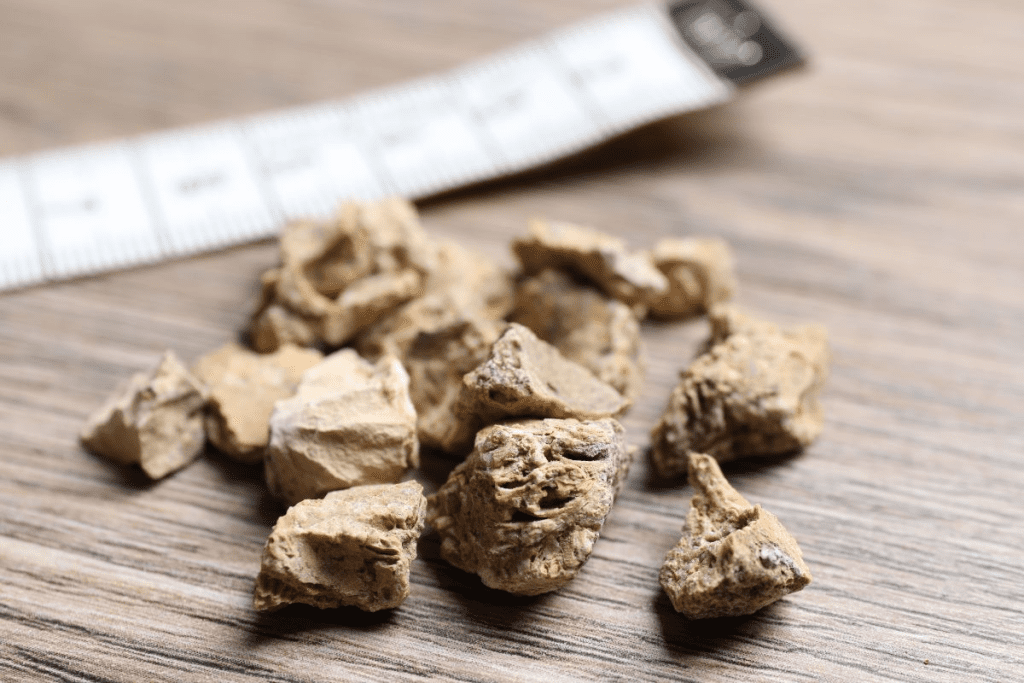
We know every patient is different. We work with you to find the best treatment. Our aim is to offer world-class healthcare and support for international patients.
Key Takeaways
- Alternative treatments for kidney stones include ureteroscopy and percutaneous nephrolithotomy (PCNL).
- Treatment options depend on the type of stone and patient characteristics.
- Our institution provides complete care and support for patients with kidney stones.
- We work closely with patients to determine the best course of treatment.
- World-class healthcare delivery is our top priority.
Why Extracorporeal Shock Wave Lithotripsy (ESWL) Sometimes Fails
ESWL has changed how we treat kidney stones, but it doesn’t always work. This method uses shock waves to break stones into smaller pieces. These pieces can then be passed out of the body. But how well ESWL works depends on the stone’s type, size, and where it is.

Success Rates of ESWL for Different Stone Types
Research shows ESWL works for 72% to 83% of patients. The success rate can change based on the stone’s size, location, and the patient’s health. The National Institute of Diabetes and Digestive and Kidney Diseases notes that some stones are harder to break with shock waves.
Patients might worry about the varying success rates. The stone’s size and location are key factors. Larger stones or those in hard-to-reach spots can be tougher to treat with ESWL alone.
Common Reasons for Lithotripsy Failure
Several reasons can lead to ESWL failure. These include:
- Stone size and location: Larger stones or those in hard-to-reach spots may not break down fully with ESWL.
- Stone composition: Some stone types, like cystine stones, are harder to break with shock waves.
- Patient anatomy: Issues with the patient’s body can make ESWL less effective.
Knowing these reasons is key to finding the right treatment for those who didn’t get better with ESWL.
Signs That Indicate Treatment Was Unsuccessful
Patients may keep feeling pain or other symptoms if ESWL doesn’t work. These signs include:
- Continued pain
- Recurring infections
- Failure to pass stone fragments
It’s vital to follow up after ESWL. This helps check if it worked and to talk about other treatment options if needed.
Ureteroscopy: A Minimally Invasive Alternative to Lithotripsy
When lithotripsy doesn’t work, ureteroscopy is a good choice. It uses a small scope to see the stone. Then, it can remove or break the stone with a laser. The American Urological Association says it’s very effective for ureter or kidney stones.
The Ureteroscopy Procedure Explained
A ureteroscope is inserted through the urethra and bladder into the ureter. This lets doctors see the stone clearly. They might remove it or use a laser to break it into smaller pieces. This method is great for stones that block the way or cause a lot of pain.

85-95% Success Rates for Stone Removal
Ureteroscopy works well, with 85-95% of patients becoming stone-free. This is because doctors can see the stone and use a laser to break it up. The success depends on the stone’s size, location, and type.
- High success rates: Ureteroscopy is good at removing stones without big problems.
- Precision: Laser technology helps break stones up accurately.
- Minimally invasive: It’s less invasive than old-school surgery.
Recovery Timeline and Possible Complications
Recovery from ureteroscopy is usually fast, with most people back to normal in a few days. But, like any surgery, there can be risks like infection, bleeding, or injury to the ureter. It’s key for patients to follow their doctor’s instructions closely to avoid these risks.
- Follow post-procedure instructions to reduce the risk of complications.
- Watch for signs of infection or other bad effects.
- Go to follow-up appointments to make sure you’re healing right.
Percutaneous Nephrolithotomy (PCNL) for Larger or Complex Stones
For those with big or complex kidney stones, PCNL is a top choice. It’s different from lithotripsy and ureteroscopy because it makes a small cut in the back. This lets doctors remove the stone directly.
Procedure and Hospital Stay Requirements
The PCNL process starts with general anesthesia to keep the patient relaxed. A small cut is made in the back. A special tool, called a nephroscope, is used to find and remove the stone.
After the surgery, patients stay in the hospital for one to three days. Doctors watch for any issues and help with pain.
Key aspects of the PCNL procedure include:
- Performed under general anesthesia
- Small incision in the back for direct access to the kidney stone
- Use of a nephroscope to locate and remove the stone
- Typical hospital stay of one to three days
Success Rates for Stones Resistant to Lithotripsy
PCNL is very effective, with success rates of 80-90% for tough stones. This is because it directly removes the stone, unlike lithotripsy.
PCNL’s success comes from its direct method. It doesn’t need to break stones into smaller pieces. This makes it better for some patients.
Factors contributing to the success of PCNL include:
- Direct access to the stone through a small incision
- Ability to remove large or complex stones in a single procedure
- High stone-free rates compared to other treatments
When to Consider Repeat Lithotripsy or Combination Approaches
If lithotripsy doesn’t fully work, a repeat or combined treatment might be needed. Lithotripsy, or extra shock wave therapy or shock wave lithotripsy, is a non-invasive way to treat kidney stones. But its success depends on the stone’s size, location, and type.
Factors That Might Warrant a Second Lithotripsy Attempt
Several reasons might call for a second try at lithotripsy. These include stones that are too big for one session, hard stones, and multiple stones. The National Kidney Foundation says that sometimes, more than one treatment is needed for tough cases.
Deciding on more treatment can be tough. But our medical team is here to help. We explain why a second lithotripsy or other treatments might be best for you.
Combined Treatment Strategies for Difficult Cases
For tough cases, mixing lithotripsy with other treatments might work better. Ureteroscopy, a small scope procedure, can be paired with lithotripsy. Or, Percutaneous Nephrolithotomy (PCNL), a more invasive method, is good for big or complex stones. Knowing the lithotripsy meaning and its limits helps us create a treatment plan that fits you.
Our healthcare team works with you to find the best shock wave lithotripsy plan or other treatments. We aim for complete care.
Modified Lithotripsy Techniques to Improve Success
New tech in lithotripsy has made it more effective. Tweaking the shock wave settings can help more. Knowing the lithotripsy definition and new methods keeps us up-to-date in treating kidney stones.
By looking at all these options, we can make a plan that meets your specific needs. This way, we aim for the best results for you.
Key Factors That Determine Your Next Treatment Step
After a failed lithotripsy, several important factors help decide the next treatment. These factors include a detailed look at different elements that affect treatment success.
Stone Characteristics: Size, Location, and Composition
The size, location, and type of kidney stone are key. Larger stones or those in hard-to-reach spots might need more serious treatments. For example, Percutaneous Nephrolithotomy (PCNL) or Ureteroscopy might be needed. The stone’s makeup also matters, as some types respond better to certain treatments.
- Size: Bigger stones need stronger treatments.
- Location: Stones in tricky spots are harder to treat.
- Composition: Each stone type reacts differently to treatments.
Patient-Specific Considerations: Anatomy and Health Status
Each patient’s unique anatomy and health are also important. People with certain body shapes or health issues might need special treatments. This ensures both safety and success.
- Body shape, like a narrow ureter, can affect treatment.
- Health conditions, like diabetes, also play a role.
The Importance of Multidisciplinary Evaluation
Getting a team of experts to evaluate you is vital. livhospital.com uses a team of urologists, radiologists, and others to create a custom plan. This team approach makes sure every detail is considered, leading to better care.
By looking at these factors and working together, doctors can create plans that fit each patient’s needs.
Conclusion: Working With Your Doctor After Failed Lithotripsy
If ESWL doesn’t work, there are other treatments like ureteroscopy and PCNL. Our institution offers these options to help you get stone-free.
Our team is dedicated to giving you personalized care and support. We work together to create a treatment plan that fits your needs.
FAQ
What is Extracorporeal Shock Wave Lithotripsy (ESWL) and how does it work?
ESWL is a non-invasive treatment. It uses shock waves to break kidney stones into smaller pieces. These pieces can then be easily passed out of the body.
Why does ESWL sometimes fail to treat kidney stones effectively?
ESWL may not work for everyone. Success rates depend on the stone’s type, size, and location.
What are the common reasons for lithotripsy failure?
Failure can happen due to several reasons. These include the stone’s size, location, and composition. Patient-specific factors like anatomy and health also play a role.
What are the signs that indicate lithotripsy treatment was unsuccessful?
Signs of failure include ongoing pain or trouble passing stones. Imaging tests also show remaining stone fragments.
What is ureteroscopy, and how is it used as an alternative to lithotripsy?
Ureteroscopy is a minimally invasive procedure. It uses a small scope to see the stone. Then, it removes or breaks the stone using a laser.
What are the success rates for ureteroscopy in removing kidney stones?
Ureteroscopy is very effective. Success rates range from 85-95% for stone removal.
What is Percutaneous Nephrolithotomy (PCNL), and when is it used?
PCNL is a surgical procedure. It removes larger or complex kidney stones. A small incision in the back accesses the stone directly.
When is repeat lithotripsy or combination approaches considered?
Repeat lithotripsy or combination approaches are considered when initial treatment fails. Factors like stone size, location, and composition are important.
What factors determine the next treatment step after unsuccessful lithotripsy?
The next step depends on stone characteristics and patient-specific factors. These include size, location, and composition of the stone, as well as anatomy and health status.
Why is multidisciplinary evaluation important in determining the optimal treatment plan?
A multidisciplinary evaluation is key. It involves a team of healthcare professionals for a thorough assessment. This ensures the best treatment plan.
References
- Chiou, Y. E., et al. (2022). A comparative study of stone re-treatment after lithotripsy: Evaluating outcomes of ESWL, PCNL, and ureteroscopic lithotripsy. Urology Journal, 19(6), 453-463. https://www.ncbi.nlm.nih.gov/pmc/articles/PMC9780782/
- Health Harvard Publishing. (2019). Kidney stones: What are your treatment options? Harvard Health Blog. https://www.health.harvard.edu/blog/kidney-stones-what-are-your-treatment-options-2019071817350