Last Updated on November 27, 2025 by aysenuurcakir
Managing pain in a sickle cell crisis is complex. At LivHospital, we use international guidelines for the best care. This ensures our patients get top-notch treatment.

Our pain management plan starts with quick and effective relief. We assess patients right away when they arrive at the emergency department. We stress starting analgesia within the first hour.
Then, we check on patients every 30 to 60 minutes. This helps us adjust their treatment as needed. Our approach is based on the Vaso-occlusive Crisis Algorithm.
We customize our treatment for each patient. This makes a big difference in their comfort and results.
Key Takeaways
- Rapid assessment and individualized analgesic regimens are key to effective pain management.
- Analgesia should start within one hour of arrival at the emergency department.
- Regular reassessments every 30-60 minutes are vital for managing pain well.
- Treatment plans should be made to fit each patient’s unique needs.
- Comprehensive care involves a team effort, including Pediatric Hematology/Oncology for admission if needed.
Understanding Vaso-Occlusive Sickle Cell Crisis and Pain Mechanisms
Vaso-occlusive sickle cell crisis is a complex condition. It needs a deep understanding of its pain mechanisms. Knowing how pain works in sickle cell disease is key to good care.
Pathophysiology of Pain in Sickle Cell Disease
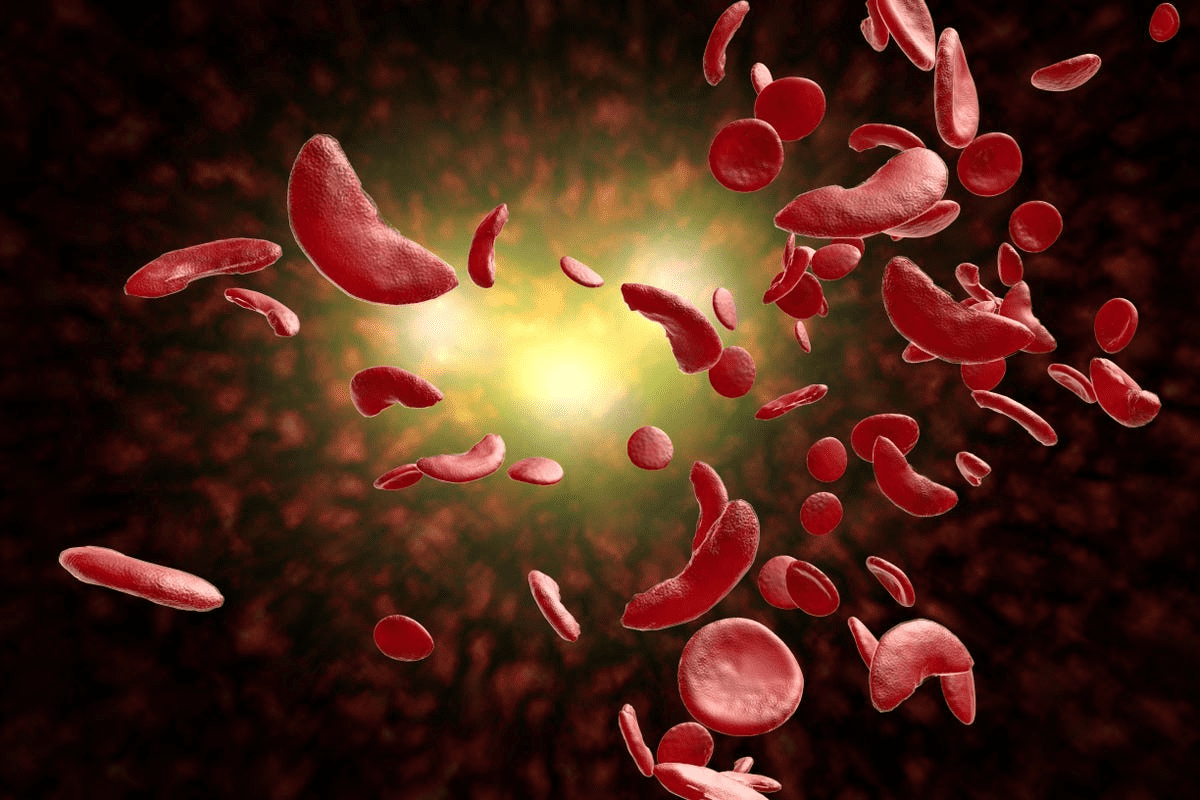
The pain in sickle cell disease comes from sickled red blood cells blocking blood vessels. This causes tissue ischemia and pain. Vaso-occlusive crises happen when these cells block blood vessels, leading to tissue hypoxia and pain.
The pain from a vaso-occlusive crisis is often sharp and stabbing. Knowing how this pain works is important for managing it well.
Acute vs. Chronic Pain Patterns in Sickle Cell Patients
Sickle cell disease causes both acute and chronic pain. Acute pain comes from vaso-occlusive crises. Chronic pain is from ongoing tissue damage and other issues.
Acute pain is sudden and severe, needing quick medical help. Chronic pain lasts longer, affecting the patient’s quality.

Pain Assessment Challenges and Solutions
Assessing pain in sickle cell disease patients is hard. Pain is subjective and varies among patients. We use clinical evaluation and patient feedback to make treatment decisions.
A good pain assessment looks at the patient’s pain history and how they’ve reacted to treatments. It also considers what makes pain better or worse.
- Using pain scales and patient reports to measure pain.
- Looking at the patient’s medical history and past pain episodes.
- Using a team approach to manage pain.
5 Critical Steps in Emergency Management of Sickle Cell Crisis
Managing a sickle cell crisis in an emergency needs a detailed plan. This plan includes quick checks, fast action, and ongoing care. Our goal is to help patients get the best care possible during a crisis.
Step 1: Rapid Triage and Pain Assessment
We start by quickly checking how severe the crisis is. We use special tools to measure pain. It’s key to do this right away to decide the right care.
Step 2: Initiating Analgesia Within the First Hour
Starting pain relief early is very important. We start treatment fast, using the right mix of medicines for each patient. Our plan includes NSAIDs, opioids, and other medicines as needed.
Important things to think about when giving pain relief include:
- Figuring out how bad the pain is to pick the right dose.
- Using more than one way to manage pain.
- Watching for side effects of pain medicines.
Step 3: Hydration and Supportive Care Protocols
Drinking enough water is key to avoiding problems and helping recovery. We make sure patients get enough fluids. We also give other support, like oxygen and rest, when needed.
Step 4: Regular Reassessment Every 30-60 Minutes
Checking in regularly is vital for good crisis management. We check on patients every 30 to 60 minutes. This helps us make sure they’re getting the best care.
What we check includes:
- Looking at pain levels and changing pain medicine if needed.
- Watching for any bad effects or complications.
- Changing fluid and support plans as needed.
By following these 5 steps, we make sure patients get the best emergency care for a sickle cell crisis.
Medication Protocols for Vaso-Occlusive Sickle Cell Crisis
We tailor our treatment for vaso-occlusive sickle cell crisis to each patient’s needs. Our main goal is to manage pain effectively. We use various medications to help patients find relief.
First-Line Treatments: NSAIDs and Acetaminophen for Mild Pain
For mild pain, we start with NSAIDs and acetaminophen. These work well for pain that’s not too severe. The American Society of Hematology says they’re good for managing mild pain in sickle cell disease.
“The use of NSAIDs and acetaminophen can be beneficial in the management of mild pain associated with sickle cell disease.”
American Society of Hematology
Opioid Selection and Dosing for Moderate to Severe Pain
For more severe pain, opioids are key. We choose and dose opioids carefully. We consider how well a patient has responded to opioids before and their current use. Our aim is to control pain without harming the patient.
American Society of Hematology Guidelines for Opioid Management
We follow the American Society of Hematology’s opioid management guidelines. These guidelines stress the need for tailored opioid dosing and regular pain checks. This approach helps us manage pain well and avoid risks.
Adjuvant Medications and Non-Pharmacological Approaches
We also use adjuvant medications and non-drug methods to help patients. This includes medications like antihistamines or antidepressants, and techniques like cognitive-behavioural therapy. These add-ons help us care for our patients fully.
Individualized Pain Management Strategies with Proven Results
We manage sickle cell crisis with individualized pain management strategies that meet each patient’s needs. Understanding the disease’s complexities and treatment responses helps us provide better care.
Tailoring Treatment Based on Patient History and Previous Responses
At LivHospital, we tailor treatments based on patient history and past responses. This approach helps us adjust plans to fit each patient’s needs, leading to better pain control.
For example, patients with frequent crises need different plans than those with fewer episodes. We analyze their history to develop strategies that meet their specific needs.
Patient-Controlled Analgesia Systems and Protocols
Our strategy includes patient-controlled analgesia (PCA) systems. These systems let patients control their pain relief, giving them control over their pain management.
Research shows PCA systems are effective for sickle cell crisis pain. They improve patients’ comfort and satisfaction with their care.
Research Showing 70% Improvement with Personalized Protocols
Studies show personalized pain management leads to better outcomes. Over 70% of patients see improved pain control and quality of life with tailored plans.
“Personalized medicine is not just a buzzword; it’s a critical component of effective care for complex conditions like sickle cell disease.”
Transitioning from Acute to Home-Based Pain Management
When patients move from acute care to home, we ensure a smooth transition. We guide them on managing pain at home and provide ongoing care resources.
- Developing a personalized pain management plan
- Educating patients on the use of PCA systems
- Providing resources for ongoing care and support
Our individualized pain management approach improves patient outcomes and quality of life.
Conclusion: The Multidisciplinary Approach to Sickle Cell Crisis Management
Managing a sickle cell crisis needs a detailed plan. At LivHospital, we use a team effort. This team includes doctors, pain experts, and social workers.
Together, they tackle the physical and mental health of our patients. This way, we offer top-notch care. It improves their quality during painful episodes.
We think this team effort is essential for handling sickle cell disease. Our goal is to give our patients the best care. We support them every step of the way, helping them deal with their condition.
FAQ’s:
What is the pain management protocol for a sickle cell crisis?
At LivHospital, we start by quickly checking how much pain you’re in when you arrive. We then give you pain medicine within the first hour. We keep checking and changing your treatment every 30 to 60 minutes as needed.
How do you assess pain in patients with sickle cell disease?
We check your pain by looking at your symptoms and listening to what you say. This helps us decide the best treatment for you, even though it can be hard to measure pain in sickle cell disease.
What are the first-line treatments for mild pain in vaso-occlusive sickle cell crisis?
For mild pain, we often start with NSAIDs and acetaminophen. These are part of our standard treatment plan.
How are opioids used in managing moderate to severe pain in sickle cell crisis?
For more serious pain, we use opioids carefully. We choose the right dose and type based on what you’ve tried before and how you’ve reacted. This follows guidelines from the American Society of Hematology.
What role do adjuvant medications and non-pharmacological approaches play in pain management?
We also use other medicines and non-medical methods to help control your pain. These can make you feel better and improve your overall health, along with our usual treatments.
How are treatment plans tailored to individual patient needs?
We make treatment plans just for you, based on your past experiences and how you’ve reacted to treatments. This helps us manage your pain better. We also use systems that let you control your pain treatment, making it even more personal.
What support is provided as patients transition from acute to home-based pain management?
When you move from the hospital to home, we make sure you have all the help you need. We give you detailed instructions and support to help you manage your pain at home.
Is the pain management protocol at LivHospital evidence-based?
Yes, our pain management plan follows the latest international guidelines and research. This ensures you get the best care possible.
How effective are personalized pain management protocols?
Studies show that making treatment plans just for you can really improve your health. Our approach is very effective.
What is the overall approach to managing sickle cell crisis at LivHospital?
We take a team approach to managing sickle cell crisis. This includes medical treatment, psychological support, and social care. We aim to meet all your needs in a caring and supportive way.